



FAQs
8/1/2026
Contents
Products
Residential Lawns

Explore
Where to Buy


A lawn sweeper is a wheeled yard tool that brushes leaves, grass clippings, pine needles, and light debris into a collection hopper. It is most useful after mowing, light leaf fall, seasonal cleanup, or storm litter. It works fastest on dry turf and short grass, but it is not designed for rocks, wet piles, or heavy branches.
Mowing can leave the lawn shorter but not always cleaner. After the cut, dry clippings may sit in small rows, leaves can hide between grass blades, and raking a wide yard quickly turns into a second job. This is a common problem in mid-size lawns, especially after windy weather, fall leaf drop, or fast grass growth. In that situation, a lawn sweeper can help by collecting loose surface debris more quickly than hand raking.
But do you know what is a lawn sweeper, and when does it make cleanup easier? In this blog, we’ll look at how lawn sweepers work, what they can collect, which type fits different yards, and when using one makes more sense than raking or blowing debris around.
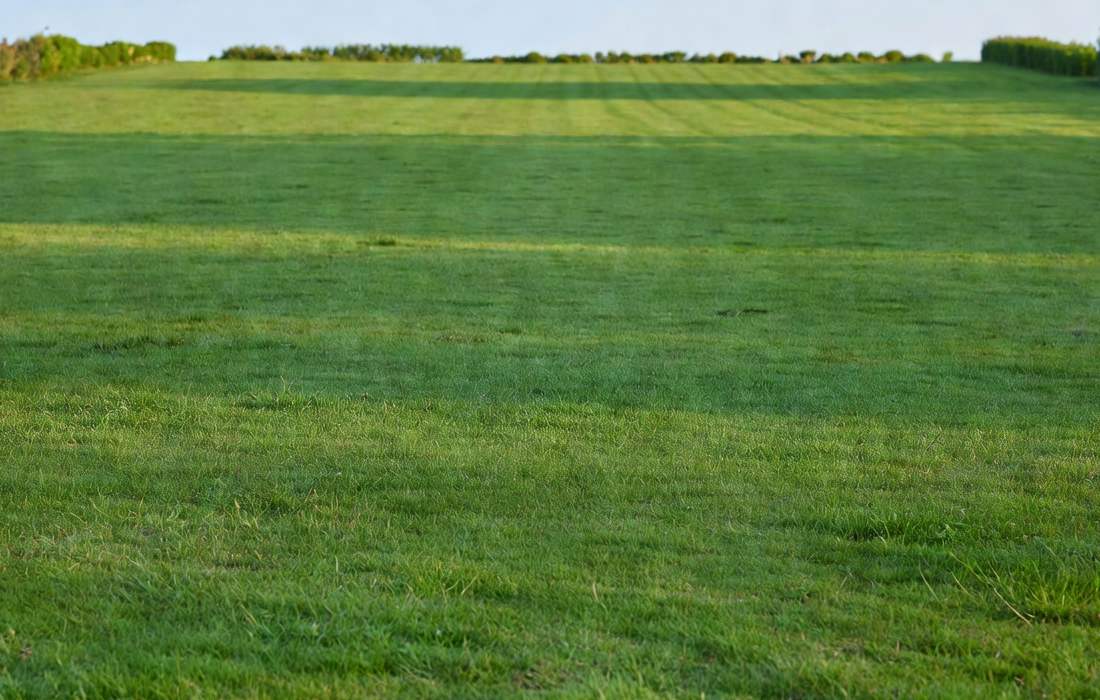
A lawn sweeper is a mechanical collection tool that moves across turf and gathers loose material into a hopper. It is commonly used behind a lawn tractor or pushed by hand, depending on the model. The main job is simple: lift light debris off the grass before it mats down, blocks sunlight, or makes the yard look untidy.
Most sweepers use rotating brushes rather than suction. As the wheels turn, the brushes spin and flick material upward into a fabric or mesh bag. This makes a lawn sweeper especially useful for dry leaves, fresh grass clippings, small twigs, seed husks, and similar lightweight debris. A sweeper does not cut grass, mulch leaves into fine particles, or dig into the soil. It clears the surface.
The best results usually come when grass is mowed to a normal height, the lawn is dry, and debris is spread in a thin layer. If leaves are soaked, clumped, or packed deep into long grass, the brushes may skim over them or fill the hopper too quickly. For a typical residential lawn, a sweeper can reduce cleanup time after mowing and prevent loose debris from smothering tender grass.
A lawn sweeper looks simple, but the brush height, wheel speed, and hopper design all affect how well it collects debris. Understanding this helps you set it correctly instead of making repeated passes over the same area.
The wheels drive a rotating brush system. As the sweeper rolls forward, the brushes spin against the turf surface and push loose debris into the hopper. On many models, the brush height can be raised or lowered. The brushes should lightly touch the top of the grass, not scrape the soil. Set too high, they miss leaves. Set too low, they drag, wear faster, and may pull up weak turf.
A good starting point is to set the brush about 0.25 to 0.5 inch into the grass canopy. Move at a steady walking pace for push models or a slow tractor speed for tow-behind models. If debris flies forward or remains behind in streaks, reduce speed and check the height. Empty the hopper before it becomes packed, since an overfilled bag can spill debris back onto the lawn or make the sweeper harder to pull.
The two main types are push lawn sweepers and tow-behind lawn sweepers. Both use rotating brushes, but they fit different lawn sizes, storage spaces, and cleanup habits.
A push lawn sweeper is walked across the lawn like a manual mower. It is usually lighter, smaller, and easier to store than a tow-behind model. It works best for small yards, narrow side lawns, fenced areas, and quick cleanup after trimming or mowing.
The main advantage is control. You can steer around flower beds, trees, play equipment, and tight corners without connecting a tractor. Push models also suit homeowners who do not own a riding mower. The tradeoff is effort. A full hopper adds weight, and large lawns can become tiring. For a yard under about 0.25 acre, a push sweeper can be practical. For larger spaces, repeated emptying may slow the job.
A tow-behind lawn sweeper attaches to a lawn tractor, riding mower, or suitable utility vehicle. It usually has a wider sweeping path and a larger hopper, so it covers more ground in each pass. This type is better for medium and large lawns, long drive edges, orchard areas, and properties with heavy seasonal leaf drop.
The key is matching the sweeper width and hitch to your machine. A 42-inch tow-behind sweeper can handle many suburban lawns, while wider models may suit open properties with fewer tight turns. Keep tractor speed low, especially on uneven ground. Fast towing can bounce the sweeper, reduce pickup quality, and scatter leaves. Tow-behind models need more storage space, but they are much easier for repeated fall cleanup.
A sweeper is at its best with dry, loose, lightweight material. It should be treated as a surface cleanup tool, not a machine for hauling heavy waste or clearing rough construction debris.
Common materials a lawn sweeper can pick up include:
Materials that often cause problems include wet leaf mats, stones, thick branches, muddy soil, pet waste, and heavy thatch. These can clog the brushes, overload the hopper, or damage the sweeper. If the lawn has several inches of wet leaves, loosen them first with a rake or wait for a dry window. If the goal is to remove thatch, use a dethatcher or scarifier instead. A sweeper can collect loosened thatch afterward, but it does not remove thatch on its own.
The best time to use a lawn sweeper is when debris is dry, the grass is relatively short, and the brushes can reach the surface without dragging through wet turf. After mowing, collect clippings only when they form visible rows or clumps thicker than about 0.5 inch; fine cuttings from regular mowing can usually remain on the lawn.
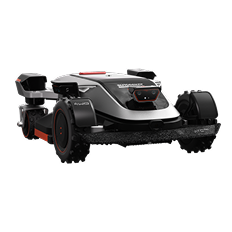
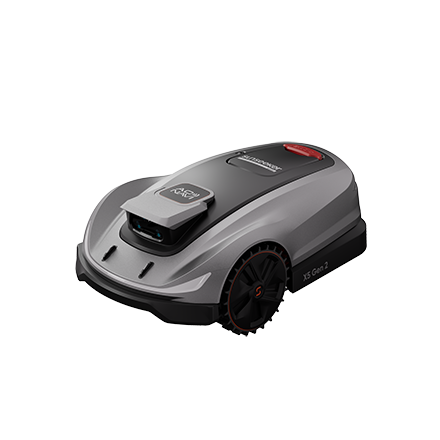
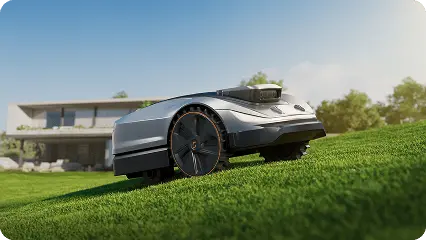
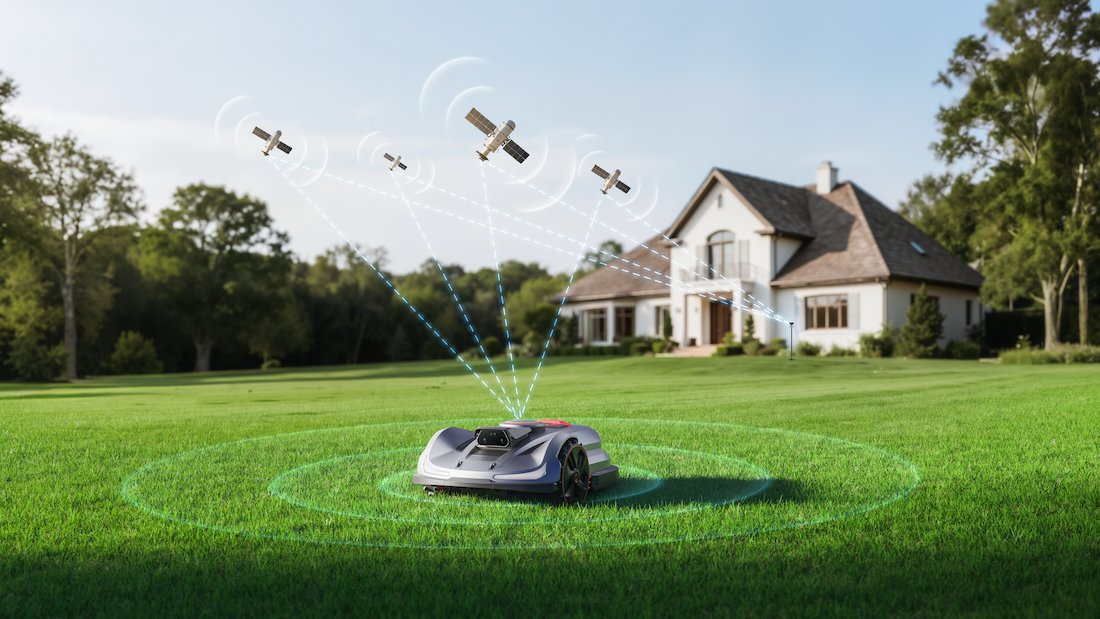
A consistent mowing rhythm also reduces how often heavy clipping removal is needed. The robotic Sunseeker Elite X7 Plus Gen 2 supports frequent, light cuts with scheduled operation and adjustable cutting height, helping keep debris manageable between sweeping sessions. During leaf fall, run the sweeper about once a week while the layer is still thin and loose. Wait until morning dew has dried, since damp leaves stick together, add weight, and are harder for the brushes to lift cleanly.
A lawn sweeper is not always the right tool. The best choice depends on debris type, lawn size, noise limits, and how clean you need the surface to be. The table below gives a quick practical comparison.
Tool | Best for | Strength | Limit | Practical tip |
Lawn sweeper | Dry leaves, clippings, light debris | Fast cleanup across open turf | Poor with wet mats or heavy branches | Adjust brushes lightly into grass and empty often |
Rake | Small areas and tight corners | Precise, low cost, no machine needed | Slow and tiring on large lawns | Use for edges and places the sweeper misses |
Mower bagger | Clippings during mowing | Cuts and collects in one pass | Can clog in wet grass or thick leaves | Use when mowing height and debris load are moderate |
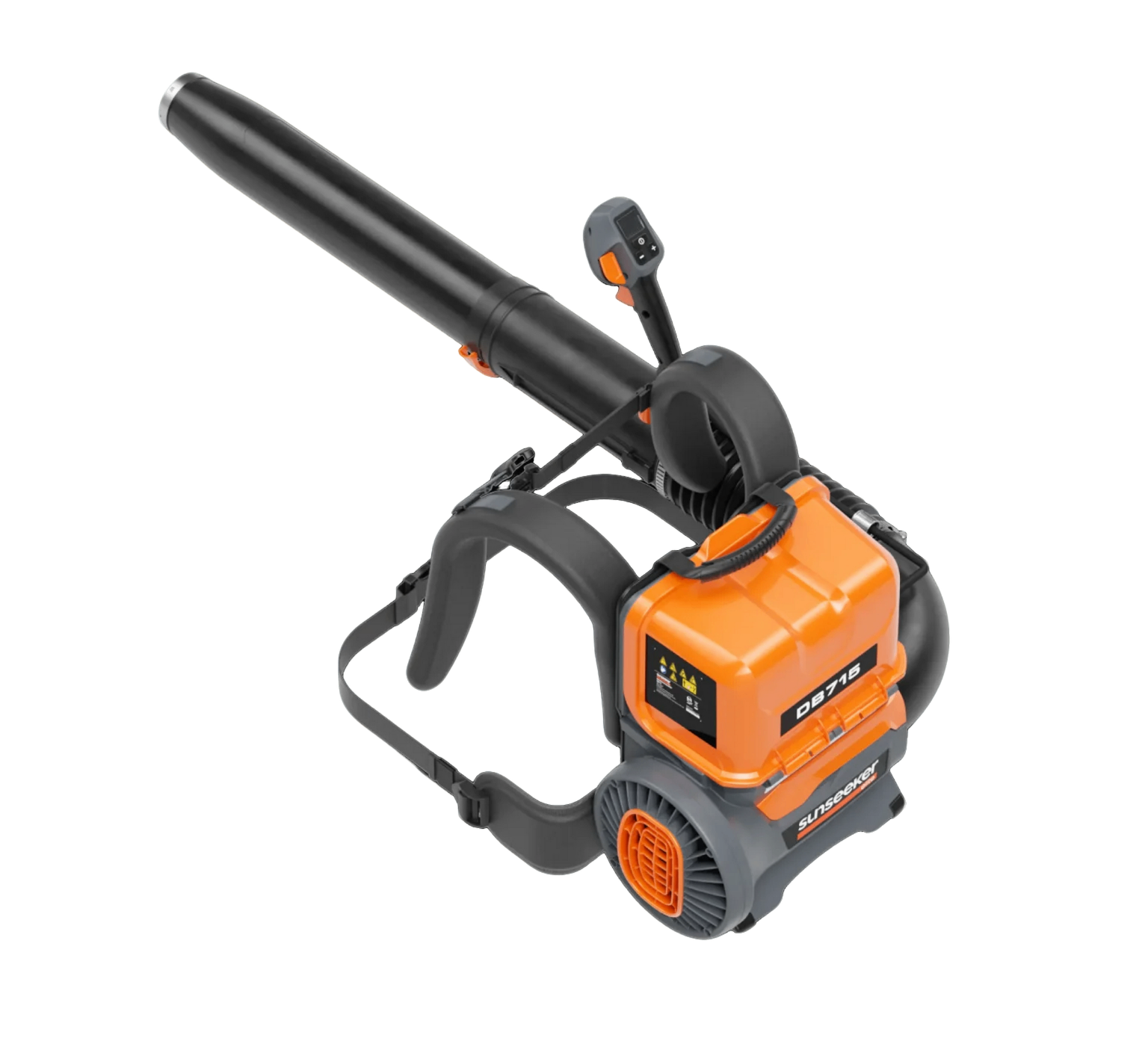
Leaf blower | Moving leaves off paths and beds | Fast for directing debris into piles | Does not collect debris by itself | Blow into loose rows, then sweep or bag |
A lawn sweeper is useful when you need to collect dry leaves, grass clippings, pine needles, and light yard debris faster than raking. It works best on short, dry grass and should be adjusted so the brushes touch the grass canopy without digging into soil. For long-term care, pair cleanup with steady mowing, watering, and repair of thin areas. If you want consistent daily or weekly cutting after debris is cleared, explore Robot Mowers with Mulching Blades as part of a wider lawn maintenance routine.
Yes, lawn sweepers work well on dry, loose debris such as leaves, grass clippings, pine needles, and small twigs. Results depend on brush height, ground speed, and debris condition. They perform poorly on wet leaves, heavy branches, stones, or thick thatch because the brushes are designed for surface pickup.
A bagger is better when you want to collect clippings during mowing. A lawn sweeper is better after mowing or during leaf season when loose debris is already sitting on the grass. Many homeowners use both: the bagger for normal mowing cleanup and the sweeper for leaves, needles, and scattered debris.
You can pull some sweepers while mowing if the mower and hitch allow it, but cleanup is often better after mowing. Freshly cut grass and chopped leaves are easier to collect in a separate pass. Keep speed low and check that the sweeper does not interfere with safe mower handling.
No. A lawn sweeper collects loose debris from the lawn surface. A dethatcher uses tines or blades to loosen the thatch layer near the soil. You can use a sweeper after dethatching to collect the loosened material, but the sweeper itself will not remove embedded thatch.