




FAQs
7/23/2026
Contents
Products
Residential Lawns





Explore
Where to Buy


Leaf mulch is good for most established lawns when used correctly. Shredded leaves improve soil, return organic matter, and reduce cleanup time without harming the grass. The key is keeping the layer thin enough for grass to stay visible. When leaves are wet, thick, or heavily matted, raking is the better choice to protect lawn health
Every fall, fallen leaves can turn a clean lawn into a messy layer of yellow, brown, and wet patches almost overnight. Many homeowners are unsure whether to rake everything away or mow over the leaves and let them break down on the grass. The concern is reasonable: leaf mulch can help the soil, but too much of it can also block light and air.
So, Is leaf mulch good for your lawn? In this blog, we’ll look at when mulching leaves is useful, when raking is safer, and how to manage fall leaves without stressing the grass.
Before deciding whether to rake or mulch, it’s worth knowing that leaf mulch isn’t automatically good or bad for your lawn. The result depends on how much leaf material stays on the grass and whether it still allows the turf to breathe.
For most established lawns, mulching leaves is beneficial. Shredded leaves break down naturally, returning organic matter to the soil while reducing yard waste and fall cleanup. As long as the layer stays thin enough for grass to remain visible, the lawn can continue getting the light and airflow it needs.
Problems begin when too many leaves build up. Thick or wet layers trap moisture, block sunlight, and prevent air from reaching the grass. Instead of improving the lawn, they can weaken the turf and create conditions that encourage disease.
There’s a simple rule for most lawns. That is, if you can still see most of the grass after mowing, mulching is usually the right choice. If the leaves hide the lawn or form wet mats, rake or remove some of them before mulching the rest.
Leaf mulching does more than reduce fall cleanup. When used correctly, it supports healthier soil and helps lawns stay in better condition over time. Here are the main benefits.
Leaf mulch only becomes a problem when too much material stays on the lawn or conditions prevent it from breaking down properly. Watch out for these specific conditions where mulching does more harm than good:
No. A standard mower with a sharp blade can handle a light, dry leaf layer, while a mulching mower k
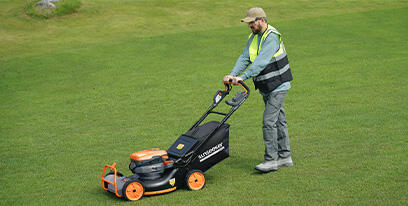
Choose a dry day when the leaves are crisp rather than damp. Dry leaves break into small pieces more easily, while wet leaves stick together and quickly form heavy mats. Before mowing, remove branches, rocks, and other debris that could damage the mower. Set the cutting height to your normal fall mowing height instead of lowering the deck. Grass still needs enough leaf blade to store energy before winter.
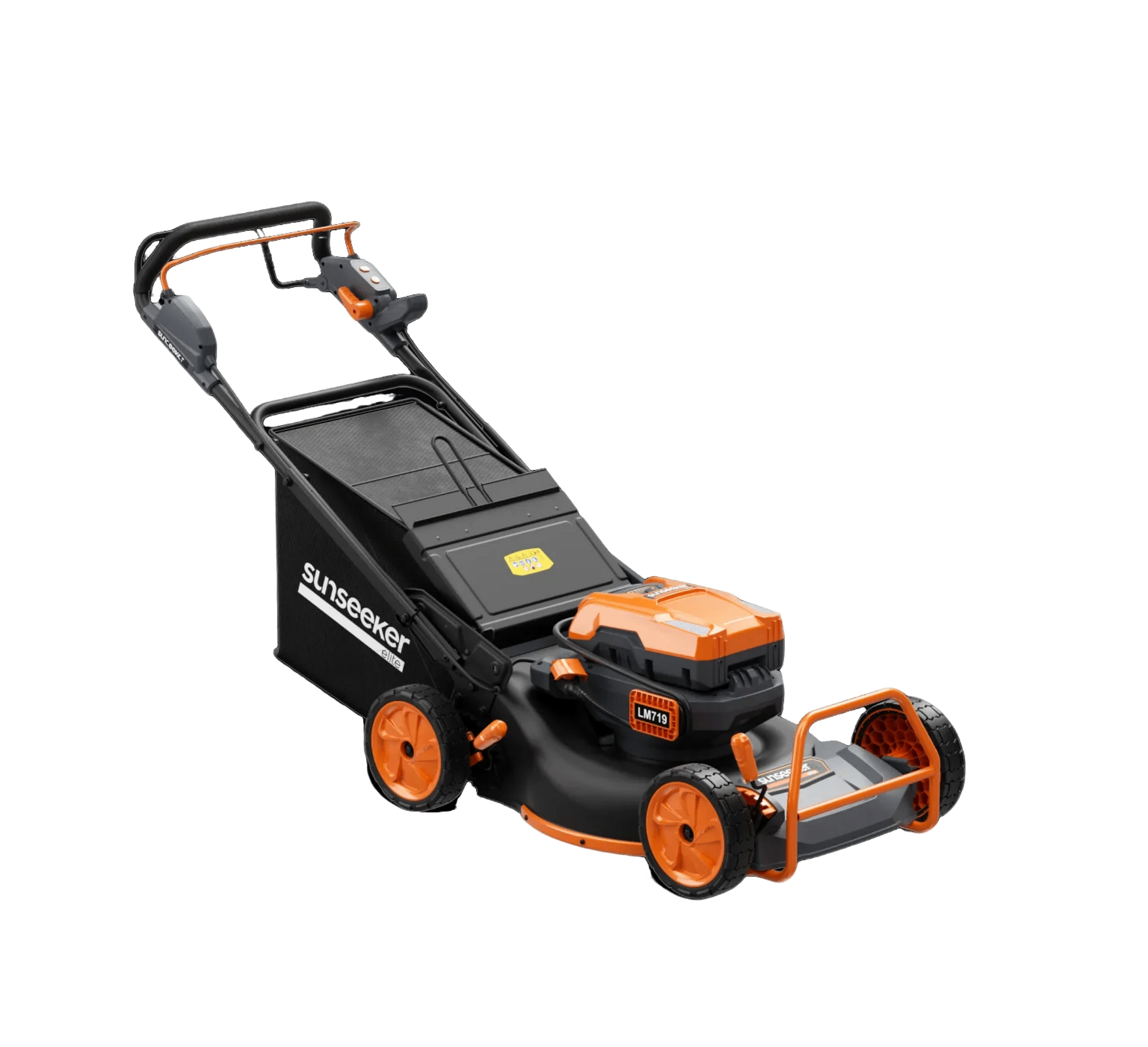
When choosing the best mulching lawn mower for fall leaves, look for a blade and deck setup that can keep airflow moving and cut dry leaves into small pieces without leaving heavy clumps. The goal is to leave small leaf pieces that settle between the grass blades instead of covering them. One slow mowing pass is often enough for a light layer of leaves. If larger pieces or clumps remain, mow again from a different direction. If the mower struggles or leaves long rows of debris, remove some of the leaves before continuing, rather than making repeated passes.
When you’re finished, most of the lawn should still be visible. Shredded leaf pieces should sit between the grass blades rather than covering them. If brown leaf fragments cover more of the surface than the grass, spread them more evenly or remove the excess. If you have leftover shredded leaves, use them around trees, shrubs, or garden beds instead of piling them back onto the lawn.
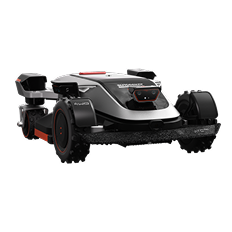
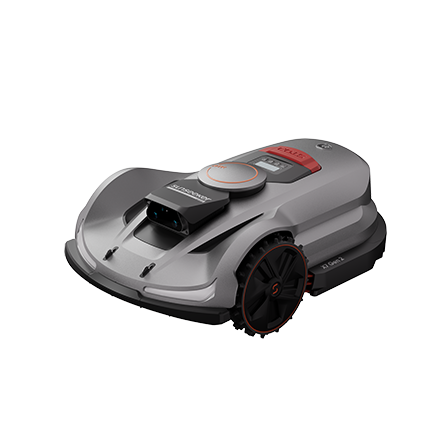
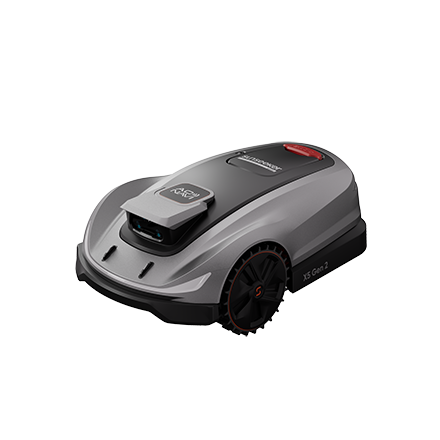
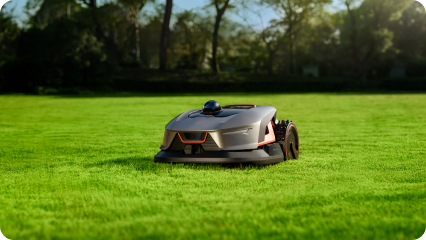
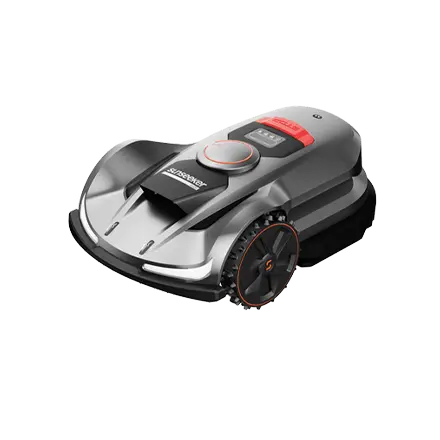
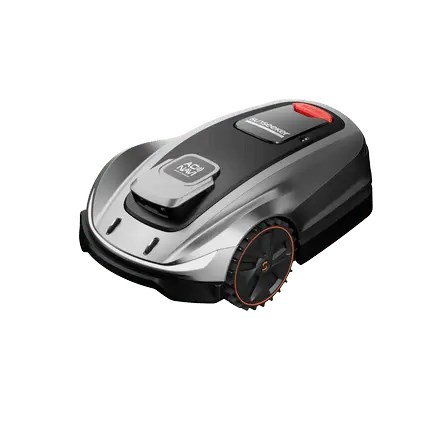
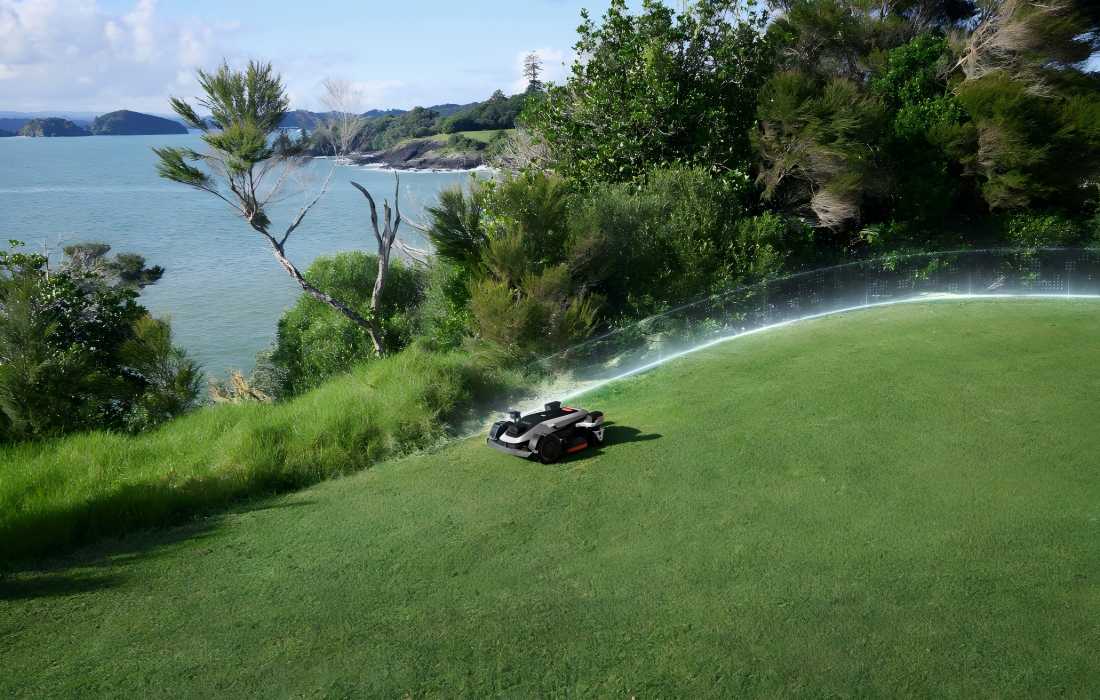
Regular mowing throughout the season makes leaf mulching easier. There will be less overgrown grass to trap fallen leaves. Keeping grass at a consistent height also helps shredded leaves settle more evenly across the lawn. If you prefer less manual mowing, a wireless robotic solution like the Sunseeker Elite X9 Plus offers a hands-free solution. The model uses wire-free navigation with AONavi technology, RTK positioning, VSLAM mapping, and virtual boundaries. Powered by an 8 Ah battery, it can even manage a large property up to 6 acres. Once scheduled, it operates continuously and autonomously. You only need to watch out for heavy seasonal leaf drops. Overall, wireless GPS robot mowers like this one offer a highly efficient, hands-free alternative if you want to eliminate the daily upkeep.
Both mulching and raking have their place in fall lawn care. For most yards, the best approach is a combination of both. You can mulch smaller leaf drops throughout the season, then rake or collect excess leaves after heavy storms or the final fall drop. For a yes-or-no choice, you can refer to the following roundups
Choose leaf mulching when:
Choose raking when:
Leaf mulching is one of the easiest ways to improve your lawn while reducing fall cleanup. However, it works best as part of a consistent lawn care routine rather than a once-a-year cleanup. If you’re looking to reduce routine mowing while keeping your lawn ready for seasonal maintenance, exploring different GPS robot mowers can help you choose a solution that fits your property size and mowing needs.
Leaf mulch can smother grass if the layer is too thick, wet, or made from large unshredded leaves. It may trap moisture, encourage fungal problems, and block sunlight from reaching the turf. Some leaves also break down slowly or alter soil conditions. Shred them finely and keep the layer thin enough to see grass blades.
Do not mulch when leaves form a dense mat, the lawn is already wet or diseased, or the grass has stopped growing for the season. Avoid mulching large volumes of tough leaves in one pass. Remove or compost excess material when shredded pieces cover more than about half the grass surface after mowing.
Grass can grow through a light layer of finely shredded leaves because the pieces settle between the blades and decompose. It will struggle under thick, wet, or whole leaves that block light and airflow. After mulching, the grass tips should remain clearly visible. Rake up excess material if the lawn looks buried or flattened.