




FAQs
6/25/2026
Contents
Products
Residential Lawns
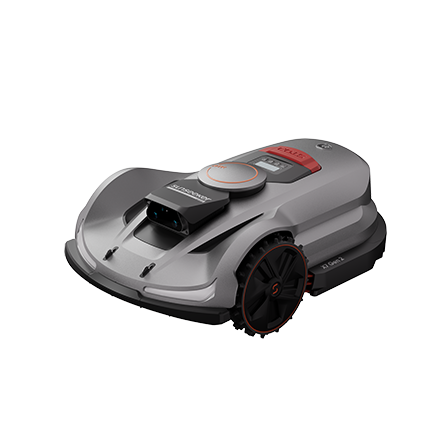



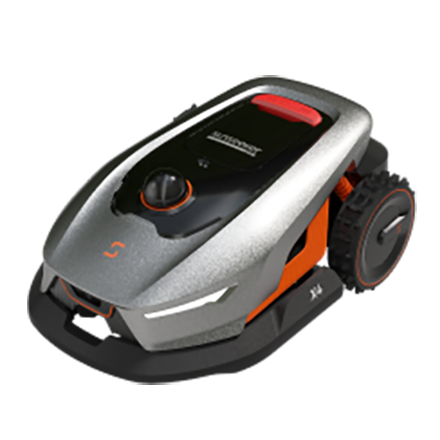



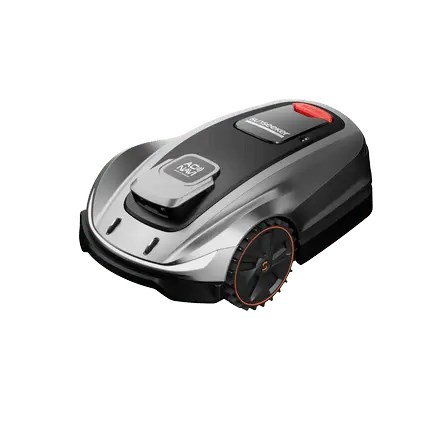

Explore
Where to Buy


Timing makes or breaks aeration. Aerate too early or too late, and your lawn struggles with weak roots and patchy growth. The solution is to match aeration with active growth periods: fall for cool-season grass, late spring to summer for warm-season lawns. So recovery happens fast and naturally.
When it comes to aerating, timing is everything. If you aerate too early or too late, your lawn may struggle to recover properly, often resulting in patchy growth and weak root development. So, when should you aerate your lawn? This guide offers the most comprehensive answers to help you get it right. You can discover the best timing, how different grass types affect aeration, the right methods to use, and how to care for your lawn afterward. Just read on to learn more!

Aeration is the process of creating small holes in the soil to improve the movement of nutrients and other resources. Generally, you need aeration for these reasons:
When to aerate a lawn depends primarily on your grass type and local climate. The key rule is simple: aerate when your grass is actively growing, so it can recover quickly and fill in any holes. Here’s a breakdown based on different lawn types:
Cool-season grasses (Kentucky bluegrass, tall fescue, perennial ryegrass, etc.) perform best during the cooler periods of spring and fall. The optimal time to aerate is late summer to early fall (usually August through October), when soil temperatures remain warm enough to support root recovery. This combination creates ideal conditions for roots to expand and strengthen before winter dormancy.
In some regions, early spring can serve as a secondary aeration window if fall was missed. However, fall remains the preferred timing because it allows for longer recovery and better overall lawn establishment. It’s important to avoid aerating during mid-summer, as excessive heat and drought stress can weaken the grass and slow recovery.
Warm-season grasses (including Bermuda, Zoysia, St. Augustine, etc.) thrive in hot weather and enter peak growth during late spring and early summer. The best time to aerate is late spring through early summer (May to June or early July), once the lawn has fully greened up and is actively growing.
Aerating during this vigorous growth phase encourages rapid recovery, allowing the grass to fill in quickly and perform strongly throughout the summer months. On the other hand, you should avoid aerating in late fall or winter, as warm-season grasses begin to enter dormancy during this period and lack the energy needed to repair and regenerate effectively.
The time of day also plays a meaningful role in successful aeration. The ideal window is early morning or late afternoon to early evening, when temperatures are cooler, generally around 55-75°F.
Morning aeration is particularly effective because overnight dew helps soften the soil, making it easier for aeration tools to penetrate the ground. Aerating later in the day, meanwhile, gives your lawn the advantage of recovering gradually overnight under cooler, less stressful conditions.
To protect your turf, it’s best to avoid the midday heat, as higher temperatures can dry out the soil quickly and place unnecessary stress on the grass during the aeration process.
Once you know when to aerate your lawn, the next step is selecting the right aeration method. There are three major methods, including core aeration, spike aeration, and liquid aeration, each designed for different lawn conditions, soil types, and maintenance needs.
Below is a breakdown of the most common aeration methods to help you decide what works best for your lawn:
Method | Pros | Cons | Best For | |
Core (Plug) Aeration | Removes small plugs of soil using hollow tines | Most effective; relieves deep compaction; improves long-term soil health | Leaves soil plugs on lawn; requires equipment or rental | Most lawns, especially clay or compacted soil |
Spike Aeration | Pokes holes into the soil without removing material | Easy, affordable, and DIY-friendly | Can increase compaction around holes over time | Light compaction, sandy soils |
Liquid Aeration | Uses soil-loosening solutions applied via spray | No physical disruption; easy application | Less immediate impact; results vary over time | Maintenance care, minor compaction issues |
Aside from timing and the right method, proper technique is essential to get the best results from aeration. Here’s a simple step-by-step guide:
Check for compaction by pushing a screwdriver into the soil. If it is difficult to insert 4-6 inches, aeration is needed. Also check thatch buildup; if the layer of dead grass is thicker than 0.5 inch, it’s a sign that air, water, and nutrients are being blocked, and aeration should be performed.
Mow the lawn shorter than usual (about 2 inches). If the soil is dry, water lightly 1-2 days before aerating. Mark sprinkler heads and remove debris to avoid damage.
Use a core aerator for best results (manual tools for small lawns, powered machines for larger areas). Ensure the soil is slightly moist but not soggy for easier penetration.
Make multiple passes in perpendicular directions for even coverage. Aim for holes spaced 2-6 inches apart and 3-6 inches deep. In high-traffic areas, overlap passes for better soil relief.
Do not remove soil cores. Let them dry and break down naturally, as they return organic matter and nutrients back into the soil.
Overseed and fertilize immediately after aeration for best results. Water thoroughly to help seed-to-soil contact and support recovery.
Post-aeration care is crucial for recovery and maximizing long-term benefits. Follow these tips to ensure a faster healing and healthier lawn.
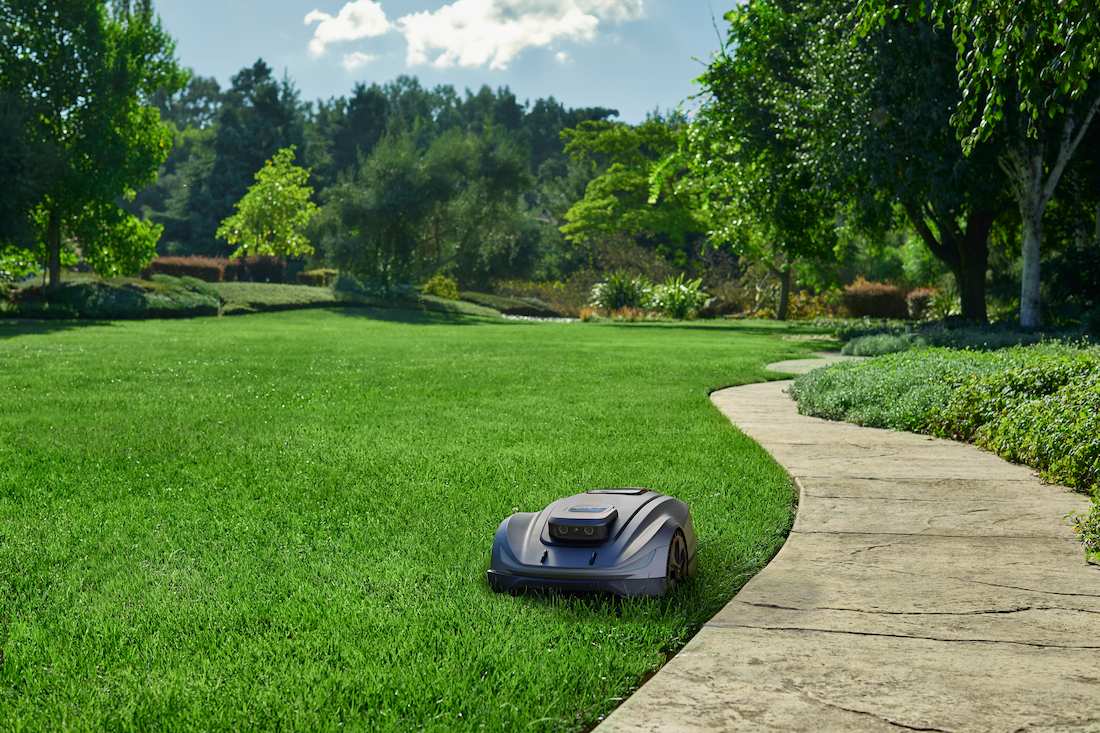
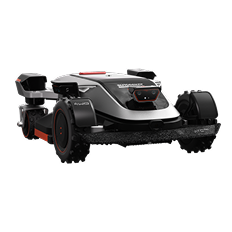
To take lawn care a step further, consider the Sunseeker Elite X5. This advanced robotic mower combines intelligent navigation with adjustable cutting heights (1.6-3.2 inches) to support your lawn’s recovery after aeration. With features like obstacle avoidance, scheduled mowing, and efficient coverage of complex layouts, it maintains consistent grass height without putting extra stress on the soil. As a result, new growth is encouraged, thatch buildup is gradually reduced, and overall lawn health improves. It’s a reliable long-term solution for maintaining a strong, resilient lawn.
When should I aerate my lawn? It mainly depends on your grass type and local climate. Timing is key—always aerate during active growth so your lawn can recover faster and develop stronger, deeper roots. At the same time, a proper aeration method ensures you can get the best possible results for your soil and lawn condition. For easier and more consistent lawn maintenance after aeration, consider smart robotic lawn mowers from Sunseeker. These mowers help maintain a steady cutting height, encourage even growth, and reduce unnecessary stress on the soil through frequent, lightweight mowing. Explore Sunseeker smart solutions to keep your lawn healthy and well-maintained all season long now!
Most lawns should be aerated once per year to maintain healthy soil structure and root growth. However, lawns with heavy clay soil, high foot traffic, or visible compaction may benefit from aeration twice per year, that is, once in spring and once in fall, depending on grass type and climate conditions.
Common signs include hard, compacted soil that is difficult to penetrate, water pooling after rain, thinning or patchy grass, and a weak response to fertilizing or watering. Excess thatch over 0.5 inch is another clear indicator. If your lawn sees heavy foot traffic, aeration is often needed more regularly.
Aerating too early means doing it before active grass growth begins. For cool-season grasses, avoid early spring when the lawn is still recovering from winter. For warm-season grasses, avoid early spring while still dormant. Always wait until the grass is actively growing so it can recover quickly and fill in aeration holes.