Many homeowners wonder if buying a lawn mower cover is necessary or an extra expense. This guide explains what lawn mower covers do, when it makes sense to use them, the different cover options available, and what to consider before making a purchase. Whether you own a push mower, riding mower, or robotic mower, the information below can help you make a practical decision.

What Does a Lawn Mower Cover Do?
A cover for lawn mowers serves several purposes beyond simply keeping it clean.
- Protect Against Rain and Moisture: Water exposure leads to rust on metal parts and may affect electrical components over time. A waterproof lawn mower cover helps keep moisture away during storage.
- Reduce UV Damage: Continuous sunlight can fade plastic surfaces, weaken rubber components, and affect painted finishes. A lawn mower tarp helps reduce direct UV exposure.
- Keep Dust and Debris Away: Dust, leaves, pollen, and dirt often accumulate on equipment stored outdoors or in open sheds. A mower cover minimizes buildup and reduces cleaning time.
- Deter Pests and Small Animals: Rodents and insects are likely to build nests under machinery. Heavy covers for mowers block access points, preventing mice from chewing through essential electrical wiring or blocking exhaust systems.
- Extend Equipment Lifespan: By reducing exposure to environmental elements, covers help preserve the condition of both external and internal components.
Do You Really Need a Lawn Mower Cover?
Whether a shield is necessary depends heavily on your storage setup and the specific machinery you use.
When You Do Not Need a Cover
- The mower is stored in a fully enclosed garage: If the environment is dry, clean, and protected from weather, a cover may offer only limited additional benefits.
- The mower is used frequently and stored indoors: Some owners prefer quick access and may find a cover unnecessary if storage conditions are already favorable.
- The mower is nearing the end of its service life: For older equipment that is rarely used, investing in a new cover may not provide significant value.
When You Absolutely Need a Cover
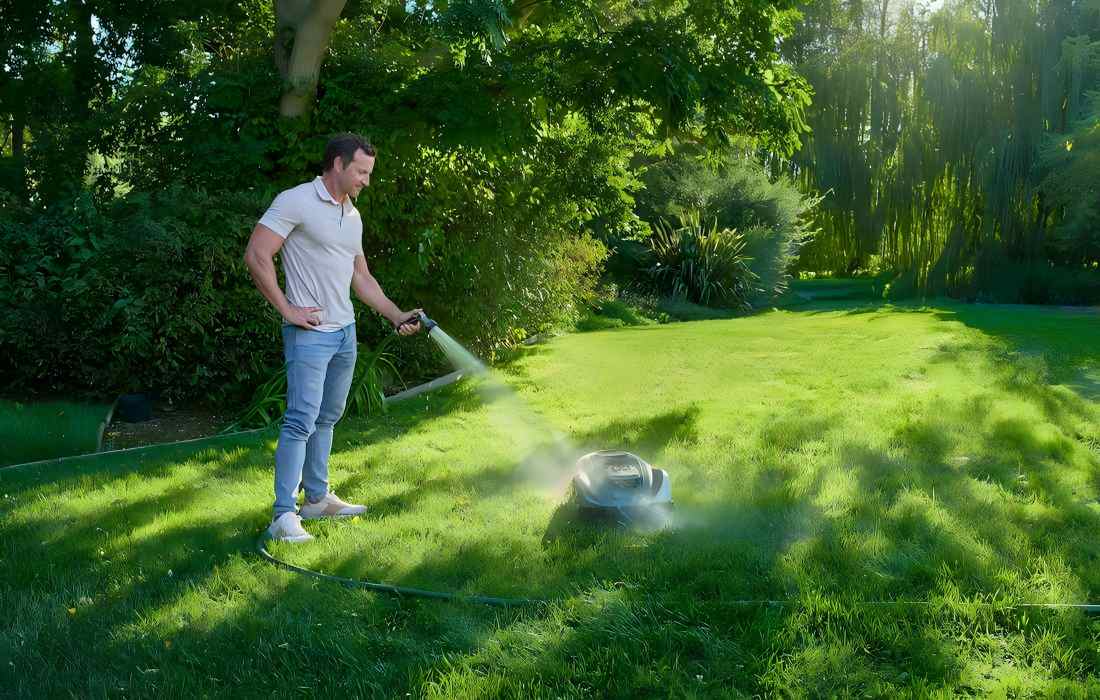
- The mower is stored outdoors: Dust, moisture, and wind-blown debris will reach the equipment easily if it stays on a patio, driveway, or other uncovered or partially enclosed storage area. A cover offers direct protection against the elements in these situations.
- You live in a region with frequent rain or snow: Weather exposure accumulates over time. A waterproof lawn mower cover can help reduce the impact of changing seasons.
- You own a riding mower: Compared to a push or self-propelled mower, a ride-on model is a greater investment. Seats, controls, and electrical components benefit from staying covered during storage. A riding lawn mower cover is worth considering to extend the service life in the long term.
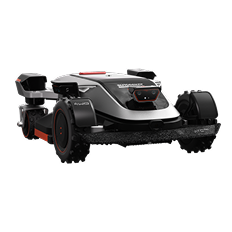
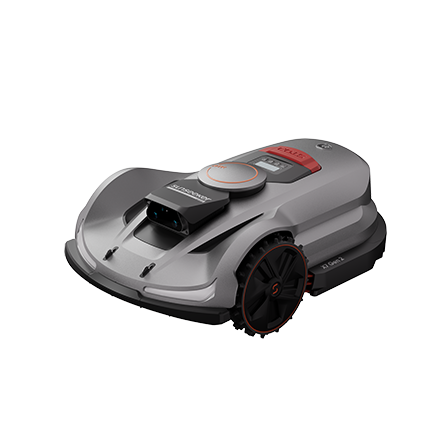
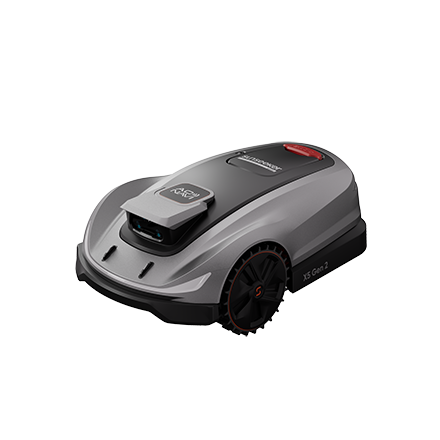
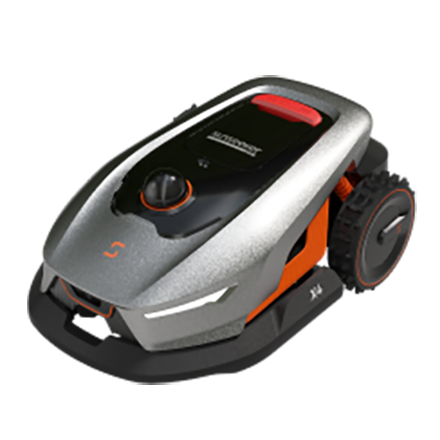
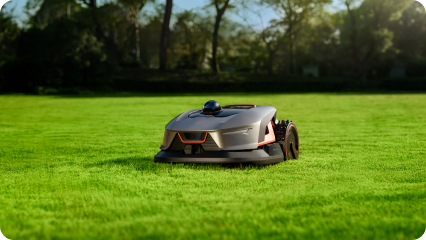
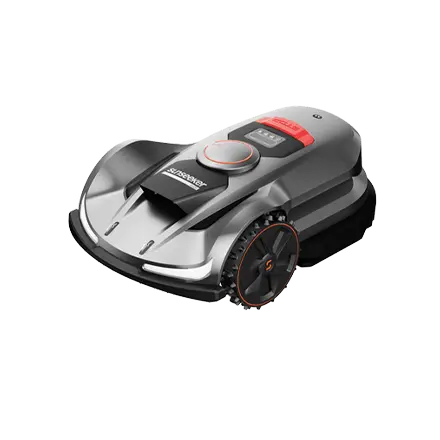
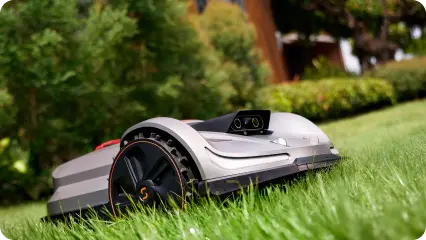
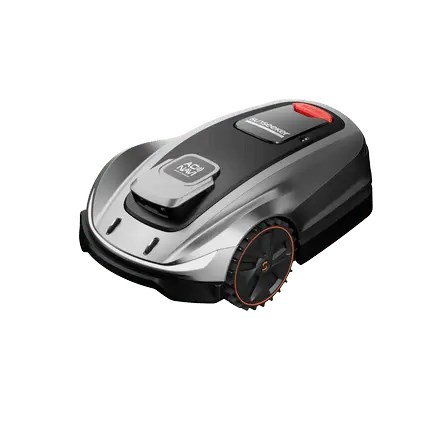
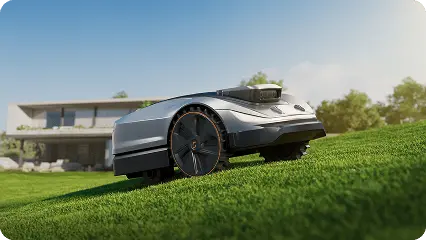
- You use a robotic mower: Unlike traditional equipment, many robot lawn mowers remain outdoors throughout the mowing season. This constant exposure to sunlight, heavy rain, and temperature fluctuations can challenge even the most durable machines. While advanced models like the Sunseeker Elite X5 feature built-in rain sensors and IPX5 weather-resistant housing to handle daily operation, an extra layer of protection is still highly beneficial. Utilizing a dedicated cover shields sensitive cameras, navigation sensors, and plastic components from UV fading and intense storms during docking hours. This ultimately preserves the machine’s long-term reliability.
Types of Lawn Mower Cover Options
Machine types and fabrics are the two common classification standards.
By Mower Types
The classification goes with the mower types and typically falls into the following:
- Push Mower Covers: Designed for standard walk-behind and self-propelled models, these options feature a compact, streamlined shape. They easily fit over the deck and wheels, with some designs allowing space for upright or folded handlebars.
- Riding Mower Covers: A riding mower cover is built with large dimensions to accommodate riding tractors and zero-turn models. These variants feature extra fabric bulk near the center to account for high-back seats, steering mechanisms, and wide cutting decks. They often include heavy elastic hems to secure the fabric around large rear tires.
- Robotic Mower Covers/Garages: These structures function more like miniature canopies or hard-sided stations rather than soft fabric blankets. They help protect charging stations and robotic units from direct sunlight, rain, and debris while allowing normal operation.
By Cover Materials
Polyester and Vinyl are the two mainstream materials for lawn mower covers.
- Polyester Mower Cover: Polyester is one of the most common cover materials. It is lightweight, durable, and often treated with water-resistant coatings. This makes it work well for general outdoor storage. Lightweight Polyester (210D to 300D) works best for indoor dust protection or short-term outdoor use. Marine-Grade polyester (600D or higher denier), also known as Oxford fabric, offers exceptional tensile strength and resistance to tearing. Many will select Oxford covers for year-round outdoor storage in areas with heavy snowfall or severe rainstorms.
- Vinyl Mower Cover: They are often applied to fabric backings to create an impenetrable water barrier. While highly effective at blocking heavy downpours, vinyl can trap moisture underneath if the design lacks proper airflow channels.
How to Choose the Best Lawn Mower Cover?
Selecting the best lawn mower cover requires evaluating specific features.
- Verify Exact Dimensions: Measure the length, width, and height of your machinery, including the discharge chute and handles. Avoid universal sizes that leave excess fabric dragging on the ground or fail to cover the lower wheels.
- Check for Air Vents: Interior moisture buildup causes metal components to rust even if external rain is blocked. Built-in mesh vents let condensation escape while keeping outside water from dripping inward.
- Look for Secure Fastening Systems: Wind can easily transform a large fabric sheet into a sail. Choose options equipped with heavy-duty drawstrings, elastic hems, or adjustable buckle straps that anchor the material to the wheels or frame.
- Assess Fabric Weight and Denier: Higher denier ratings (like 600D) indicate thicker threads and denser weaves. Heavy fabrics resist punctures from sharp twigs and handle high winds without tearing along the seams.
- Match the Cover to Your Climate: Areas with heavy rain, snow, or strong sunlight may require more robust protection than mild climates.
How to Use a Lawn Mower Cover Effectively?
Choosing a suitable mower cover is only part of the process. Proper use helps maximize its benefits.
1. Clean the mower before covering it, as dirt, grass clippings, and moisture can become trapped under the cover.
2. Covering a hot engine may create condensation. So, allow the mower to cool completely after use.
3. Dry the mower if it has been used in wet conditions. This helps reduce moisture buildup underneath the cover.
4. Secure all straps, buckles, or drawstrings during strong winds.
5. Inspect the cover periodically for tears or worn areas. Small damage can reduce protection over time.
6. Remove accumulated debris from the top of the cover. Excess leaves or standing water can shorten its lifespan.
7. Fold and store the cover properly when not in use. Keeping it dry also helps maintain material performance.
Common Mistakes to Avoid When Buying a Lawn Mower Cover
Many cover-related issues result from choosing the wrong product rather than the cover itself.
- Buying a Universal Cover: Not all mower covers are the same. Push mower covers, riding mower covers, and robotic mower shelters serve different purposes. You should also measure the size carefully before purchasing. A cover that is too small leaves parts exposed, while an oversized cover may collect water or flap in the wind.
- Ignoring Waterproof Ratings: Some covers are water-resistant rather than fully waterproof. This distinction becomes important for outdoor storage.
- Overlooking Ventilation: A completely sealed cover can trap moisture. Breathable materials help reduce condensation and mold growth.
- Skipping Local Weather and Maintenance: Climate affects cover requirements. Heavy rain, snow, and intense sunlight often demand stronger materials. Even high-quality covers require occasional inspection and cleaning. Neglect can shorten their useful life.
- Focusing only on Price: Low-cost covers may use thinner materials that wear out quickly. A slightly higher upfront investment often results in longer service life.
Conclusion
A dry, hard surface is safer for long-term storage. If you are unsure what counts as a lawn in this
FAQs
Should a lawn mower be covered?
In many situations, yes. Covering a lawn mower helps protect it from rain, UV exposure, dust, and debris. This is particularly useful when the mower is stored outdoors or in partially enclosed spaces where weather and environmental conditions can affect equipment over time.
Do lawn mower covers work?
Yes, lawn mower covers help reduce exposure to moisture, sunlight, dirt, and other environmental factors. While they do not eliminate all wear, they can help maintain the mower’s appearance and protect important components during storage.
Should I cover my lawn mower in winter?
Winter protection is highly recommended in winter. A waterproof cover combined with proper seasonal storage practices can reduce rust and weather-related damage during long periods of inactivity.