





FAQs
8/1/2026
Contents
Products
Residential Lawns









Explore
Where to Buy


Redoing a lawn works best when you remove weak growth, correct soil problems, choose suitable seed or sod, and protect new roots during establishment. The process needs steady watering and careful mowing, but it can turn compacted, patchy, weed-filled grass into a thicker, more resilient lawn.
A lawn can look beyond saving after years of thin grass, weeds, bare soil, pet damage, drainage problems, or repeated summer stress. You may patch the same spots again and again, only to see weak areas return a few weeks later.
If you are trying to understand how to redo a lawn, the goal is not to hide old problems under fresh seed. A successful renovation starts with diagnosis, moves through soil preparation, and continues with careful aftercare. The sections below keep the job practical, so you can decide when a full redo is worth it and how to rebuild the lawn properly.
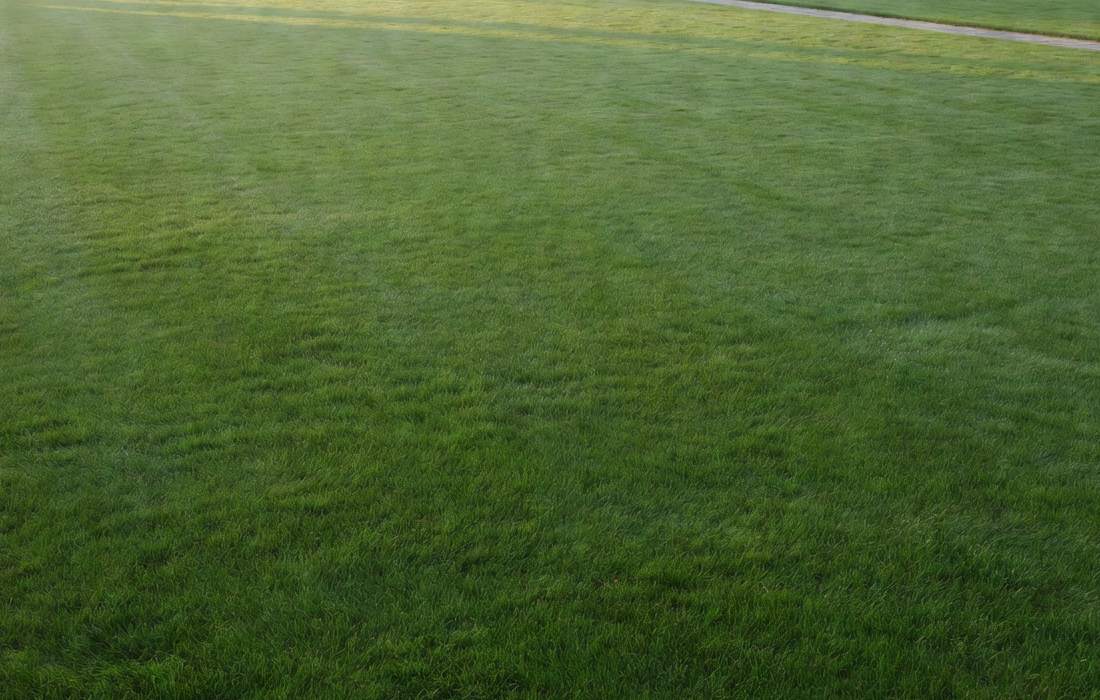
A full redo makes sense when the existing grass has too many failing areas for spot repair to be efficient. Before removing everything, compare the amount of healthy turf with the amount of thin, bare, or weedy ground.
If more than about 40% to 50% of the lawn is damaged, compacted, covered in weeds, or uneven, renovation often gives better results than patching. It is also worth redoing the lawn when the grass type does not match the site, such as sun-loving grass in heavy shade or a low-traffic mix in a yard used by kids and pets. Repair is still fine for small bare spots, a few urine marks, or short-term drought stress. A redo is the stronger choice when the same problems keep coming back because soil, drainage, thatch, or grass selection has not been fixed.
A new lawn only performs as well as the conditions beneath it. Check the soil, drainage, weed pressure, thatch, light, and grass choice before buying seed or sod.
Push a screwdriver 4 to 6 inches into the ground. If it barely enters, the soil is probably compacted. Dig a small test hole and look for heavy clay, standing water, sour odor, or roots trapped near the surface. If puddles stay longer than 24 hours after rain, drainage needs attention before planting. A soil test is also useful because many lawns grow best around pH 6.0 to 7.0, although the right range depends on grass type. Testing helps you avoid guessing with lime, compost, or fertilizer.
Look closely at what is already growing. If weeds cover large areas, control or remove them before seeding because young grass competes poorly with mature weeds. If you use herbicide, follow the label’s waiting period before planting. Check thatch by cutting out a small turf wedge. A spongy layer thicker than about 1/2 inch can block water and seed contact, so rake or dethatch before you renovate.
Seed costs less and gives more grass-type options, but it needs several weeks of steady moisture and protection. Sod gives instant coverage and helps reduce erosion, though it costs more and still needs time to root. Choose based on budget, slope, timing, and yard use. Cool-season grasses usually establish best in mild weather when soil is warm. Warm-season grasses need consistently warm soil, often late spring through early summer.
The best renovation process follows a clear order. Good clearing improves soil contact, soil preparation supports roots, and careful watering protects the investment after planting.
Mow the lawn short first, usually around 1.5 to 2 inches, so it is easier to see the ground. Remove leaves, sticks, stones, dead grass, and thick weed mats. If you are replacing the whole lawn, remove old turf with a sod cutter, shovel, power rake, or approved non-selective herbicide. Bag or rake away debris instead of mixing weed crowns or seed heads into the soil.
Loosen the top 3 to 6 inches of soil. Core aeration can help compacted areas, while shallow tilling may help when the surface is severely hard or uneven. Avoid aggressive tilling near tree roots, irrigation lines, or buried cables. Add screened topsoil to shallow dips, rake high spots down, and remove stones larger than about 1 inch. The finished surface should be smooth and firm enough to leave only shallow footprints.
Use a soil test to guide amendments. Compost can improve sandy or clay soil when mixed lightly into the top few inches. Lime may help acidic soil, and sulfur may help soil that is too alkaline, but only apply them when testing shows a need. Starter fertilizer can support new roots if the product fits your grass and local rules. Apply at the label rate. Extra fertilizer can burn seedlings, feed weeds, or wash away.
For seed, spread half in one direction and half at a right angle for even coverage. Lightly rake so seed rests in the top 1/8 to 1/4 inch of soil, then press it into place with a lawn roller or gentle foot pressure. For sod, lay pieces tightly in a staggered pattern, trim around curves, and roll after installation so roots touch the soil underneath.
Water immediately after seeding or sodding. Seed usually needs light watering two to four times per day during hot, dry, or windy weather until germination begins. Sod needs deeper watering that moistens the soil below each piece. Use straw or a seed blanket on slopes, and keep people, pets, and equipment off the area until roots are strong.
After planting, the lawn is still fragile. The first few weeks decide how evenly the grass roots, how quickly thin areas fill in, and how well the surface handles future mowing.
New seed usually needs consistent moisture for 7 to 30 days, depending on grass type and weather. Perennial ryegrass may germinate quickly, while Kentucky bluegrass can take longer. Keep the top inch damp, not muddy. After germination, reduce watering frequency gradually and water more deeply. This encourages roots to move lower, which helps the lawn handle heat and normal use.
Wait until new grass reaches about one-third taller than the planned mowing height. For many lawns, that means mowing when seedlings reach 3 to 4 inches, then removing only the top inch. Use sharp blades, avoid wet soil, and turn gently. For sod, wait until roots resist a light tug before the first cut.
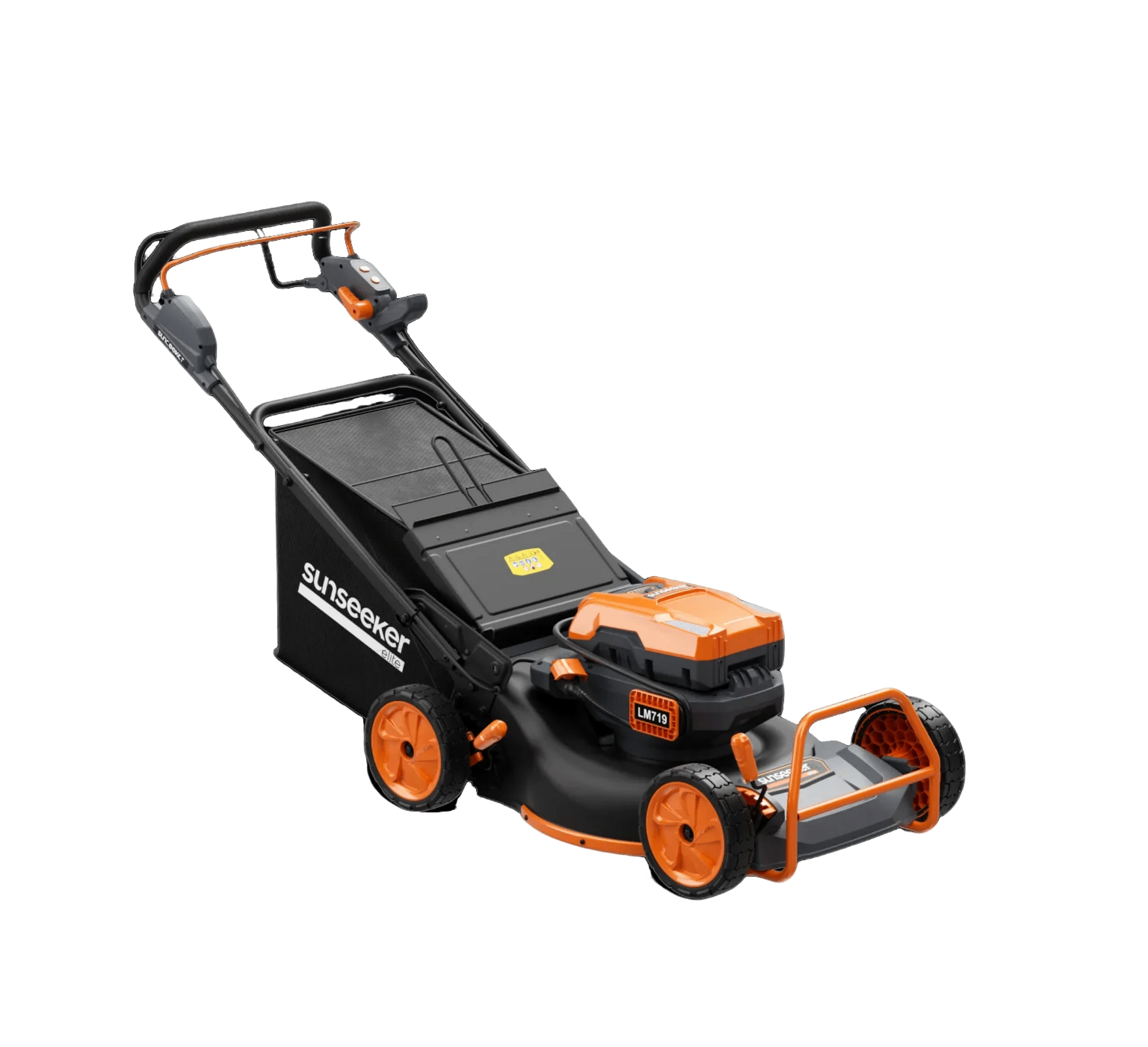
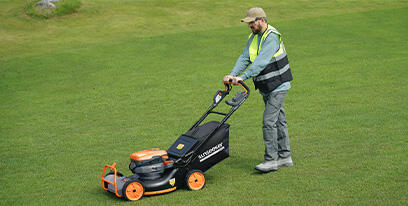
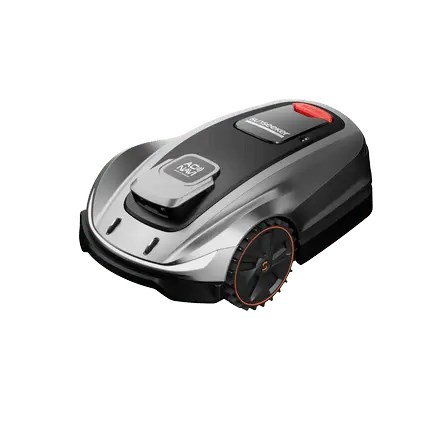
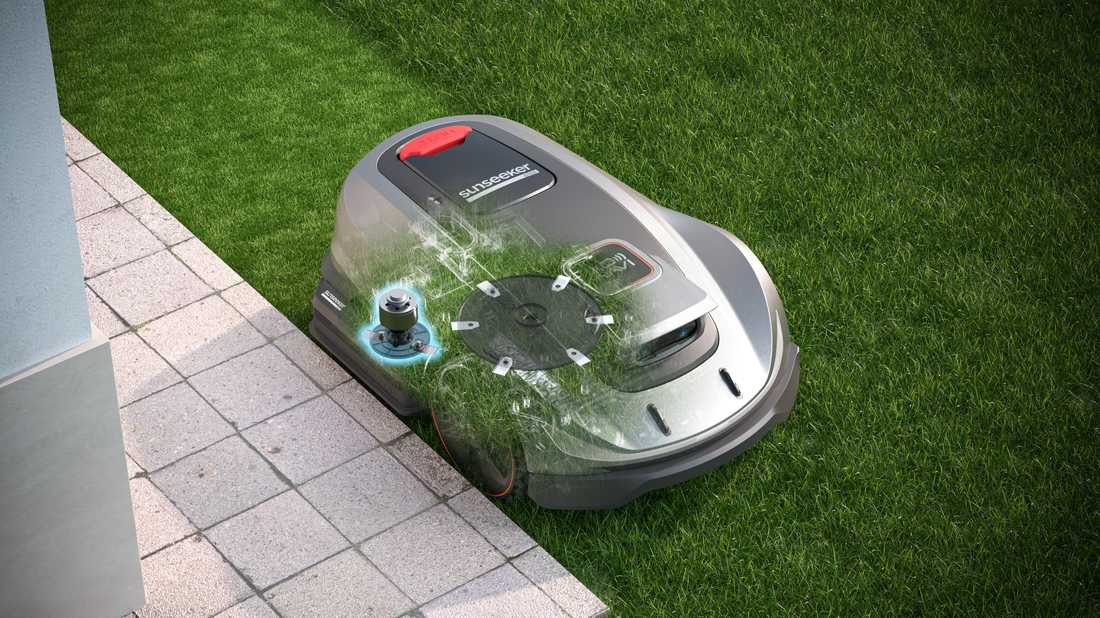
Once the lawn is established enough for routine light mowing, the Sunseeker Elite X7 Plus Gen 2 can help maintain a steadier cut on larger or uneven yards. Its AONavi navigation and all-wheel-drive traction are most useful after new grass is rooted, because regular trimming supports density without forcing young turf to recover from heavy cuts.
Keep children, pets, furniture, and heavy equipment off new grass as much as possible for the first few weeks. Young roots pull out easily, and repeated traffic can create thin paths. Do not rush weed control either. Many herbicides are not safe for new seedlings until after several mowings. Pull large weeds by hand when soil is moist, or spot treat only when the label allows it.
Most renovation failures come from skipping preparation or pushing the new lawn too hard too soon. These mistakes are especially common when homeowners search how to redo my lawn and try to finish the job in one weekend.
Timing matters too. Redoing a lawn during extreme heat, drought, frozen soil, or heavy rain makes establishment harder. Pick a season when the chosen grass type is actively growing and you can water consistently.
Learning how to redo a lawn is about rebuilding the growing conditions, not covering old problems. Clear weak turf, fix soil and drainage, plant evenly, and protect the area until roots are strong. Once the lawn is established, steady mowing, deep watering, and careful weed control help keep it thick. For ongoing maintenance on challenging yards, Sunseeker’s AWD Robotic Mowers offer a practical way to keep regular trimming more consistent without making mowing the center of every weekend.
You can add a thin layer of screened topsoil before reseeding, but do not bury living grass deeply. Around 1/4 inch can improve seed contact in thin areas. If the lawn is mostly dead, weedy, or compacted, remove debris and prepare the soil first.
A small DIY reseeding project may cost around $100 to $500 for seed, soil, compost, and basic tools. A larger renovation with sod, grading, irrigation repairs, or professional labor can reach $2,000 to $8,000 or more. Yard size and soil condition drive the final price.
Throwing seed over existing grass rarely gives even results because much of the seed never reaches soil. For overseeding, mow short, rake debris, loosen bare areas, and spread seed evenly. Good seed-to-soil contact and steady moisture are what help new grass establish.