





FAQs
7/25/2026
Contents
Products
Residential Lawns





Explore
Where to Buy


Lawn grubs feed on grass roots, so confirm they are present before treating. Control works best when grubs are small and close to the surface. After treatment, repair bare spots with soil preparation, seed, steady moisture, and better long-term lawn care.
A soft brown patch near the patio can look like heat stress at first. Then another appears by the driveway, the turf lifts like a loose rug, and birds or raccoons begin digging where the roots have weakened. Grub damage is easy to miss because the insects feed below the surface before the lawn shows clear signs.
Before choosing a treatment, knowing how to check for grubs in your lawn helps confirm that the larv
Lawn grubs are the young larval stage of beetles, often Japanese beetles, June beetles, masked chafers, or similar beetles. They live in the soil and feed on turf roots. When the roots are chewed, grass cannot take up enough water and nutrients, so the surface may turn yellow, brown, or thin.
Most grubs look like white or cream-colored worms curled into a C shape. They usually have a brown head and tiny legs near the head. A few grubs are not always a disaster. Many lawns tolerate a small number, but weak or drought-stressed turf may show damage faster.
Brown grass alone is not proof of grubs. Drought, fungus, dull mower blades, compacted soil, fertilizer burn, and pet urine can all create patchy areas. Look for several signs, then inspect the soil.
Common signs include:
To confirm the problem, cut three sides of a 1-square-foot section of turf in a damaged area. Peel it back and count the grubs. If you find about 5 to 10 grubs per square foot in stressed turf, treatment may be reasonable. Many people ask what kills grubs in lawn, but the better first step is proving grubs are the cause.
Timing is one of the biggest factors in grub control. The easiest grubs to kill are young, small, and feeding near the surface. Older grubs are tougher, and many treatments work poorly once they move deeper or pupate.
In many regions, the main treatment window is late summer into early fall, often around July through September. Adult beetles lay eggs during warm months, and young grubs begin feeding near the root zone. That is when they are easier to reach with insecticide or biological treatments.
Spring treatment can help in some cases, but it is often less reliable because spring grubs are larger. If damage appears in spring, a labeled curative product may reduce active feeding, but prevention for the next cycle is usually planned for early to midsummer.
Once active grubs and real root damage are confirmed, getting rid of grubs in the lawn depends on reaching the root zone at the right life stage. A labeled curative insecticide can be the fastest option for severe active damage, and the steps below explain how to apply treatment carefully.
Lift several small turf sections instead of checking only one patch. Grubs often gather in hot spots, so one sample may mislead you. Count the larvae, look at root damage, and compare the results with the overall health of the lawn. If you only find one or two grubs, treatment may not be needed.
For active damage, choose a curative product labeled for white grubs in lawns. For recurring yearly problems, a preventive product may be used earlier in the season to target young larvae. Check the package carefully and follow local rules.
Mow before applying a granular or spray treatment, but avoid scalping the grass. Remove heavy leaf litter and debris so the product can reach the soil. Keep children and pets off the lawn for the period listed on the label.
Use a spreader for granular products and follow the listed rate. Overapplying does not improve control. For liquid products, mix only the amount needed. Spot treatment is often enough if damage is limited to a few confirmed zones.
Most grub products need water to move into the soil where the larvae are feeding. A common target is about 1/2 inch of water after application, unless the label gives a different amount. The goal is to carry the material below the thatch layer and into the top few inches of soil.
Do not expect dead patches to turn green overnight. The treatment may stop feeding, but damaged roots need time to recover. Recheck the soil after 10 to 14 days if activity continues. If grubs remain in high numbers, contact a local extension office or licensed lawn professional.
Some homeowners prefer to reduce chemical use or treat early before damage becomes severe. Natural options can help, but they need patience, correct timing, and good soil moisture. They are not always the fastest answer for a badly damaged lawn.
Beneficial nematodes are one of the most useful natural choices. These microscopic organisms move through moist soil and target grubs. They usually perform best when soil is warm, often above about 55 ℉, and when the lawn is watered before and after application. Apply them in the evening or on a cloudy day because heat and direct sunlight can reduce survival.
Milky spore is another option, but it is mainly aimed at Japanese beetle grubs and works slowly. It may take more than one season to build up in the soil, so it is better viewed as long-term support rather than quick rescue.
Cultural control also matters. Avoid keeping the soil constantly wet during beetle egg-laying periods, because moist soil can favor grub survival. Water deeply when the lawn needs it, then let the surface dry between watering sessions.
Killing grubs stops the root feeding, but it does not instantly rebuild the lawn. If roots are gone, dead turf must be removed and replaced with new growth. Repair is often easiest in early fall for cool-season grasses or during active growth for warm-season grasses.
Start by raking away loose dead grass. If the soil is compacted, loosen the top 1/4 to 1/2 inch with a rake so seed can touch soil. Add a thin layer of compost or quality topsoil only where needed. Choose seed that matches your lawn type, then spread it evenly over bare areas.
After seeding, keep the topsoil consistently damp until germination. This may mean light watering once or twice a day in warm, dry weather. After seedlings are established, shift to deeper, less frequent watering. Wait to mow repaired areas until new grass reaches the recommended mowing height, often around 3 to 4 inches for many cool-season lawns.
If damage is severe and large sections lift completely, sod may be faster than seed. Still, treat the grub issue first. New sod placed over active grubs can fail before it roots.
Prevention is not about creating a lawn with zero insects. It is about growing turf that can handle normal pest pressure and making the yard less inviting for heavy beetle egg-laying. Strong roots, correct mowing, and careful watering all help.
Keep grass at the higher end of the recommended mowing height for your species. Taller grass shades the soil, supports deeper roots, and handles stress better. Avoid removing more than one-third of the grass blade at a time. Fertilize based on the needs of your grass and soil, not on guesswork.
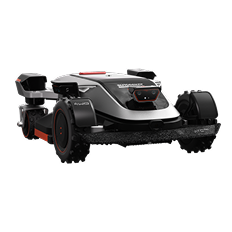
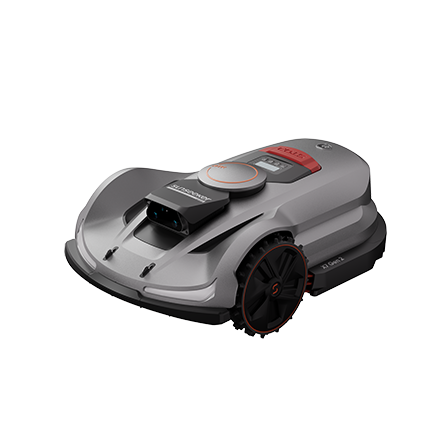
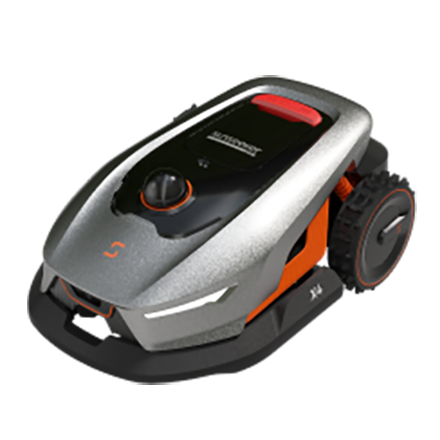
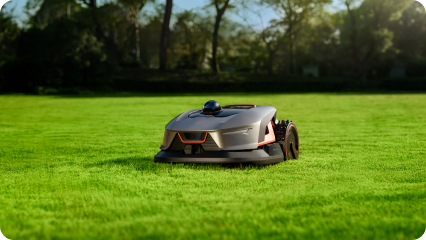
After grub damage is repaired, consistent mowing makes it easier to spot new weak patches early. In a maintained lawn, Sunseeker Elite X4 can support that routine with 360-degree 3D LiDAR plus Vision AI, automatic 3D lawn mapping, and app-based zone control, so regular cutting is easier to keep on schedule after the turf has recovered.
Also watch known hot spots. If the same area had grubs last year, inspect it again during late summer. Limit unnecessary irrigation during beetle egg-laying periods, reduce excessive thatch, and repair thin grass quickly.

Learning how to kill grubs in lawn starts with proof, not panic. Check the soil, count the grubs, treat active infestations at the right time, and water products in as directed. Then repair bare areas with seed or sod and rebuild stronger roots. Long-term prevention depends on steady mowing, balanced watering, and regular inspection. If you want easier routine care after the lawn recovers, you can also explore Sunseeker Elite Robot Lawn Mowers without Perimeter Wires for wire-free mowing support.
The fastest method is usually a curative lawn insecticide labeled for active white grubs, applied when grubs are near the root zone and still feeding. Confirm the infestation first, apply the correct rate, and water it in. If damage is severe, repair the grass after grub activity stops.
Dish soap is not a reliable grub control treatment. Some people use soapy water to irritate grubs and bring them closer to the surface, but it does not solve a serious infestation. It can also stress grass if used too strongly. Use proper inspection and labeled controls instead.
Adult beetles often lay eggs in moist, healthy turf during warm months. Overwatering, thick thatch, and repeated beetle activity nearby can raise the risk. Grubs may also return to the same lawn hot spots year after year, so inspect those areas before damage spreads.