




FAQs
6/30/2026
Contents
Products
Residential Lawns








Explore
Where to Buy


Grubs live under the soil and feed on grass roots. First confirm the problem, then treat at the right time and repair weak turf. Small grub numbers are normal, but loose brown patches, animal digging, and visible larvae mean the lawn needs quick care.
If your lawn feels loose underfoot or a green patch suddenly turns brown even with enough rain or watering, grubs may be feeding below the surface. But before you treat the lawn, it is better to check first. Treating without confirming the problem can waste money and may also disturb helpful soil life.
In this guide, we will walk through how to spot live grubs, check how serious the problem is, choose the right control method for the season, and repair damaged grass so your lawn can grow back stronger.
Before choosing a treatment, it helps to understand what are grubs in the lawn. Lawn grubs are the soft, C-shaped larvae of beetles such as Japanese beetles, June beetles, and chafer beetles. They live in the soil near the root zone and feed on grass roots and organic matter.
A few grubs per square foot do not always mean disaster. Healthy grass can tolerate low numbers. The problem starts when there are enough grubs to weaken the roots faster than the lawn can recover.
So, what do grubs do to your lawn? They cut the grass off from its root system. The turf can no longer take up enough water and nutrients, so it turns yellow or brown in uneven patches. Damaged grass may pull up like a loose rug. Grubs also attract skunks, raccoons, birds, and moles that tear into the lawn looking for food.
Grub damage can look like heat stress, fungal disease, pet urine, or compacted soil. The best way to avoid guessing is to check both the grass and the soil. Surface signs matter, but the root zone tells the real story.
If you are asking what does a lawn with grubs look like, watch for these signs, especially in late summer or early fall:
To confirm the issue, cut a 12-inch by 12-inch square at the edge of a damaged patch and peel it back. Count the grubs in that square foot. One or two may not need treatment. Six or more, combined with visible damage, is usually a stronger reason to act. This check also helps anyone searching what are grubs in lawn see the pest instead of relying on surface symptoms alone.
Once you have checked the soil and confirmed that grubs are the real problem, the next step is choosing the right treatment. The best method depends on how many grubs you find, what time of year it is, and whether you want a natural option or a faster control product.
Natural grub control is a good choice when the problem is still mild or when you want to protect helpful insects and soil life as much as possible. These methods usually work best when grubs are young and close to the soil surface.
Beneficial Nematodes
Beneficial nematodes are tiny living organisms that move through the soil and attack grubs. They are a good natural choice when young grubs are active near the grass roots, usually in late summer or early fall.
To use them, water the lawn first so the soil is moist. Mix the nematodes with water according to the package directions, then apply them with a sprayer or watering can. After application, water the area again and keep the soil lightly moist for about one to two weeks.
Milky Spore
Milky spore is often used for Japanese beetle grubs. It does not work overnight, but it can build up in the soil and help reduce grub problems over time.
To apply it, follow the product directions and spread it across the affected lawn area. Water it into the soil after application. Since milky spore works slowly, it may need more than one application and is best used as a long-term control method.
Neem Oil
Neem oil can help with small grub problems, especially when grubs are still young. It works by affecting how they feed and grow, rather than killing them instantly.
To use it, dilute the neem oil as directed on the label. Spray or water it over the affected area so it reaches the soil surface. Reapply if needed, especially after rain or heavy watering.
Diatomaceous Earth
Diatomaceous earth may help in small, dry areas with light grub activity. It works best when conditions are dry, because water can reduce its effect.
To use it, lightly spread food-grade diatomaceous earth over the affected patch. Avoid applying it before rain or heavy irrigation. Reapply after the area gets wet, and use it mainly for small spots rather than a large infestation.
Chemical treatments are a better choice when the grub problem is more serious or when natural methods are not enough. Use them only after you have checked the soil and found active grubs, because treating blindly can waste product and may affect helpful insects.
For prevention, apply a grub control product in late spring or early summer before young grubs start feeding heavily. Products with ingredients such as chlorantraniliprole or imidacloprid are often used for this purpose. Spread the product evenly over the lawn, then water it in so it can move down to the root zone.
If grubs are already active and causing brown patches, you may need a curative product. These are usually used in late summer or early fall, when grubs are still near the surface. Products with trichlorfon are commonly used for active grub problems because they work faster than preventive treatments.
Always read the label before applying any chemical treatment. Use the correct amount, follow local rules, and keep children and pets away from the treated area until it is safe. After treatment, watch the damaged spots and repair thin or dead grass so the lawn can grow back strong.
After grubs damage the roots, the lawn may stay brown even after the pests are controlled. Repair rebuilds turf density, reduces bare soil, and helps stop weeds from filling the open space.
Rake away dead, loose grass until you reach firm soil. If the surface is compacted, loosen the top 1 to 2 inches with a rake or garden fork. Add a thin layer of compost or quality topsoil if the area is uneven, but do not bury nearby healthy grass crowns.
For small bare patches, reseed with a grass type that suits your region. Press the seed into the soil for good contact, then cover lightly with straw or a thin seed-starting layer. Keep it evenly moist until it germinates. Many cool-season grasses sprout in 7 to 21 days, depending on seed type and temperature. Warm-season lawns may need seed, plugs, sprigs, or sod.
Avoid heavy foot traffic until the new grass is strong. Wait until seedlings have been mowed two or three times before normal use. Use a sharp blade and cut no more than one-third of the grass height at once.
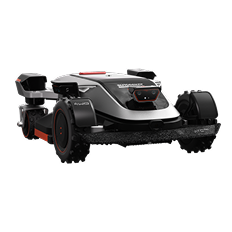
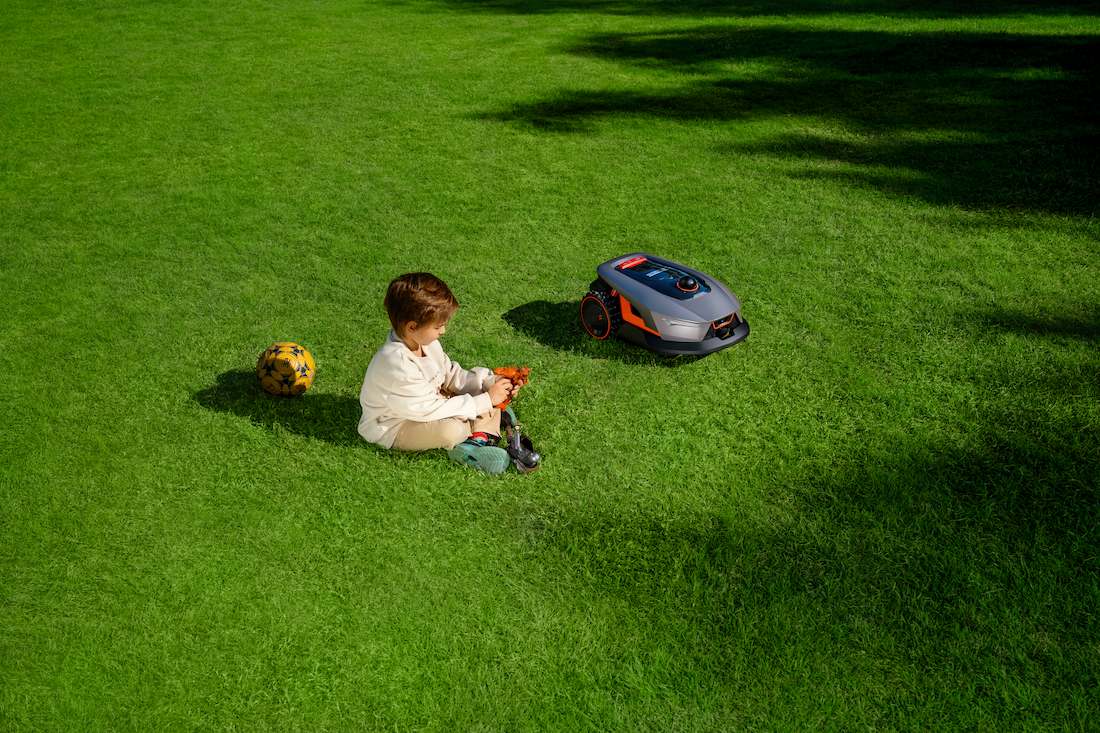
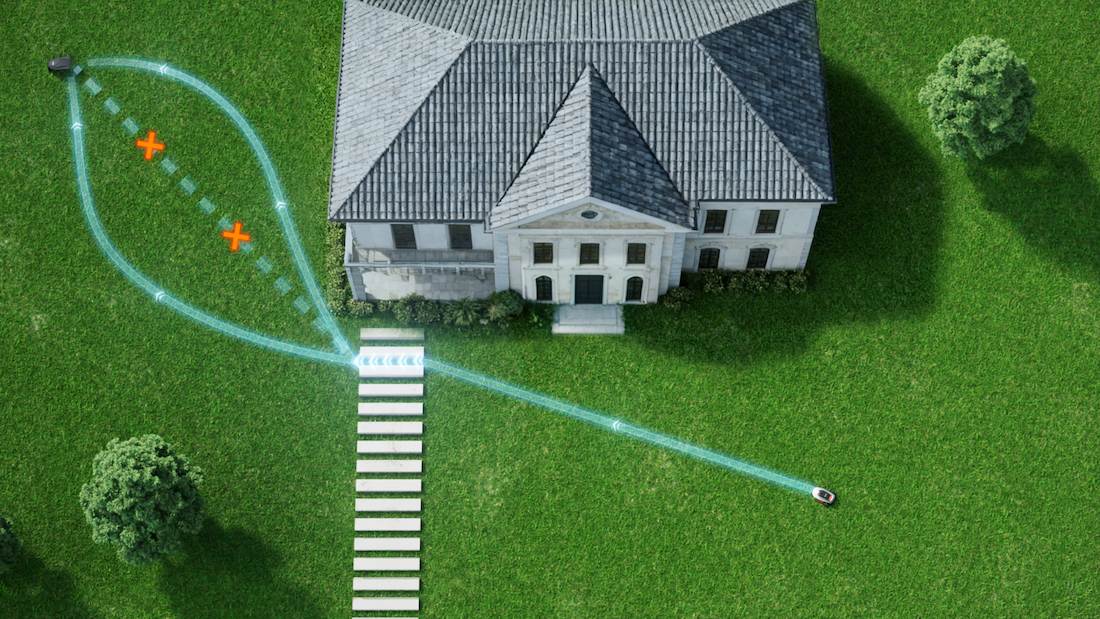
Steady mowing also helps repaired turf settle into a healthier rhythm. A smart machine such as the Sunseeker Elite X4 can keep grass trimmed with app control, intelligent route planning, virtual boundaries, and obstacle detection, which helps reduce sudden stress caused by overgrown or unevenly cut grass.
Prevention is easier than repairing large dead patches. You cannot stop every beetle from entering your yard, but you can make the lawn stronger and catch early grub activity before it spreads.
A robot lawn mower can support this routine by keeping the lawn height more consistent across the season. It will not kill grubs, but regular cutting can reduce lawn stress, make color changes easier to spot, and help repaired areas blend in more evenly.
Grubs are frustrating because the damage begins below the surface. Once you know how do you get rid of lawn grubs, the plan becomes simple: confirm the pest, treat at the right time, repair damaged roots, and keep the lawn strong afterward. Consistent watering, proper mowing, and regular inspection all help. For easier long-term upkeep, Sunseeker products can also support a steadier mowing routine without adding more manual work.
No treatment kills every grub instantly in every lawn. Curative grub products can work faster than preventive options when active grubs are feeding near the surface, but results still depend on timing, watering, and label directions. Natural options usually take longer and are better for lighter infestations.
First confirm that grubs are present, then treat if the count is high enough. After that, rake away dead turf, loosen the topsoil, add compost if needed, and reseed or patch with sod. Keep the area moist and avoid heavy use until the new grass is well rooted.
Adult beetles lay eggs in lawns that offer suitable soil, moisture, and grass roots for larvae. Overly wet areas, stressed turf, thick thatch, and past beetle activity can raise the risk. A strong lawn does not block every grub, but it handles minor feeding better.