



FAQs
7/25/2026
Contents
Products
Residential Lawns


Explore
Where to Buy


Geese usually choose lawns because they offer short grass, open views, easy walking, and nearby water. The best control plan removes food, adds movement and barriers, changes the lawn edge, and uses safe repellents. Avoid harming birds, nests, or eggs, and call a professional when nesting or aggressive behavior appears.
If unfamiliar dogs also enter the property, treat that as a separate boundary issue; keeping dogs off your lawn requires pet-safe deterrents or access controls, because a resident dog's presence will not reliably deter other dogs.
Geese are not random guests. They choose lawns for clear reasons, so the right fix is usually a mix of small changes rather than one dramatic trick. Below, the problem is broken into practical steps that protect the lawn without hurting wildlife.
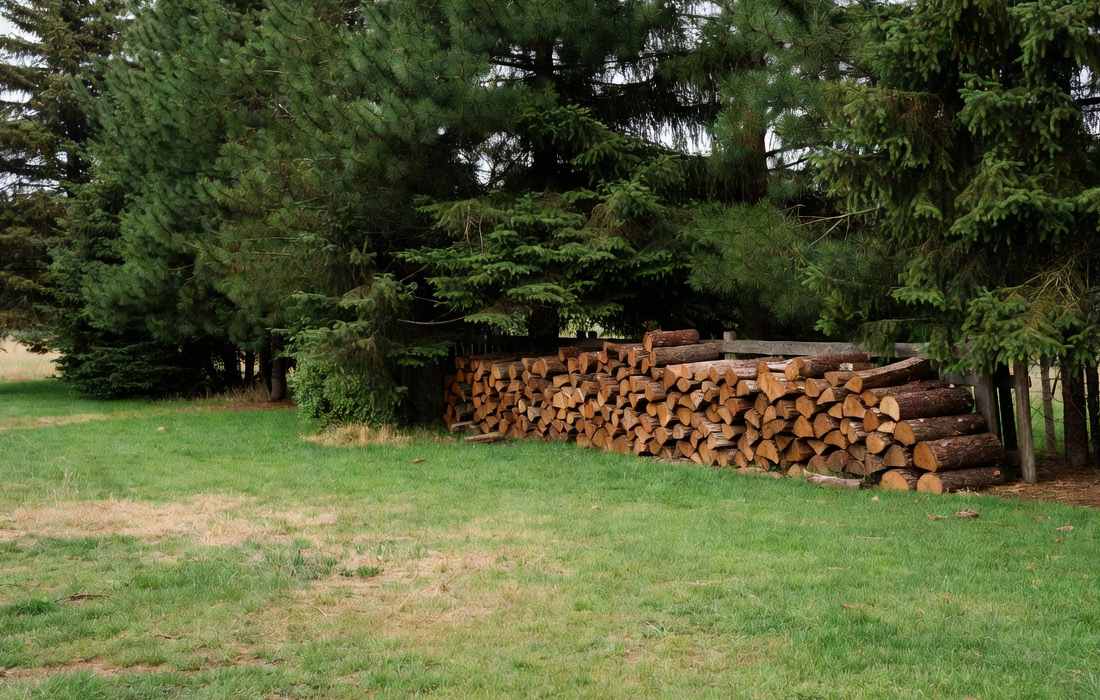
Geese are drawn to lawns that feel easy, safe, and predictable. A neat open yard can be attractive because it gives them a clear view of danger, fresh grass to graze, and a simple path between food and water.
The strongest attraction is often the layout. Short grass near a pond, lake, drainage ditch, or open water gives geese food, visibility, and a quick escape route. That is why waterfront lawns, golf-style turf, parks, and large open yards often have the worst goose pressure.
Food also matters. Geese eat grass shoots, clover, spilled birdseed, garden plants, and tender new growth. Very short grass exposes soft tips, while hand-feeding teaches the birds that the area is safe and worth revisiting.
Nesting season can make the pattern stronger. Once geese pair up and use a space, they may become more defensive and harder to move away.
A goose problem is not only about birds standing on the grass. The bigger issue is what repeated visits do to turf, paths, patios, and daily yard use.
Droppings are usually the first sign. A small flock can leave mess across walkways, play areas, driveways, and turf in a single day. They also make mowing, walking, and outdoor play less comfortable.
Grass damage is another concern. Geese pull at young shoots, so repeated feeding can leave thin patches, especially on soft spring turf or newly seeded areas. Their feet can compact wet soil near shorelines and favorite resting spots.
There is also a safety side. Adult geese can hiss, flap, chase, or block paths when they protect young or a nest area. The safest approach is to act before daily feeding and nesting habits develop.
The most reliable plan uses several gentle deterrents together. One scare device may work for a few days, but geese learn quickly. A layered approach makes the lawn less predictable and less rewarding.
Start with anything that rewards geese for walking onto the property. Do not feed them, and politely ask neighbors or visitors not to feed them either. Even a few handfuls of bread, grain, or birdseed can teach geese to return.
The same cleanup also removes some squirrel attractants, although keeping squirrels from digging up the lawn usually requires protecting bulbs, fresh seed, and other soft digging spots as well. Protect vegetable beds or tender young plants with netting during peak goose activity. When people ask how to get rid of geese on lawn, this is often the simplest first step because it removes the reward.
Visual deterrents work best when they move, reflect light, or change position. Static plastic owls or coyotes often lose power once geese realize they never move. Better options include reflective tape, windsocks, garden spinners, flags, moving decoys, or motion-activated sprinklers.
Place deterrents where geese enter the yard, not only where they rest. Move them every few days, especially after rain or mowing. If the flock ignores one item, rotate in another so the space does not feel calm or predictable.
Barriers are especially useful between water and grass. Geese prefer to walk directly from water onto open lawn, so a low fence, wire line, hedge, planting strip, or rock border can interrupt that route.
For a simple temporary setup, use stakes with two lines of cord or wire at about 10 inches and 20 inches above the ground. For a natural look, plant ornamental grasses, shrubs, or native plants along water edges. A dense strip about 18 to 24 inches tall can make geese hesitate.
Goose repellents can help when used as part of a wider plan. Many lawn-safe products use taste or scent to make grass less appealing. Some are based on grape-like compounds that birds dislike, while others use bittering agents or natural oils.
Follow the label closely. Apply repellents to dry grass, respect any people-and-pet waiting time, and repeat after heavy rain or mowing. Repellents work better when geese also face barriers, changing visual deterrents, and fewer food rewards.
A dog can make geese less comfortable because geese recognize dogs as potential predators. Regular supervised walks may help, and dog scent can show that the yard is not a quiet resting place.
Keep this method calm and controlled. Do not let a dog attack, bite, or chase geese into traffic or water. Never send a dog toward nests, eggs, or goslings. The point is steady presence, not harm.
Long-term control works better when the lawn itself becomes less inviting. You do not need to damage the yard; the goal is to reduce the open, closely cut feeding areas that geese prefer.
Avoid scalping the grass. For many home lawns, maintaining a height of around 3 to 4 inches keeps the turf stronger and makes tender new shoots less accessible. Near ponds or other water sources, leave a taller buffer instead of mowing directly to the edge. Shrubs, ornamental grasses, and flower beds can also interrupt the clear walking routes geese use to enter the lawn.
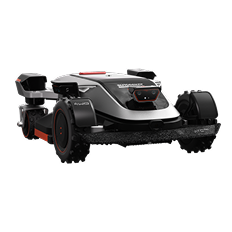
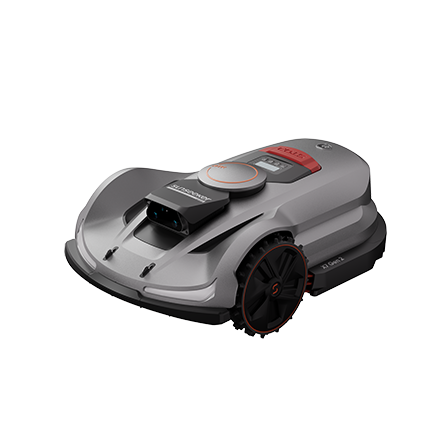
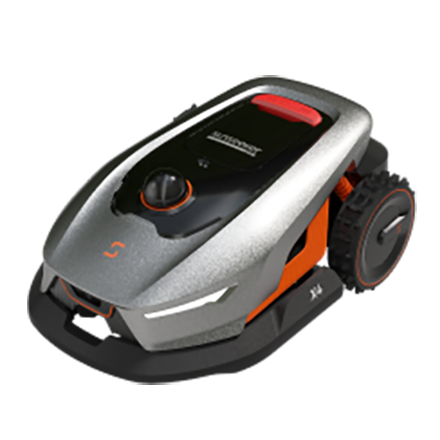
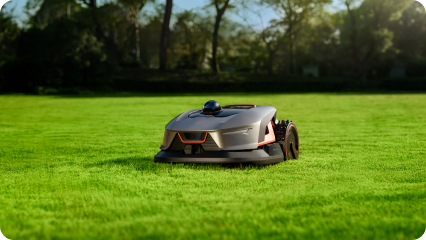
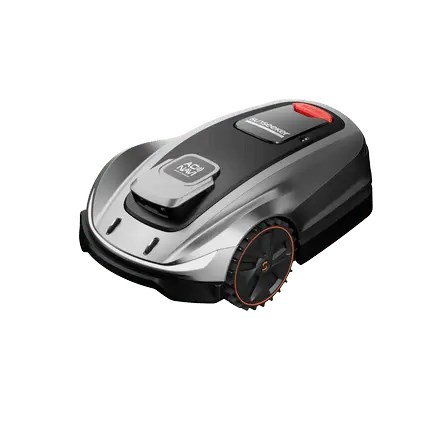
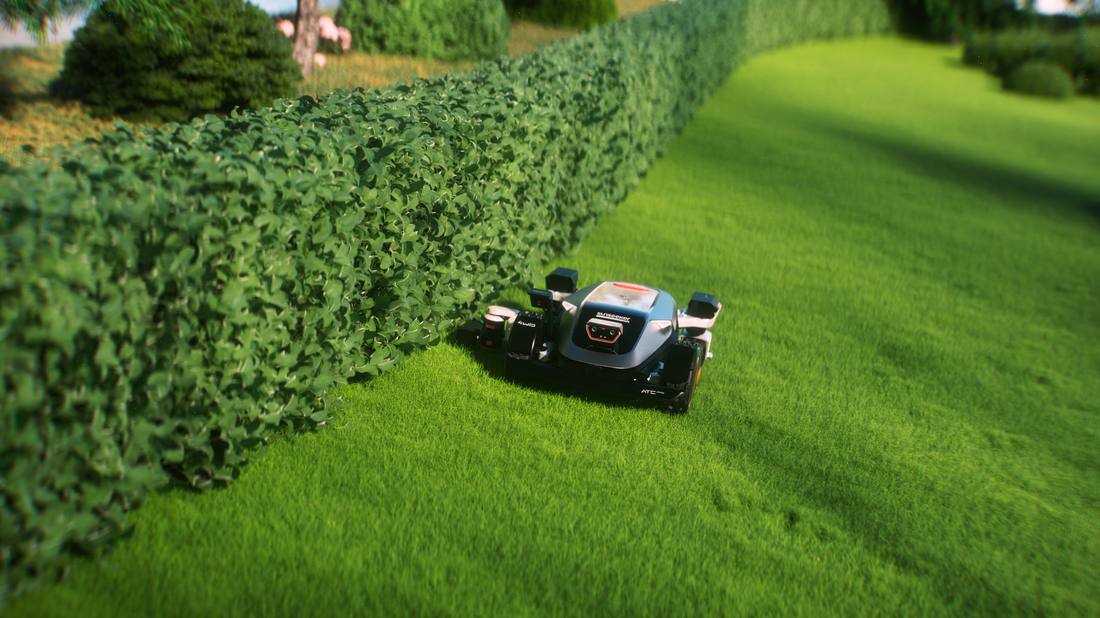
Maintaining different grass heights can be harder across a large property. The Sunseeker Elite X9, a robotic lawn mower, allows the cutting height to be adjusted up to 4 inches and uses virtual boundaries to define where it should mow. This makes it easier to maintain the open lawn regularly while leaving waterside buffers and planted areas outside the mowing zone.
Keep the remaining turf healthy without creating a constant supply of tender growth. Water deeply when needed, repair bare patches promptly, and avoid overfertilizing along common goose routes. Protect newly seeded areas with temporary netting or stakes until the grass is established.
Some goose situations are manageable with home deterrents. Others need expert help, especially when birds are nesting, aggressive, protected by local rules, or gathering in large numbers.
Call a wildlife control professional or local wildlife agency if geese are nesting, guarding goslings, blocking entrances, damaging shared spaces, or returning in large flocks despite repeated deterrents. Get help if droppings create a sanitation concern near playgrounds, pools, business entrances, or outdoor dining areas.
Do not move nests, eggs, or birds on your own. In many places, Canada geese and other migratory birds are protected by law, and permits may be required for certain actions. A qualified professional can explain what is legal and humane.
Professional help is not only for removal. It can include site assessment, shoreline planting, exclusion barriers, repellent schedules, and humane hazing. If you still wonder how to keep geese off my lawn for more than a few days, the property layout may be the deeper issue.
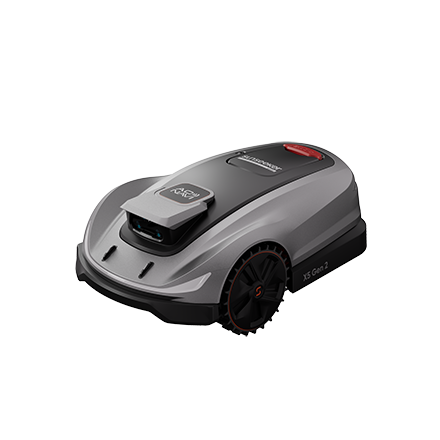
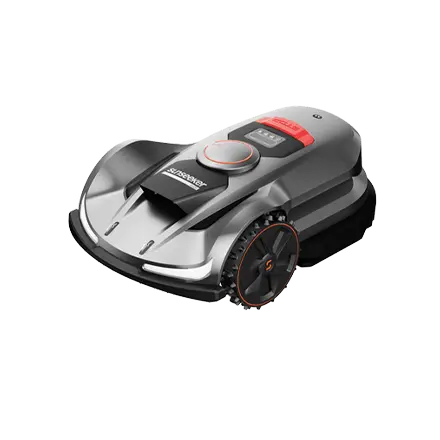
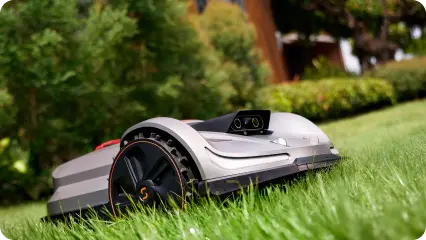
Learning how to keep geese off your lawn starts with understanding why they feel safe there. Remove food, change walking routes, rotate deterrents, protect new grass, and make open edges less inviting. A steady lawn care routine also supports long-term results. For regular mowing that leaves fine clippings and keeps established grass tidy, you can explore Robot Mowers with Mulching Blades as part of a broader maintenance plan.
The best deterrent is usually a combination, not one item. Use food removal, moving visual deterrents, a barrier near water, and lawn changes together. Geese learn quickly, so rotate scare devices and block easy walking routes. If nesting has started, contact a wildlife professional before taking action.
Avoid feeding geese, chasing them aggressively, touching nests, moving eggs, or using harmful traps or poisons. These actions can be unsafe and may be illegal. Do not rely on one fake predator left in the same place for weeks. Geese usually learn that it is not a real threat.
Use natural habitat changes first. Stop feeding, clean spilled seed, plant taller grass or shrubs along water, and let supervised dogs walk the yard. Reflective tape, flags, and motion sprinklers can add pressure without harming birds. Keep the plan consistent before geese settle into a daily routine.