







FAQs
8/1/2026
Contents
Products
Residential Lawns









Explore
Where to Buy


To improve a lawn, fix the soil first, then repair thin or bare areas with seed, water, and protection. Healthy grass also depends on mowing high enough, watering deeply, feeding at the right rate, and keeping weeds under control. A weak lawn usually needs steady correction, not one quick treatment.
A lawn can look worn even with regular mowing. Thin patches may spread beside walkways, bare soil can appear beneath trees, and fertilizer may do little to improve pale grass. These signs are common because lawn health depends on what is happening around the roots, including soil structure, moisture, compaction, shade, and repeated traffic.
This blog explains how to improve lawn health by identifying the main source of stress, repairing weak areas, adjusting routine care, and deciding when a more complete renovation is justified.
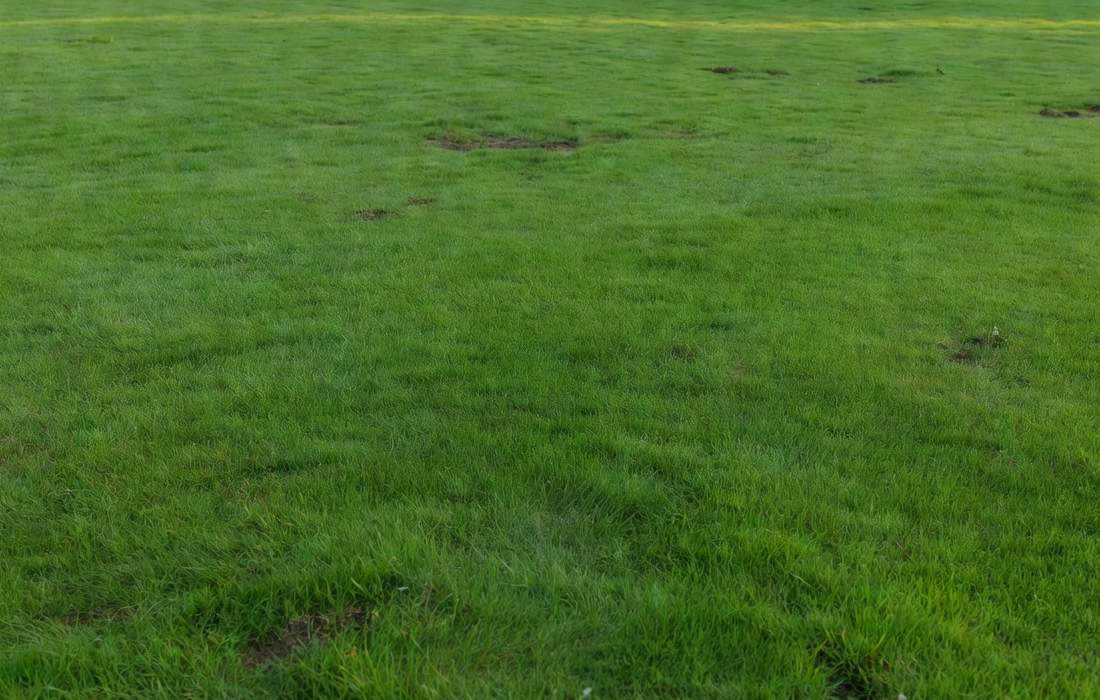
Before adding seed or fertilizer, look for the reason the grass is weak. A lawn that is thin all over needs a different fix than one with shade, traffic damage, or compacted paths.
Walk the lawn when the grass is dry. Healthy turf should feel firm, not hard, and blades should stand back up after light foot traffic. If water runs across the surface, roots are shorter than about 2 inches, or the soil is difficult to push a screwdriver into, compaction may be holding the grass back. If the lawn feels spongy and brown material sits between the blades and soil, thatch may be limiting air and water movement.
Also check use patterns. Pet traffic, kids playing in the same route, mower wheels, uneven sprinklers, and tree shade can all create patchy growth. Most lawn grasses need at least 4 to 6 hours of direct sun or bright filtered light. In deeper shade, a shade-tolerant seed mix or ground cover may be more realistic than forcing dense turf.
Grass grows thicker when roots can reach air, moisture, and nutrients. Soil work may feel slower than spreading seed, but it gives later repairs a better chance to hold.
A soil test is the most reliable starting point if you want to improve your lawn instead of guessing. Test pH, nitrogen, phosphorus, potassium, and organic matter. Many lawn grasses perform best around pH 6.0 to 7.0, though the right range depends on grass type. If pH is low, lime may help. If it is high, sulfur may be recommended. Apply corrections at the test-report rate because overcorrection can create new problems.
Nutrients should match the season and grass condition. A weak lawn does not always need more fertilizer; it may need better watering, aeration, or less stress first. If you feed, use a spreader for even coverage and sweep granules off pavement so they do not wash into drains.
Thatch is a layer of stems, roots, and organic material between green blades and soil. A thin layer is normal, but more than about 1/2 inch can block water and fertilizer. Cut a small wedge of turf and look at the brown layer above the soil to check it.
Dethatch when grass is actively growing and can recover. Cool-season lawns usually handle it best in early fall or mild spring conditions. Warm-season lawns often recover best in late spring or early summer after growth is strong. Avoid dethatching during drought, extreme heat, or dormancy.
Compaction squeezes soil particles together, leaving roots with less air and less room. Core aeration removes small plugs of soil, often 2 to 3 inches deep, so air and water can reach the root zone. Aerate when soil is moist but not muddy. Leave plugs on the surface to break down naturally, and overseed afterward if the lawn is thin.
Once the soil can support growth, repair the visible weak areas. Thin turf usually responds to overseeding, while bare spots need direct patch preparation.
Overseeding works when some existing grass is still alive and the soil surface can hold seed. Mow slightly lower than normal, collect clippings, and rake loose material so seed can touch soil. Spread seed at the overseeding rate on the label, which is usually lower than the rate for starting a new lawn.
Choose seed that matches your lawn and site. Sunny areas, shaded strips, and high-traffic sections may need different mixtures. After spreading, lightly rake so seed settles into the top 1/4 inch of soil. Do not bury it deeply.
Bare patches need a firmer reset. Remove dead grass, weeds, stones, and crusted soil. Loosen the top 2 to 3 inches with a rake or garden fork, then mix in a thin layer of compost or quality topsoil if the soil is poor. Level the surface so it sits even with the surrounding lawn.
Spread seed evenly, press it into the soil with the back of a rake, and cover lightly with straw, compost, or a seed blanket. The cover should protect the seed without blocking light or air. Sod can repair a visible spot faster, but the soil still needs preparation first.
New grass fails most often because it dries out, washes away, or gets walked on too early. Keep the top layer of soil consistently moist until germination. In warm, dry weather, this may mean light watering once or twice daily. After seedlings reach about 2 inches, reduce frequency and water more deeply. Wait to mow until new grass is roughly one-third taller than the intended mowing height.
A repaired lawn needs consistent care, or the same weak spots will return. The strongest habits are simple: mow at the correct height, water the root zone, and feed carefully.
Mowing too short weakens grass. Taller blades shade the soil, support deeper roots, and reduce moisture loss. Many cool-season lawns do well around 3 to 4 inches, while many warm-season lawns are kept closer to 1.5 to 3 inches depending on grass type. Never remove more than one-third of the blade in one mowing.
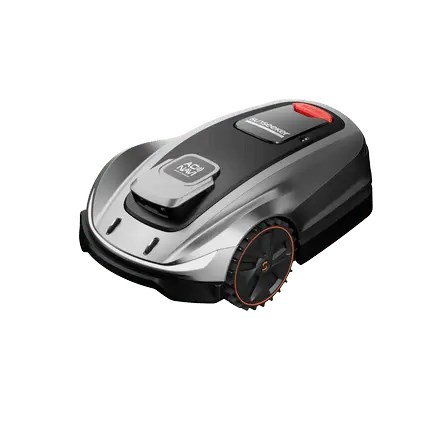
For homeowners who want steadier mowing after repair work is established, the Sunseeker Elite X7 Plus Gen 2 can help maintain a consistent routine on a healthy lawn. Its navigation and planned mowing support frequent light cuts, which is useful because small clippings break down more easily and reduce stress caused by infrequent heavy mowing.

Frequent shallow watering encourages shallow roots. Established lawns usually perform better with about 1 to 1.5 inches of water per week, including rainfall, adjusted for grass type, soil, and heat. Water in the early morning so moisture reaches the root zone before strong sun and wind increase evaporation.
Use a simple container test to measure irrigation output. Place several shallow cans across the lawn and run the sprinkler for 15 minutes. If the average depth is 1/4 inch, you can estimate how long it takes to apply about 1 inch. Uneven results mean sprinkler adjustment is needed.
Fertilizer can improve color and density, but too much can burn grass, increase disease pressure, or push fast top growth without stronger roots. Feed during active growth and follow the label rate. Slow-release nitrogen is often easier to manage than quick-release products.
Weeds compete for light, water, and nutrients, so control matters. Avoid spraying stressed or newly seeded grass unless the label clearly allows it. A thick lawn is the best long-term weed defense, so fill bare soil, mow high enough, and correct watering problems.
Improving the existing lawn works when enough healthy grass remains. Renovation becomes more practical when the lawn is mostly weeds, deeply uneven, poorly drained, or built on unsuitable soil.
As a general guide, repair and overseed if at least half the lawn is desirable grass and the soil problems are manageable. Consider a full redo if more than 50 percent is weeds or bare soil, the grade sends water toward the house, or repeated patching has failed for several seasons. Severe compaction, heavy clay with standing water, or buried construction debris may require deeper soil correction before new grass has a fair chance.
Learning how to improve lawn health starts with finding the real cause of weak growth. Test the soil, relieve compaction, remove excess thatch, overseed thin grass, and protect new seedlings until roots settle in. Long-term results come from mowing at the right height, watering deeply, and feeding carefully. Once the lawn is established, tools such as Robot Mowers with Mulching Blades can support a steady maintenance routine without making the product the main solution.
Improve your existing lawn by correcting soil problems first, then filling thin or bare areas. Test the soil, aerate compacted sections, dethatch if the layer is over 1/2 inch, overseed thin grass, and water new growth consistently. Mow high enough and feed only when the grass is actively growing.
The best way to rejuvenate a lawn is to combine soil repair with new growth. Aerate compacted soil, rake out heavy thatch, apply compost or fertilizer based on a soil test, and overseed at the right time for your grass type. Keep seed moist until roots are established.
Yes, you can overseed new grass into old grass if the existing lawn is thin but still alive. Mow low, rake debris away, loosen the surface, and make sure seed touches soil. If the area is mostly weeds, dead turf, or compacted soil, repair the surface before adding seed.