




FAQs
7/25/2026
Contents
Products
Residential Lawns



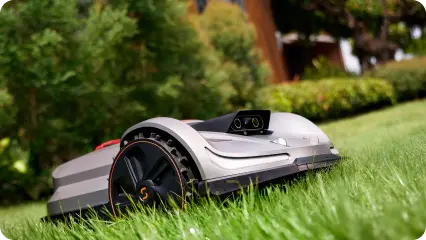
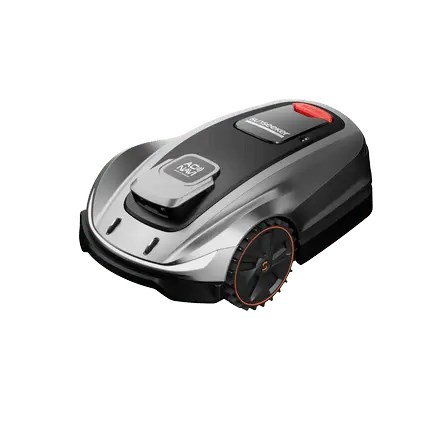

Explore
Where to Buy


Voles damage lawns by chewing roots, clipping grass, and using shallow surface runways. First confirm the signs, then reduce cover, protect plants, repair bare patches, and use safe removal methods when activity is fresh. Long-term prevention depends on regular mowing, cleanup, barriers, and early inspection.
Check for small holes without large soil mounds. Raised underground ridges and soil mounds point more toward moles; when those signs dominate, the relevant question becomes how do you get rid of moles in your lawn. Vole openings are usually neat and low, unlike many mole tunnels.
That is when many homeowners ask how do i get rid of voles in my lawn without harming the rest of the yard. The answer starts with correct identification, then moves into cleanup, removal, repair, and prevention.
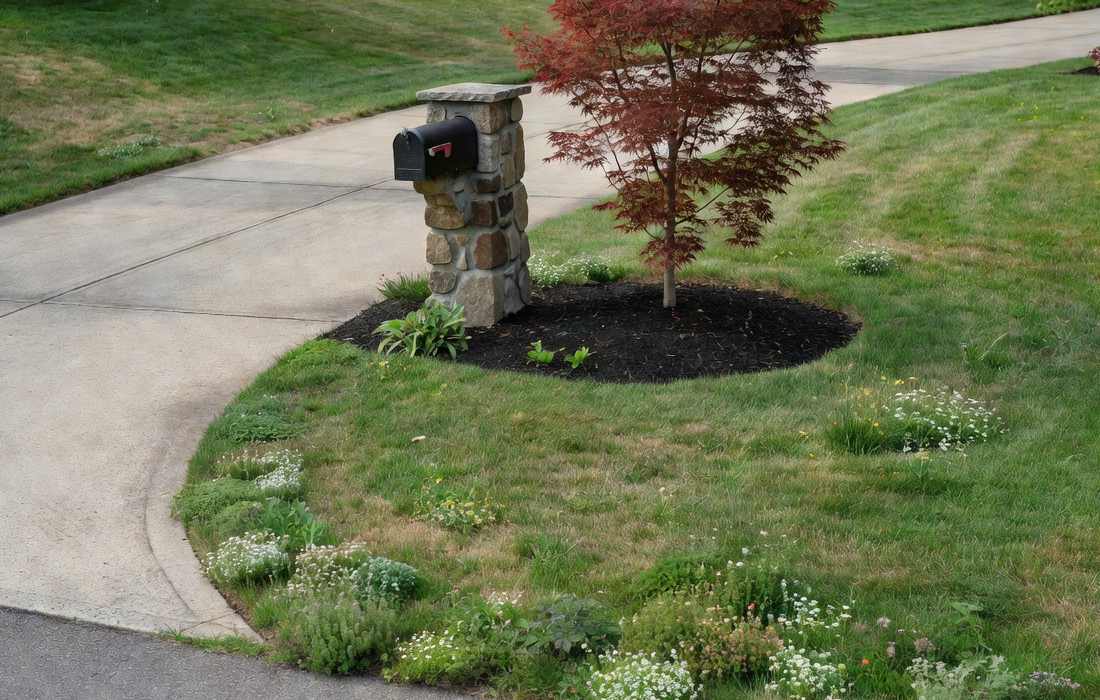
Before you choose a treatment, it helps to know what voles are and why they like certain lawns. They are often mistaken for moles, but the damage pattern is different.
Voles are small rodents that move through grass at ground level. They feed on grass, roots, seeds, bulbs, and tender bark. Their damage usually appears as narrow surface runways, clipped grass, loose turf, and chewing around low stems or young trees.
Moles are different. They eat insects and dig under the soil, so they often leave raised tunnels or soil mounds. Voles stay closer to the surface and use hidden cover. Tall grass, deep leaves, thick mulch, low shrubs, birdseed, fallen fruit, and garden debris can all make a lawn more inviting.
Vole damage can look like winter stress, drought, grubs, or pet wear. If turf lifts because roots have been eaten but you cannot find surface runways or gnaw marks, check how to get rid of grubs in lawn before assuming voles are responsible. Check for several signs together before you decide that voles are the real problem.
If you see only old trails with no fresh chewing or repeated use, focus on repair and prevention. If the signs are fresh, start control work quickly.
The practical answer to how to get rid of voles in your lawn is a layered plan. A single repellent or one cleanup day rarely solves the problem alone. Use the steps below together for better results.
1. Confirm active areas. Mark fresh runways, openings, and chewing damage with small flags. Active areas often sit near shrubs, fences, beds, or dense grass. This keeps your effort focused and helps you avoid treating old damage that no longer has voles moving through it.
2. Remove heavy cover. Rake leaves, clear brush piles, trim low branches, and open up crowded lawn edges. Voles prefer hidden travel routes. A cleaner surface does not guarantee they leave at once, but it makes the yard less comfortable and makes new activity easier to see.
3. Mow at a steady, healthy height. Do not scalp the lawn, but avoid letting grass grow tall enough to hide trails. Many home lawns do well around 2.5 to 4 inches, depending on grass type. Keep fence lines and corners trimmed because these quiet edges often shelter vole movement.
4. Limit easy food sources. Pick up fallen fruit, spilled birdseed, loose grain, and old vegetable debris. Keep compost managed and avoid leaving seed heads or soft plant waste near the lawn. Less food near the turf means fewer reasons for voles to stay close.
5. Thin deep mulch near plants. Deep mulch can protect voles as they feed on roots or bark. Pull mulch a few inches back from trunks and shrub stems, and avoid thick piles along fences. A lighter, cleaner mulch layer can still protect soil without creating a hidden runway.
6. Protect young trees and shrubs. Use hardware cloth or sturdy tree guards around vulnerable trunks. Set the lower edge slightly into the soil and leave room for trunk growth. In snowy areas, the guard should reach above the usual snow line to stop winter chewing.
7. Use traps carefully where allowed. Snap traps or enclosed trapping stations can reduce active voles when placed near fresh runways. Keep all traps away from children and pets, and follow local rules. If placement feels risky or confusing, use a licensed pest-control professional.
8. Use repellents as support. Castor oil-based or other labeled vole repellents may help push activity away, but results vary. Follow the label closely and reapply only as directed, especially after heavy rain. Repellents work best with cleanup, mowing, and plant protection.
9. Avoid careless poison use. Rodenticides can put pets, children, and wildlife at risk when used in open lawn areas. They can also affect predators that eat poisoned rodents. If bait is needed, it should be handled through labeled stations or a professional service.
10. Get help for repeated damage. If runways return again and again, or your lawn borders a field, ditch, or wooded edge, the pressure may be bigger than a simple DIY fix. A professional can confirm the animal and build a legal control plan for your property.
After control starts, the lawn still needs repair. Many vole trails look worse than they are, so begin gently before you replace large sections of turf.
Rake trails lightly to remove dead grass and smooth raised edges. Press lifted turf back against the soil. If the roots are still alive, steady moisture and mild weather may help it recover. For bare patches, loosen the top 0.5 inch of soil, add a thin layer of compost if needed, and reseed with a matching grass type.
Keep the seedbed evenly moist until germination. Cool-season grasses often sprout best when soil temperatures are about 50 to 65°F, while warm-season grasses need warmer soil. Mow new grass lightly once it reaches about 3 inches tall, and avoid heavy traffic until roots are stronger.
Prevention is about making the lawn less sheltered and easier to inspect. Voles prefer cover, so steady yard care can lower the chance of another outbreak.
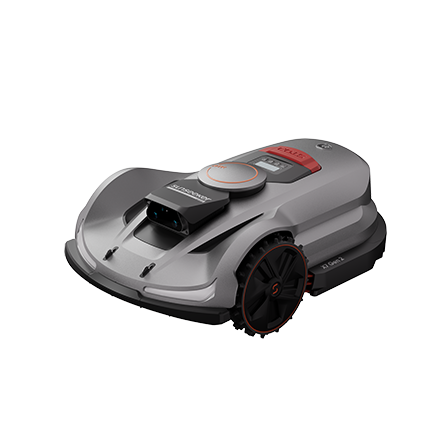
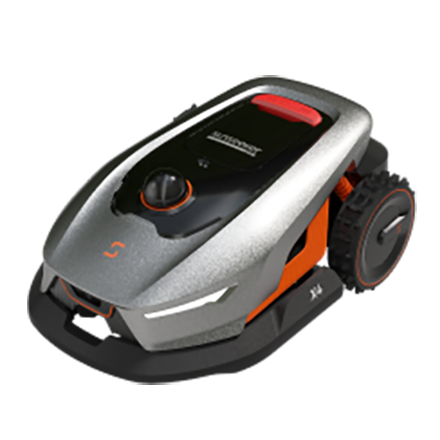
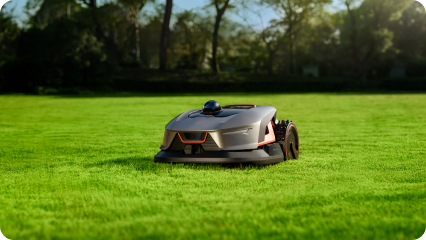
Once the lawn has been repaired and the grass is growing steadily, routine mowing can help keep the surface open enough to spot fresh trails early. Sunseeker Elite X4 supports this kind of regular maintenance with wire-free setup, 360° 3D LiDAR plus Vision AI, and planned mowing patterns for established lawns.
If your yard sits beside a field, wooded edge, or drainage area, keep that transition zone especially tidy. A narrow mown strip can reduce protected movement and help you notice new trails before damage spreads.
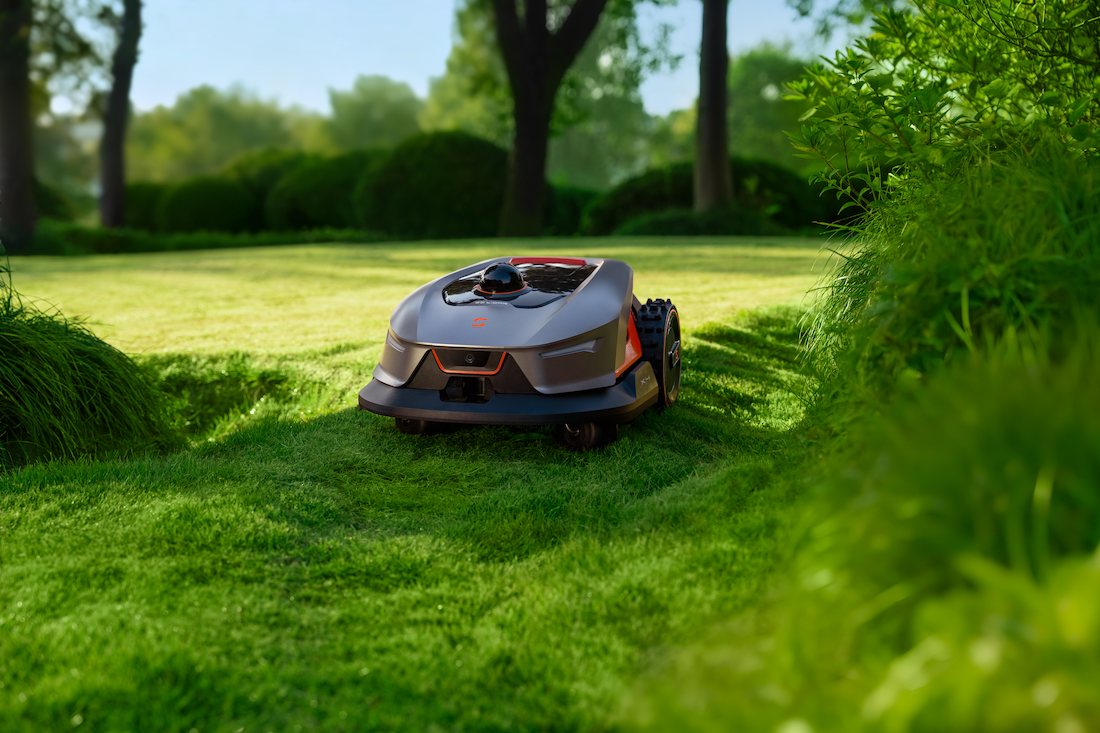
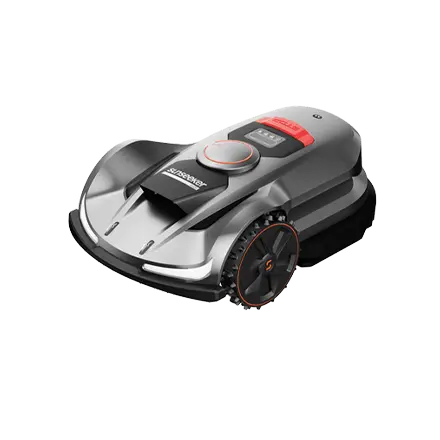
Learning how to get rid of voles in my lawn starts with the right signs: shallow runways, chewed roots, and fresh activity near cover. Control works best when cleanup, safe removal, plant protection, and lawn repair work together. Long-term value comes from steady prevention, not one quick trick. After repairs, regular light mowing can support a healthier surface, so homeowners can also explore Sunseeker’s Robot Mowers with Mulching Blades for routine lawn upkeep.
The fastest approach is to confirm active runways, remove nearby cover, and use safe trapping or professional control where allowed. Repellents may help, but they are usually slower on their own. Cleanup matters because thick grass, leaves, and mulch often allow vole activity to return.
Voles dislike open areas with little cover. They are less comfortable in lawns that are mown regularly, cleared of leaf piles, and kept tidy near shrubs, fences, and garden beds. Strong scents may bother them briefly, but habitat change is usually more dependable.
Coffee grounds are not a reliable way to get rid of voles. They may add organic matter to soil in small amounts, but they should not be treated as a control method. Focus on reducing cover, protecting plants, repairing damage, and using labeled or professional control when needed.