






FAQs
6/9/2026
Contents
Products
Residential Lawns









Explore
Where to Buy


Struggling with how to get rid of crabgrass in lawn? Find out how to identify it, remove it, and stop it from coming back season after season.
Crabgrass is one of the most persistent lawn weeds homeowners deal with, but how to get rid of crabgrass in lawn is more straightforward than it looks once you understand the weed's life cycle. This guide covers identification, removal methods, prevention strategies, and the timing mistakes that let crabgrass win.
Crabgrass is a warm-season annual grass weed that germinates from seed in spring, grows aggressively through summer, and dies with the first frost. It doesn't survive winter, but a single plant can produce up to 150,000 seeds before it dies, and those seeds stay viable in the soil for years.
It's most commonly confused with other grassy weeds, so knowing what to look for helps. Key identification features:
Crabgrass tends to appear first in thin or bare areas, along driveways and sidewalks where soil heats up quickly, and in spots where the lawn has been mowed too short.
Crabgrass doesn't invade healthy, dense turf easily. It takes advantage of weak spots. Will crabgrass kill my lawn? Not directly, but left unchecked, it crowds out desirable grass, and when it dies in fall it leaves bare patches that invite the next wave of weeds the following spring.
The conditions that favor crabgrass most:
Several approaches work depending on how established the crabgrass is and how widespread the problem is.
Manual removal
For small infestations caught early, pulling crabgrass by hand or with a weeding tool is effective. The key is to remove the entire root system before the plant sets seed. Pulling is most effective when the soil is moist and the plant is still young. Dispose of pulled plants rather than composting them, especially if seed heads have already formed.
Post-emergent herbicides
Once crabgrass is actively growing, selective post-emergent herbicides are the most reliable removal method. Products containing quinclorac or fenoxaprop-p-ethyl target crabgrass without harming most common lawn grass types. What kills crabgrass in lawns most effectively at this stage is a post-emergent applied when plants are young, ideally before the four-tiller stage. Larger, more established plants require multiple applications.
Non-selective herbicides
For severe infestations where the crabgrass has overtaken large sections of lawn, a non-selective herbicide like glyphosate can be applied to affected patches. This kills everything in the treated area, including desirable grass, so it requires overseeding afterward to fill in the bare patches.
For homeowners wondering how to kill crabgrass without killing your lawn, the answer comes down to choosing selective post-emergent products and following label directions carefully. Most selective herbicides are safe on common cool-season and warm-season turf types, but reading the label for compatibility with your specific grass variety before applying is worth doing.
Removal treats the current problem. Prevention is what stops the cycle. How to get rid of crabgrass in your lawn permanently means combining chemical and cultural controls.
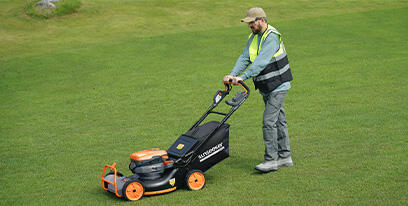
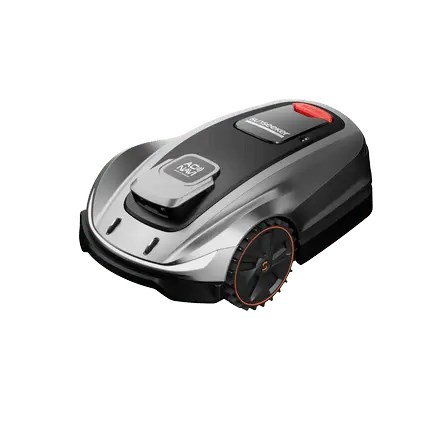
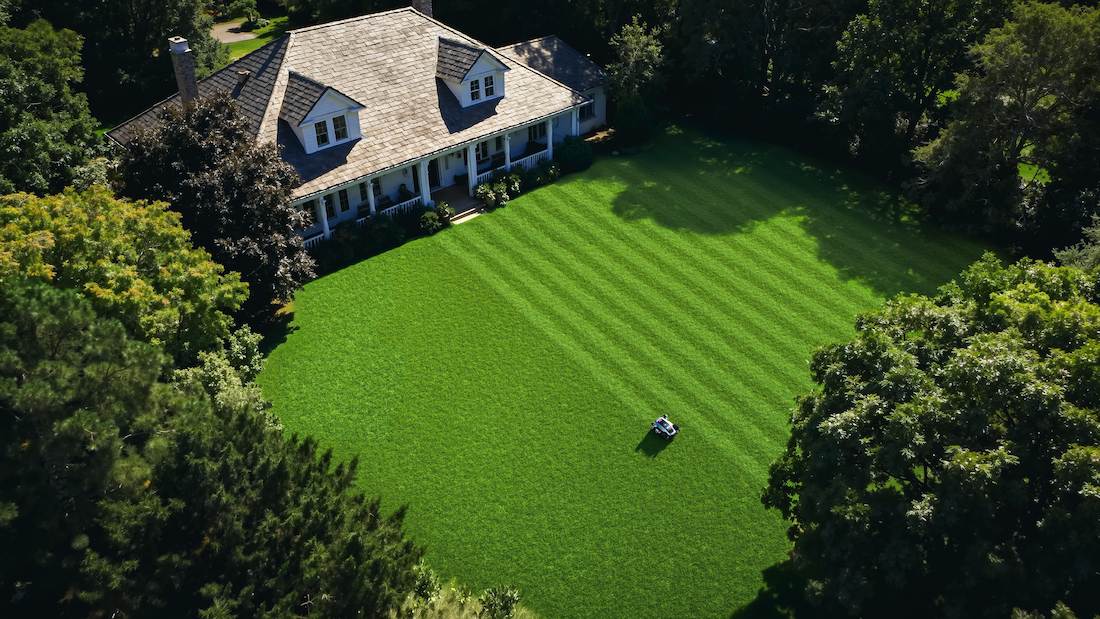
A dense, healthy lawn is the most effective long-term defense against crabgrass. Maintaining consistent mowing at the right height is what keeps turf thick enough to crowd out weeds before they establish. A robot lawn mower keeps this on schedule automatically, mowing at regular intervals to maintain optimal grass height without requiring you to track it manually throughout the season.
Timing determines whether treatment works or gets wasted.
One important note: pre-emergent is safe for established lawn grass, but it cannot distinguish between crabgrass seeds and desirable grass seeds. If you apply a pre-emergent in spring, wait at least 8 to 12 weeks before overseeding, as the same barrier that stops crabgrass will also prevent new grass seed from germinating.
Even with the right products, a few common errors undermine results.
1. Applying pre-emergent too late. Once soil temperatures hit 55°F , crabgrass has already started germinating and pre-emergent is ineffective. Tracking soil temperature in early spring is more reliable than going by calendar date.
2. Mowing too short. This is one of the most common reasons crabgrass keeps returning despite treatment. Short turf exposes soil, raises surface temperature, and gives weed seeds exactly the conditions they need. Keeping grass at 3 to 4 in is one of the most effective prevention tools available.
3. Skipping overseeding after removal. Killing crabgrass leaves bare patches. If those patches aren't overseeded, next year's crabgrass seeds, already in the soil, will fill them in again. Overseeding immediately after the crabgrass dies closes the loop.
Crabgrass control works best when it's consistent. How do you get rid of crabgrass in your lawn for good? A treatment program that combines pre-emergent timing, correct mowing height, and fall overseeding outperforms any one-time fix every time.
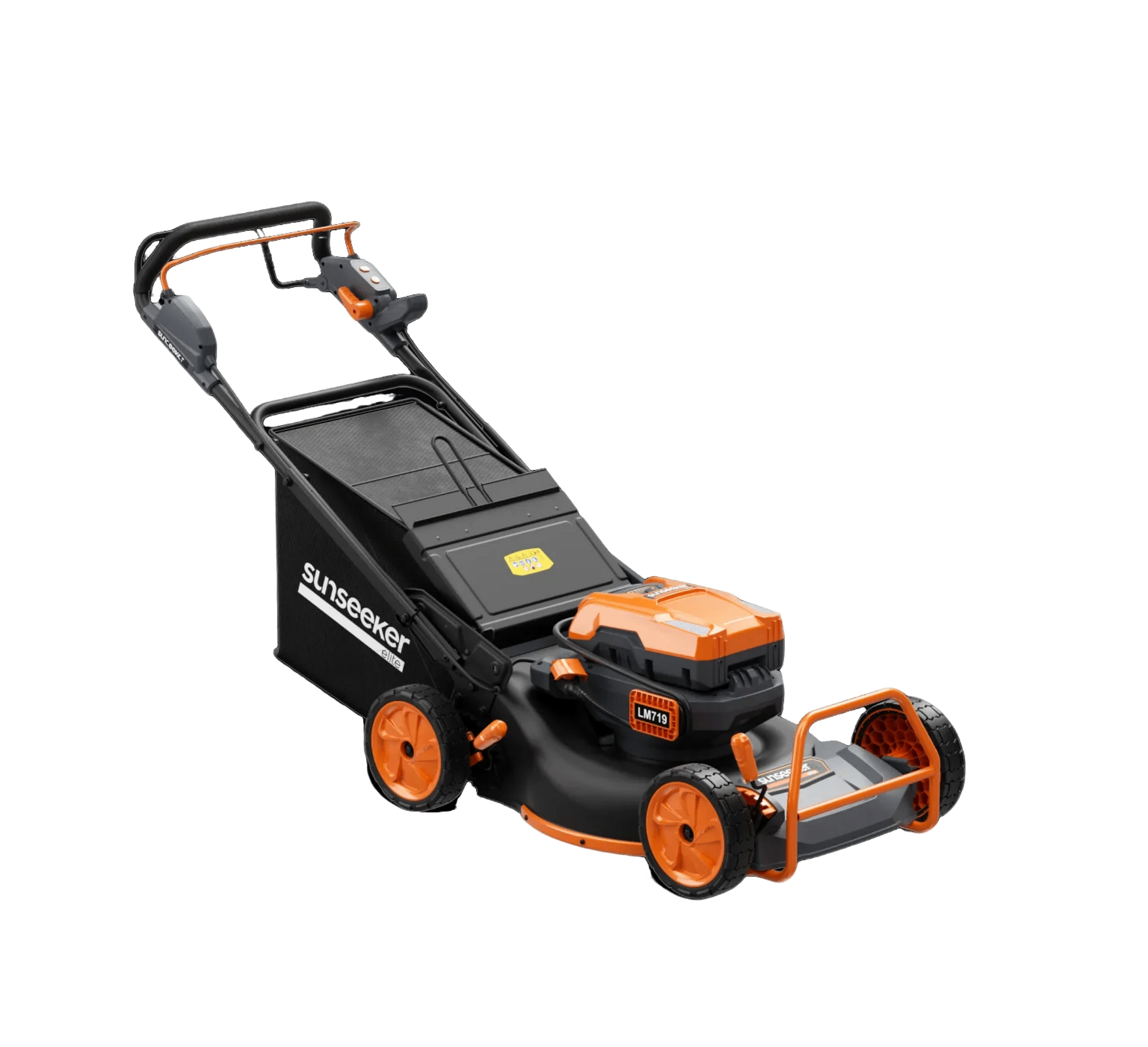
Mowing height is where many homeowners lose the battle without realizing it. The Sunseeker Elite X7 Gen 2 holds cutting height consistently across the entire lawn with every pass. The AONavi™ system combining RTK satellite positioning and VSLAM 2.0 plans routes that cover the full area without leaving patches at inconsistent heights, removing the human error that lets crabgrass find its footholds.

Crabgrass is persistent, but it's also predictable. It germinates in warm, exposed soil in spring, spreads through summer, and dies in fall, leaving behind thousands of seeds for next year. The most effective approach combines pre-emergent herbicide in early spring, selective post-emergent treatment for any plants that get through, consistent mowing at the right height, and fall overseeding to keep turf dense. How to kill crabgrass in lawn for lasting results isn't about one product. It's about removing the conditions that let it establish in the first place.
For small patches, hand-pulling when the soil is moist and plants are young is the simplest approach. For larger infestations, a selective post-emergent herbicide containing quinclorac or fenoxaprop-p-ethyl applied while plants are still young is the most effective single-step method. Following up with overseeding in fall prevents the bare patches from refilling with weeds next season.
Selective post-emergent herbicides containing quinclorac or fenoxaprop-p-ethyl target crabgrass while leaving most common lawn grasses unharmed. Always check product labels for compatibility with your specific grass type before applying. Pre-emergent herbicides prevent germination without affecting established turf and are the preferred option when applied before the growing season begins.
July is not too late, but it's harder. By midsummer, crabgrass plants are larger and more established, requiring higher rates or multiple applications of post-emergent herbicide for effective control. Focus treatment on younger plants where possible. Mature plants that have already set seed are less worth treating since the seeds are already in the soil. Shift focus to pre-emergent application the following spring to address next year's germination before it starts.