




FAQs
7/2/2026
Contents
Products
Residential Lawns









Explore
Where to Buy


To effectively repair lawn bald spots, start by identifying the underlying cause, such as foot traffic or poor drainage. Clear the area of dead grass and debris, then loosen the soil and add appropriate grass seed. Consistent watering and avoiding foot traffic are crucial during the establishment phase. By addressing the root cause and following these steps, you can ensure the new grass thrives and prevents future bald spots.
A bald spot usually shows up right after mowing: a light, bare patch that stands out even when the rest of the lawn looks healthy. It may be caused by pets, repeated foot traffic, poor drainage, or compacted soil, but the visible result is always the same—grass that fails to regrow in that area.
The key to repair is not just adding seed on top. First, understand what caused the damage, because compacted or waterlogged soil will prevent new roots from establishing. In this article, you will learn how to prepare the soil, choose the right repair method, and help new grass grow back stronger and more evenly.

Bald spots usually come from stress that kills grass faster than it can regrow. The bare patch is only the symptom; the cause may be on the surface, in the soil, or below the roots.
Common causes include:
A quick check can narrow it down. Tug gently on the edge of the dead patch. If grass lifts like a loose carpet, roots may be damaged by grubs or rot. If the soil is hard and shiny, compaction is likely. If the area is bright green around a dead center, pet urine or fertilizer burn may be involved. Once you know the likely cause, soil prep and reseeding make more sense.
Before repairing bare spots, it helps to deal with anything that caused the damage in the first place. This makes sure new grass can grow without being stressed again, and each issue needs a slightly different approach depending on the cause.
Problem type | What to check | What to do before repair |
Weeds | Small isolated weeds or spreading patches with roots still active | Remove as much of the root system as possible. Hand pull in moist soil for small areas. If using herbicides, check label timing to ensure it won’t block seed germination. |
Grubs / insects | Turf lifts easily, roots are eaten, soil shows visible larvae | Peel back damaged turf and check root zone. If infestation is noticeable, apply a suitable grub control treatment before reseeding. |
Lawn disease | Wet, matted, thinning patches with poor airflow | Remove dead material and improve drainage and airflow. Adjust watering habits to avoid prolonged moisture, especially overnight. |
Pet damage | Repeated urine spots or localized burned patches | Flush the area with water, then adjust pet access patterns. Without changing the cause, damage will likely return. |
Fixing lawn bald spots restores a healthy, even yard by addressing soil issues, grass health, and reseeding techniques. Let’s go through the steps below.
Look for clues before you touch the soil. Circular brown patches may point to pests or disease, a spot near a path may reflect foot traffic, and a patch where water sits after rain may signal drainage or compaction. If pets use the area, treat that as part of the repair plan, not an afterthought.
Rake out dead blades, thatch, leaves, stones, and weeds so seed can contact soil directly. If weeds have taken over, pull as much of the root system as you can so they do not outcompete the new grass.
Scratch the top layer until it is crumbly rather than polished or hard. Mix in a thin layer of compost or quality topsoil if the patch is low, dry, sandy, or heavy with clay.
Choose seed that matches your lawn and local growing conditions. Spread it evenly, then lightly rake so some of it settles into the surface. For very small spots, a lawn patch mix can help because it usually holds moisture better than seed alone.
Water gently so the seed stays in place. The goal is even surface moisture, not puddles or runoff. If the soil keeps drying during early growth, many seedlings will fail.
Use a starter fertilizer if your soil needs it, following the label. Avoid heavy feeding too early, especially with strong nitrogen products, because tender seedlings can be stressed.
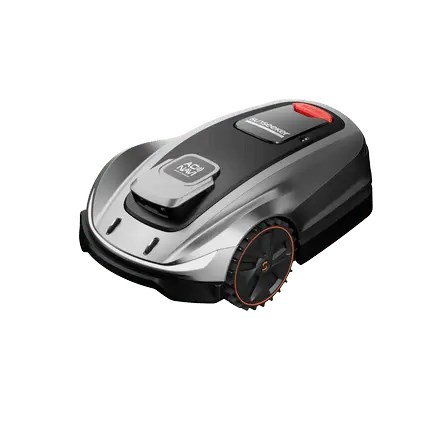
Keep foot traffic and mower wheels off the patch until the new grass has enough height and density to tolerate cutting. If you use an automated mower, temporarily exclude or protect the repaired area so young blades are not clipped or tracked before they root firmly.
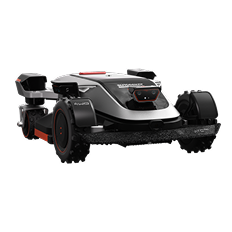
With a wire-free system like the Sunseeker Elite X4, this is easier to manage because you can set virtual boundaries and no-go zones in the app, allowing the mower to automatically avoid the repaired area while it continues mowing the rest of the lawn.

Once the seed is down, aftercare matters as much as preparation. New grass has shallow roots, so the patch needs steady moisture and protection until it thickens.
Water lightly and often enough to keep the surface from drying out. Avoid blasting the patch with a hose, which can wash seed into clumps. A fine spray works better. Once seedlings appear and begin rooting, gradually water less often but a bit more deeply so roots grow downward instead of staying near the surface.
Keep people, pets, and equipment off the patch as much as possible. Even a few footsteps can press young seedlings into mud or tear them loose. If the patch sits in a high-traffic area, use temporary stakes, string, or another visible marker to redirect movement.
Do not mow too soon. Let the new grass reach a mowable height and look reasonably anchored before cutting. When you do mow, use a sharp blade and avoid removing too much at once. Dull blades tear tender grass and leave it stressed.
Feeding should be measured, not aggressive. If you used a starter fertilizer during seeding, wait before applying more. Too much fertilizer can push weak top growth before roots are ready. Steady thickening is a better sign than fast, soft growth.
If some seed washes out or germination is uneven, lightly reseed thin areas rather than starting over. Small touch-ups are normal, especially on slopes, compacted spots, or areas exposed to birds and traffic.
After a patch recovers, the goal shifts from repair to prevention. Bald spots usually return when the same stress keeps repeating.
If you want to learn how to fix lawn bald spots, the key is to solve the cause first, then rebuild the patch with clean, loosened soil, the right seed, and steady aftercare. In many cases, consistent moisture, light feeding only when needed, and keeping traffic off the area make the biggest difference while new grass establishes.
If bald spots keep returning, it usually means the original stress has not changed. Checking for compaction, drainage, pets, pests, mowing pressure, or shade issues early can help you protect the repair and keep the rest of the lawn growing more evenly.
The best time to repair bald spots is during active grass growth, usually early fall or spring. These seasons provide moderate temperatures and better moisture conditions, helping seeds germinate faster and establish stronger roots before heat, drought, or frost stress arrives.
Grass typically starts germinating within 7–21 days depending on the seed type and weather. A visibly filled-in patch usually takes 4–8 weeks, while full blending with the surrounding lawn can take 2–3 months or longer if conditions like soil quality and watering are not ideal.
Sod is better if you want an immediate fix or if the area is large, sloped, or prone to erosion. Grass seed is more affordable and works well for small patches but takes longer to establish. The choice depends on budget, urgency, and how uniform you want the lawn to look right away.