





FAQs
7/25/2026
Contents
Products
Residential Lawns








Explore
Where to Buy


Dead grass patches usually grow back only after the cause is fixed. Remove loose dead grass, check the soil, improve drainage or compaction, add a thin layer of topsoil or compost, then reseed and water lightly until new roots hold. Prevention depends on steady watering, proper mowing, pest control, and quick repairs.
A dead patch rarely starts as a dramatic problem. It may begin as a pale area after hot weather, a spot where the grass feels dry underfoot, or a patch that never seems to recover after mowing. Reseeding straight away can feel like the fastest fix, but the same brown mark often returns when the real cause is still in the soil or lawn routine.
That is why learning how to fix dead patches in lawn starts with diagnosis. In this blog, we’ll look at the common causes behind dead spots, how to repair the damaged grass, and what to adjust so the same areas are less likely to fail again.
Before you repair the surface, look for the reason the grass died. A patch caused by drought needs a different fix than one caused by grubs, pet urine, or compacted soil. Start with the shape, texture, location, and timing of the damage.
Drought stress often appears during hot, dry weather or after missed watering. The grass turns gray-green first, then brown and brittle. Footprints may stay visible after you walk across the lawn. Shallow-rooted grass, south-facing areas, slopes, and thin soil dry out faster. If crowns are still alive, deep watering may help. If grass pulls away easily, reseed or patch it.
Pet urine can leave small round brown spots with a dark green ring around the edge. The center burns because salts and nitrogen are too concentrated in one place. Rinsing fresh spots can reduce damage. Once the center is dead, remove the damaged grass, flush the soil with water, and replace the top layer before reseeding.
Grubs feed on grass roots, so the turf may lift like a loose mat. You may also see birds, skunks, or raccoons digging for insects. Check a section about 1 square foot by cutting and folding back the turf. A few grubs are normal, but several active grubs in that small area can explain thinning or dead patches. Treat the pest first, then repair the grass after activity drops.
Fungal disease can create brown, tan, yellow, or smoky-looking patches, especially during humid weather. It often spreads when lawns stay wet overnight, receive too much nitrogen, or have poor air movement. Look for rings, blades with lesions, or fuzzy morning growth. Avoid evening watering, and use a lawn-safe fungicide only when the disease is clearly identified.
Compacted soil limits air, water, and root growth. Patches often appear where people walk, children play, or equipment turns. Push a screwdriver into damp soil. If it is hard to insert, compaction may be part of the problem. Reseeding without loosening the soil often gives weak results.
For how to fix dead spots in lawn successfully, the safest sequence is to clear dead material, correct the soil, reseed at the right depth, and protect early growth. These steps also answer a common version of the question: how to fix dead patches in lawn without replacing the whole yard.
Rake the dead patch firmly until loose brown grass, thatch, leaves, and surface debris are gone. Do not only sprinkle seed over the dead layer. Seed needs soil contact to germinate well. If the grass is dead down to the roots, scrape out the top 1/2 inch of loose material. Keep the edge slightly rough so new grass blends into the lawn.
Look at the soil before adding seed. If water pools after rain, the patch may need better drainage or a small grade adjustment. If the soil is hard, loosen the top 2-3 inches with a cultivator or garden fork. For pet urine damage, water deeply to dilute salts. For grub damage, treat active pests before reseeding.
Spread a thin layer of screened topsoil or finished compost over the patch. A 1/4-1/2 inch layer is enough for most small repairs. Too much soil can bury nearby healthy grass and create a raised bump that scalps during mowing. Mix the new material lightly into the loosened soil, then level it with the back of a rake. The goal is a smooth seedbed that holds moisture but does not stay soggy.
Choose a grass seed that matches your existing lawn and local climate. Cool-season grasses usually establish best when soil is mild in early fall or spring, with daytime temperatures around 60-75°F. Warm-season grasses prefer warmer soil and daytime temperatures around 70-90°F. Spread seed evenly, using a little more at the thin edge and a normal rate in the center. Press the seed into the soil with your foot, a board, or a light roller. Cover lightly with straw, peat-free lawn dressing, or a thin compost layer if birds, wind, or sun are a problem.
Keep the top inch of soil consistently damp during germination. That usually means light watering once or twice a day in dry weather, not one heavy soaking that washes seed away. Most common lawn grasses begin sprouting in 7-21 days, but full establishment takes longer. After seedlings reach about 3-4 inches, mow with a sharp blade and remove no more than one-third of the height. Gradually shift to deeper watering so roots grow downward.
Seed is affordable and blends well, but it needs patience. Sod is better when the area must look finished quickly or when the patch sits in a high-use part of the yard. Think about timing, budget, and how well you can protect the repair.
Use sod when the dead patch is larger than a few square feet, soil erosion is a concern, or pets and children cannot stay off the area for several weeks. Sod also helps on slopes because it covers bare soil immediately. Prepare the ground as you would for seed: remove dead grass, loosen soil, correct drainage, and level the surface. Water daily at first. Roots often begin knitting into the soil within 10-14 days in good growing weather.
Use seed when you want the patch to match the existing lawn, the damaged area is small, or the repair falls during a strong seeding season. Seed also works well for several scattered spots. If you are learning how to get rid of dead patches in lawn for the long term, soil correction still matters more than the repair material.
Prevention is mostly about reducing stress before grass thins out. If failures are widespread instead of isolated, a broader plan for how to fix a lawn may be more efficient than repairing the same small patches repeatedly. A healthy lawn can handle normal heat, play, and mowing better than weak turf. Focus on watering, mowing height, soil condition, pest checks, and fast response when small spots appear.
Water deeply instead of lightly every day once the lawn is established. Most lawns need about 1 inch of water per week, including rain, though sandy soil and hot weather may need more careful monitoring. Mow at the right height for your grass type, and never cut more than one-third of the blade at a time. Taller grass shades the soil, supports deeper roots, and reduces heat stress.
Aerate compacted areas during the active growing season, especially paths, play zones, and heavy-use areas. Test soil every few years so lime, fertilizer, and organic matter can match real needs. Watch for early signs of pests or disease before brown areas spread.
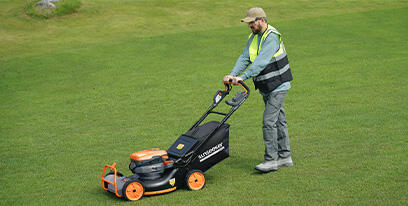
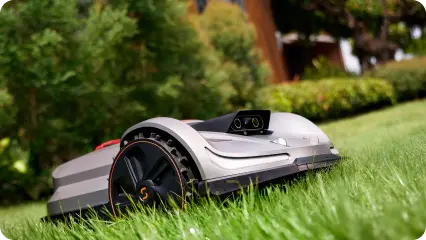
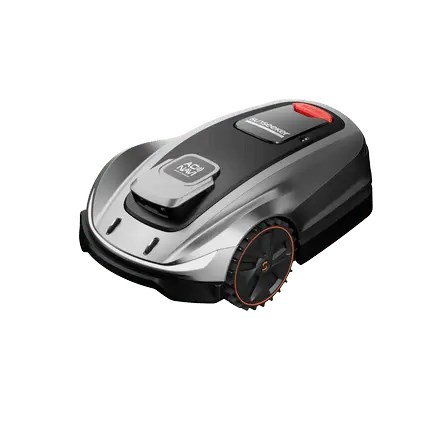
After repaired areas are fully rooted, consistent mowing can help keep growth even and reduce stress caused by letting grass get too tall between cuts. For large established lawns that need regular maintenance, Sunseeker Elite X9 can support a steadier routine with planned, automated mowing for maintained turf. It can help keep healthy grass at a more stable height after recovery.
Pet areas need a separate plan. Train dogs to use one mulched or gravel area when possible. Rinse fresh urine spots with water, and repair burned centers quickly before weeds move in. For lawns that dry unevenly, adjust sprinklers so coverage overlaps without flooding low spots. A simple tuna-can test can show if one zone receives far less water than another.
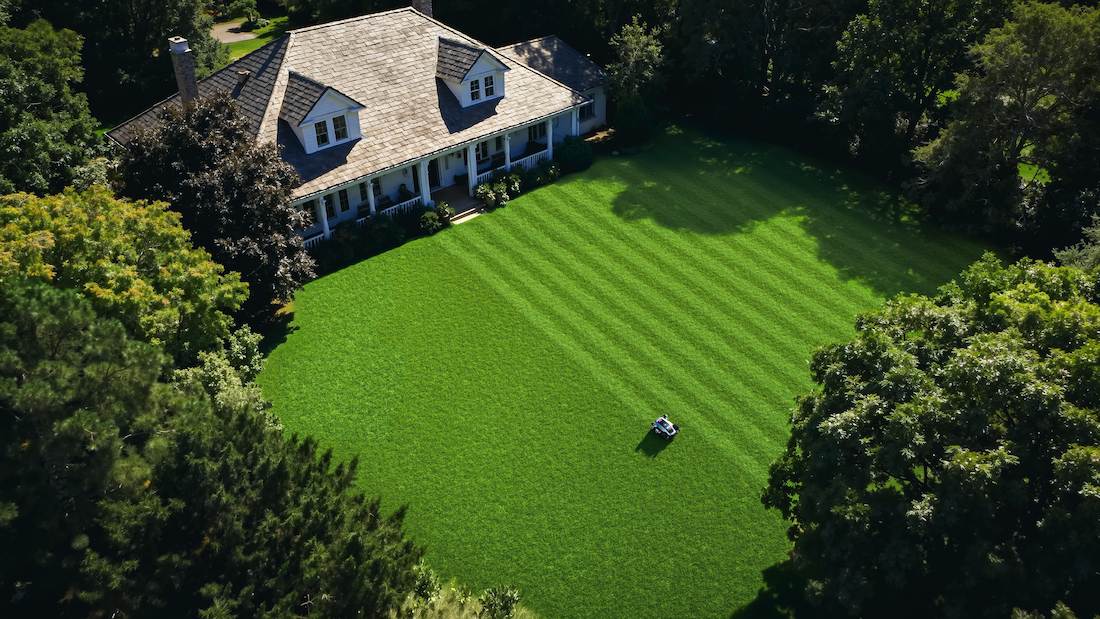
Learning how to fix dead grass patches on lawn starts with finding the cause. Once you know if the problem is drought, pet urine, grubs, disease, or compacted soil, the repair becomes more reliable: clear the dead grass, improve the soil, reseed or sod, and water carefully until roots settle in. Long-term prevention comes from steady care, not one quick fix. For ongoing mowing support after your lawn is healthy again, you can also explore Sunseeker's GPS Robot Mowers for regular lawn maintenance.
Brown grass may grow back if the crowns and roots are still alive. If the grass pulls out easily, feels brittle, or leaves bare soil behind, that section is dead and needs reseeding or sod. Always fix the cause first, or the new grass may fail in the same spot.
Remove the dead grass, loosen the top 2-3 inches of soil, add a thin layer of compost or topsoil, then reseed with a matching grass type. Keep the seedbed damp until germination. If pests, urine, or drainage caused the damage, correct that problem before seeding.
It can, but only if the grass is dormant or lightly stressed. Drought-stressed grass often greens up after deep watering and cooler weather. A truly dead brown patch will not regrow by itself. Rake the area, check the soil, and reseed during a suitable growing season.