





FAQs
7/25/2026
Contents
Products
Residential Lawns







Explore
Where to Buy


Dead spots can come from drought, insects, disease, compacted soil, pet damage, or grass that has gone dormant. The right repair starts with finding the cause. Remove damaged material, improve the soil, reseed when needed, and adjust lawn care habits to help new grass survive.
A few brown patches can make a healthy lawn look neglected almost overnight. You may notice bare circles, yellowing grass, or turf that pulls away from the soil with little effort, and it is easy to assume every spot needs the same repair. In reality, dead patches are common because dryness, fungus, insects, pet urine, or compacted soil can all leave similar marks.
If you are searching how to fix dead spots in lawn, this blog will help you narrow down the cause first, then choose the right repair method so the grass has a better chance to grow back evenly.
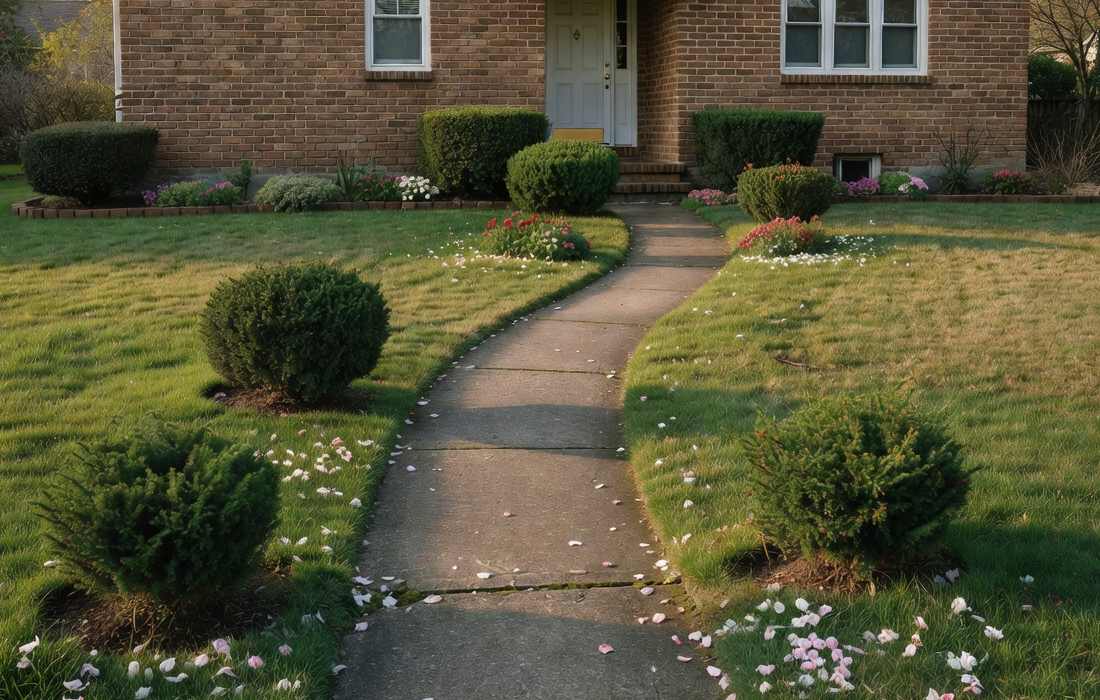
Dead spots are areas where grass has stopped growing or has lost its healthy green color. Some spots are truly dead, meaning the grass crowns and roots are damaged. Others only look dead because the grass has entered dormancy during heat, drought, or cold weather.
Dormant grass is not the same as damaged grass. During drought, many warm-season grasses turn brown to protect themselves and can recover after rainfall or irrigation. Damaged grass, however, will not return without repair if the roots or growing points are destroyed.
Common signs of a true dead spot include:
Before you learn how to repair dead spots in lawn areas, first confirm that the grass is actually dead. Treating dormant grass with unnecessary chemicals or removing healthy turf can create more problems.
Dead spots appear when grass cannot maintain healthy roots, leaves, or access to water and nutrients. Finding the reason behind the damage is the most important step because the repair method depends on the cause.
Other causes include chemical spills, heavy traffic, poor drainage, shade, and competition from tree roots. A patch beside a driveway may have heat stress, while a patch under a tree may have too little sunlight. Looking at the location often gives useful clues.
A repair will only last if the original problem is corrected. Before adding seed or soil, inspect the area and compare it with healthy grass nearby. The following table helps match common symptoms with possible causes.
Symptom | Possible Cause | First Check |
Grass pulls up easily | Root damage from grubs or severe stress | Check roots and soil for insects |
Round brown patch | Pet urine, fungus, or disease | Look at pattern and surrounding blades |
Dry grass near pavement | Heat and drought stress | Check soil moisture depth |
Grass is thin but alive | Compaction or poor soil | Test drainage and soil firmness |
Patch returns every year | Ongoing environmental issue | Compare location and seasonal pattern |
This diagnosis step prevents a common mistake: reseeding a problem that is still active. For example, new grass will struggle if grubs are still eating roots or if the soil remains too compacted for water movement.
Once the cause is clear, repairing the lawn is usually straightforward. Small spots need simple cleanup and reseeding, while larger areas may need soil improvement or a different repair approach.
Rake out dead blades, loose roots, and debris until you reach firm soil. Remove enough damaged material so new seed can touch the ground. If the soil is hard, loosen the top 1 to 2 inches with a rake or hand tool.
Add a thin layer of compost or quality topsoil if the area is poor or uneven. Do not bury surrounding healthy grass. A small amount of organic material can improve moisture retention and give new roots a better start.
Choose a grass seed that matches your existing lawn and climate. Spread seed evenly, press it into the soil, and cover lightly with compost or straw. For faster repairs, a small sod patch can replace larger dead sections. The new grass type should match nearby turf so the repair blends in.
Keep the soil surface moist until new grass develops. Light watering once or twice daily may be needed during dry weather. Avoid heavy foot traffic, pets, and mowing until the new grass is established.
For homeowners asking how to get rid of dead spots in lawn areas caused by repeated stress, the repair is only part of the solution. The lawn care routine must also change so the same damage does not happen again.
Prevention is easier than repeated repair. Once the lawn is healthy again, focus on habits that protect roots, improve soil, and reduce stress.
Regular mowing also helps you notice problems before they become large dead areas. A consistent cutting routine keeps grass at a stable height and makes changes in color or growth easier to spot.
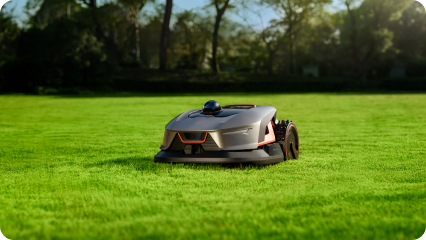
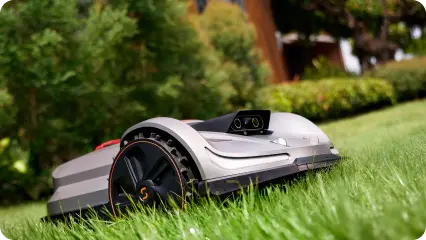
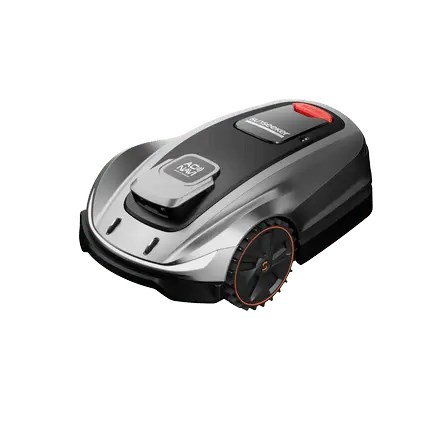
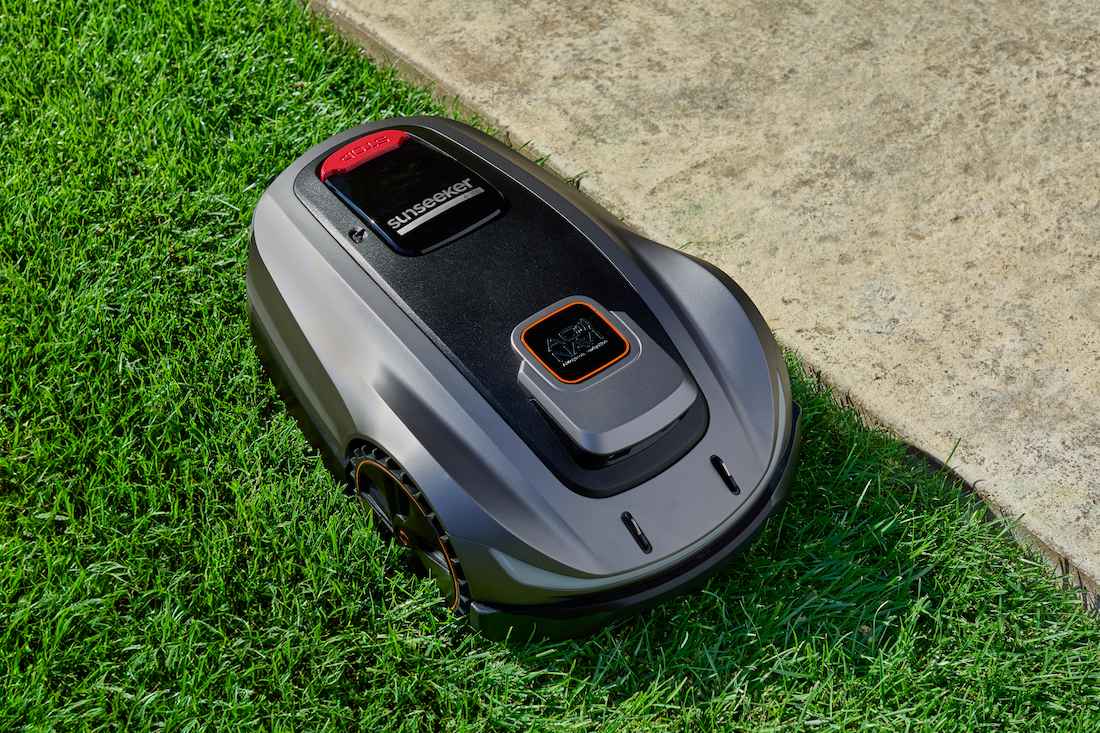
For larger lawns, the Sunseeker Elite X5 can support regular lawn maintenance with wire-free navigation, app control, virtual boundaries, multi-zone management, and intelligent path planning. Keeping mowing consistent helps reduce lawn stress and supports healthier turf after repairs.
If you are comparing automated care options, a robot lawn mower can help maintain a more regular mowing schedule, which is useful for lawns recovering from thin areas or uneven growth.
Fixing dead spots starts with identifying the cause, not just covering the brown area. Check for drought, pests, disease, compaction, and other stress factors before repairing the grass. Remove damaged turf, improve the soil, reseed or patch when needed, and protect new growth during recovery. With the right repair and better lawn habits, most dead spots can become healthy grass again.
Simply spreading seed over dead grass usually gives poor results because seed needs contact with soil. Remove loose dead material, prepare the surface, add seed, and keep the area moist. If the old grass is completely dead, clearing the spot first gives new roots a better chance to establish.
Dead grass spots will not always return, but the original cause must be fixed. If the issue was temporary drought, proper watering may solve it. If the cause is pests, compaction, or repeated damage, the same spot can fail again unless the underlying problem is corrected.
You can add a thin layer of topsoil over a prepared dead spot, but do not simply cover dead grass without removing damaged material. Seed needs good soil contact. Rake out loose turf, add a light soil layer, spread seed, and keep the area moist during germination.