






FAQs
7/25/2026
Contents
Products
Residential Lawns









Explore
Where to Buy


Brown spots usually appear because grass is stressed, burned, diseased, or damaged at the roots. The right repair depends on the cause. Dry soil needs deeper watering, pet urine needs flushing and reseeding, fungus needs moisture control, pests need treatment, and fertilizer burn needs dilution plus patience.
A brown patch in an otherwise green lawn can feel confusing. You water, mow, and fertilize, yet one area still turns straw-colored while the rest of the yard looks fine. Many homeowners start asking, "how do I fix brown spots on my lawn?" before they know what caused the damage.
The good news is that most brown spots can be repaired once you match the treatment to the problem. Some patches need water, some need seed, and some need pest or disease control first. The sections below break the causes into simple checks, then show how to treat brown spots in lawn without wasting time on the wrong fix.
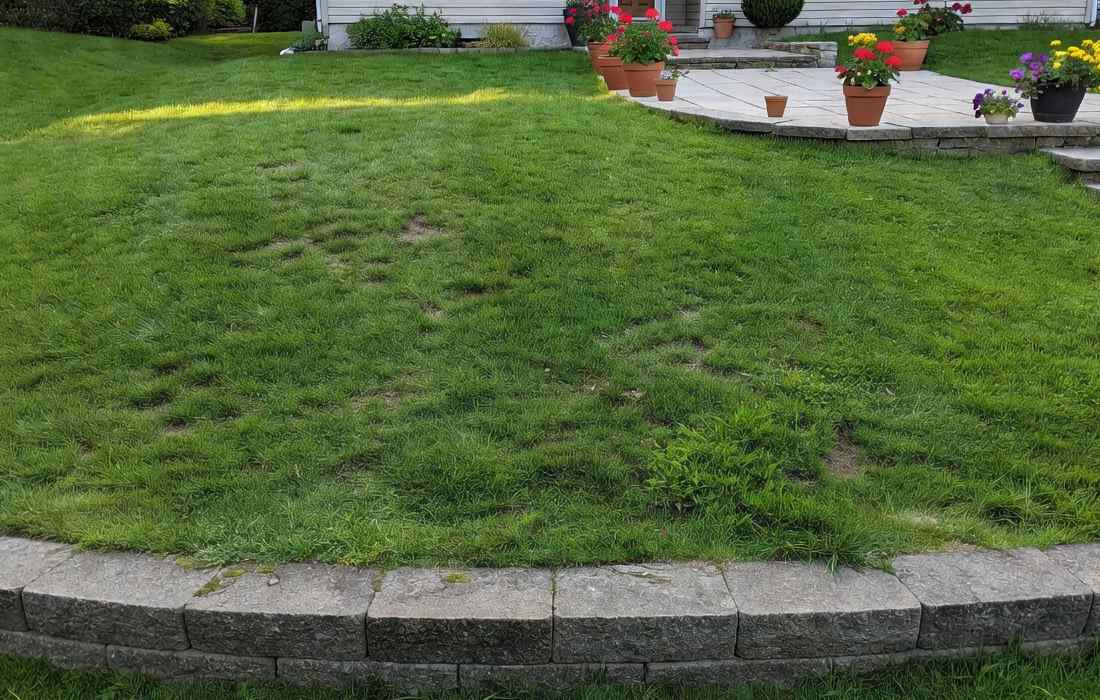
Brown spots are not all the same. A dry patch, a pet urine burn, and a grub-damaged area may look similar at first, but they need different repairs. Before you buy products or reseed, inspect the soil, roots, recent weather, and the shape of the patch.
Drought stress often shows as dull, bluish-green grass that fades to tan or brown. Footprints may stay visible after you walk across the lawn. The soil may feel hard an inch or two below the surface, even if the top looks damp after a light sprinkle. Sunny slopes and areas near pavement dry out faster because heat reflects onto the grass.
How to Fix: Water deeply instead of lightly. Aim for about 1 inch to 2 inches of water per week, including rain, and apply it in one or two deep sessions rather than tiny daily sprays. Push a screwdriver 4 to 6 inches into the soil after watering; if it stops near the surface, keep watering longer. For a dead patch, rake out loose grass, loosen the top 3/4 inch of soil, add seed, and keep the area evenly moist until new blades thicken.
Pet urine burns are often round or irregular spots with a darker green ring around the edge. The center browns because concentrated nitrogen and salts burn the grass. Female dogs can create more visible spots because urine is often deposited in one place. These marks usually appear in repeated bathroom areas, not randomly across the whole lawn.
How to Fix: Flush fresh spots with water as soon as possible to dilute salts. For old brown centers, remove the dead grass, scratch the soil surface, and reseed. Do not add more fertilizer to the damaged center, since nitrogen is already part of the problem. Create a gravel or mulch potty area, train your dog to use it, and rinse favorite lawn spots during hot, dry weeks.
Lawn fungus can create brown, yellow, gray, or reddish patches, often with uneven edges. It is more likely when nights are warm and humid, grass stays wet for many hours, or the lawn has heavy thatch. You may see spots on individual blades, white web-like growth in the morning, or patches that spread after long wet periods.
How to Fix: Improve drying first. Water in the early morning so blades dry during the day, avoid evening irrigation, and mow with sharp blades to reduce torn grass tips. Remove excess thatch if it is thicker than about 1/2 inch. If disease keeps spreading, use a lawn fungicide labeled for the suspected disease and follow the label carefully. Reseed only after the disease is under control, or young grass may fail too.
Grubs feed on grass roots, so the lawn may lift like a loose rug. The patch can turn brown even when you water because the roots can no longer pull moisture from the soil. Birds, raccoons, or skunks digging in the area can also suggest grub activity. Check by cutting a small square of turf and peeling it back.
How to Fix: If you find several grubs in a small soil section, treat the pest before you reseed. Use a grub control product at the right season for your region, because preventive and curative products work at different grub stages. After treatment, press loose turf back into contact with soil if roots remain. For bare areas, rake away dead grass, add a thin layer of compost, reseed, and water gently until roots hold.
Fertilizer burn usually appears after a recent feeding, especially if granules were spilled, applied unevenly, or left on dry grass during hot weather. Brown streaks or patches may follow the spreader path. The grass tips may look scorched because too much salt pulls moisture out of the plant.
How to Fix: Water the area deeply for several days to move excess fertilizer salts through the soil. Sweep or vacuum visible granules from pavement and heavy clumps in the grass. Do not fertilize again until the lawn shows active recovery. If the crown of the grass is still alive, green growth may return. If the patch stays brittle and loose after two to three weeks, remove the dead material and reseed.
Recovery time depends on the cause and the condition of the grass crown and roots. Brown blades can look discouraging, but the plant may still be alive. The fastest way to judge the next step is to tug gently, check the soil, and look for new green growth near the base.
If you want to know how to repair brown spots on lawn quickly, the honest answer is that living grass can bounce back faster than dead grass. Once stems pull out easily and the soil is bare, repair means rebuilding the patch instead of waiting for the old blades to green up. When the center has become bare soil, switch from waiting for recovery to a repair process for how to fix bare spots in lawn.
Prevention is easier than repeated repair. Once you know how to fix brown spots on lawn, the next goal is to keep stress low, spread wear more evenly, and avoid sudden changes in water, fertilizer, and mowing height.
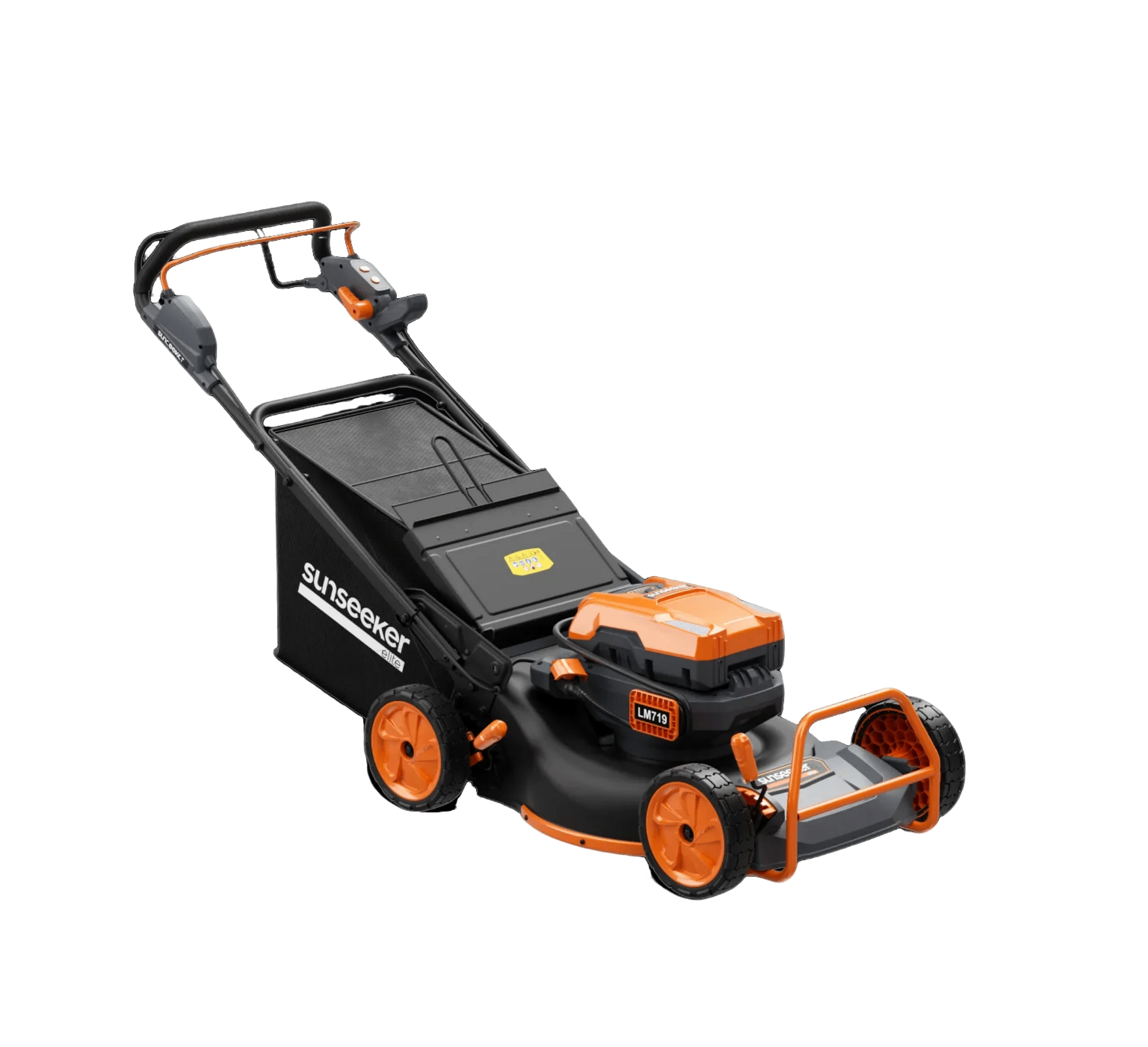
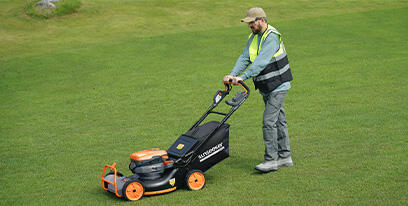
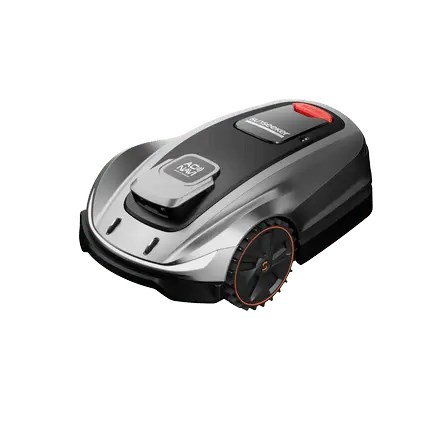
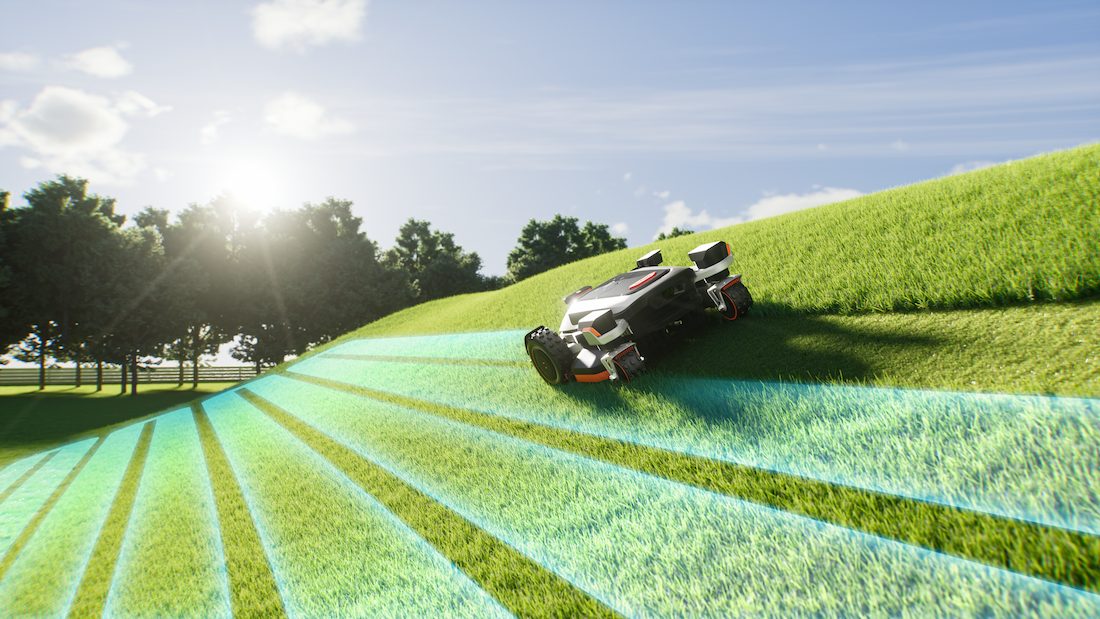
After brown spots are repaired and the lawn is growing evenly again, regular mowing can help keep new and old grass at a similar height. For larger lawns that need steady upkeep, the Sunseeker Elite X9 Plus can support routine maintenance as part of the X9 Series. Its large-area focus and consistent cutting pattern are most useful after grass is established, helping prevent long, stressed growth cycles that can make weak patches stand out.
Many brown spots can be handled at home, but some problems need a closer diagnosis. A professional can test soil, identify disease, check irrigation coverage, and suggest treatment timing that fits your grass type and local climate.
Call a lawn care professional if brown spots keep spreading after you correct watering, if you see repeated fungus symptoms, or if large areas pull up because roots are gone. It is also smart to get help when irrigation is uneven, the soil may be severely compacted, or you have applied several products with no clear result. If damage covers more than about one-third of the lawn, a full repair plan may save money compared with repeated small fixes.
Learning how to fix brown spots in lawn starts with finding the real cause. Dry soil, pet urine, fungus, grubs, and fertilizer burn can all leave similar marks, but each one needs a different repair. Treat the cause first, then reseed or patch dead areas. Long-term success comes from steady watering, careful fertilizing, sharp mowing, and regular inspection. For bigger lawns where consistent routine care matters, you can also explore GPS Robot Mowers as part of a broader lawn maintenance plan.
Use the treatment that matches the cause. Dry spots need deep water. Pet urine needs flushing and reseeding. Fungus may need better airflow and a labeled fungicide. Grub damage needs pest control first. For dead patches, add compost, grass seed, and steady moisture.
Brown grass can turn green again if the crown and roots are still alive. Tug the grass gently. If it stays anchored and you see green at the base, recovery is possible. If it pulls out easily, the patch is likely dead and needs reseeding or sod. If repeated dead centers leave empty areas, the next step is the same soil-and-seed repair used for how to fix lawn bald spots.
Many brown spots usually point to a repeated stress pattern, such as uneven sprinkler coverage, dull mower blades, compacted soil, pet urine, grubs, or disease. Map where the spots appear. Their location often reveals the cause and helps you choose the right fix instead of treating everything the same way.