





FAQs
7/25/2026
Contents
Products
Residential Lawns








Explore
Where to Buy


Bare spots usually come from wear, pet damage, poor soil, drought, disease, or pests. Repair works best when you fix the cause first, then clear dead material, loosen the soil, add suitable seed or sod, and keep the area moist until roots hold.
A bare spot can make the whole lawn look neglected, even when the rest of the grass is still green. It might appear beside a walkway, under a play area, near a dog run, or in a sunny patch that dries out faster than the rest of the yard. Many homeowners try to fix it by scattering seed right away, only to see thin growth or the same empty patch return.
Repairing bare spots works better when you first understand why the grass disappeared. In this blog, we’ll look at how to identify the cause, prepare the soil, choose the right repair method, and protect new grass while it fills in.
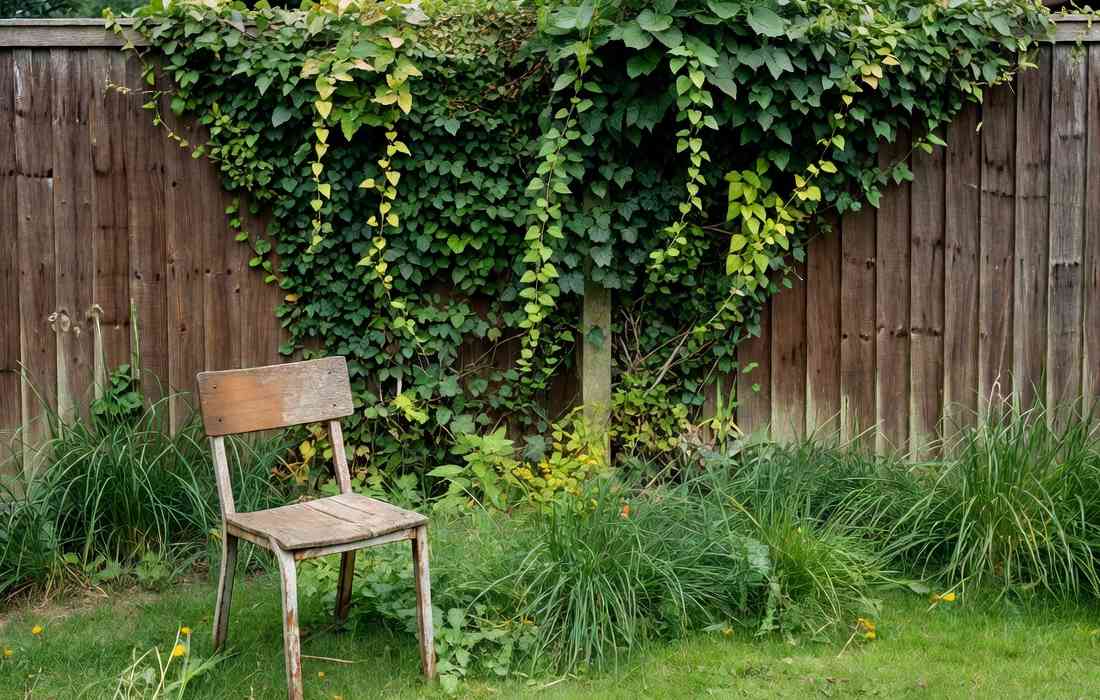
Before you repair a patch, look at why it opened up. The shape of the bare area, soil feel, nearby activity, and root condition can tell you a lot. This helps you fix bare patches in lawn without repeating the same problem next season.
Foot traffic wears grass down slowly. Shortcuts across the lawn, paths between the patio and gate, children's play areas, and spots around furniture often thin first. Repeated pressure crushes grass blades and compacts the soil. Seed may sprout in these areas, but it will not last unless you loosen the ground and reduce the traffic. Stepping stones, mulch paths, or moving outdoor furniture can protect the repair.
Pet urine, digging, and repeated running can all leave bare spots. Urine can burn grass because it contains concentrated nitrogen and salts, while digging removes the grass crown and exposes loose soil. Rinse fresh urine spots with water, refill holes with soil, and keep pets off repaired patches until the new grass has been mowed a few times. A designated pet area can help if damage keeps returning.
Grass struggles in soil that is hard, shallow, rocky, or low in organic matter. Water may run off instead of soaking in, and roots stay weak. Push a screwdriver into the patch. If it is hard to reach 3 to 4 inches, compaction is likely part of the problem. Loosen the top layer, mix in a little compost, and level the surface before seeding.
Drought can kill grass crowns, disease can thin the turf, and pests such as grubs can damage roots. Check the patch before repair. Dry soil an inch or two down suggests moisture stress. Spotted blades or fuzzy growth can suggest disease. Turf that lifts like a loose mat may point to grubs. Treat these problems first, then reseed or sod the damaged area. If grass is still present but has turned brown instead of disappearing, diagnose how to fix brown spots in lawn before removing turf that may still recover.
For anyone looking at how to fix lawn bald spots, successful repair still depends on seed-to-soil contact, a level surface, steady moisture, and protection while new grass establishes. These steps work for small bare spots and can also be scaled up when you need to repair bare patches in lawn across a larger area.
Rake out dead grass, weeds, leaves, stones, and loose thatch. You want clean soil, not a layer of debris between the seed and the ground. Clear slightly beyond the damaged edge so new growth blends into the surrounding lawn. If the patch has weeds, remove the roots too, or they may compete with young grass.
Loosen the top 2 to 3 inches of soil with a rake, hand cultivator, or garden fork. Break up hard clods and remove stones. If the soil is poor, mix in about 1/2 to 3/4 inch of compost or lawn soil. Level the area with the surrounding turf. A low dip can collect water, while a raised mound dries out and may get scalped when mowed.
Choose seed that matches your lawn type, sun exposure, and climate. A shady patch needs a shade-tolerant mix, while a sunny play area needs tougher grass. Cool-season grasses often establish best when soil is about 50 to 64°F. Warm-season grasses need warmer soil, often 64 to 75°F or higher. Matching the seed to the site helps the patch blend better.
Spread seed evenly at the label rate. Too much seed can crowd seedlings and create weak growth. For small patches, scatter seed in two light passes. For larger bare spots in lawn, use a hand spreader. Rake very lightly so some seed settles into the surface. Cover with a thin layer of compost, lawn soil, or clean straw, but do not bury the seed deeply.
Water gently right after seeding. Keep the top 1/2 to 3/4 inch of soil evenly moist during germination, which may mean light watering once or twice a day in warm or windy weather. After sprouts appear, water less often but a little deeper. Keep feet, pets, and mower wheels away until the grass is rooted and has been mowed at least once.
Seed, sod, and patch products can all work, but they solve different problems. Choose based on patch size, timing, budget, and how quickly you need coverage.
If you are asking how to repair a bare patch of lawn that is wider than a few feet, take extra time with soil preparation. Seed can still work, but sod may be better on slopes, erosion-prone areas, or places that need fast cover.
New grass is fragile at first. The roots are short, the blades dry quickly, and light traffic can pull seedlings loose. Care during the first few weeks decides how thick the repair becomes.
The new area may look lighter or darker at first. That is normal. As it matures and you mow it several times, the color and texture usually blend better with the rest of the lawn.
Repair is only half the job. Long-term results depend on reducing the stress that caused the bare soil in the first place. A few small habits can keep repaired patches from reopening.
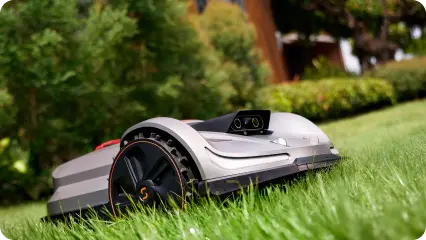
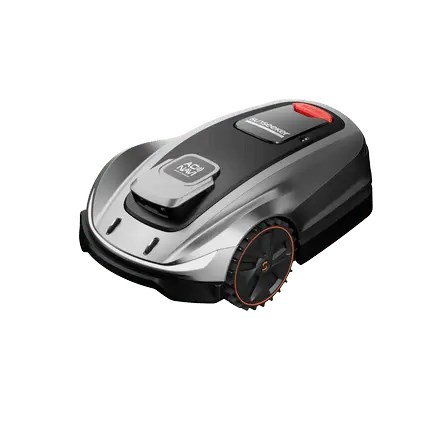
After a repaired patch is fully established, consistent mowing helps new grass thicken and blend with the rest of the lawn. For routine care on larger or uneven lawns, the Sunseeker Elite X7 Gen 2 can support regular maintenance with AONavi positioning that combines RTK and VSLAM 2.0, plus smart path planning for orderly coverage.

Learning how to fix bare spots in lawn starts with finding the cause. Traffic, pets, poor soil, drought, disease, and pests all need slightly different repairs. Clear the patch, improve the soil, seed or sod correctly, and protect the area while roots grow. With steady care, bare patches can blend back into the lawn and stay stronger. For long-term mowing support after repairs mature, you can also explore GPS Robot Mowers as part of a regular lawn care routine.
Grass can grow back in bare spots if the soil is healthy and the cause has been fixed. If the area is completely bare, existing grass may not fill it quickly. Rake the soil, add suitable seed or sod, keep it moist, and protect it until roots establish.
You can sprinkle seed, but results are often weak without preparation. Seed needs contact with loose soil, steady moisture, and light cover. Rake out dead material, loosen the surface, spread seed evenly, cover lightly, and water gently. That simple prep improves germination.
The best time depends on grass type. Cool-season lawns are usually repaired in early fall or spring, when soil is mild and rain is more common. Warm-season lawns repair best in late spring or early summer, once the soil is warm and grass is actively growing.