





FAQs
5/12/2026
Contents
Products
Residential Lawns








Explore
Where to Buy


During active growth, check your lawn every 5–7 days and mow when the grass reaches about 1.5 times its target height. For example, mow 3-inch grass back to 2 inches. This follows the one-third rule and prevents a single cut from removing too much leaf tissue.
The question “How often should you mow your lawn?” becomes harder to answer when the same weekly routine produces good results in spring but leaves stressed or overgrown grass later in the year. Grass type, temperature, rainfall, fertilizer, and sunlight all change the growth rate. This guide helps you identify the right mowing height, adjust your routine through the seasons, and respond correctly when the lawn is wet, drought-stressed, or overgrown.

The one-third rule means removing no more than one-third of the grass blade in a single mow. To turn that rule into a working schedule, multiply your target height by 1.5:
Mow-at height = target height × 1.5
If your target height is 3 inches, mow at approximately 4.5 inches and return the grass to 3 inches. If it reaches 5 inches, cutting directly to 3 inches would remove 40% of the blade. Raise the deck for the first cut, then lower it gradually over later mowings.
A weekly schedule is a useful reminder to inspect the lawn, not a requirement to cut it. Measure several representative areas because sunny, irrigated, and fertilized sections may grow faster than shaded or dry areas.
Start with the recommended height for the dominant grass in your lawn. The table below combines common home-lawn ranges published by US Cooperative Extension programs with the one-third-rule trigger.
|
Grass Type |
Growth Pattern |
Typical Target Height |
Mow When It Reaches |
Active-Growth Check |
|
Kentucky bluegrass |
Cool-season |
2.5–3.5 in |
3.75–5.25 in |
About every 5–7 days |
|
Perennial ryegrass |
Cool-season |
2.5–3.5 in |
3.75–5.25 in |
About every 3–7 days |
|
Fine fescue |
Cool-season |
2.5–3.5 in |
3.75–5.25 in |
About every 7 days |
|
Turf-type tall fescue |
Cool-season |
3–4 in |
4.5–6 in |
About every 5–7 days |
|
Common Bermudagrass |
Warm-season |
1–2 in |
1.5–3 in |
About every 5–7 days |
|
Zoysiagrass |
Warm-season |
1–2 in |
1.5–3 in |
About every 3–7 days |
|
St. Augustinegrass |
Warm-season |
2–3 in |
3–4.5 in |
About every 5–7 days |
|
Centipedegrass |
Warm-season |
1–2 in |
1.5–3 in |
About every 5–10 days |
These intervals are starting points for active growth, not fixed deadlines. Use the height trigger to decide whether mowing is actually needed. Cultivar, irrigation, soil, fertility, and local climate can shift the ideal height, so use local Cooperative Extension guidance when it differs from a general range.
Kentucky bluegrass and perennial ryegrass grow most actively during cool spring and fall weather. Turf-type tall fescue also favors cooler conditions but is normally maintained higher. Bermudagrass, Zoysiagrass, St. Augustinegrass, and Centipedegrass accelerate after warm-season growth begins and slow as dormancy approaches. (Sources: Iowa State University Extension and University of Georgia Extension.)
Seasonal mowing depends on whether the lawn contains cool-season or warm-season grass. Adjust the interval when growth changes, while continuing to use the one-third rule.
|
Season |
Cool-Season Lawns |
Warm-Season Lawns |
|
Spring |
Inspect every 4–7 days as Kentucky bluegrass, fescue, and ryegrass enter rapid growth. |
Begin regular mowing after the lawn has greened up and resumed measurable growth. |
|
Summer |
Mow less often during heat or drought and raise the deck within the recommended range. |
Inspect every 3–7 days during peak growth, depending on grass type and rainfall. |
|
Fall |
Return to regular mowing as cooler temperatures restore growth; continue until growth stops. |
Extend the interval as temperatures fall and the lawn moves toward dormancy. |
|
Winter |
Stop when the grass is dormant or no longer gaining height. |
Stop during dormancy; in frost-free areas, mow only when the lawn reaches its height trigger. |
Cool-season lawns may grow quickly enough to need mowing more than once a week during rainy periods. Warm-season lawns should not be cut simply because the calendar says spring; wait for active green-up and new growth. For the first mow, remove dead leaf material without cutting below the grass type’s recommended range.
Warm-season grasses usually require their most frequent mowing in summer. Cool-season lawns often slow during sustained heat, particularly without irrigation. Raise the cutting height toward the upper end of the recommended range during hot or dry weather to shade the soil and reduce turf stress.
Cool-season lawns commonly produce another growth flush as temperatures fall, so continue checking height regularly. Warm-season lawns require fewer cuts as growth slows. Keep mowing while the grass is actively gaining height instead of choosing a final date in advance.
Dormant grass does not need routine mowing. In areas where turf remains active through winter, measure it and apply the same height trigger used during the rest of the year. Avoid mowing frozen grass or driving equipment over frost-covered turf.
The next mowing date can move forward or backward as growing conditions change. Check height after rain, irrigation, fertilization, or a period of severe heat rather than relying on the previous week’s interval.
Adequate moisture speeds leaf growth, so the lawn may reach its mowing height sooner after rain or irrigation. If you are wondering what is the best time to mow lawn after rainfall, wait until the grass blades and soil surface are dry enough that the mower does not leave ruts, push the grass flat, or produce wet clumps. A faster growth rate does not make wet mowing necessary.
Extend the interval when grass stops gaining height during hot, dry weather. Signs of drought stress include a dull blue-gray color, folded blades, and footprints that remain visible. Do not mow dormant or severely wilted turf. Resume when growth returns, using a higher deck setting if necessary.
Nitrogen can accelerate leaf growth, so measure the lawn more frequently after an application. Mow when it reaches the calculated trigger; do not add extra mowing sessions before the grass is tall enough. Repeated surges that are difficult to manage may indicate that the nitrogen rate is higher than the lawn needs.
Sunny and shaded areas may reach the mowing threshold on different days. Do not repeatedly lower the shaded section just because the sunny area grows faster. With a zoned mowing system, assign different schedules where the growth difference is consistent.
Your lawn will usually show you when the schedule is off.
If any of these sound familiar, stretching your schedule by a few days and raising your cutting height slightly usually gives the turf a chance to recover.
If you notice either pattern, adjusting your frequency by a day or two in either direction and sticking with that for a few weeks usually brings things back into balance.
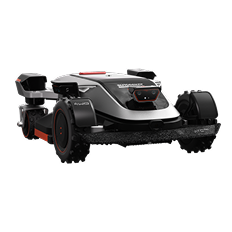
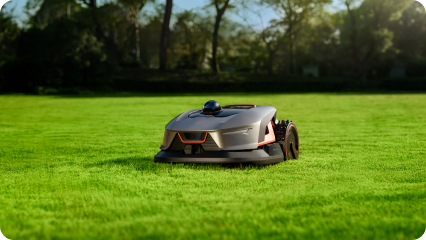
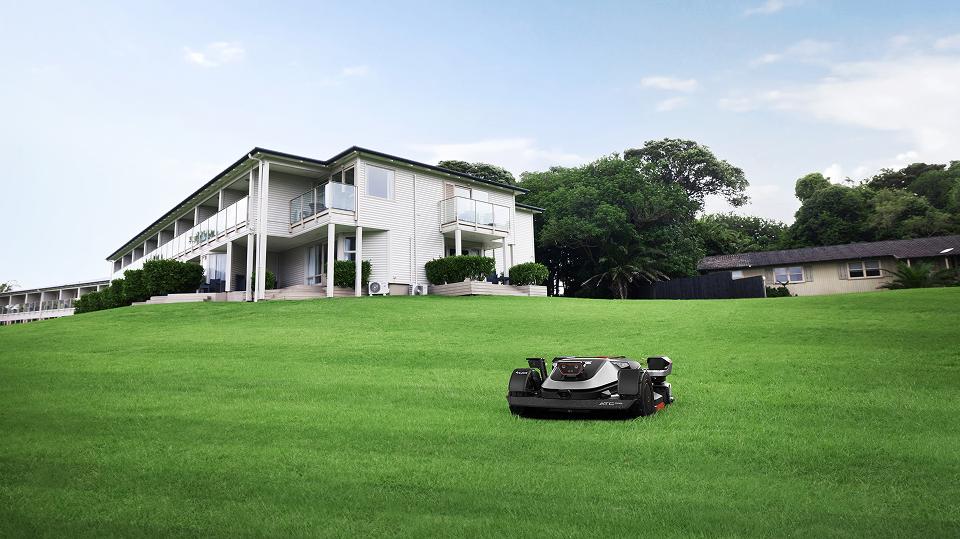
For homeowners who frequently struggle to maintain a consistent mowing routine, a robot lawn mower can help by making smaller, more frequent cuts instead of relying on a single weekly mowing session. This approach matches how grass naturally grows and can reduce the risk of both overcutting and overgrown turf. A guide to the best robotic lawn mower options can help compare models before making a purchase.
Understanding how to mow a lawn that has become overgrown starts with avoiding an aggressive one-pass cut. Do not restore it to its normal height all at once. Cutting gradually keeps enough leaf area for recovery and reduces heavy clumping.
1. Wait for dry conditions. Tall wet grass bends, clogs the deck, and cuts unevenly.
2. Set the mower high. Make the first pass without removing more than one-third of the current height.
3. Remove or spread heavy clumps. Thick mats can block light and trap moisture against the turf.
4. Allow several days of recovery. Let the grass stand upright and resume growth before the next cut.
5. Lower the deck one setting at a time. Repeat until the lawn returns to its target height.
6. Resume measuring. Use the target height × 1.5 formula to prevent another catch-up cut.
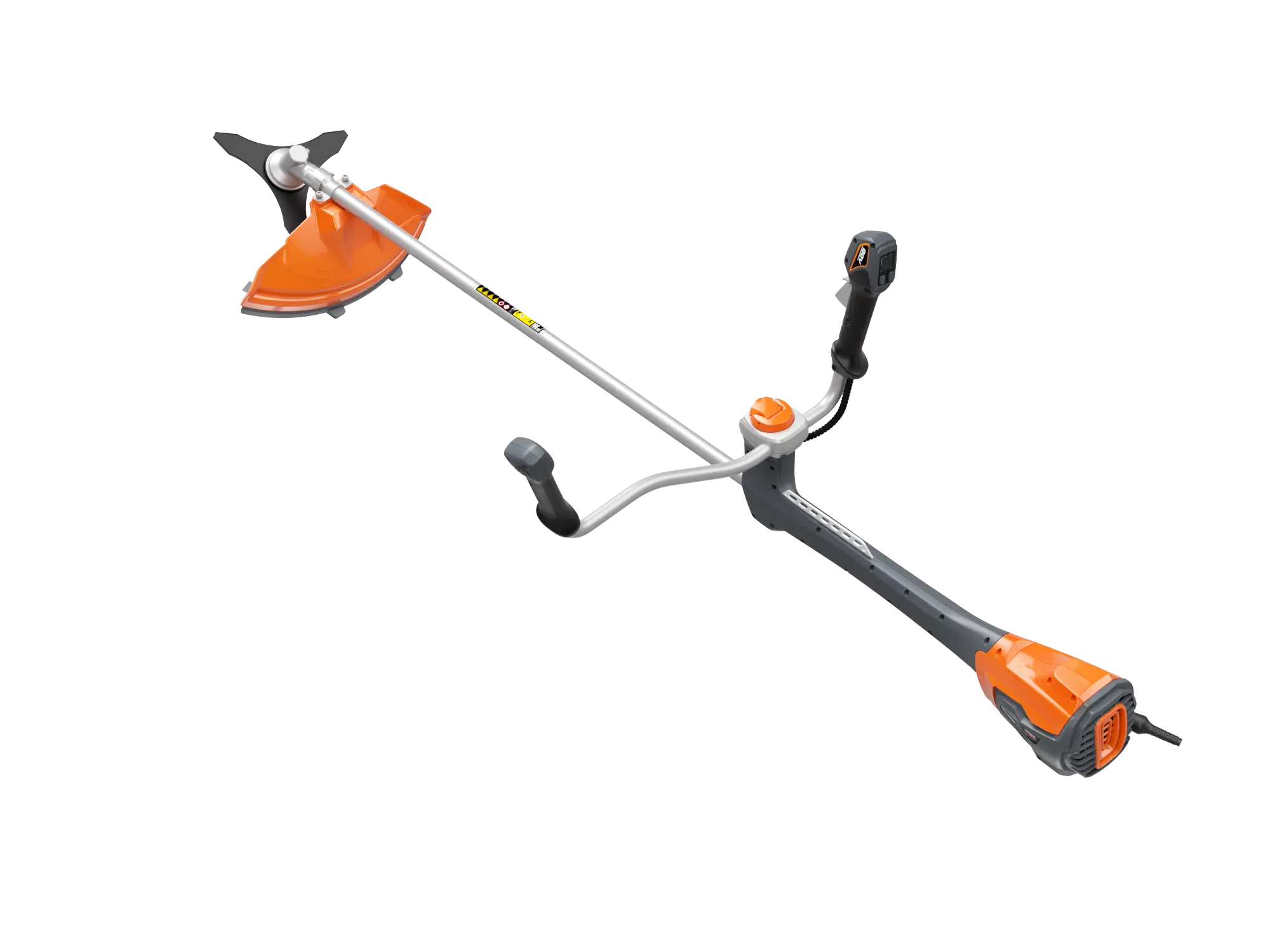
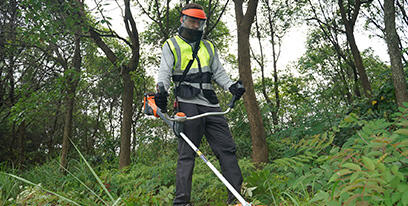
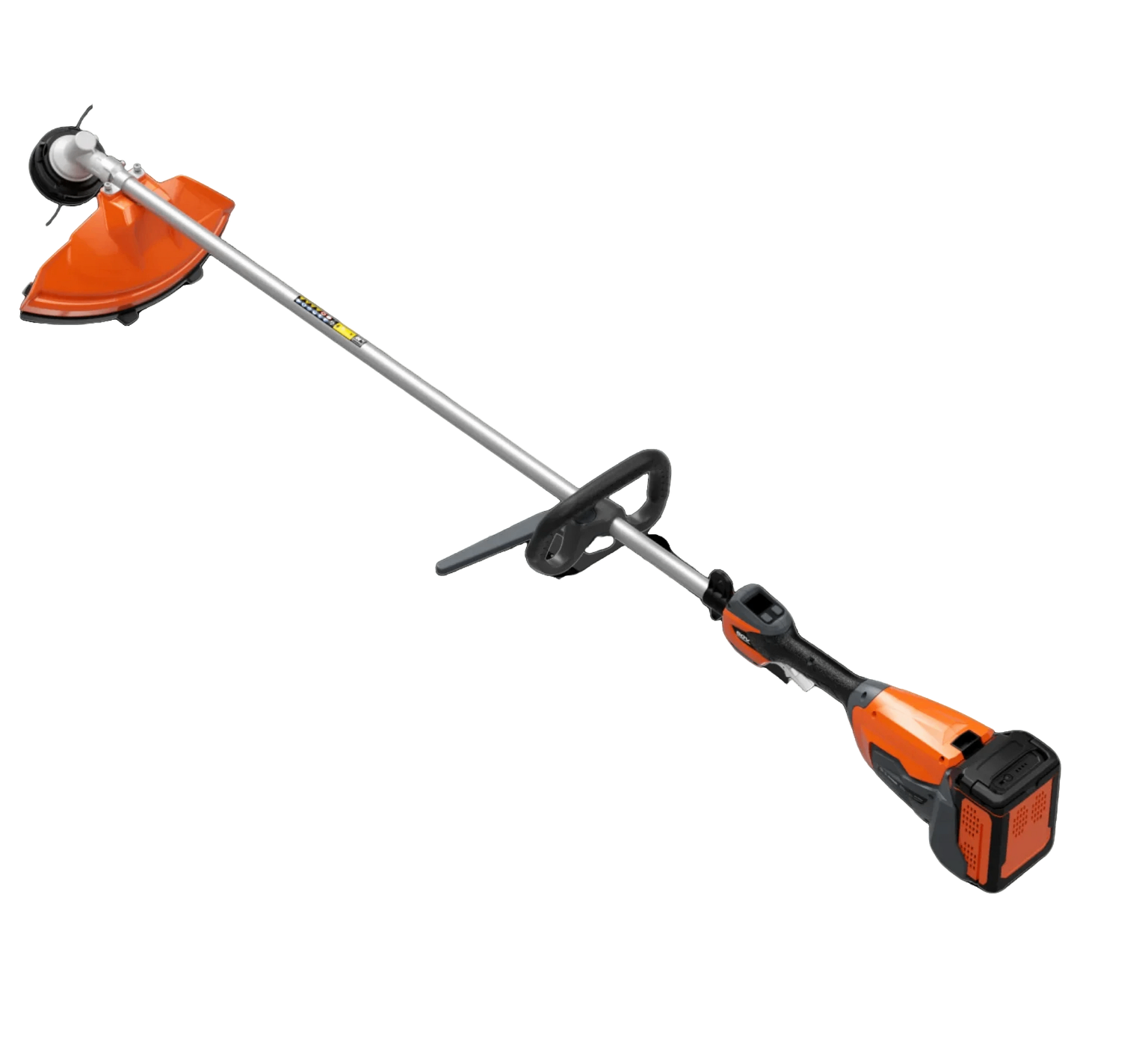
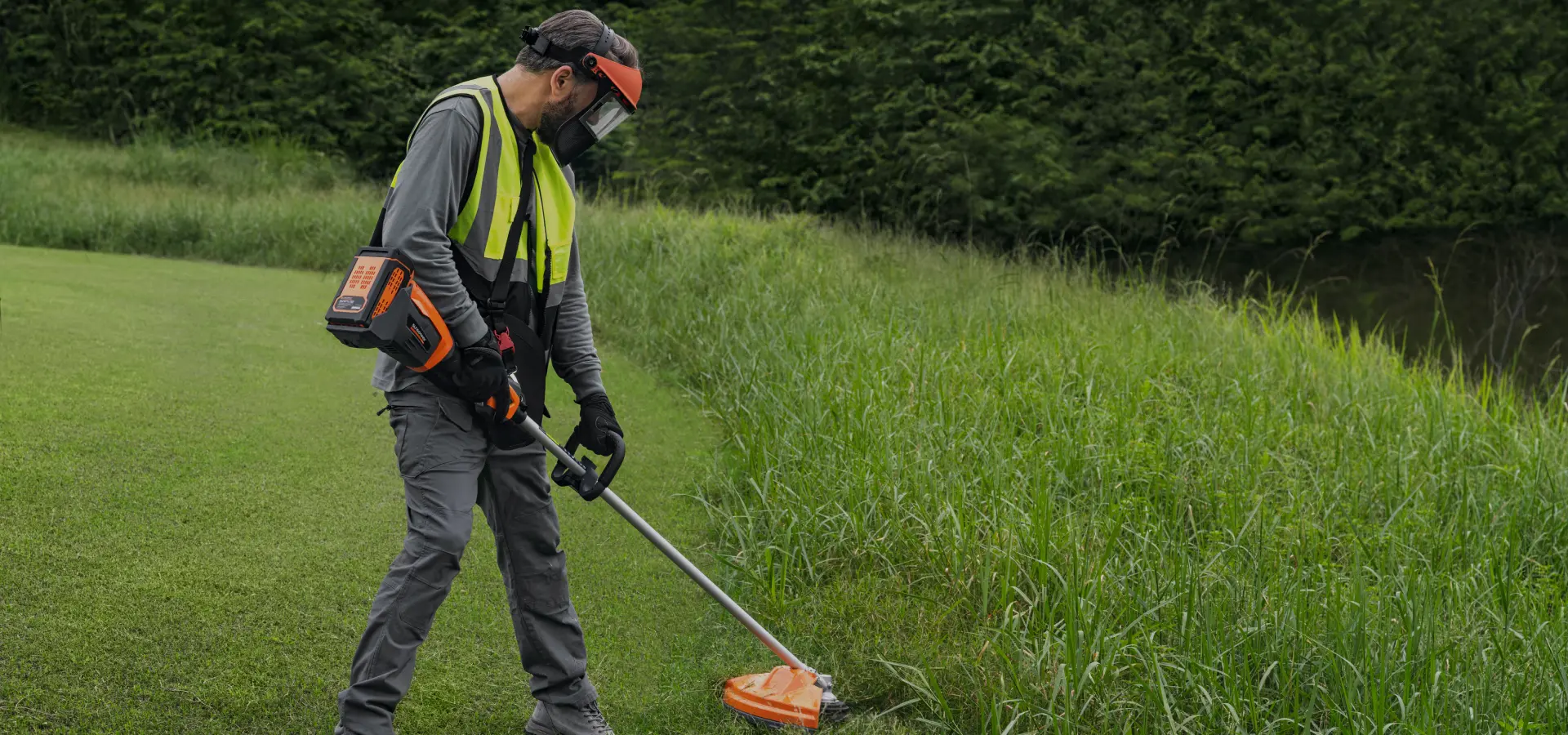
If the grass is taller than the mower can handle safely, reduce it first with suitable trimming equipment or hire a lawn service. For ordinary overgrowth, several lighter passes are better than one aggressive cut.
During active growth, a robot mower can run daily or every few days because it removes only a small amount on each pass. The correct schedule is the one that maintains the selected height without repeatedly operating on wet, dormant, or drought-stressed turf.
Start with these settings:
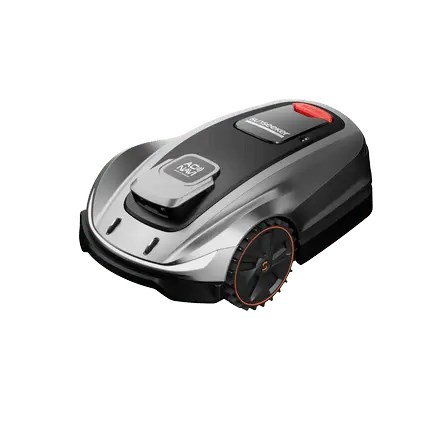
For homeowners who want to apply this “little and often” routine without reserving a weekly mowing block, Sunseeker Elite offers wire-free robotic mowers for different property sizes. The Sunseeker Elite X4 is rated for lawns up to about 0.3 acre, while the Sunseeker Elite X5 covers up to 0.5 acre. The X7 Gen 2 and X7 Plus Gen 2 extend coverage to 0.75 and 1.5 acres, and the Sunseeker Elite X9 Series is designed to cover up to 6 acres within 48 hours.
App scheduling and multi-zone management make it possible to give separate parts of the lawn different mowing times. Choose the model by usable lawn area and terrain, then adjust its schedule from actual grass growth just as you would with a conventional mower.
How often should you mow your lawn? Check it every 5–7 days during active growth, then mow only when it reaches about 1.5 times its target height. Remove no more than one-third of the blade in one session. Adjust the interval as growth changes with grass type, season, rain, heat, fertilizer, and shade. Measuring the grass instead of following a rigid calendar prevents unnecessary mowing and damaging catch-up cuts.
Once a week is a useful starting point during active growth, but it is not a universal schedule. Measure the grass and mow when it reaches about 1.5 times its target height. Rapid spring growth may require an earlier cut, while heat, drought, shade, or dormancy may extend the interval.
Warm-season grasses may need mowing every 3–7 days during peak summer growth. Cool-season lawns often need less frequent mowing during sustained heat or drought. Use the one-third-rule height trigger, keep the deck near the upper end of the recommended range, and pause when the lawn is dormant or severely stressed.
Mow after rain only when the grass blades and soil surface have dried. Wet grass bends and clumps, while saturated soil can develop wheel ruts. Rain may accelerate growth, so measure the lawn once it dries and mow if it has reached 1.5 times the selected target height.
Stop when the lawn enters dormancy or no longer gains measurable height. Cool-season grass may continue growing late into fall, while warm-season grass commonly stops earlier as temperatures fall. In frost-free areas, continue only when active grass reaches its one-third-rule mowing threshold. Never mow frozen or frost-covered turf.