



FAQs
7/24/2026
Contents
Products
Residential Lawns








Explore
Where to Buy


Summer weed and feed can help when grass is actively growing, soil has enough moisture, and temperatures are mild. It is risky during heat waves, drought stress, or dormancy. Check grass type, weed stage, label directions, and weather before spreading any combination product.
Summer often makes lawn problems show up at the same time. Weeds push through thin spots, grass starts looking dull from heat, and a weed and feed product can feel like the easiest fix. Many homeowners use it for that reason, but summer timing needs more care because stressed grass may react poorly to extra chemicals or fertilizer.
So, can you use weed and feed in summer? In this blog, we’ll look at when summer application can work, when it is better to wait, and what to check before pairing it with watering and mowing.
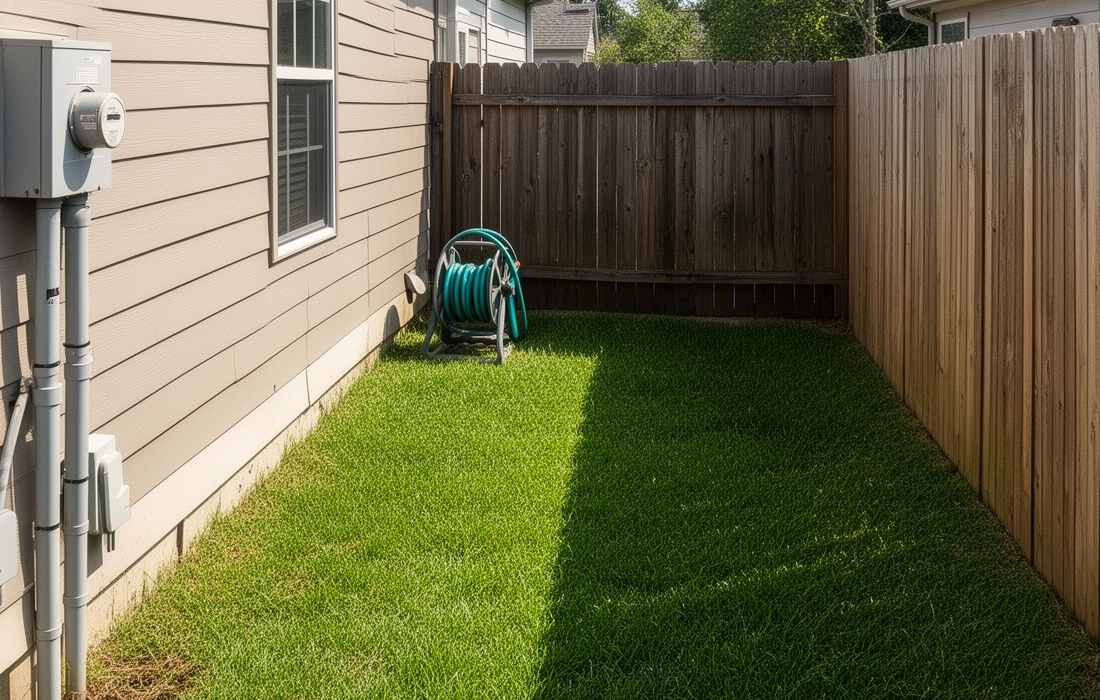
Summer weed and feed is a combination lawn product used during the warm part of the growing season. It usually contains fertilizer for turf growth and an herbicide that targets weeds, so the main appeal is convenience.
The fertilizer side supplies nutrients, most often nitrogen, which encourages green blade growth. The weed-control side may target broadleaf weeds such as clover, dandelions, plantain, and chickweed, or it may target grassy weeds depending on the active ingredient. The exact target matters because no single product controls every weed in every lawn.
In summer, that combination needs extra caution. Fertilizer can push growth when the lawn is already dealing with heat, low moisture, or shallow roots. Herbicides also work best on actively growing weeds, not on wilted plants during a dry spell. A formula that worked in spring may be too harsh on a July lawn.
Weed control and fertilizing do not always share the same ideal schedule. A lawn may need weed treatment but not nitrogen, or it may need light feeding while weeds are too mature for easy control. Treat summer weed and feed as a timing decision, not just a quick weekend chore.
Summer can be the right time in limited situations, but it is not the safest default for every lawn. Grass type, temperature, water availability, and weed growth stage decide how much risk is involved.
Cool-season grasses such as Kentucky bluegrass, tall fescue, fine fescue, and perennial ryegrass grow strongest in spring and fall. In many regions, they slow down or enter dormancy when daytime temperatures stay high and rainfall drops. During that period, a strong nitrogen push can create tender top growth while roots are under pressure.
For cool-season lawns, summer weed and feed is usually safest only during mild stretches, especially early summer or late summer when the lawn is green, watered, and growing. Avoid applying it during heat waves, drought, or when footprints remain visible in the grass. Many broadleaf herbicide labels caution against hot-weather use, often around or above 85°F.
If weeds are not urgent, early fall is usually a better window for feeding and many broadleaf weed treatments. Fall applications support the natural growth cycle, giving grass a chance to recover and fill thin spaces before winter.
Warm-season grasses such as bermudagrass, zoysia, St. Augustine, centipedegrass, and bahiagrass grow most actively in late spring and summer. Because they are built for warm weather, a carefully timed summer feeding can fit their growth cycle better than it would for cool-season turf.
The grass should be fully green, not newly planted, and not under drought stress. Soil should be slightly moist before application, and irrigation should be available if the label requires watering in. If the lawn is dormant, brown, or recovering after pest damage, wait until active growth returns.
Warm-season lawns also vary in chemical tolerance. St. Augustine and centipedegrass can be more sensitive to certain herbicides than bermudagrass. Always match the product to the grass species listed on the label.
Before spreading summer weed and feed, inspect the lawn and read the label. These checks help prevent burned turf, weak weed control, and wasted product.
Careful application matters more in summer because grass has less room for error. Use the product only when the lawn is ready, then apply evenly at the labeled rate.
Name your grass type and the weeds you want to control. Broadleaf weed and feed will not solve every grassy weed problem, and crabgrass products need different timing than clover or dandelion control.
Pick a day when the lawn is not heat-stressed and temperatures should stay below the product’s caution range. Morning is often better than afternoon because grass blades are cooler and wind is lighter.
Some granular products need damp grass so particles stick to weed leaves. Others need watering after spreading. Read this section carefully because the wrong moisture timing can reduce weed control or raise turf injury risk.
Use a broadcast or drop spreader. Set it according to the label, then apply in steady passes with slight overlap. Extra product can burn grass, injure turf, or harm nearby plants.
Follow the label for re-entry times, pet safety, irrigation timing, and cleanup. Sweep granules off hard surfaces back onto the lawn so they do not wash into storm drains.
Weeds may curl, yellow, or wilt over several days. Water deeply when the lawn needs it, but do not flood the area. Wait for label-approved timing before any repeat treatment.
In most cases, one summer application is enough. If a second treatment is needed for persistent weeds, wait at least 30 days and make sure the lawn has recovered from heat or drought stress before applying again.
Weed and feed should not stand alone. Summer lawn health also depends on mowing, watering, soil care, and prevention, because a dense lawn leaves fewer open spaces for weeds.
1. Water deeply and less often. Many established lawns need about 1 inch of water per week including rainfall, though sandy soil may need smaller, more frequent soakings and clay soil may need slower watering to prevent runoff. Water early in the morning so moisture reaches the roots before afternoon heat.
2. Mow at the higher end of the recommended range for your grass type during summer. Taller grass shades soil, slows moisture loss, and helps crowd out weed seedlings. For many cool-season lawns, a summer height around 3 to 4 inches is safer than a short cut. Warm-season lawns vary more, so follow the height recommended for your turf.
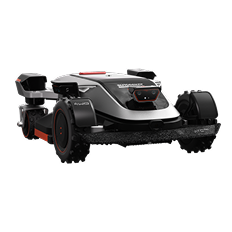
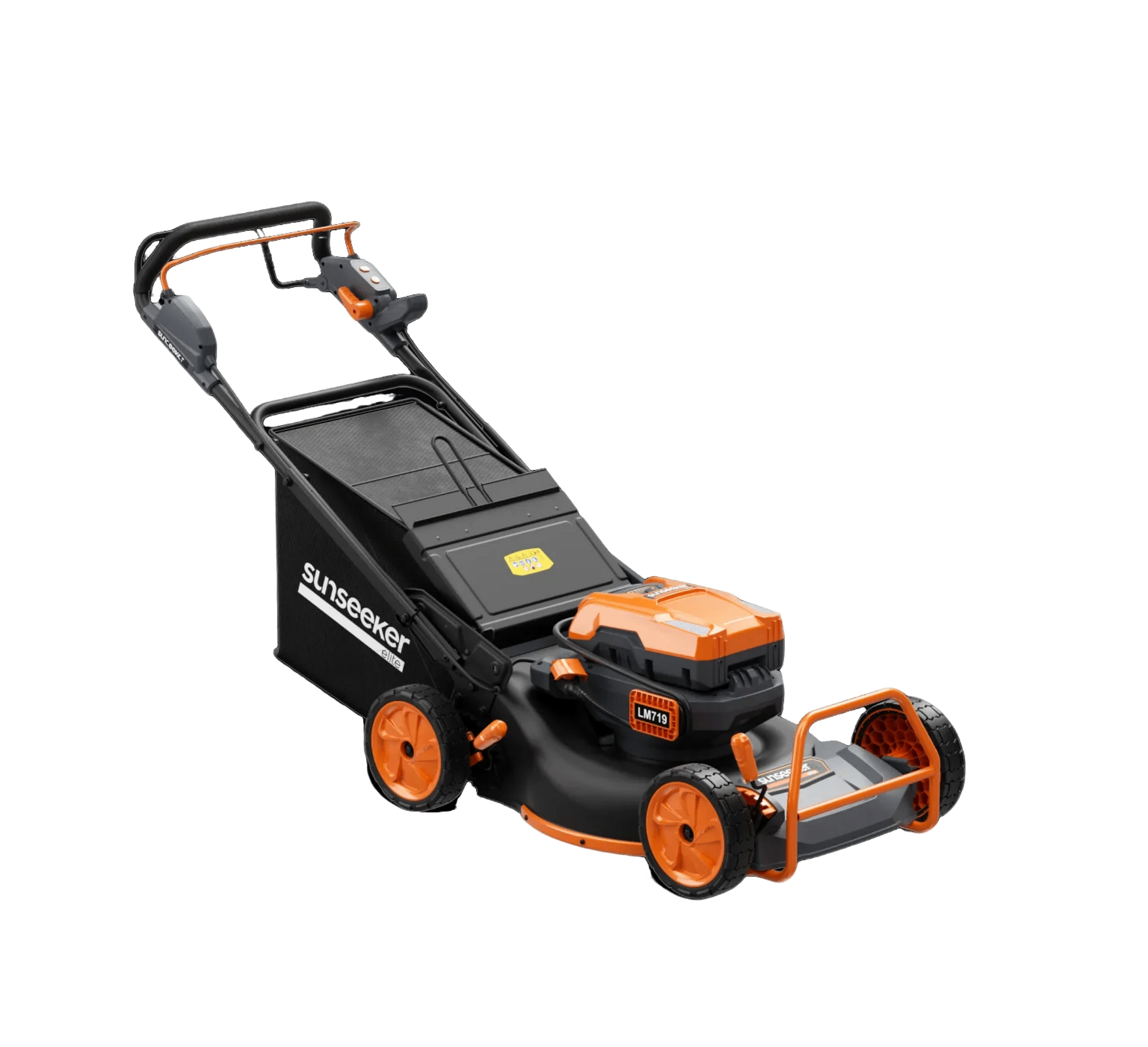
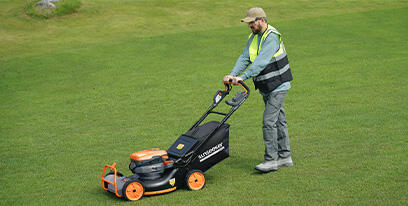
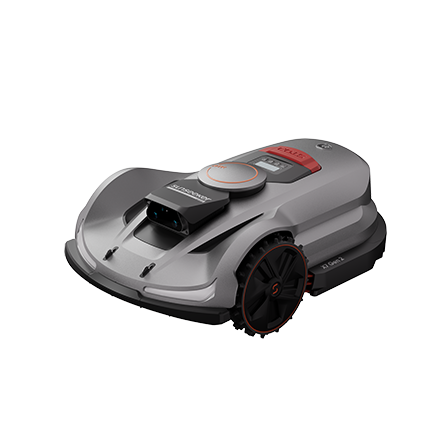
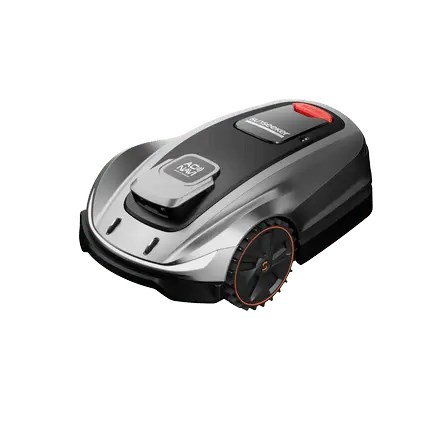
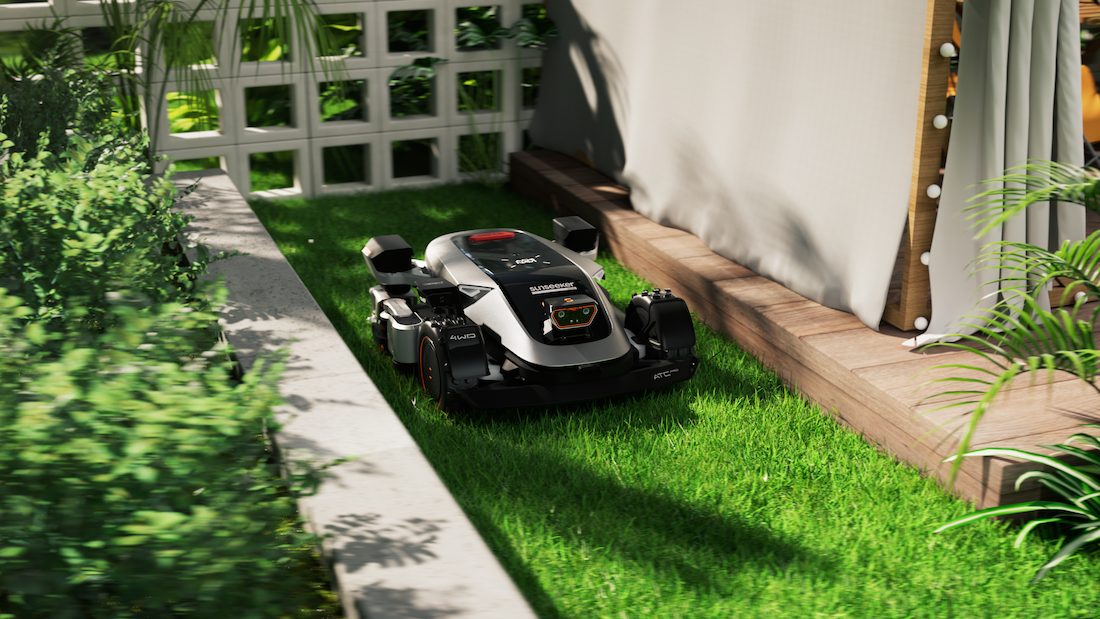
3. On large, already-established lawns, consistent mowing can support the recovery side of a weed and feed plan. Sunseeker Elite X9 can help keep routine mowing steady through scheduled operation and electric cutting-height adjustment, so the lawn is not cut too short after treatment. It can help maintain a stable canopy once the lawn is already in workable condition.
4. Leave light clippings on the lawn when they are short and dry. They break down quickly and return small amounts of nutrients to the soil. Remove clumps only if the grass is wet or the mower leaves heavy piles that could smother turf.
5. Soil care also affects weed pressure. Compacted soil, thin turf, poor drainage, and low organic matter give weeds a better opening. If water puddles or the lawn feels hard underfoot, plan aeration during the active growth season for your grass. Use soil testing before adding lime, phosphorus, or extra fertilizer.
6. Spot treatment is often better than treating the whole yard. If weeds cover only a few small areas, hand pulling or targeted herbicide may solve the issue with less chemical exposure. Save broadcast weed and feed for widespread weeds on healthy grass.
Summer weed and feed can be useful, but only when the lawn is actively growing, watered, and not trapped in heat stress. Check the grass type, weed stage, weather, and label before applying, then combine treatment with higher mowing, deep watering, and steady maintenance. Long-term weed control depends more on dense, resilient turf than on one application. For routine upkeep after recovery, exploring a robot lawn mower can be a practical next step for keeping mowing consistent without making product use the center of the plan.
It can be okay on healthy, actively growing grass during mild summer weather, especially for warm-season lawns. It is not a good idea during drought, dormancy, high heat, or after recent seeding. If temperatures are near or above 85°F, delay application unless the product label clearly allows it.
The right product depends on your grass type and weed problem. Look for a label that lists your turf species as safe and targets the weeds you actually have. Slow-release nitrogen is usually gentler in summer. Avoid products that combine the wrong herbicide timing with unnecessary fertilizer.
Do not apply weed and feed during heat waves, drought stress, heavy rain forecasts, strong wind, or when grass is newly seeded. Also avoid use on lawns damaged by insects, disease, or pet urine until the cause is fixed. A stressed lawn is more likely to burn or thin out.