




FAQs
7/2/2026
Contents
Products
Residential Lawns









Explore
Where to Buy


Weed and feed should typically be applied once a year, or twice if necessary and permitted by the product label. The timing of these applications depends on the type of grass and the specific weed issues present. For cool-season grasses, spring and early fall are ideal, while warm-season grasses should be treated after they fully green up. Always consider lawn health and environmental conditions before application to ensure effectiveness.
You’re looking at a lawn that is part healthy grass, part dandelions, and a weed-and-feed bag that promises to solve both problems at once. The real challenge is not applying it, but knowing when it actually makes sense, based on season, grass growth, and weed activity.
Weed and feed works best when the lawn is actively growing and weeds are in a vulnerable stage, but timing it wrong can reduce its effect or stress the turf. In this article, you will learn how often to apply it, which seasonal windows work best, and how to avoid common mistakes that lead to wasted treatments and uneven results.

For most lawns, apply weed and feed once per year, or twice per year only when the label allows it and weed pressure truly justifies a second treatment. A common approach is one well-timed application during active grass growth, then a later treatment only if weeds return, the turf is healthy, and you remain within the product’s waiting period and annual limits.
Do not use weed and feed as a monthly lawn booster. Because it combines fertilizer with herbicide, the schedule should follow turf needs and weed pressure, not just color. If the lawn has only a few scattered weeds, hand-pulling or spot treatment is often better than broadcasting another full application.
Season and lawn type both matter. Cool-season lawns usually respond best when feeding lines up with cooler growth periods, while warm-season lawns should be treated only after full green-up and active growth. Skip weed and feed on drought-stressed, newly seeded, diseased, or heat-stressed turf.
The right season depends on your grass type, current lawn stress, and the product label. Once those basics are clear, narrow the timing further by looking at weather and moisture conditions before you spread.
Cool-season grasses, such as fescue, bluegrass, and ryegrass, usually grow most strongly in spring and fall. For these lawns, weed and feed often fits best in spring when broadleaf weeds are active, or in early fall if the product and weed target match that window. Avoid treating during summer heat, when cool-season turf is commonly under stress.
Warm-season grasses, such as bermudagrass, zoysiagrass, centipedegrass, and St. Augustinegrass, should generally be treated after spring green-up, once the grass is actively growing. Applying too early, while the lawn is still dormant or only partly awake, can weaken turf and reduce the value of the fertilizer portion. Late spring to early summer is often a better fit than early spring.
Weed and feed works best when grass is healthy enough to recover and weeds are in a stage the herbicide can affect. Avoid applications before heavy rain, during strong wind, in drought, or during extreme heat. If the product needs granules to stick to weed leaves, a lightly moist lawn may help; if it needs watering in, dry foliage and prompt irrigation may be the better setup.
Once timing is set, correct application matters just as much. To get consistent results, the key is following a clear application process that matches timing, lawn conditions, and product instructions.
Check the label to make sure the weed and feed is suitable for your grass type and the weeds you actually have. Some formulas target broadleaf weeds, while others are designed for different weed types. Using the wrong product can reduce effectiveness or stress the lawn.
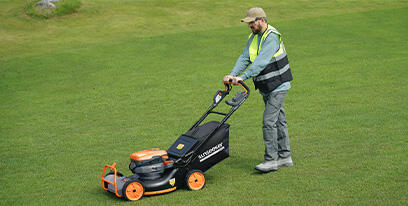
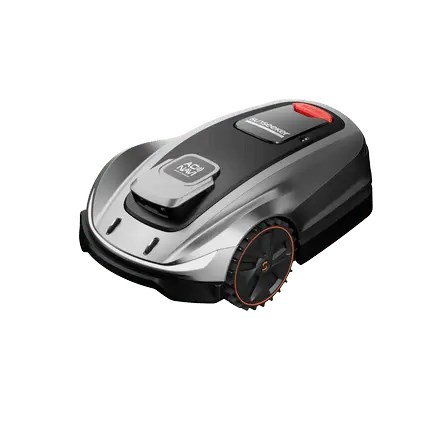
Mow the lawn 1–2 days before applying if the product label allows it. This helps the weed leaves stay exposed so the treatment can work more effectively. A robot lawn mower can be useful here because it keeps grass at a steady height without sudden heavy cuts that stress the lawn. Avoid mowing immediately before application so weed leaves can absorb the treatment properly. Make sure the lawn is dry unless the label says otherwise.
Estimate your lawn size and adjust the spreader settings according to the product instructions. This step helps avoid under- or over-application, which can lead to uneven results or turf damage.
Walk at a steady pace and apply in straight, slightly overlapping lines. Avoid stopping or double-spreading in one area, since uneven coverage can cause striping, burning, or weak spots.
Some weed and feed products need to stay on the leaf surface for a period before watering, while others should be watered in soon after application. Always follow the product instructions instead of using a general rule.
Do not mow immediately after application. Give the treatment time to work, usually a few days depending on the product label, so both feeding and weed control can take effect properly.
Weed and feed can work well, but many problems come from simple application errors that reduce effectiveness or damage the lawn. Most issues are easy to prevent once you know what to watch for during use.
Weed and feed can be useful in certain lawn situations, but it is not always the most precise or efficient solution. Understanding its strengths, limitations, and better alternatives helps you decide when it actually makes sense to use it.
Pros
Cons
Alternatives
When weed pressure is light or localized, more targeted approaches are often more efficient than a full-lawn treatment. In many cases, improving overall lawn health can also reduce the need for chemical control over time.
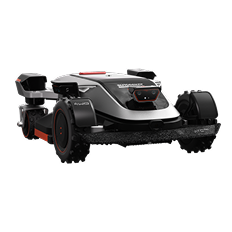
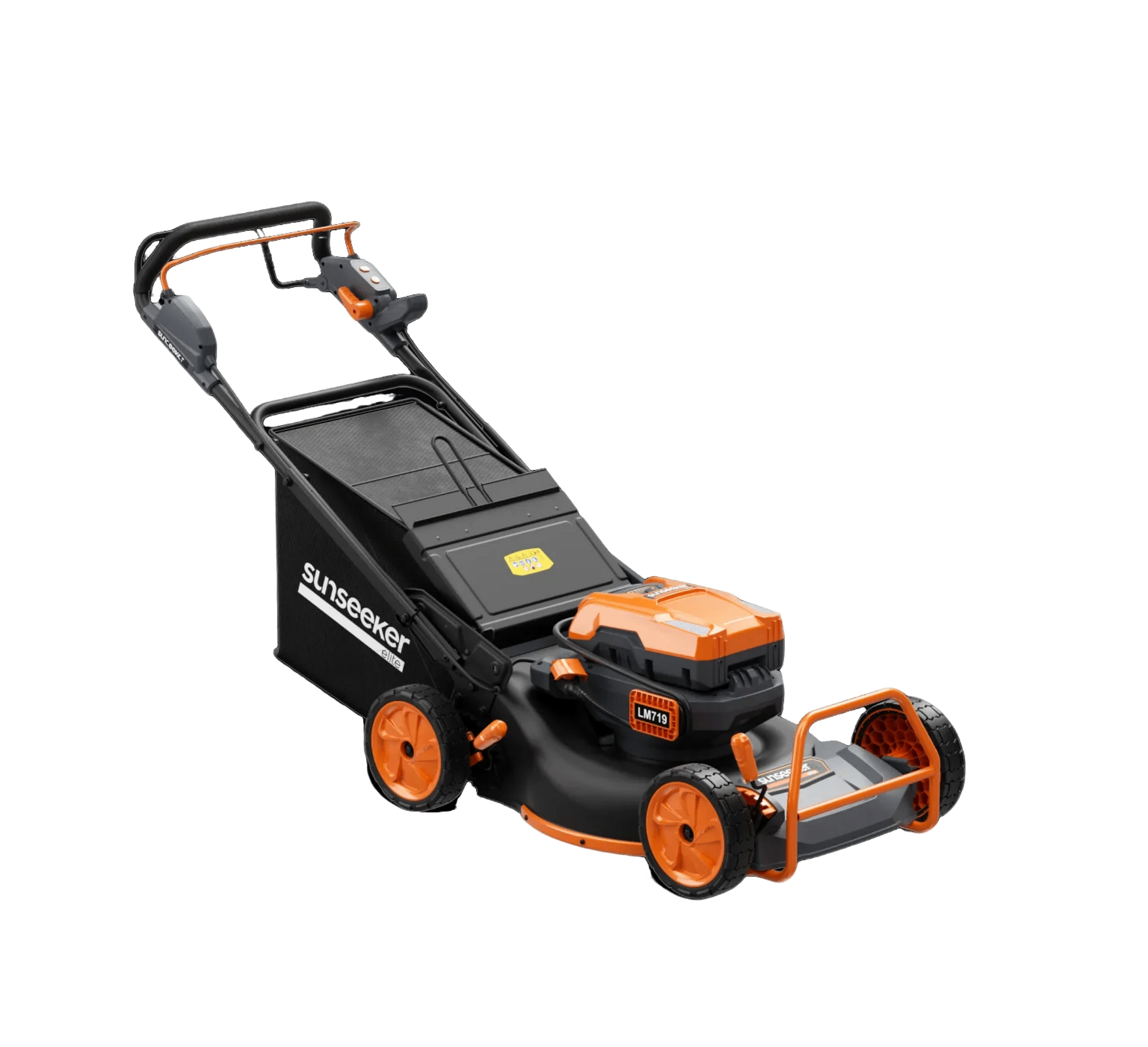
Consistent lawn density plays a key role here, since thick, regularly maintained grass naturally blocks weed growth by limiting light and space at soil level. Tools like the Sunseeker Elite X7 Gen 2 can help support this routine by maintaining an even cutting schedule and keeping grass height more stable over time, which reinforces the long-term prevention effect without relying only on chemical control.

Most lawns should be weeded and fed once yearly, with a second application only when weed pressure, season, lawn health, and the product label all support it. Time the treatment for active grass and weed growth, not for convenience alone. If weeds are scattered or the lawn is stressed, choose spot treatment, routine care, or soil improvement before repeating a whole-lawn weed and feed application.
Weeds can remain if the timing, weed type, or application conditions were off. Some products mainly target broadleaf weeds and may not control crabgrass, nutsedge, moss, or other grassy weeds. Heavy rain, incorrect watering, or poor contact with weed leaves can also reduce results. Thin turf, compacted soil, bare patches, and poor mowing or watering habits can keep inviting weeds back.
Avoid weed and feed when the lawn is drought-stressed, heat-stressed, diseased, newly seeded, or not fully established. Do not apply before heavy rain, during strong wind, or when extreme heat is expected. Warm-season grass should not be treated while dormant or only partly greened up, and cool-season turf should generally avoid summer heat. Always follow the label for grass type, timing, and waiting periods.
Yes. Applying too much weed and feed, overlapping passes, or repeating treatments too soon can damage the lawn. Excess fertilizer may burn turf or push weak top growth, while too much herbicide can injure grass and increase runoff risk. Measure the lawn, set the spreader correctly, and stay within the product’s listed rate, waiting period, and annual limits.