A mower can feel easy on an open strip of grass and awkward the moment the yard narrows around trees, beds, fences, or play equipment. The steering layout affects how much space the machine needs, which end swings outward, and how closely the deck can follow an edge.
A rear wheel steering lawn mower handles those turns differently from a conventional front-steer machine or a zero-turn mower. This guide explains the turning geometry, the yard layouts that benefit most, the tradeoffs to check before buying, and the habits that help you mow cleanly without adding unnecessary tire marks or extra trimming.
What Rear Wheel Steering Changes During a Turn
Rear steering changes the path of both the mower body and the cutting deck, so the operator needs to think about the rear swing as well as the inside cutting line. The basic geometry explains the handling feel.
On a typical rear-steer ride-on mower, the rear wheels change direction while the front of the machine follows the chosen line. The rear of the chassis therefore swings outward during a turn instead of simply following the front wheels. That can create a tight inside path around a tree or bed, especially when the cutting deck sits ahead of the operator. The tradeoff is that fences, posts, parked equipment, and other objects beside the rear of the mower need extra clearance.
The design can also reduce repeated reversing because the cutting deck can be placed close to an obstacle while the steering axle redirects the machine behind it. Tire motion matters too. A smooth rolling arc usually disturbs turf less than a pivot that leaves one drive tire nearly stationary, although wet soil, sharp steering inputs, tire pressure, and machine weight still affect scuffing.
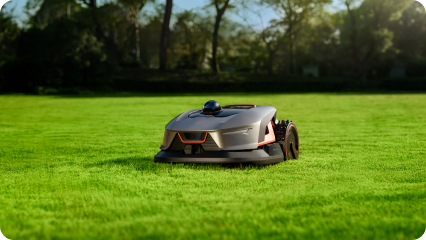
Rear-wheel steering also appears on autonomous equipment. Sunseeker Elite X9 uses dual rear-wheel active steering with zero-turn capability, paired with all-wheel drive and path planning. On an established lawn, that combination helps the mower change direction in confined areas while keeping the cutting path centered through the maneuver.
Where Rear Wheel Steering Helps Most
The biggest gains appear in yards where maneuvering consumes more time than straight-line mowing. Obstacles, edge work, and repeated direction changes make steering geometry much more noticeable than it is on open turf.
Tight Turns Around Trees and Landscaping
Trees, island beds, lamp posts, and curved planting areas create repeated small turns. Rear steering can place the front of the mower close to the feature while the back of the machine swings through the turn. That can reduce the wide loops common with some front-steer tractors. The operator should still leave space for the rear body and rear wheels, especially beside stone edging or trunks. On wet or newly seeded ground, use a wider arc and lower speed so the steering tires roll rather than scrub across the surface.
Following Edges With a Front-Mounted or Forward Deck
A front-mounted or forward deck gives the operator a clearer view of where the blades are working. Combined with rear steering, the deck can trace a fence line, bed edge, or shrub border while the rest of the mower remains farther away. This setup is useful for lawns with many defined edges. Deck width still matters: a 48-inch deck needs more physical room than a 36-inch deck, so compare actual gate and passage widths before assuming tight steering alone will solve access problems.
Reducing Backing and Finish-Trimming Around Obstacles
Every reverse move adds time and creates another chance to miss a strip of grass. A mower that can swing through an obstacle-rich area in one continuous arc may need fewer three-point turns around benches, trees, or play structures. That can also reduce hand trimming when the deck reaches closer to the edge on the first pass. The benefit is greatest on established layouts with repeatable mowing lines; clutter that moves every week still requires slower operation and wider safety margins.
Rear Wheel Steering vs Zero-Turn and Front-Wheel Steering
The main difference is how each steering system changes direction and uses space around obstacles. A simple comparison makes it easier to see where each setup fits best.
|
Factor
|
Rear Wheel Steering
|
Zero-Turn
|
Front-Wheel Steering
|
|
How it turns
|
Rear wheels steer the mower through an arc
|
Drive wheels turn independently, allowing very tight pivots
|
Front wheels steer in the direction of travel
|
|
Turning space
|
Relatively compact
|
Smallest turning space
|
Usually needs more room
|
|
Body movement
|
Rear of the mower swings outward
|
Machine can rotate around a very small point
|
Rear follows a more predictable path
|
|
Turf impact in tight turns
|
Low if turns stay smooth
|
Higher risk of scuffing during pivots
|
Usually lower because turns are broader
|
|
Reverse behavior
|
Rear movement can feel more sensitive
|
Reverse remains highly maneuverable
|
Usually feels more familiar
|
Buying Checks Before Choosing This Steering Layout
A compact turn is useful only if the mower also fits the property, cutting routine, and maintenance plan. A few practical checks reveal much more than a steering label printed on the specification sheet.
Obstacle Density and Yard Shape
Count the places where you normally slow, reverse, or reposition the mower. A yard with ten or more trees, narrow beds, gates, curved borders, and small connected lawn sections can benefit more from rear steering than a rectangular half-acre with long straight runs. Measure the narrowest gate and passage, then compare that number with the mower's total width, not only deck width. Leave several inches of clearance on each side so normal steering corrections do not put the deck or body against a fixed object.
Slope and Ground Conditions
Look at the steepest working area, not the average grade. The manual's slope limit should cover that section with room for real conditions such as damp grass, shallow ruts, and surface transitions. If the property includes side slopes, soft soil, exposed roots, or frequent wet patches, prioritize traction and stability specifications before turning radius. Test-drive the mower on terrain similar to your own when possible. A machine that feels precise on level pavement can react very differently on turf with a cross-slope.
Deck Position and Cutting Pattern
Deck location changes how useful the steering system feels. A front deck can reach under low branches or around the outside of a bed before the chassis arrives, while a mid-mount deck keeps the machine more compact overall. Think through your normal pattern: perimeter passes, alternating stripes, or frequent loops around islands. Also check overlap needs. Leaving roughly 2 to 4 inches of overlap between passes can prevent thin missed strips, but an excessively wide overlap reduces mowing efficiency on larger lawns.
Steering-Linkage Maintenance
Rear steering adds joints, pivots, tie rods, bushings, or actuators that need to stay tight and correctly aligned. Review the maintenance schedule before buying and find out which points require grease or inspection. Steering play that grows over time can make the deck wander near edges even if the mower still drives normally. During ownership, check for loose fasteners, uneven tire wear, bent linkage, or a steering wheel that no longer centers. Follow the service manual for adjustment rather than trying to remove all free play by overtightening components.
Attachments and Reverse Maneuvering
Baggers, carts, spreaders, aerators, and other attachments can change the space needed for a turn. A towed accessory follows its own arc, so a tight mower turn may cause the implement to cut inside the path or approach a fence faster than expected. Confirm that the manufacturer approves the attachment and review any limits on reverse operation. For frequent towing, practice wide turns first and watch the hitch point rather than judging clearance only from the mower body. Added rear weight can also alter traction and steering feel.
Conclusion
Rear wheel steering is most valuable in yards where trees, beds, edges, and narrow transitions force frequent direction changes. Compare the full swept path, deck position, traction, slope rating, reverse behavior, and attachment needs before choosing a machine. Smooth steering inputs and rolling turns also help protect turf over time. For automated maintenance on established lawns, a robot lawn mower with active steering and planned navigation can offer another way to manage complex turning areas with less manual repositioning.
FAQs
What is a Zero Turn Lawn Mower?
A zero-turn lawn mower is a ride-on mower designed to pivot around a very small turning point, usually through independently controlled left and right drive wheels. It is useful on open lawns with many directional changes. Operators should keep both drive wheels moving during tight turns on turf to reduce scuffing, especially when the ground is soft or wet.
Which ride-on mower is right for you?
Choose around the yard layout. Rear-steer or front-deck riders suit obstacle-heavy lawns and edge work. Zero-turn mowers suit larger, relatively open areas where fast turns matter. Conventional front-steer tractors offer familiar handling and broad attachment support. For mixed terrain, compare traction, slope ratings, deck access, dealer support, and service requirements before focusing on steering style alone.
Why is four-wheel steering helpful on slopes?
Four-wheel steering can reduce the amount of correction needed during a turn because both axles help guide the machine. On models engineered for slopes, that may improve path control and reduce wide front-end push. It does not increase the safe slope limit automatically. Tire grip, drive system, center of gravity, braking, and the manufacturer's rated maximum remain the main safety limits.



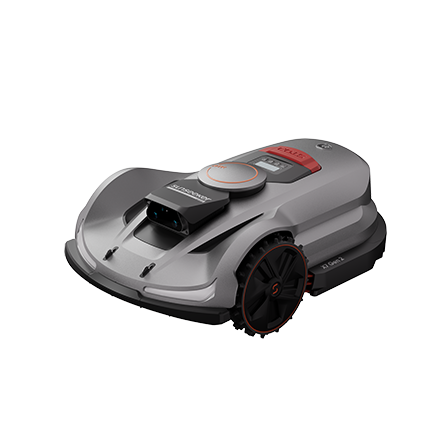

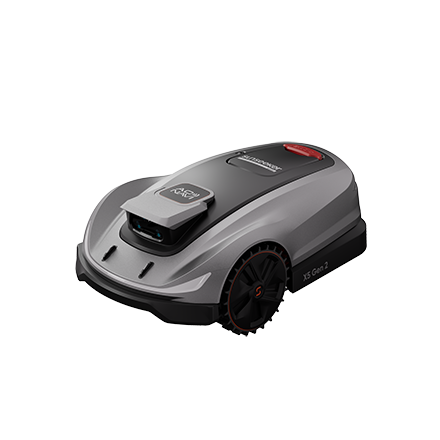

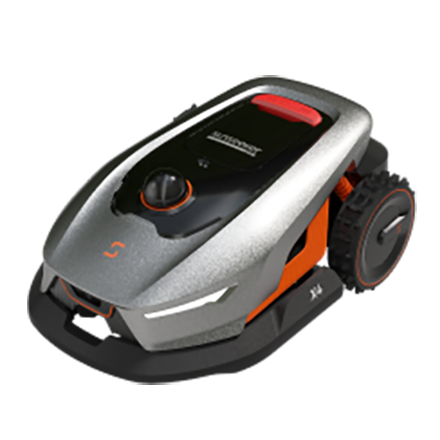
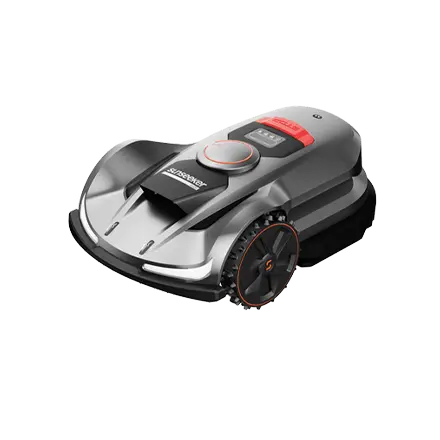

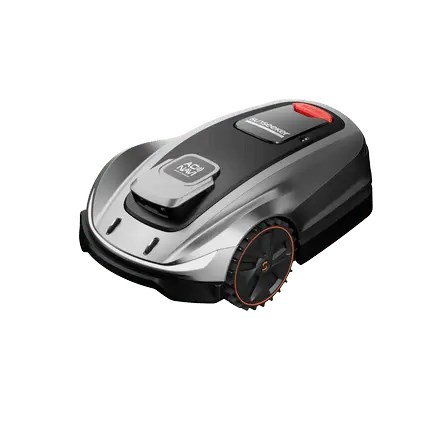





 X7 / X7 Plus Gen 2High-performance mowing for lawns up to 1.5 Acres.USD 2499 / USD 2999