





FAQs
6/9/2026
Contents
Products
Residential Lawns









Explore
Where to Buy


Not sure when to dethatch lawn? The right timing depends on your grass type. Find out what conditions to look for and how to get the best results.
Knowing when to dethatch lawn is just as important as knowing how. Done at the right time, dethatching opens up the soil, improves water and nutrient absorption, and gives your grass the best conditions to recover and thrive. Done at the wrong time, it puts already-stressed grass through unnecessary trauma. This guide covers how to read the signs, pick the right window, and follow through for lasting results.
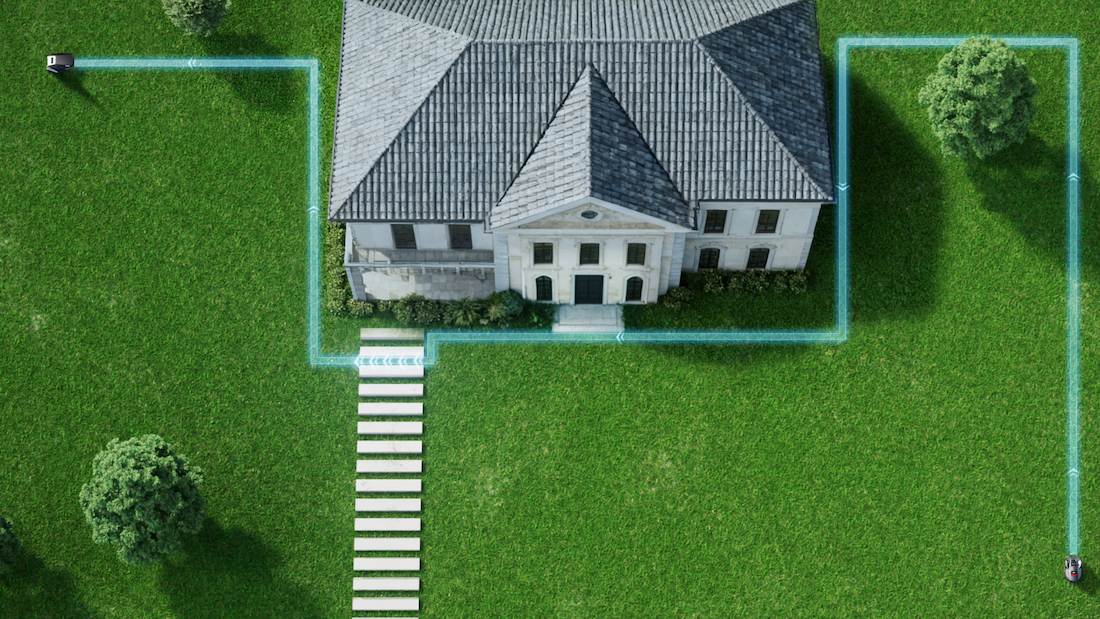
Thatch is the layer of dead and living organic matter, mainly stems, roots, and debris, that accumulates between the green grass blades and the soil surface. A thin layer of up to 0.5 in is actually beneficial. It acts as a light insulating layer, helping the soil retain moisture and regulate temperature.
Problems start when thatch exceeds 0.5 in. At that thickness, it starts blocking water, air, and nutrients from reaching the root zone. It also creates a favorable environment for pests and fungal disease, and makes it harder for new grass seedlings to establish. Lawns with heavy thatch often look dense from above but feel spongy underfoot and thin out quickly under stress.
Thatch tends to build up faster in lawns that are overwatered, overfertilized with nitrogen, or rarely aerated. Grass varieties with vigorous horizontal growth, like Kentucky bluegrass, Bermuda, and zoysia, also accumulate thatch more quickly than others. If your lawn fits this profile, it may be worth asking: when should I dethatch my lawn?
A few visible signs suggest thatch may be building up:
If any of these sound familiar, it's worth doing a quick check: cut a small plug from your lawn, about 3 in deep, and examine the cross-section. If the spongy brownish layer between the grass and the soil is thicker than 0.5 in, it's time to dethatch.
Timing dethatching to the grass's active growing season is critical. The goal is to give the lawn enough recovery time before it goes dormant or faces temperature stress.
Cool-season lawns, including Kentucky bluegrass, tall fescue, and perennial ryegrass, grow most actively in spring and fall. The best time to dethatch a lawn with cool-season grass is early fall, typically late August through September. The soil is still warm, the air is cooling down, and there are several weeks of active growth ahead before winter. Early spring is a secondary option, but fall is preferred because spring dethatching can disrupt the lawn right before summer heat arrives.
Warm-season lawns, including Bermuda, zoysia, St. Augustine, and centipede grass, grow most vigorously in late spring and summer. For warm-season grass, when to dethatch your lawn is tied to dormancy breaking. When is the best time to dethatch your lawn for this type? Late spring to early summer, once temperatures are consistently warm.Dethatching too early in spring, before growth is underway, leaves the lawn vulnerable.
A general rule for both types: dethatch when the grass is actively growing, not during dormancy, drought stress, or peak summer heat. Giving the lawn at least 45 days of active growth after dethatching helps it recover before any seasonal stress sets in.
Choosing the right season matters, but so do the conditions on the day you dethatch.
Before picking up a rake or renting equipment, a few key steps make the process more effective and reduce the risk of stressing the lawn.
For thin thatch layers under 0.75 in, a manual thatching rake works well on small to mid-size lawns. Its tines comb through the turf to pull out the dead organic layer without disturbing the living grass above or the roots below. For thicker buildup or larger areas, a power dethatcher or vertical mower does the same job more efficiently and with less effort.
The tines should reach just into the thatch layer and lightly graze the top of the soil. The goal is to loosen and lift the accumulated dead material, not to cut into the living grass or damage the root zone. Too shallow and most of the thatch stays put; too deep and you risk pulling up healthy roots.
Go across the lawn in one direction first, then make a second pass at a perpendicular angle. This cross-pattern approach combs through the thatch more thoroughly and pulls up more of the dead material than a single-direction pass.
Dethatching pulls up significant amounts of dead material. Rake it up and remove it from the lawn rather than leaving it to sit. Decomposing piles can smother the grass beneath.
The open soil surface after dethatching is an ideal time to overseed thin or bare patches. Seed-to-soil contact is better than on an established, closed turf surface.
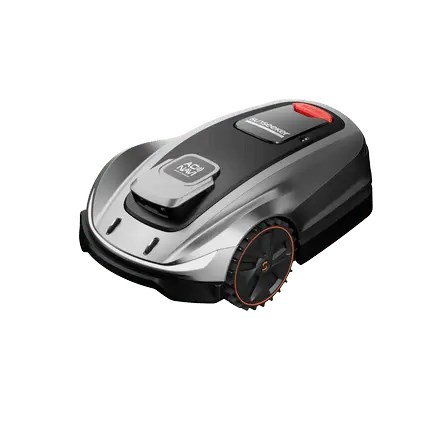
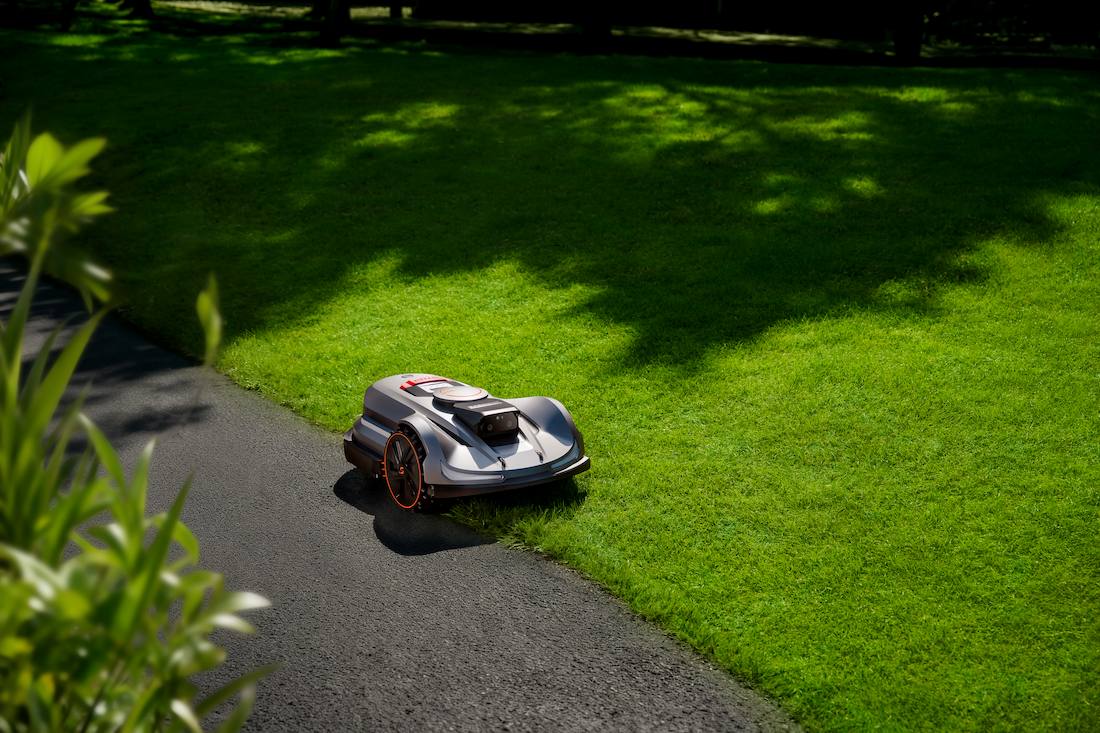
Dethatching is necessary, but it's also disruptive. The most practical way to reduce how often it's needed is to keep up with regular mowing. Frequent cuts produce shorter clippings that break down faster and are far less likely to accumulate into a thatch problem in the first place. A robot lawn mower maintains a consistent cutting schedule automatically, removing the manual effort of staying on top of mowing frequency throughout the season.
Recovery after dethatching follows a predictable sequence. Following it closely gives the lawn the best chance to fill in quickly and look good within a few weeks.
1. Water thoroughly. Within 24 hours of dethatching, water the lawn deeply, enough to reach 6–8 in into the soil. This helps the disturbed root zone settle and begins the recovery process.
2. Fertilize to support regrowth. A balanced fertilizer applied within a few days of dethatching gives the lawn nutrients to push new growth. For cool-season grasses dethatched in fall, a slow-release nitrogen fertilizer works well. For warm-season grasses, a standard summer fertilizer formula is appropriate.
3. Overseed if needed. If the lawn has bare or thin patches, this is the best time to seed. Keep the seeded areas consistently moist until germination is established, usually 10–21 days depending on grass type and temperature.
4. Aerate if compaction is also an issue. Dethatching and aeration address different problems. Thatch sits at the surface while compaction affects deeper soil, but they complement each other well when done together or in the same season.
5. Maintain a regular mowing schedule going forward. This is where long-term thatch management happens. Consistent mowing at the right height prevents clippings from piling up and ensures the lawn stays dense enough to resist weed invasion after the disruption of dethatching.
The Sunseeker Elite X7 Gen 2 fits naturally into a post-dethatching routine. Wire-free setup, AONavi™ smart route planning, and app-based scheduling mean it starts mowing automatically on your set schedule, all at 60 dB(A) and quiet enough for daily runs without any household disruption. With AWD handling slopes up to 70% (35°) and coverage up to 1.5 acres, it suits the kind of larger or more complex properties where thatch tends to be the most persistent problem. Exactly the kind of low-intervention consistency that keeps thatch from building back up.
Dethatching works best when it's timed to the grass's active growing period, done under the right soil conditions, and followed up with proper recovery care. Cool-season lawns respond best to fall dethatching; warm-season lawns to late spring. When should you dethatch your lawn? When the grass is actively growing and has enough time to recover before dormancy or heat stress sets in. Get the window right, follow through with watering and fertilizing, and the results show within a few weeks.
For cool-season grasses, late August through September is the best window. For warm-season grasses, late May through June works well once the lawn has fully broken dormancy. The specific month matters less than the grass type and whether it's actively growing at the time.
For cool-season grasses, April is workable but not ideal, as fall is the preferred window. For warm-season grasses, April is generally too early rather than too late, as most warm-season lawns haven't fully broken dormancy by then. In both cases, timing to active growth periods gives the best results.
Technically yes, but the results vary significantly depending on timing. Dethatching during dormancy, drought, or peak summer heat puts unnecessary stress on the lawn and slows recovery. The best results come from dethatching during active growth periods when the grass can heal quickly. When is the best time to dethatch a lawn? During the growing season specific to your grass type: fall for cool-season, late spring for warm-season.