





FAQs
7/25/2026
Contents
Products
Residential Lawns








Explore
Where to Buy


Apply lawn fertiliser when grass is actively growing, the soil is lightly moist, and heavy rain is not expected for 24 to 48 hours. Measure the lawn, follow the label rate, use a spreader, overlap passes lightly, then water granular feed in with about 1/4 in of irrigation.
You spread lawn fertiliser, wait for greener grass, and then notice stripes, pale patches, or burned tips. That is a common problem, especially when the lawn looked fine before feeding. The cause is usually not the fertiliser alone. Timing, moisture, spreader setup, and dosage all affect the result.
A good routine is easier when each step is clear. You need to know what fertiliser does, when grass can use it, which product suits the lawn, and how to spread it on new or established turf. This article will turn those choices into a practical process. Read on!

Lawn fertiliser supplies nutrients that grass may not get in enough quantity from the soil. It supports growth, colour, and recovery.
The three main nutrients are shown as N-P-K on the bag. Nitrogen supports leaf growth and green colour. Phosphorus supports root growth, mainly when a soil test shows a need or when a starter fertiliser is allowed for new seed. Potassium helps grass handle heat, cold, wear, and dry periods more steadily.
Fertiliser works best when grass is already growing. If the lawn is dormant, frozen, scorched, waterlogged, or compacted, extra feed can add stress instead of solving the problem.
Good timing helps grass use nutrients before they are lost to runoff or wasted on stressed plants. Use the calendar as a guide, but check the lawn and weather before spreading.
Cool-season grasses, such as ryegrass, fescue, and Kentucky bluegrass, usually respond well in early autumn, when soil is still warm and roots can strengthen before winter. A lighter spring feed can help after winter once growth has clearly resumed. Soil temperatures above about 50°F are a useful sign that grass is active.
Warm-season grasses, such as Bermuda, zoysia, St. Augustine, and centipede grass, should be fed after full green-up in late spring. Summer feeding can help during active growth, but avoid fertilising during drought stress or strong heat above about 84°F, especially if irrigation is limited.
Choose a calm day with little wind. The soil should be slightly moist, not muddy. For most granular feeds, grass blades should be dry so granules fall through to the soil. After application, water in with about 1/4 in unless the label gives different instructions.
The right fertiliser depends on lawn age, grass condition, season, and soil needs. A soil test gives the clearest answer, especially for phosphorus, potassium, and pH. If you do not have a test, choose a conservative product and follow the label rate closely.
Use the table below as a quick comparison before you buy. It shows where each type is useful, plus the main strengths and limits to keep in mind.
Fertiliser type | Useful for | Pros | Cons |
Slow-release granular | Routine feeding on established lawns | Feeds gradually and supports even colour. | Slower results; needs correct spreader setting. |
Quick-release | Fast green-up when grass is actively growing | Works quickly. | Higher burn risk in heat or over-application. |
Starter fertiliser | New seed or overseeding when suitable | Supports early root growth. | Not always needed; local phosphorus rules may apply. |
Organic fertiliser | Gentler soil-focused feeding | Releases slowly and supports soil life. | Bulkier bags and slower visible change. |
Liquid fertiliser | Small lawns or light feeding | Easy for targeted areas. | Uneven spraying can cause streaks. |
For most established lawns, a slow-release granular feed is the safest starting point. For new seed, use starter fertiliser only when it fits the seed plan, the soil need, and local rules. Avoid strong high-nitrogen products on very young grass.
Good application is measured and steady. The aim is to place the right amount across the whole lawn, with no heavy bands and no missed strips. Follow these steps.
Measure the area before opening the bag. A 25 ft by 20 ft lawn is about 500 sq ft, so the product rate must match that size. Follow the bag, not a guess.
Use the listed spreader setting if your model appears on the label. If it does not, start lower and apply two light passes instead of one heavy pass. A rotary spreader suits larger lawns, while a drop spreader gives tighter control near beds and paths.
Mow one or two days before feeding if the grass needs it. Remove leaves, sticks, toys, and clumps so granules can reach the soil. For new lawns, avoid normal fertiliser until seedlings are rooted and have been mowed two or three times, unless you are using a starter product at seeding.
Make a careful border pass around the lawn. Then walk straight lines through the centre at a steady speed. Overlap the spread pattern lightly. For more even coverage, apply half the product in one direction and the other half at a right angle.
Most granular fertilisers need light watering after spreading. About 1/4 in is often enough to move nutrients off the blades and into the soil surface. Do not flood the lawn. If heavy rain is forecast, wait for another day.
Keep people and pets off the lawn until the surface has been watered and is dry again. Wait a few days before mowing, unless the product label says to wait longer. New grass needs gentler traffic and lighter feeding than mature turf.
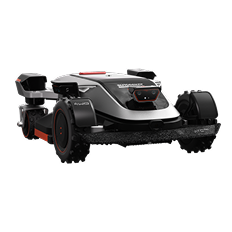
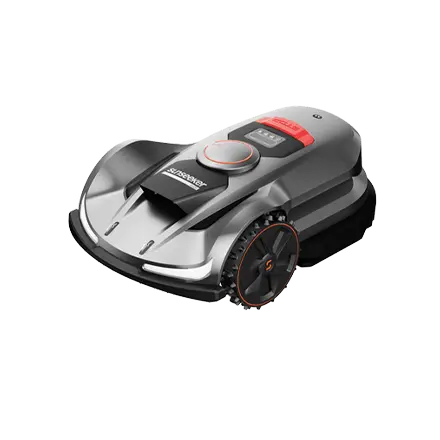
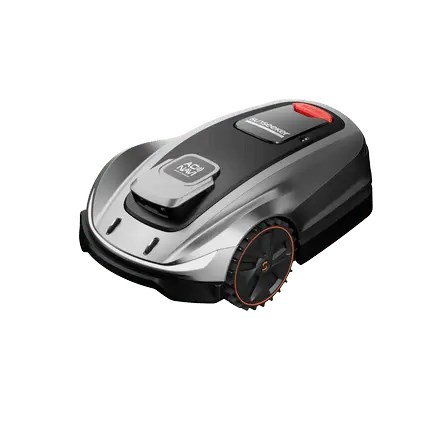
Once the lawn is established and feeding becomes routine, regular mowing helps prevent fertilised grass from getting too tall between cuts. Sunseeker Elite X4 supports that kind of maintenance with automatic 3D lawn mapping, intelligent path planning, and a floating cut system for normal lawn contours. It is designed for steady upkeep of maintained grass.

Most fertiliser problems can be avoided before the bag is opened. Patchy colour, stripes, and scorched tips usually come from uneven spreading, poor timing, or using more product than the lawn can handle.
Learning how to apply lawn fertiliser is mainly about timing, measuring, and spreading evenly. Feed when the lawn is actively growing, choose a product that suits the grass stage, use a spreader, and water granular feed in gently. New lawns need lighter treatment than established grass. Over time, steady feeding, sensible mowing, and good watering build thicker growth with fewer weak patches. For regular cutting support after the lawn is established, you can also explore Sunseeker’s robot lawn mower options as part of a wider lawn care routine.
Measure the lawn, follow the label rate, and use a spreader. Apply in straight passes with light overlap. For better coverage, spread half the amount one way and half at a right angle, then water it in if the label requires it.
Mow one or two days before applying fertiliser if the grass needs cutting. This helps granules reach the soil. After feeding, wait a few days before mowing again so the product can settle and the grass can start using the nutrients.
For most granular feeds, apply when grass blades are dry and the soil is slightly moist. Dry blades reduce sticking and scorch risk. After spreading, water lightly according to the label. Some products work differently, so check the bag first.
You can place fertiliser on grass, but throwing it by hand usually causes uneven results. Some spots get too much and may burn, while others stay pale. A spreader gives a controlled rate and a cleaner pattern.