




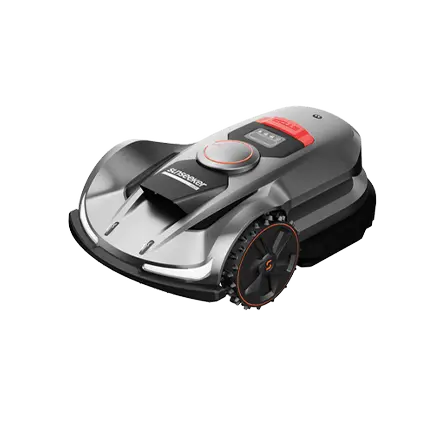

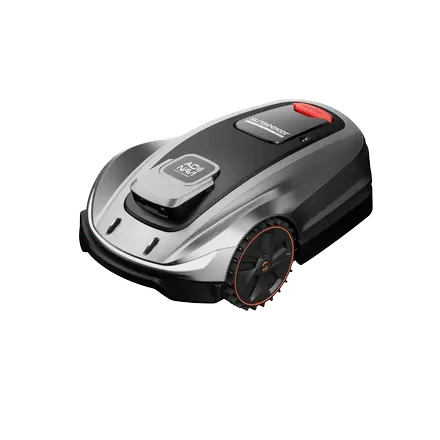


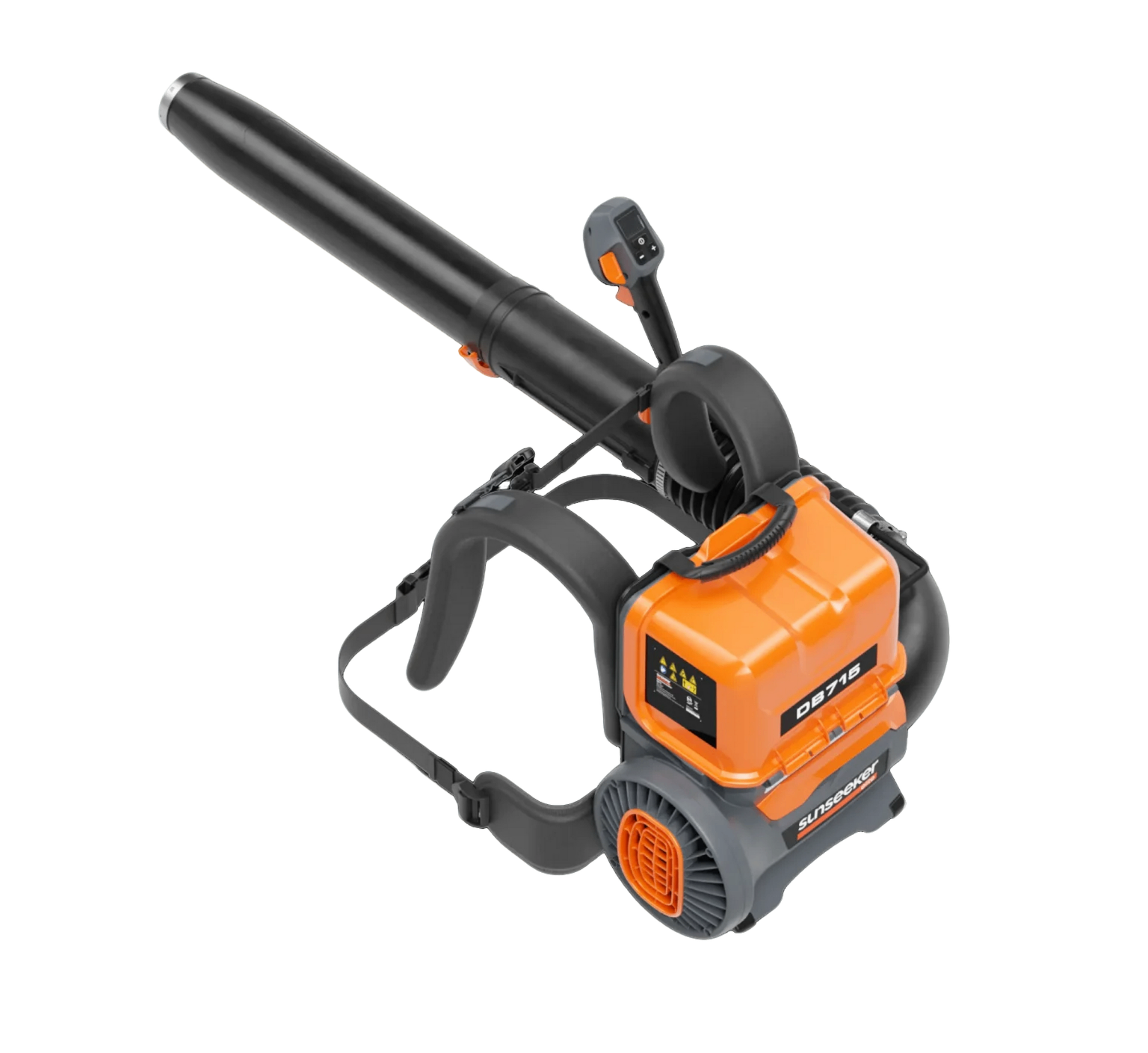







Blades that are too dull or over-sharpened can both create problems. It explains why there are concerning questions like “How sharp should mower blades be?” This guide outlines the indicators of blade wear, maintenance routines, and when replacement makes more sense than repair. Keep reading to ensure your lawn stays looking its best all year round!

How Sharp Should a Mower Blade Be?
Many people assume sharper is always better. This is a misconception. A mower blade should be sharp enough to cut grass cleanly without tearing it, but it does not need a razor-like edge. A slightly thicker edge keeps its shape longer and provides a cleaner, more consistent cut across the lawn. Most lawn mower blades work best with an edge similar to a butter knife or heavy kitchen knife.
How Do You Sharpen and Maintain Mower Blade Sharpness?
After knowing how sharp a lawn mower blade should be, let’s explore how to sharpen and maintain it. Keeping blades sharp requires both proper sharpening and regular maintenance. Below are guides for your reference.
Required Tools
- Safety gloves and eye protection
- Socket wrench
- Metal file or an angle grinder with a flap disc
- Blade balancer
- Blocks of wood
Step-by-Step Sharpening Guide
Step 1. Remove the spark plug wire on gas mowers or disconnect the battery on cordless models before working on the blade.
Step 2. Tilt the mower with the air filter side up to prevent oil from flooding the carburetor. Remove the mounting bolts.
Step 3. Secure the blade in a vice, move the file or grinder evenly along the edge, usually around 30 to 45 degrees. Avoid over-sharpening as a slight thickness improves durability.
Tips on Maintaining Lawn Mower Blade Sharpness
Regular maintenance helps maintain a lawn mower’s blade sharpness. Here are practical tips to follow.
- Mow dry grass when possible
- Avoid mowing over rocks, roots, or gravel
- Clean grass buildup after every use
- Inspect blades regularly for dents or bending
- Wipe the blades with a light coat of oil during off-season storage to prevent oxidation
- Store the mower in a dry area to reduce rust
How Often Should Mower Blades Be Sharpened?
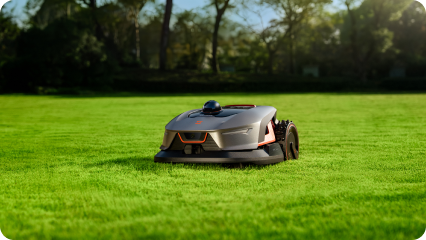
Most robot lawn mower blades need sharpening after every 20 to 25 hours of mowing. This means sharpening once or twice during the growing season for many homeowners.
However, your lawn conditions and grass type will influence the sharpening frequency. Thicker grass and lawns with sandy soil or hidden debris dull blades faster. This requires added sharpening times. Also, commercial mowing or large properties may require sharpening every few weeks.
Instead of a fixed schedule, checking grass quality after mowing provides a more accurate indicator. If the lawn starts looking uneven or develops brown grass tips, blade sharpness may already be declining. It’s time to sharpen mower blades.
Signs That Your Mower Blades Need to Be Sharpened
Visual cues are the most reliable indicators of dull equipment. These signs indicate how sharp lawn mower blades are. Watching for them early helps maintain lawn health and reduces strain on the mower.
- Ragged Grass Tips: After mowing, examine the grass blades. If they look frayed or torn at the top rather than cleanly cut, the blade is failing to slice effectively.
- Uneven Cutting Results: Some grass sections may appear longer because dull blades struggle to cut consistently.
- Visible Dents or Worn Edges: Physical damage often reduces cutting quality even before the blade becomes fully dull.
- Increased Vibration During Mowing: Uneven blade wear or damage may affect balance and create vibration.
- Increased Engine Strain: A dull blade requires more torque to cut, which may cause the engine to sound labored or cause the mower to bog down in thick patches of grass.
How to Balance a Mower Blade After Sharpening?
Uneven weight distribution can create vibration during operation. Balancing a mower blade after sharpening is necessary to help prevent uneven wear and vibration problems later.
Step 1. Once sharpened, hang the center hole of the blade on a nail or a dedicated blade balancer mounted to a wall.
Step 2. Observe which side drops lower; the heavier side will tilt downward.
Step 3. Remove small amounts of metal from the heavier side. Repeat until the blade remains level without leaning to either side.
Step 4. Secure the blade tightly before operating the mower.
When Should You Replace Instead of Sharpen?
While regular sharpening extends a blade’s lifespan, replacement becomes necessary when structural integrity is at risk. Instead of wondering how sharp your lawn mower blades should be, consider replacing your blades if you observe:
- Structural Damage: Deep rust, or chips, cracks, and bends exceeding 1/8 inch.
- Excessive Wear: The cutting edge has receded more than 5mm, or tip wear exceeds 13/64 inch, affecting cutting overlap.
- Thinning: Repeated sharpening has thinned the metal, making it brittle or unable to hold an edge.
- Imbalance: Persistent vibration or noise post-balancing, signaling internal damage.
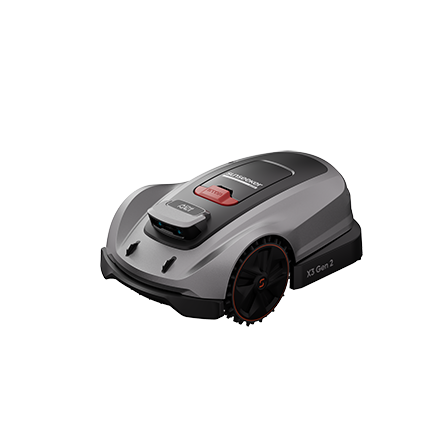
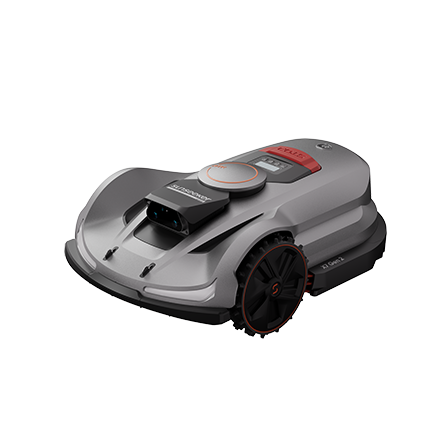
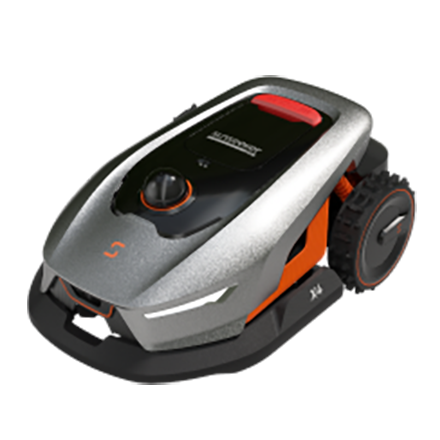
When you reach this decision point, OEM (original equipment manufacturer) components are the safest choice. They ensure fit and performance. You can expect them to be ready to work upon their arrival. The Sunseeker Elite Premium Blades Kit (24pcs) is a good example. These blades utilize a dual-construction approach. A flexible steel body to absorb impact and a hardened cutting edge to maintain geometry. This design improves wear resistance and reduces the maintenance frequency. The pack is fully compatible with Sunseeker robotic mowers from X4, X Series, and even the latest Sunseeker Elite X3 Gen 2. The bulk pack offers ample replacement blades for a consistent, clean cut across 1-2 years!