






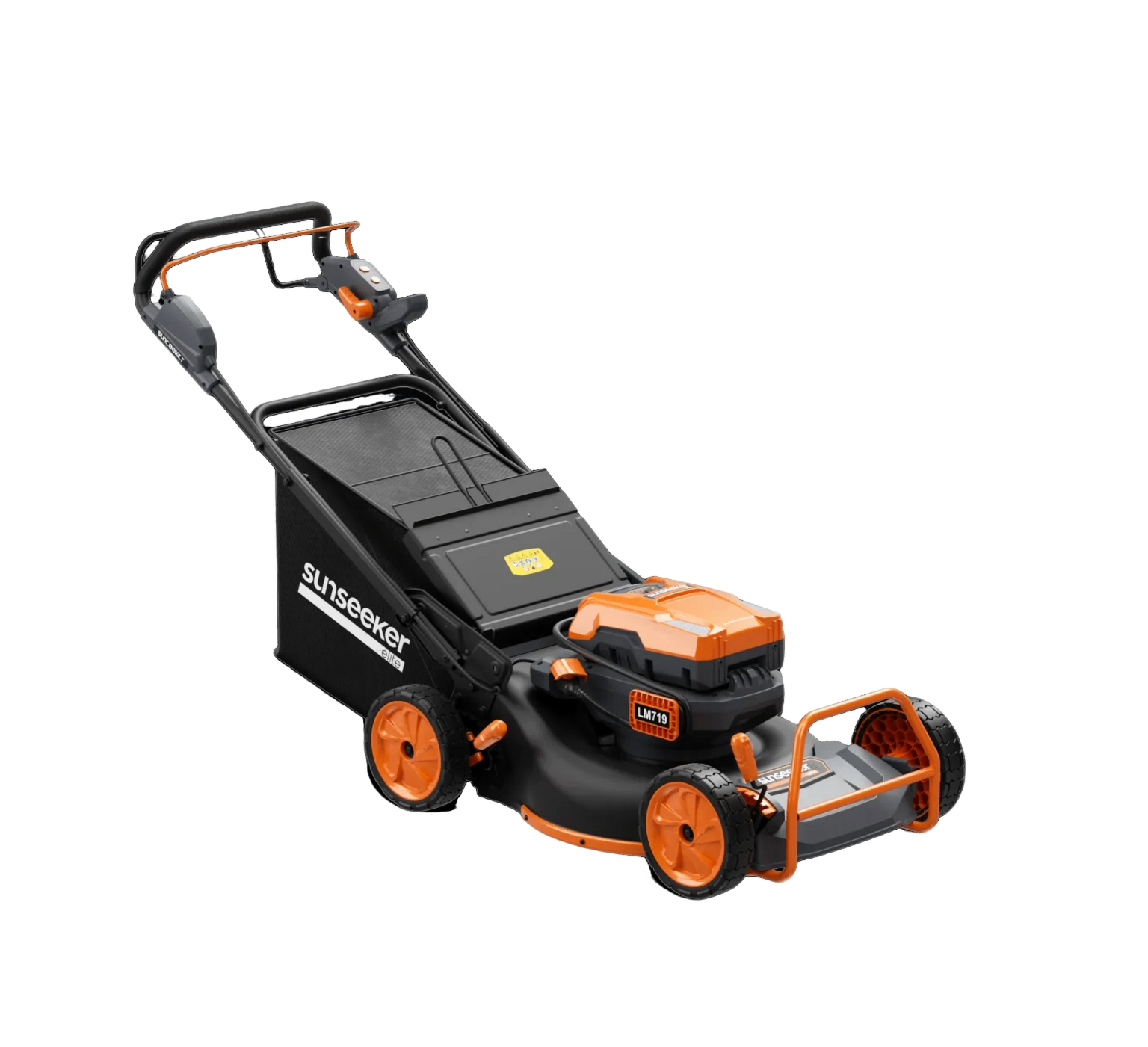
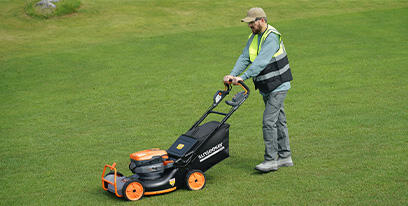





If you have ever stared at your yard and wondered: How long does it take to mow a lawn? You are not alone. The truth is, mowing time depends on a bunch of things: lawn size, mower type, terrain, and how tall your grass has grown.
In this guide, we will break down estimated mowing times for different types of mowers, mower speeds, and acres-per-hour rates. We will also show you how to use a mowing time calculator and share tips to cut your mowing time, plus the best mowers that can make the job easier. Read on!

How Long Does It Take To Mow a Lawn?
The time it takes to mow a lawn depends on several factors. Let’s see the key factors influencing mowing time:
- Cutting deck width (wider = faster coverage).
- Mower speed (typically lower when cutting vs. transport).
- Efficiency (overlap, turns, and obstacles reduce the effective rate by 10-20%).
- Grass height and thickness.
So, how long does it take to mow the lawn? Here’s an updated comparison table for mowing 1 acre. It assumes flat terrain, short grass, and minimal obstacles.
|
Mower Type |
Average Deck Width |
Average Speed (mph) |
Time to Mow 1 Acre |
Acres per Hour (Approx.) |
|
Push Mower |
19-22 inches |
2-3 |
1.5-2.5 hours |
0.4-0.6 |
|
Self-Propelled / Walk-Behind |
20-30 inches |
3-4 |
1-1.5 hours |
0.6-1 |
|
Riding Lawn Tractor |
38-46 inches |
4-6 |
30-60 minutes |
1-2 |
|
Zero-Turn Mower |
42-60 inches |
5-8 (up to 10+) |
15-35 minutes |
1.7-4+ |
|
Robotic Lawn Mower |
8-14 inches |
0.5-2.5 |
4-20+ hours (often multi-session/cycles) |
0.05-0.5 (daily capacity varies; high-end 0.2-0.5 acres/hour) |
For a typical residential lawn (¼-½ acre), push mowers take 20-90 minutes, riding mowers 15-45 minutes, and zero-turns under 20 minutes. Robotic mowers, on the other hand, run autonomously for hours or even days but require no human effort, making them ideal for ongoing maintenance rather than one-time mowing.
How Fast Can a Lawn Mower Go?
Speed is also an important factor that directly affects your mowing time, but it also depends on the type of mower you have.
- Push mowers: Move at a walking pace of 2-3 mph, and this slows down even more on hills or thick, dense grass.
- Self-propelled/walk-behind mowers: Typically run 3-4 mph, which reduces effort and makes mowing a bit easier.
- Riding lawn tractors: Average 4-6 mph during mowing, letting you cover more ground in less time.
- Zero-turn mowers: Often 5-8 mph, with some high-end models reaching 10-12 mph. Their maneuverability also helps you make tighter turns and avoid obstacles efficiently.
- Robotic lawn mowers: 0.5-2.5 mph (1-4 ft/s or 0.3-1.2 m/s). They prioritize precision, obstacle avoidance, and battery life over raw speed, using systematic paths to avoid missed spots or turf damage.
That said, faster isn’t always better. Speeds over 6-7 mph can lead to uneven cuts or missed patches, especially in thick or tall grass. For most lawns, the optimal mowing speed is usually 3-6 mph, which can strike a balance between efficiency and a clean, professional-looking finish.
How Many Acres Can I Cut per Hour?
Acres per hour measures a mower's productivity, that is, how much ground it covers in one hour of actual mowing time. Wider decks and higher speeds boost output, while narrower/slower options (like robots) focus on sustained, low-effort coverage.
Here's a comparison of 5 common lawn mower types with typical acres per hour ranges:
- Push Mower: 0.1-0.3 acres per hour. Narrow deck and walking pace (2-3 mph) limit coverage, best for small yards under ¼ acre.
- Self-Propelled/Walk-Behind Mower: 0.2-0.6 acres per hour. Assisted drive helps with speed (3-4 mph), making it suitable for medium lots up to ½-1 acre.
- Riding Lawn Tractor: 0.5-1.5 acres per hour (some up to 2). Comfortable seated operation at 4-6 mph allows steady progress on medium-to-large properties (½-2+ acres).
- Zero-Turn Mower: 1.5-4+ acres per hour (high-end commercial models reach 5-7.5+ in open areas). Fast speeds (5-12 mph) and agile zero-radius turns make these the kings of productivity. Ideal for 1-10+ acre properties.
- Robotic Lawn Mower: 0.05-0.5 acres per hour. It is worth noting that robotic mowers aim for sustained, low-effort coverage, often rated by daily capacity rather than strict hourly rates.

Tips for Reducing Mowing Time
Learning how to mow a lawn efficiently can keep it from feeling like a never-ending chore. With the right approach, you can cut your time on the lawn while keeping it looking sharp. Here are some practical strategies:
1.Mow regularly: Keep a consistent schedule every 1-2 weeks to prevent grass from growing too tall, so each session feels faster, easier, and less demanding on equipment.
2.Plan your mowing pattern: Use straight, overlapping rows or start from the edges and move inward to reduce turns, avoid missed spots, and improve overall efficiency.
3.Maintain your mower: Keep blades sharp, clean the deck, check tire pressure, and use fresh fuel or batteries to ensure smooth operation and faster, more consistent cutting results.
4.Clear obstacles beforehand: Remove toys, branches, leaves, or debris before you start so you avoid frequent stops and maintain a steady pace throughout the entire mowing session.
5.Mow in ideal conditions: If you are wondering what is the best time to mow lawn, choose a cooler part of the day when the grass is dry to prevent clumping, reduce resistance, and help your mower perform efficiently.
6.Use mulching when possible: Choose mulching instead of bagging so you skip emptying grass clippings, save time, and return nutrients directly back into your lawn.
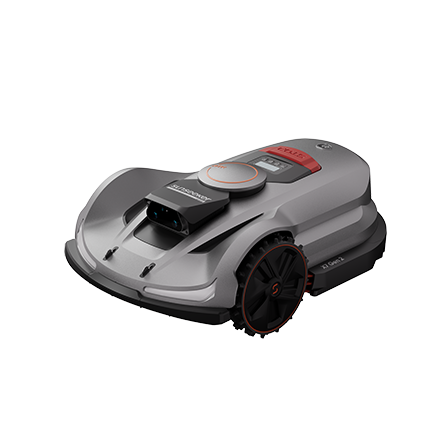
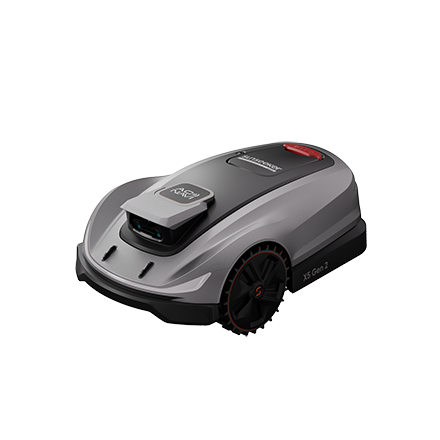
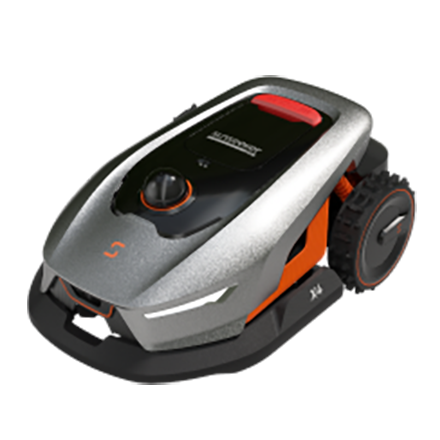
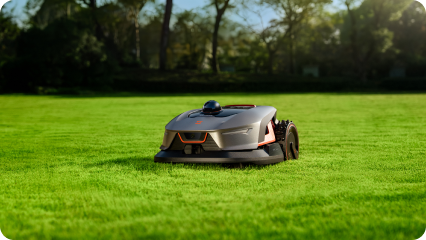
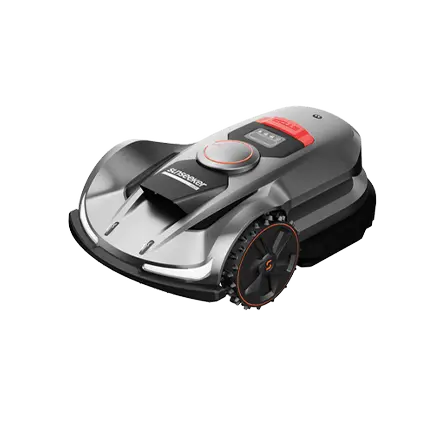
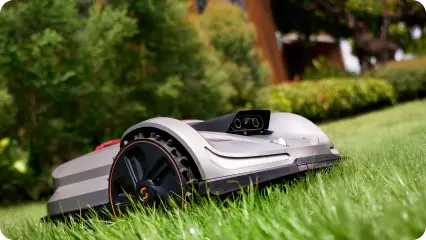
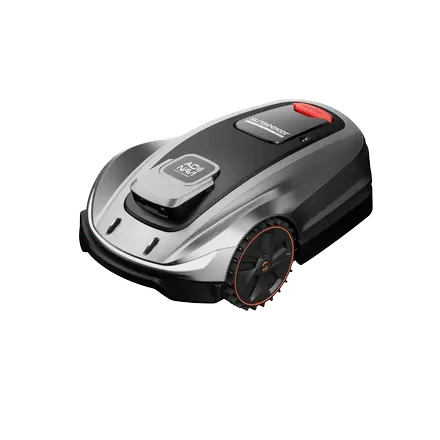
7.Choose the right mower:Select a mower that fits your lawn size. While a zero-turn model can significantly reduce mowing time on larger areas, robotic mowers from Sunseeker offer a hands-free solution that saves time over the long run by handling mowing automatically on a schedule.
For smaller to medium lawns, the Sunseeker Elite X4 is an excellent entry-level robotic mower. It features 360° 3D LiDAR and Vision AI for precise mapping, obstacle avoidance, and centimeter-level navigation in complex layouts. With a 20 cm (8-inch) cutting width, 6 blades, floating-cut tech for uneven terrain, and up to 45% slope handling, it efficiently handles small to medium-sized lawns with consistent, precise coverage. Drop-and-go setup, app control for zones/schedules, and auto-recharge make it ideal for time-saving maintenance without hassle.