







FAQs
11/20/2026
Contents
Products
Residential Lawns










Explore
Where to Buy


An established lawn may need water during a dry winter, but not on a summer schedule. In snow-free, dry regions, check soil moisture after several weeks without precipitation and water only when the ground is thawed. In rainy climates or under lasting snow cover, natural moisture is often enough; frozen or saturated ground should be left alone.
Your sprinklers are winterized, the grass has turned brown, and three weeks have passed without rain. Does the lawn need water in January, or could adding moisture do more harm than good? The answer depends largely on local winter conditions. A snow-covered Minnesota yard has very different watering needs from a windy, snow-free lawn in Colorado.
Winter irrigation should be an occasional response to dry soil, not a continuation of your summer watering routine. Before turning on a sprinkler, check whether the ground is dry, whether temperatures allow water to soak in, and how much precipitation the lawn has received recently. These conditions matter even when the grass above ground appears completely dormant.

Winter watering is most important when the soil becomes too dry to support healthy grass roots. Some lawns continue growing through mild winters, while others enter dormancy but still need occasional moisture during dry weather.
Before watering your lawn in winter, check the soil and recent weather conditions. A few simple observations can help you decide if extra moisture is necessary and when to apply it.
Push a soil probe or screwdriver about 3-4 inches into two or three areas of the lawn. If the soil feels slightly moist, additional watering is usually unnecessary. Dry, crumbly soil at this depth may indicate that the root zone needs water.
Check exposed slopes and sandy areas separately, as they often dry out faster than sheltered sections.
A mild afternoon does not always mean the soil has thawed. If the ground is frozen or water cannot penetrate the surface, postpone irrigation.
Choose a day when temperatures are above approximately 40°F, the soil is thawed, and water has time to soak in before nighttime freezing.
Review how much rain or snow the lawn has received recently. Rainfall and melting snow may already provide sufficient moisture, while light snow that blows away contributes little.
After several weeks without meaningful precipitation, check the soil before deciding to water. Pay particular attention to exposed areas that receive less natural moisture.
Warm-season grasses such as bermudagrass and zoysiagrass commonly turn brown during winter dormancy. Cool-season grasses may remain green during mild weather, but their growth and water demand also slow.
Established dormant lawns generally need less frequent watering. Newly seeded or sodded areas require closer monitoring because their root systems are still developing. Use soil moisture, not grass color alone, to guide watering decisions.
There is no useful nationwide weekly winter schedule. In snow-free dry regions, inspect established turf after roughly four to six weeks without meaningful rain or snowfall; if the soil is dry and thawed, a single watering of about 0.5 inch is a practical reference. Oklahoma State University Extension uses approximately this amount ahead of dry winter cold fronts. Reduce or skip irrigation when recent precipitation has already supplied moisture.
For perspective, 0.5 inch of water equals approximately 312 gallons spread across 1,000 square feet. A shallow catch can placed on the lawn lets you measure what a hose-end sprinkler actually delivers. Sandy sites may need reassessment sooner, while clay soils should be watered slowly enough to prevent runoff. A slope that sheds water may benefit from short soak-and-pause cycles rather than one long spray.
In a wet Pacific Northwest winter, December through February rain may eliminate the need for supplemental irrigation. On the Front Range or in other dry, snow-free inland areas, one event during a prolonged dry spell may be beneficial. These are climate examples, not automatic monthly instructions.
New sod or recently seeded turf merits more frequent moisture checks because shallow roots dry faster. Give it enough water to keep the rooting zone from becoming severely dry on suitable days, while avoiding repeated saturation.
Winter watering works best as a short, deliberate visit to a genuinely dry lawn. The aim is to replenish thawed soil without creating icy surfaces or restarting an entire summer irrigation program.
Recheck the soil after the event. If moisture reached the root zone and the forecast turns wetter, no follow-up appointment is necessary.
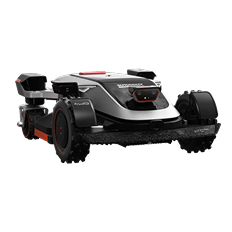
For lawns with multiple sections or different mowing needs, the Sunseeker Elite X5 supports multi-zone management and customizable mowing schedules through its app. Its AI obstacle avoidance and all-wheel-drive system help it navigate complex layouts and sloped areas, keeping spring lawn maintenance more consistent with less manual work.

Winter lawn watering is appropriate when the ground is dry and can absorb moisture, particularly during snow-free December-February spells in dry inland regions. Frozen soil, substantial snow cover, and recent rainfall are reasons to wait. For established turf, an occasional measured half-inch can be more useful than a weekly sprinkler schedule. As temperatures rise and grass resumes active growth in spring, gradually return to your normal lawn care routine.
Usually not. For an isolated dry spell, a drained garden hose and portable sprinkler are often simpler options. Reactivating buried irrigation lines can expose pipes, valves, and backflow equipment to another freeze unless the system is properly drained and winterized again afterward. Check soil moisture first and water only the dry, thawed areas rather than reactivating every zone.
No. Snow helps insulate the lawn against rapid temperature changes and gradually supplies moisture as it melts. Irrigation can relieve dry soil during a snow-free period, but it cannot provide the same insulating protection. Around 0.5 inch of water may help a dry lawn when the soil is thawed, but never apply it to frozen ground in an attempt to imitate snow cover.
In many northern regions, reassess irrigation during March or April as the soil thaws and grass resumes growth. In colder areas, this may not happen until May. Warm-season turf generally greens up later, often between April and June depending on the local climate. Resume regular watering when rainfall no longer meets the lawn's moisture needs.