



FAQs
6/9/2026
Contents
Products
Residential Lawns

Explore
Where to Buy


Learn how to choose a cordless electric lawn mower for your yard. Compare battery runtime, cutting features, storage needs, and smart mower options.
Have you ever looked at cordless mower options and felt unsure which one actually fits your yard? Many models promise clean cutting, long runtime, and easy handling, but the best cordless electric lawn mower is not the same for every homeowner. A small flat lawn, a landscaped garden, and a larger sloped yard all create different needs. In this guide, we will walk through the key buying factors, from battery performance and cutting features to storage, handling, and common mistakes to avoid. By the end, you should know how to compare cordless options with more confidence and choose a mower that feels practical for your everyday lawn care routine.
A cordless electric lawn mower can be a great fit for many residential yards, but the decision should come from your mowing habits. Before you compare models, look at your lawn size, grass condition, terrain, and how much upkeep you want to handle.
A simple rule helps: if your lawn is small to medium, mostly level, and maintained on a regular schedule, a cordless mower is usually a strong match. If your yard is large, rough, or often overgrown, you should compare battery capacity and cutting power more carefully before buying.
A useful buying checklist keeps your choice grounded in real mowing needs. Instead of choosing the mower with the longest feature list, focus on the details that affect runtime, cut quality, comfort, and storage.
Runtime should match the amount of grass you actually cut. Many cordless mowers are designed for small to medium residential lawns, often around 1/4 to 1/2 acre, while higher-capacity models may handle about 3/4 acre under good conditions. Keep in mind that real runtime can drop when grass is tall, wet, thick, or uneven. If your lawn is close to the mower’s upper range, a spare battery can help you finish without stopping.
Battery size matters, but charging convenience matters too. A larger battery is useful only if it fits your mowing schedule and recharges in a way that works for you. If you prefer to mow the whole lawn in one session, check whether one battery can realistically finish the job. If you do not mind splitting the work, a smaller setup may still feel practical.
Cutting width affects how many passes you need to make. A 20 to 22 in deck is common for many full-size cordless push mowers and works well for open suburban lawns. Smaller decks are easier to turn and store, which helps in narrow side yards or around trees and garden beds. Choose the deck size based on your yard layout, not only on mowing speed.
Easy height adjustment helps you protect the grass through changing seasons. Lawn care experts often recommend following the one-third rule, which means removing no more than one-third of the grass blade in a single mow. For many common lawn types, mowing heights often fall around 2 to 3.5 in, depending on the grass. A mower with several height settings makes it easier to avoid cutting too low.
Check whether the mower supports the clipping method you prefer. Bagging keeps the lawn tidy, mulching returns fine clippings to the grass, and side discharge can help when grass is taller. The right choice depends on how often you mow and how clean you want the finish to look.
A mower that is easy to push, turn, lift, fold, and store may be more satisfying than a heavier model with stronger specs. This is especially true for small lawns, older users, tight sheds, or homes where the mower needs to be moved through narrow spaces.
The right cordless mower should solve the problems your yard creates. Use the yard conditions below to decide which features deserve the most attention.
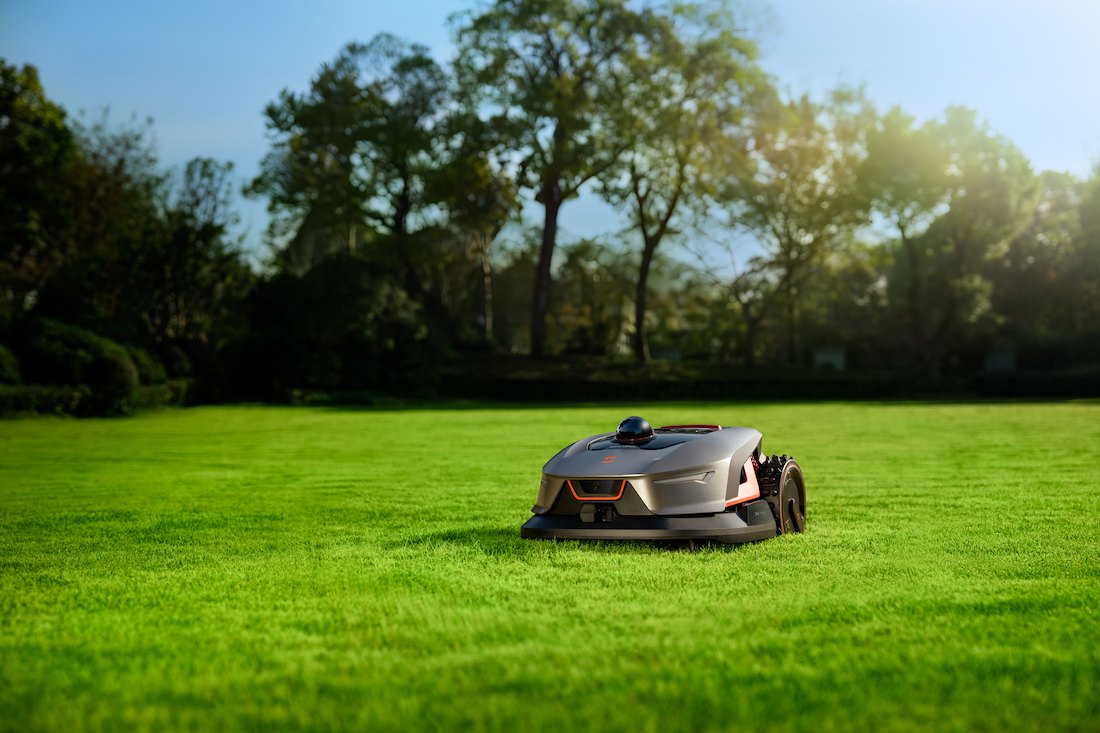
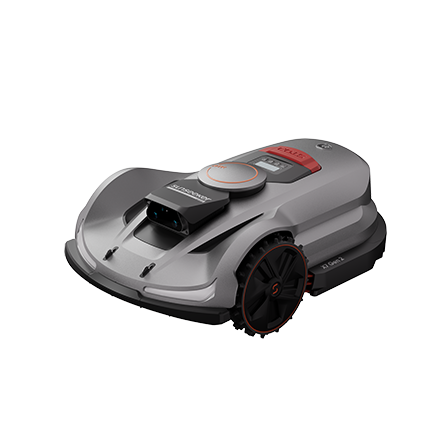
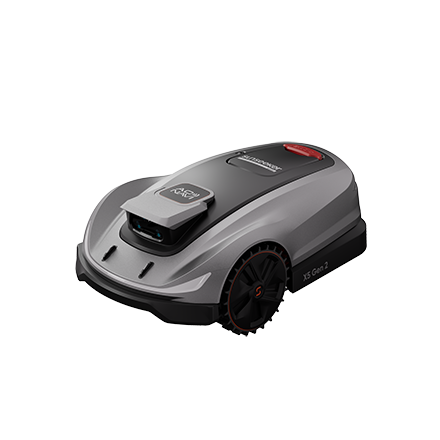
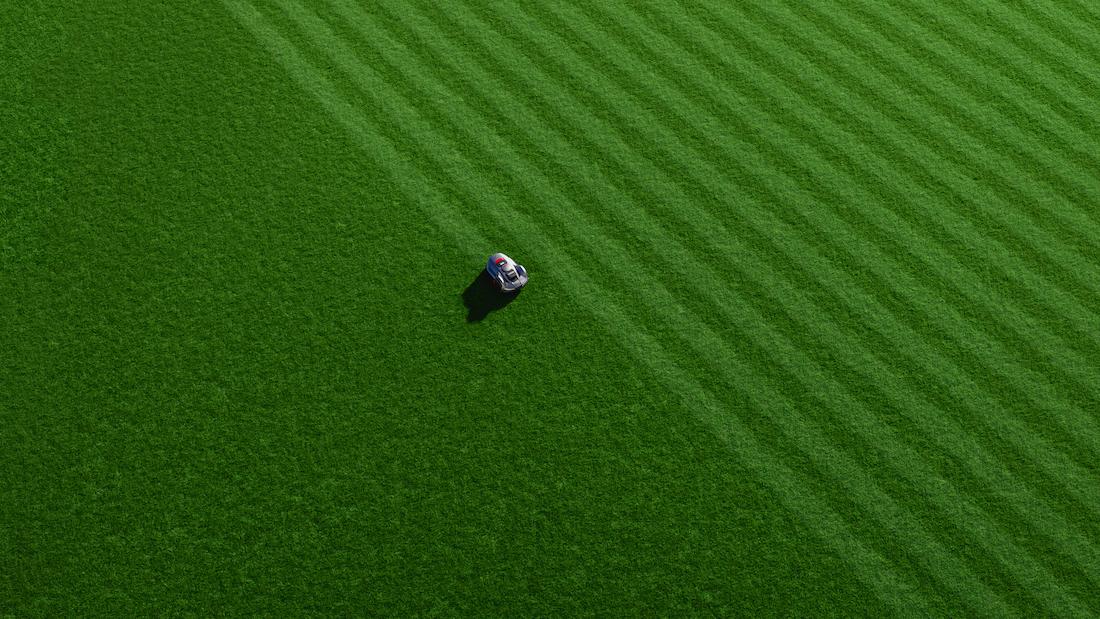
If you want the benefits of cordless mowing with even less manual work, robotic lawn mowers are also worth considering. They are fully electric, so they avoid many traditional gas mower issues such as stale fuel, carburetor clogs, spark plug wear, and oil changes. They also help maintain the lawn more consistently because they can mow on a planned schedule instead of waiting for long, heavy cutting sessions.
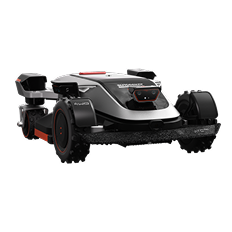
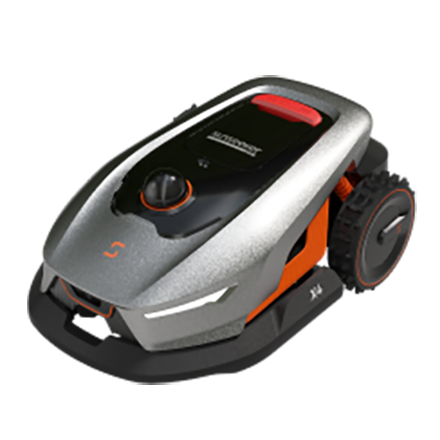
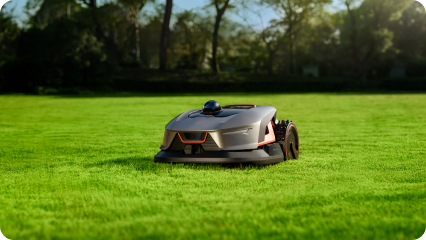
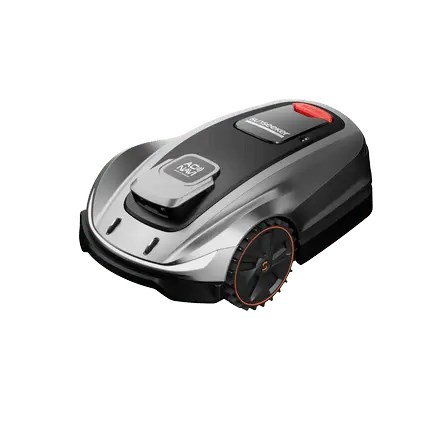
The Sunseeker Elite X4 is a strong option for homeowners who want a low-maintenance cordless mowing setup for a mid-sized yard. Its wire-free design, smart navigation, and obstacle detection help it move around the lawn with less manual effort. Because it is electric and automated, you do not need to manage fuel, pull starts, or engine tune-ups. It is especially useful if you want regular lawn care without spending weekends pushing a mower.
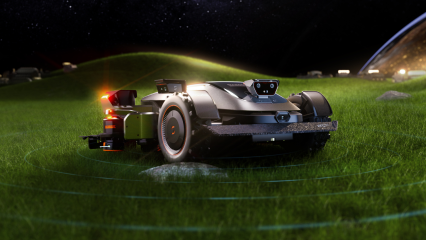
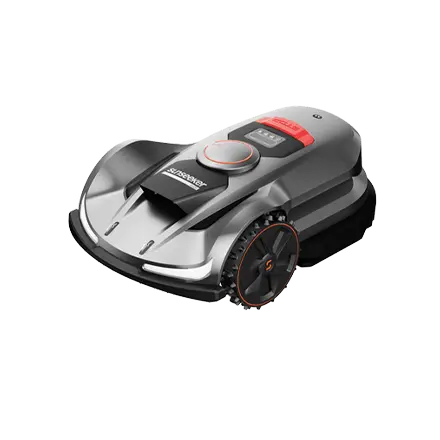
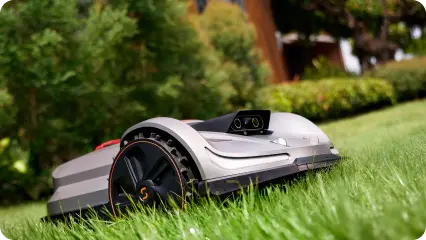
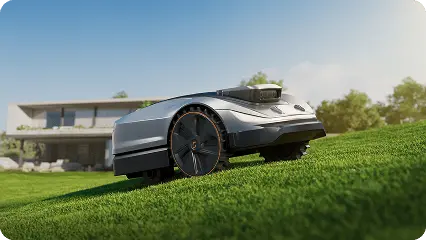
The Sunseeker Elite X7 Plus Gen 2 is designed for users who want a more advanced robotic mowing experience. It focuses on wireless mapping, smart route planning, all-terrain capability, and app-based control. For larger or more complex lawns, this type of cordless electric setup can reduce repeated mowing passes and help keep the lawn maintained with less day-to-day effort. It is a good fit for homeowners who want electric convenience but prefer automation over manual mowing.
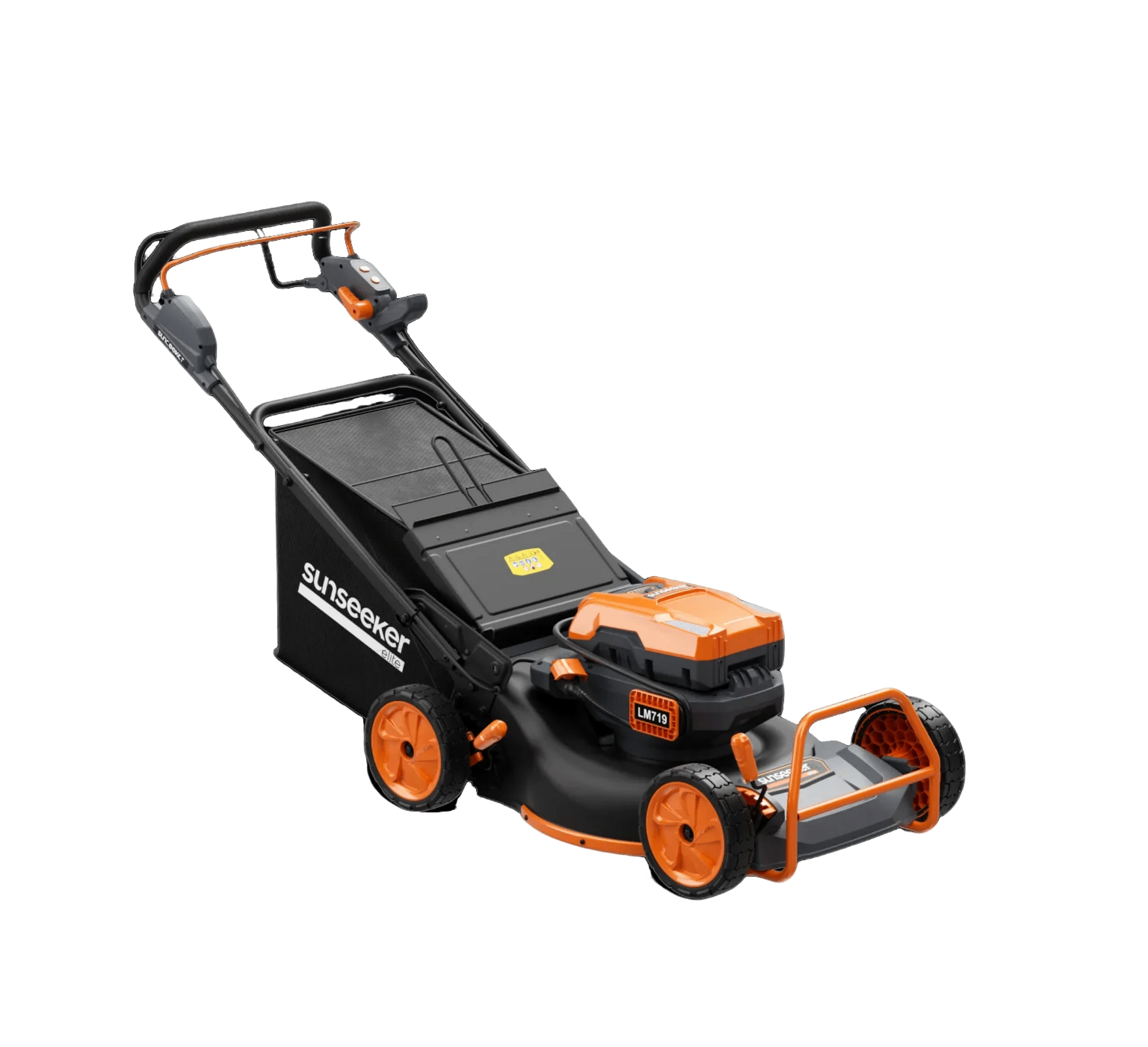
Choosing the best cordless electric lawn mower comes down to fit, not hype. Start with your yard size, grass conditions, terrain, and storage space, then compare battery runtime, charging convenience, cutting features, and handling. A good cordless mower should make lawn care quieter, cleaner, and easier without creating new hassles around charging or performance. If you want even less maintenance, robotic options such as Sunseeker’s cordless electric mowers can help keep your lawn looking neat with less manual effort.
Cordless electric lawn mower batteries usually last 3 to 5 years, depending on battery quality, charging habits, storage, and use. In one mowing session, runtime often ranges from 20 to 40 minutes. To help the battery last longer, avoid extreme heat, freezing storage, and leaving it fully drained for long periods.
The best cordless lawn mower depends on your yard. For small to medium lawns, a lightweight push mower is usually enough. For larger or thicker lawns, choose a higher-voltage model with longer runtime or a spare battery. A strong all-around pick should offer good cutting power, easy height adjustment, and reliable battery life.
Yes, cordless electric lawn mowers are good for many home lawns. They are quieter, easier to start, and need less maintenance than gas mowers. They work especially well for small to medium yards that are cut regularly. For very large lawns or thick overgrown grass, battery runtime can become the main limit.
The main disadvantage is limited runtime. A battery mower can lose power faster in tall, wet, or thick grass, and one charge may not finish a larger yard. Batteries also take time to recharge and may need replacement after a few years. For heavy mowing, a spare battery is often helpful.