


Buyer's Guide
6/17/2026
Contents
Products
Residential Lawns
Explore
Where to Buy


Mowing on hills isn’t just harder; it’s a different kind of job altogether. Stability matters more than speed, and the wrong machine can make even a small incline feel risky. The best riding mower for hills can completely change the overall mowing experience on uneven ground.
If your yard features slopes or uneven ground, mowing can quickly become challenging and sometimes even risky. Slipping wheels and reduced traction are common issues many homeowners face on inclines. That’s why many people are searching for the best riding mower for hills to handle these conditions safely and efficiently. In this guide, we will break down the must-have features, introduce top-performing models, and share essential safety tips. Just keep reading to discover how to make a confident choice for your lawn!
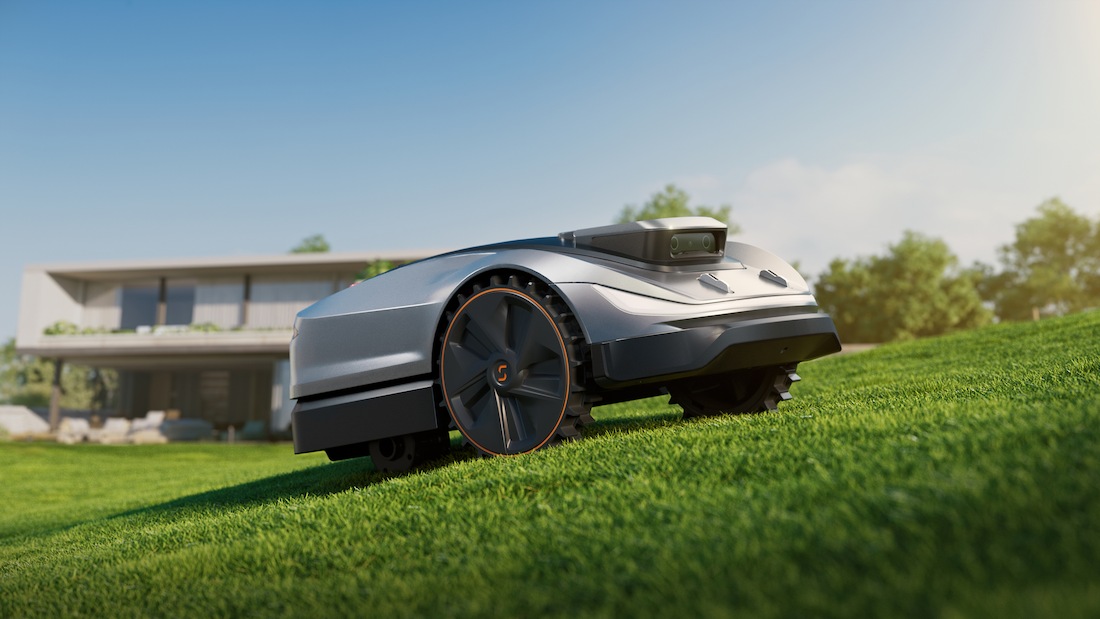
Not all riding mowers are built to handle slopes effectively. When it comes to hills, stability and traction matter far more than speed or maneuverability. Lawn tractors are often considered the best riding lawn mower on hills for their wider wheelbase, lower center of gravity, and consistent steering control. These machines distribute weight more evenly, making them safer and more predictable on inclines.
Zero-turn mowers, while fast and agile, can struggle on hills. However, newer designs with steering wheels or traction control systems are improving their performance, which means they can be the best mower for hills that are moderate.
For steep or challenging terrain, specialized mowers with locking differentials or all-wheel drive offer superior grip. In recent years, robot lawn mowers have also gained popularity as a hands-free alternative for maintaining hills safely and efficiently.
When looking for the best riding mower for hillsides, there are a few critical features to consider, and they are:
With these key features in mind, we’ve rounded up a list of the best riding lawn mower for hills, with 5 top-performing options that stand out in 2026.
The John Deere X370 is a top performer for hilly properties, offering a well-balanced mix of power and control. The 21.5 HP iTorque engine delivers consistent performance, and the 42-inch Accel Deep deck ensures an even cut. Its smooth operation and responsive power steering make navigating slopes and tight areas much easier.
Featuring a high-back adjustable seat and a comfortable suspension system, the X370 is designed for long mowing sessions. It handles contours effectively, especially when mowing perpendicular to gentle slopes. With excellent build quality and strong resale value, it’s a dependable choice for homeowners seeking the best riding mower on hills.
The Husqvarna TS354XD is widely recognized as the best rider mower for hills, thanks to its superior traction system. Its electric locking differential helps maintain consistent grip on inclines, reducing wheel slip even in wet or uneven conditions. Combined with a powerful 24 HP Kawasaki engine and a wide 54-inch cutting deck, it handles demanding terrain with ease.
Meanwhile, this mower is built for durability and long-term reliability. Its heavy-duty frame and robust components make it well-suited for larger properties that require frequent mowing. Providing stability and confidence on slopes, Husqvarna TS354XD is the go-to option for challenging landscapes in 2026.
The Kubota GR2120 is an excellent choice for homeowners who need agility and stability on hilly terrain. Its four-wheel drive system, combined with Kubota’s Glide Steer technology, delivers near zero-turn maneuverability on slopes. This makes it especially effective for navigating tight spaces without compromising traction.
It can “stick to the hills” when moving up, down, or even across inclines, thanks to its balanced weight distribution and responsive hydrostatic transmission. The mid-mount cutting deck(around 48-inch ensures a clean finish, while its durable build and comfortable design make it ideal for long sessions on uneven ground. Overall, it’s a premium option for tackling demanding landscapes with confidence.
The Troy-Bilt Super Bronco XP is the best ride mower for hills at a more affordable price. It combines a capable V-twin engine with durable construction, delivering solid performance for residential properties with moderate slopes. Its traction and stability make it suitable for everyday hillside mowing with proper techniques.
It comes with a 42-inches cutting deck for good balance between coverage and maneuverability. In addition, it features comfortable seating, intuitive controls, and widely available parts, making ownership convenient and cost-effective. For those who want dependable results without investing in a premium model, it offers excellent overall value.
When it comes to extreme terrain, the Ventrac 4520 is specifically engineered to handle steep hills and demanding conditions. Its all-wheel-drive system, articulating frame, and optional dual-wheel setup provide exceptional stability and traction, even on slopes that standard riding mowers can not safely manage.
This machine is built for professional-level performance, offering powerful engines and compatibility with a wide range of specialized attachments. While it requires a higher upfront investment, it excels as the best mower for steep hills, delivering unmatched safety, control, and efficiency for challenging landscapes.
While riding mowers generally offer the best stability on hills due to their design, zero-turn mowers prioritize speed and maneuverability. Below is a clear comparison to help you better understand the differences between the two machine types.
|
Feature |
Riding Mower / Lawn Tractor |
Zero-Turn Mower |
|
Max Slope Rating |
15° (≈27%); up to 20-30° (≈36-58%) with modifications or dual wheels |
10-15° (≈18-27%); up to 20° (≈36%) for steering wheel models |
|
Cutting Speed |
4-6 mph |
7-10+ mph |
|
Traction |
Strong (locking differential, AWD options, fixed-wheel design) |
Variable (rear-wheel drive; front casters may slide) |
|
Stability on Slopes |
Excellent (lower center of gravity, wider wheelbase) |
Moderate (higher tipping risk on side slopes) |
|
Maneuverability |
Good |
Excellent |
|
Attachments / Year-Round Use |
High (snow blower, plow, carts, etc.) |
Lower |
|
Entry Price Range |
$2,000 - $5,000+ |
$3,000 - $7,000+ |
Safety is always the top priority when mowing sloped terrain. Make sure to follow these practices for safe hill mowing.
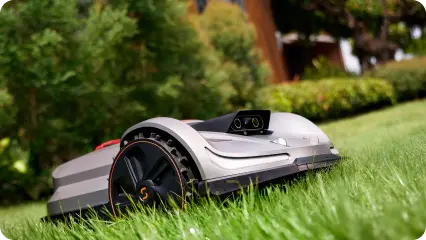
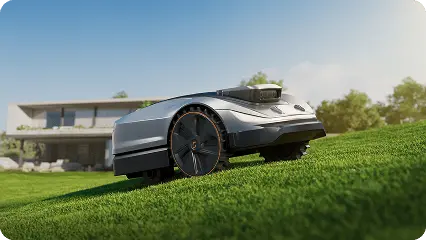
For homeowners looking to eliminate these risks, robot lawn mowers are an excellent alternative. They are the best lawn mower for hills because they require no physical effort, completely removing rollover, fatigue, and exposure to unsafe mowing conditions. With advanced traction systems and intelligent navigation, these machines can handle slopes efficiently while delivering consistent results across uneven terrain.
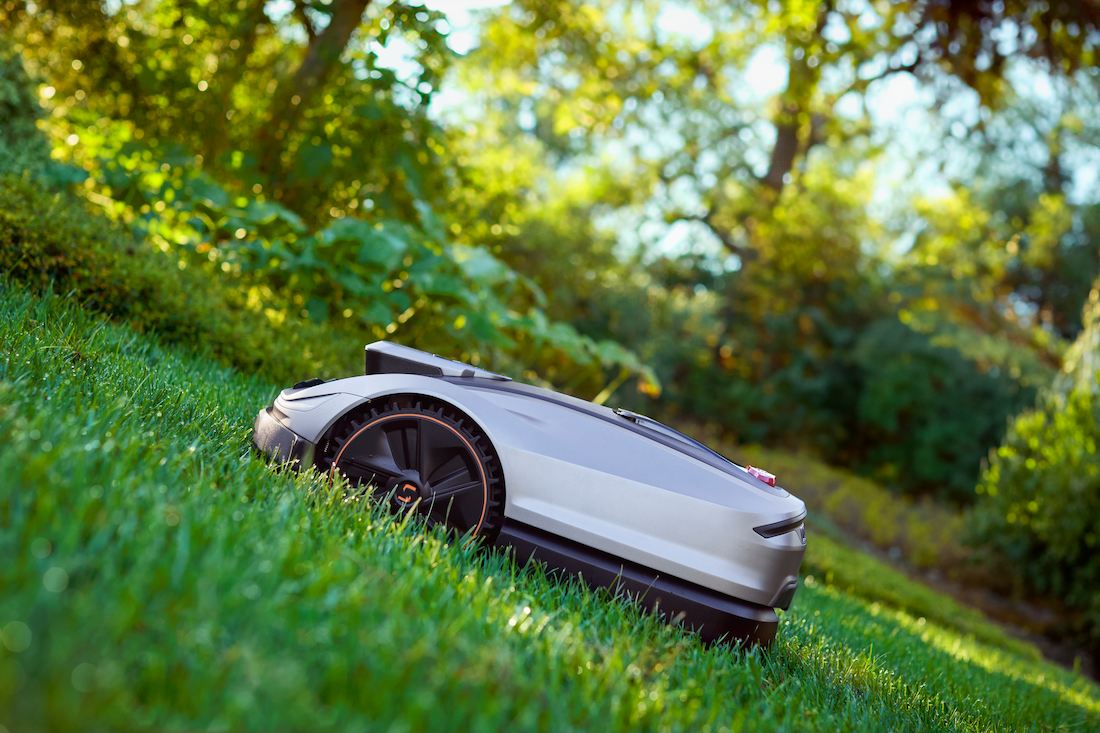
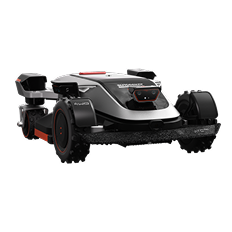
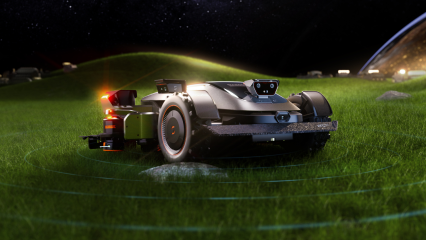
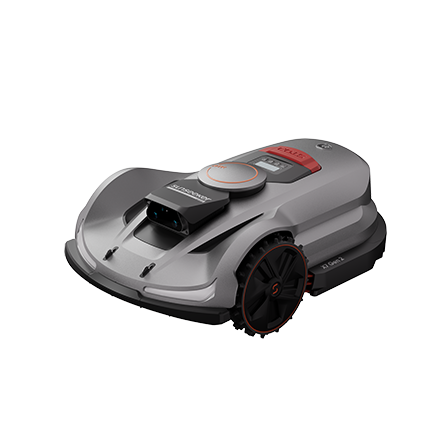
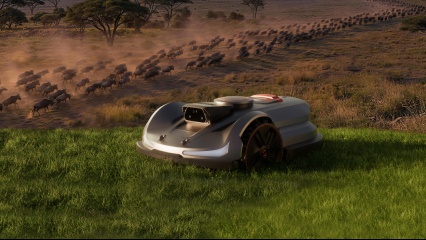
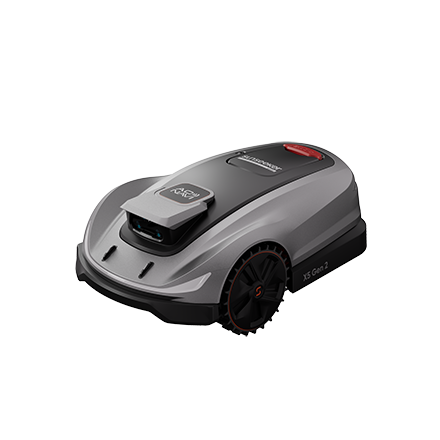
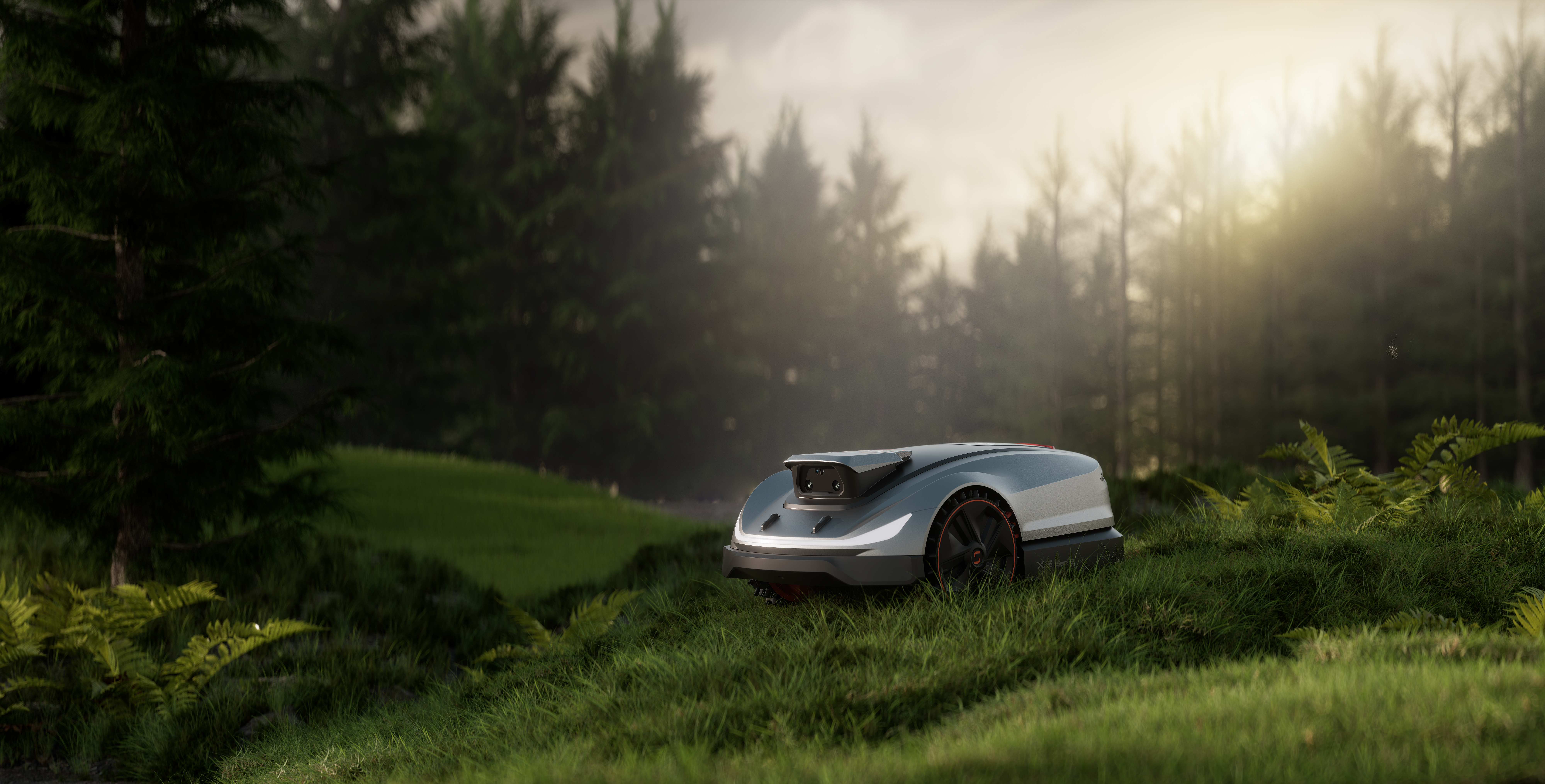
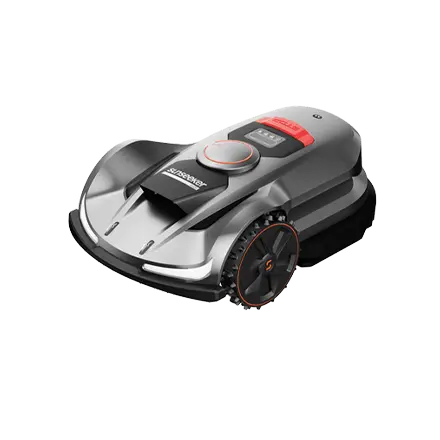
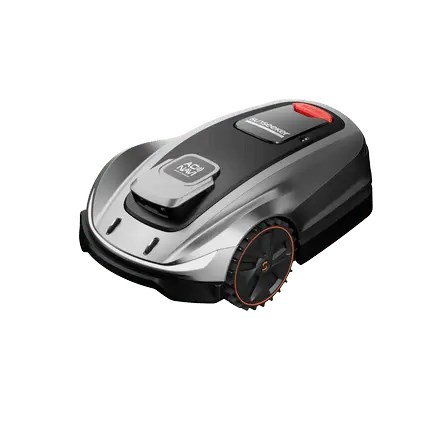
A strong example is the Sunseeker Elite X5. This wireless robotic mower features powerful all-wheel drive (AWD) and independent front suspension, allowing it to confidently manage slopes of up to 30° (60%). Its floating cutting disc ensures a smooth, even cut even on rough or bumpy hillsides, while rugged off-road tires and advanced RTK + Vision AI navigation provide precise coverage without missed spots or turf damage. With fully autonomous operation on challenging inclines, it delivers unmatched safety and performance for hilly properties.
Sloped and uneven terrain requires machines with strong traction and proper weight distribution. When choosing the best riding mower for hills, it’s also important to look for the right slope capability, tire grip, and control systems to ensure efficient mowing and safe operation. As mowing technology continues to evolve, robotic models have become a compelling alternative. Sunseeker’s advanced robot lawn mowers are designed to handle slopes with precision, reduce physical effort, and deliver consistent cutting results across uneven yards. Explore Sunseeker’s innovative solutions to make hillside lawn care safer and more convenient than ever!
Lawn tractors and steering-wheel zero-turn mowers with strong traction features, for instance, locking differentials, wide tires, and a low center of gravity, are usually the best choice. They provide better stability on slopes compared to lap-bar zero-turn models. Units with 20+ HP and AWD-like systems also perform especially well on hills.
Most standard riding mowers are designed for slopes up to 15°/27%. Some specialized models can handle steeper inclines of around 20-30°(36%-58%) when equipped with enhancements like dual wheels or advanced traction systems. Always check the manufacturer’s guidelines, as exceeding limits might increase rollover risk. You can use a slope gauge to verify the incline to ensure safe operation.
Yes, riding lawn mowers can be used on moderate slopes as long as they stay within the manufacturer’s recommended limits(usually under 15°/27%). Meanwhile, make sure to mow up and down the slope, maintain a steady speed, and choose a model with good traction. For steeper terrain, robotic mowers are a more innovative and safer alternative, offering reliable performance with minimal user effort.