








FAQs
6/9/2026
Contents
Products
Residential Lawns

Explore
Where to Buy


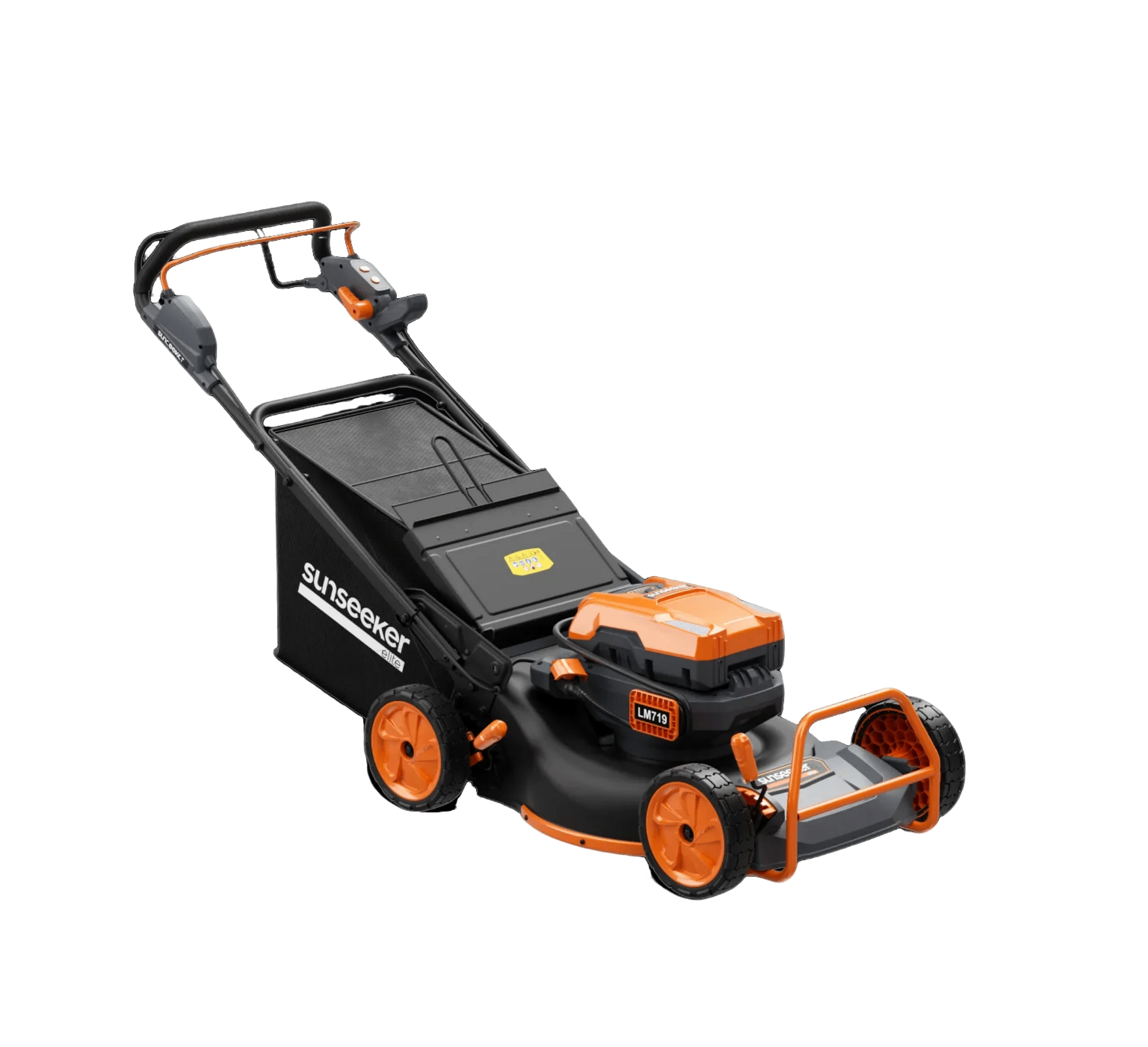
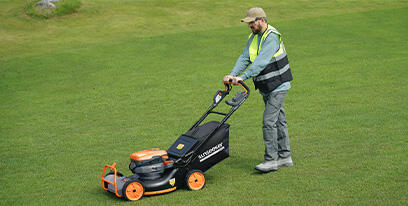
For many U.S. yards, a battery powered lawn mower makes weekly mowing feel simpler. It starts with a button, runs more quietly than gas, and avoids fuel, oil, and spark plug upkeep. The key is matching the mower’s battery life, deck size, and power to your yard’s size, grass growth, and terrain.
For many U.S. yards, a battery powered lawn mower makes weekly mowing feel simpler. It starts with a button, runs more quietly than gas, and avoids fuel, oil, and spark plug upkeep. The key is matching the mower’s battery life, deck size, and power to your yard’s size, grass growth, and terrain.
A battery powered lawn mower can make weekly lawn care feel much easier, especially if you are tired of pull cords, fuel storage, loud engines, or dragging a cord across the yard. Still, not every battery mower fits every lawn. Some yards need more runtime, stronger cutting power, better handling, or a smarter automated setup. This guide explains the main benefits, how battery mowers work, what features matter most, and how to choose a model that fits your yard without relying on hype or one-size-fits-all rankings.

Homeowners usually choose battery mowers because they want simpler mowing with fewer engine-related tasks. The benefits are easy to see, but each one works best when the mower matches the yard and mowing routine.
A battery powered lawn mower uses a rechargeable battery pack to run an electric motor. The motor spins the blade, and on some models it also powers self-propelled drive or smart features. In normal dry grass, power use stays fairly steady. But when grass is tall, thick, damp, or overgrown, the blade meets more resistance, so the motor draws more energy and the battery drains faster.
Yard conditions also affect how long one charge lasts. Flat lawns are easier on the battery than sloped, rough, or uneven ground. A self-propelled mower can make pushing easier, but it uses extra power to move the mower forward.
For the best results, mow on a regular schedule instead of waiting for heavy growth, and follow the maker’s battery care advice. Storing the battery away from extreme heat or freezing temperatures can also help keep the mower dependable over time.
A good purchase starts with your own yard, not the biggest number on the box. Look at how long you mow, how difficult your grass gets, and how easy the mower will be to use from week to week.
Start by estimating how long your usual mowing session takes. Many battery powered push mowers suit small to medium lawns, often around 1/4 to 1/2 acre, while stronger models may cover up to 3/4 acre in ideal conditions. A larger lawn can still work, but you may need a higher-capacity battery, a second battery, or a mower designed for longer coverage. If your mowing time is close to the advertised runtime, leave extra buffer.
Fine, dry grass is much easier to cut than thick, wet, or overgrown grass. If your lawn often grows fast or mowing is delayed between weekends, choose more power and runtime than you think you need. A mower that feels fine in ideal conditions may feel short-lived when the grass is heavy.
Cutting width affects how many passes you need. Many full-size battery mowers use a 20 to 22 in deck, which works well for open lawns. Smaller decks can be easier around trees, beds, and narrow side yards. Height adjustment also matters because many lawns are healthiest when cut around 2 to 3.5 in. Simple controls make it easier to avoid cutting too low and stressing the grass.
Check whether the mower supports the way you prefer to manage clippings. Bagging gives a tidy finish, mulching returns fine clippings to the lawn, and side discharge can help when grass is taller. The best option depends on how often you mow and how clean you want the yard to look after each cut.
The right mower depends on the kind of yard you actually maintain. Use these common yard scenarios to narrow the choice before comparing brands or models.
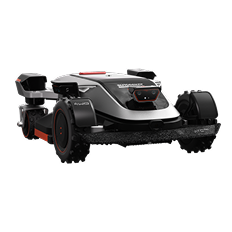
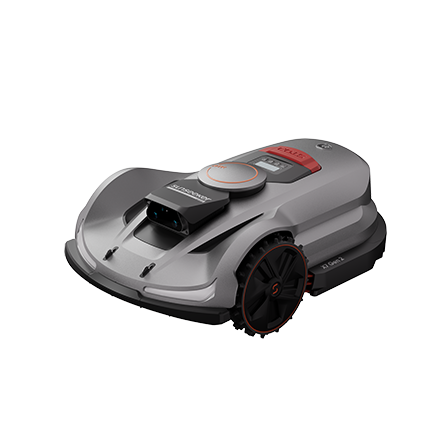
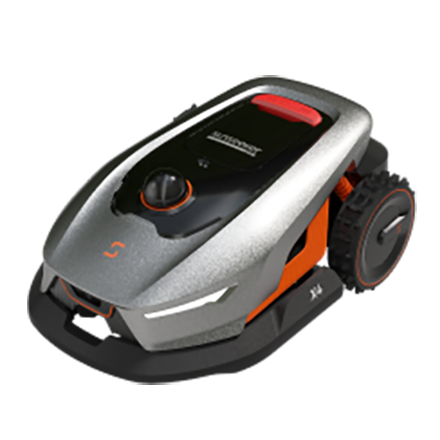
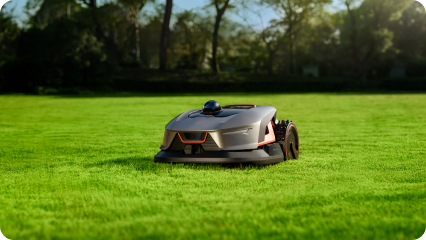
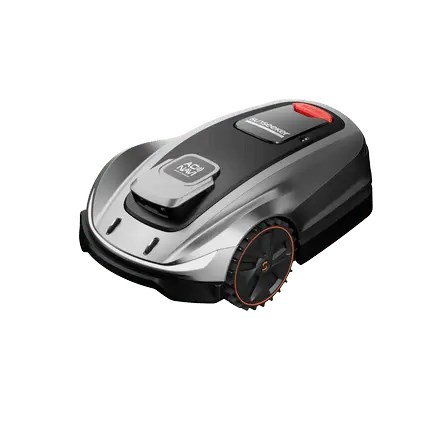
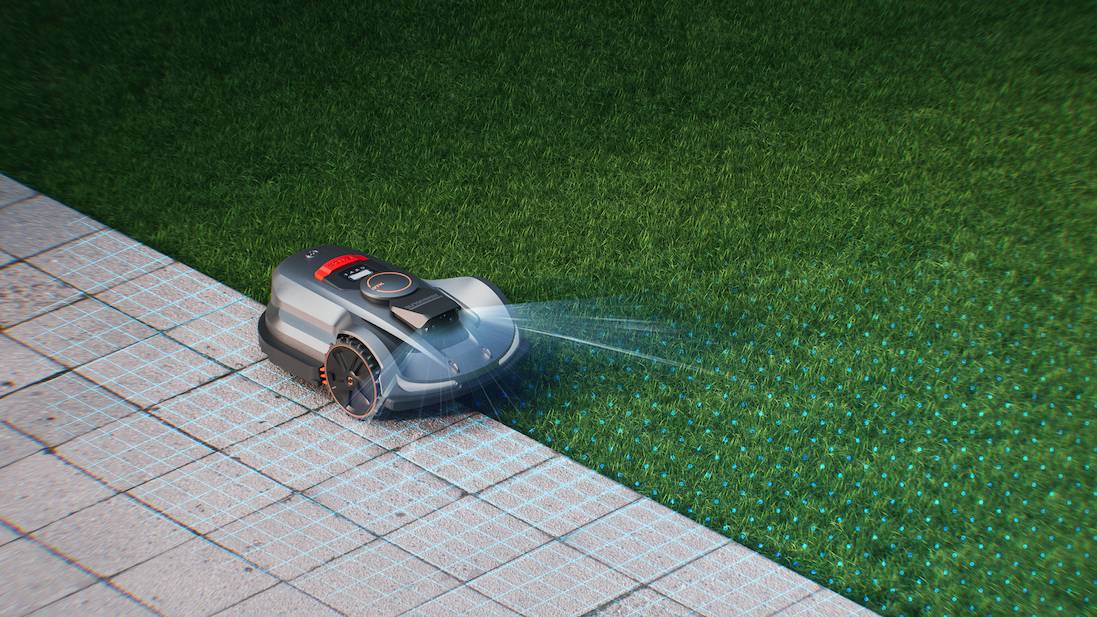
For small or medium lawns that are mowed regularly, a battery powered lawn mower is often one of the easiest choices. Look for enough runtime to finish the yard, simple height adjustment, easy storage, and comfortable handling. If you prefer more hands-free lawn care, a robotic mower like the Sunseeker Elite X4 can also be a strong fit. It is designed for yards up to 1200 m² and uses wire-free mapping, smart path planning, and obstacle detection to keep routine mowing simple.
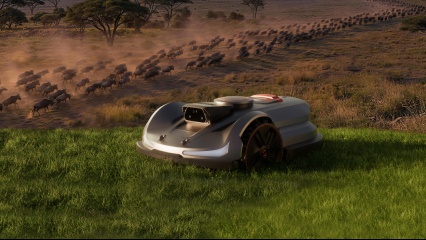
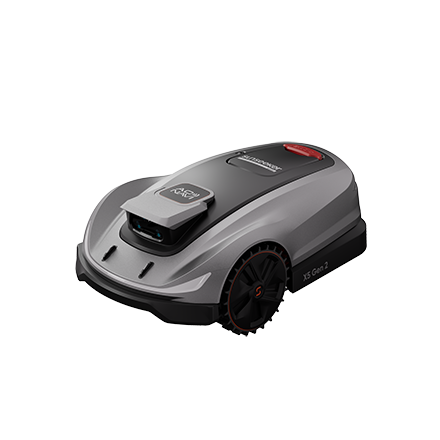
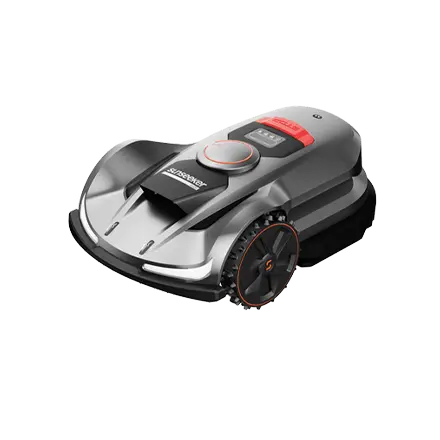
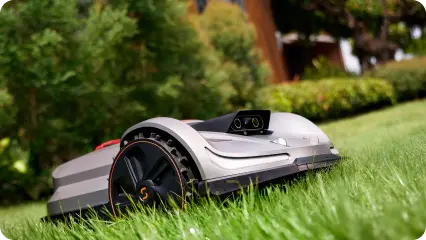
For slopes, thicker grass, uneven sections, or more complex layouts, a standard mower may not always feel convenient. In this case, a robotic mower with stronger navigation and terrain handling can be worth considering. The Sunseeker Elite X7 Plus Gen 2 is built for more demanding yards, with AONavi™ navigation, Vision AI 2.0, smart routing, and all-terrain capability. Selected models support up to 70% / 35° slopes, making the series better suited to yards where simple flat-lawn mowing is not enough.
A battery powered lawn mower is a smart choice when your lawn size, grass conditions, and mowing routine fit realistic battery limits. Focus on the way you actually mow: the time it takes, the terrain, the grass thickness, and the storage space you have. If those details match the mower’s runtime, cutting features, and handling, battery power can give you quieter mowing, easier starts, and less routine maintenance. For homeowners who want even less hands-on work, smart robot lawn mowers from Sunseeker can make lawn care more consistent with fewer traditional mower hassles.
The best battery-powered lawn mower depends on your yard size and grass conditions. For most small to medium lawns, choose a cordless mower with enough runtime, easy height adjustment, and a deck size around 20–22 inches. For thicker grass or larger yards, look for higher voltage, stronger cutting power, and a spare battery option.
An electric lawn mower battery usually lasts about 3 to 5 years with normal use and proper care. Per charge, many cordless mowers run for about 20 to 40 minutes, though stronger models may last longer. Battery life depends on mowing frequency, grass thickness, storage temperature, and charging habits.
Runtime changes based on grass height, moisture, thickness, terrain, and how fast you mow. Tall, wet, or dense grass makes the motor work harder, which drains the battery faster. Slopes and self-propelled drive also use extra power, so advertised runtime should be treated as a guide, not a fixed result.