















It can be confusing to change a lawn mower blade. For instance, some people are not sure which direction to turn and wonder whether they might actually be tightening it. That leads to a very common question: Are lawn mower blades reverse threaded? In this guide, we will clear up the confusion. Let’s see how mower blade bolts are threaded, which way they unscrew, how to identify the correct direction, and the safest way to remove them without causing damage.

Are Lawn Mower Blades Reverse Threaded?
Lawn mower blades are not reverse threaded, but the bolts that hold them in place might be. Specifically, whether mower blades are reverse-threaded depends on the type of mower and the manufacturer.
- Walk-behind (push) mowers: Most use standard right-hand threads, which means you have to turn counterclockwise for loosening.
- Riding mowers: These often use reverse (left-hand) threads, especially when blade rotation could otherwise loosen a standard bolt.
- Zero-turn and commercial mowers: Thread direction can vary, as it’s designed to match blade rotation and improve safety.
Which Way Does a Lawn Mower Blade Bolt Unscrew?
The direction you need to turn a mower blade bolt is a critical detail during routine maintenance or blade replacement. As mentioned earlier, it ultimately depends on the thread type used on your specific mower model. That said, in most cases, mower blade bolts follow a predictable pattern:
- Standard (right-hand) thread: Unscrews by turning counterclockwise. This is the most common configuration on push mowers, following the familiar rule “lefty loosey, righty tighty.”
- Reverse (left-hand) thread: When the lawn mower blade bolts are reverse threaded, unscrew by turning clockwise. This design prevents the bolt from loosening during operation by counteracting the blade’s rotation.
How Can You Tell the Thread Direction of Your Mower Blade Bolt?
It’s not that difficult to determine the thread direction of your mower blade bolt. Here are some simple and effective tips:
- Check the owner’s manual: The quickest and most reliable way is to read your mower’s manual, which clearly states whether the blade bolt uses standard or reverse threading.
- Look for bolt markings: Some blade bolts are stamped with “LH” or similar indicators, which signal a left-hand (reverse) thread and help prevent confusion during removal or installation.
- Test carefully by hand: After disconnecting the spark plug and securing the blade, apply light pressure in both directions to feel which way the bolt begins to loosen safely.
- Observe blade rotation direction: Most mower blades rotate counterclockwise when viewed from above, and reverse-thread bolts are often used to counteract loosening caused by this motion.
- Search your mower model online: Look up your mower model along with “blade bolt thread direction,” which can quickly reveal accurate, model-specific information shared by manufacturers or other users.
How Do You Remove a Lawn Mower Blade Bolt Safely? (step by step)
More often than not, you need to remove a blade bolt for sharpening or routine maintenance. Here’s how to do it:
Step 1. Turn Off and Disconnect Power
Shut down the mower completely and disconnect the spark plug wire (or battery on electric models) to eliminate any risk of accidental startup. Tilt a push mower with the air filter/carburetor side facing upward to prevent oil leakage. For riding mowers, raise or access the deck securely.
Step 2. Secure the Blade
Insert a sturdy wooden block between the blade and the mower deck to keep the blade from rotating while you work on the bolt. Choose a correctly sized socket wrench or breaker bar. If the bolt is stuck, an impact wrench or penetrating oil can help loosen it more effectively.
Step 3. Loosen the Bolt Carefully
Start by turning the bolt counterclockwise (standard thread). If it doesn’t budge, try clockwise, as some mowers use reverse-thread bolts. Apply steady pressure.
Step 4. Remove and Reinstall Properly
After loosening, remove the bolt and blade. Clean the mounting area, then reinstall the blade in the correct orientation and tighten it to the manufacturer’s recommended torque.
What Happens If You Turn the Blade Bolt the Wrong Way?
It’s not difficult to know whether lawn mower blade bolts are reverse threaded or not, but it’s still important to be cautious. When you turn a blade bolt in the wrong direction, it can quickly lead to stripped threads, which may require drilling or extraction. Meanwhile, rounded bolt heads can also become difficult to grip. In more serious cases, forcing the bolt the wrong way can damage the spindle or even the mower deck.
On reverse-thread systems, turning counterclockwise may actually tighten the bolt further instead of loosening it, making removal even harder. That’s why you should always start gently, confirm the correct direction, and avoid brute force. If the bolt is stuck, use penetrating oil, an impact tool, or controlled heat to loosen it safely to avoid further damage.

How Do You Maintain Lawn Mower Blade Bolts?
Last but not least, it’s crucial to maintain your lawn mower blade bolts, as proper care makes future blade removal easier and helps prevent potential damage. Here are the key practices:
- Clean the bolt and threads regularly
After removing the blade, wipe away dirt, grass, and rust buildup to keep threads smooth and prevent seizing during future maintenance or blade changes.
- Apply anti-seize or light lubrication
Use a small amount of anti-seize compound or oil on the threads to reduce friction, prevent corrosion, and make future removal much easier and safer.
- Tighten to proper torque specifications
Follow the manufacturer’s torque setting when tightening the bolt. Do not overtighten or undertighten the bolt, since it might damage the threads or cause the blade to loosen.
- Inspect for wear or damage
Check bolts for signs of rust or deformation, and replace worn components promptly to ensure safe blade operation and prevent more serious mechanical issues.
- Avoid using damaged tools
Use the correct socket size and well-maintained tools to prevent rounding the bolt head, which ensures a secure grip and reduces the risk of removal difficulties later.
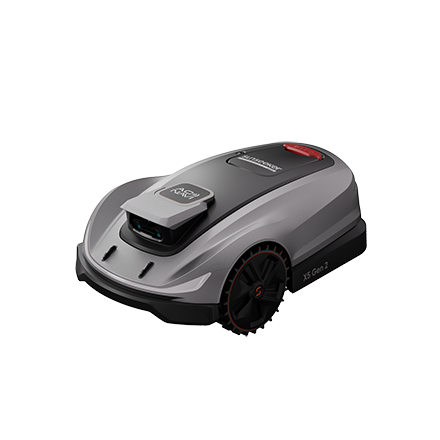
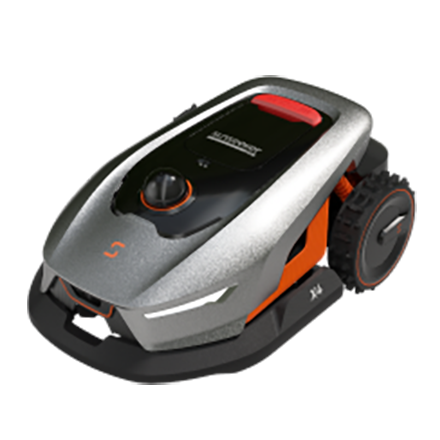
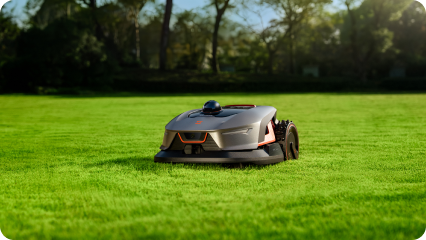
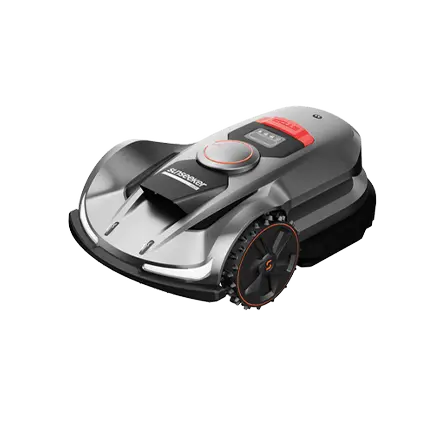
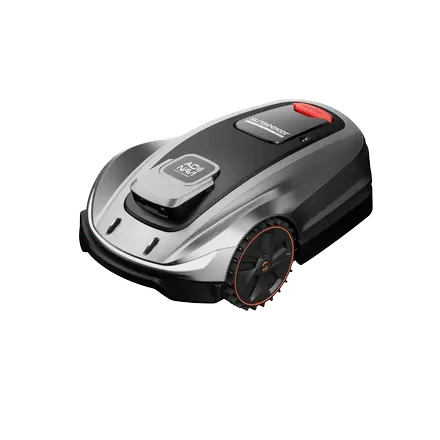
As you can see, dealing with blade bolts and thread orientation on traditional mowers can be tiring. The frequent maintenance and physical effort may turn routine lawn care into a frustrating chore. If you want a simpler solution, consider switching to a robotic mower. Robot lawn mower blades are compact and require less demanding maintenance, providing a convenient, hands-off way to keep an established lawn neatly trimmed.
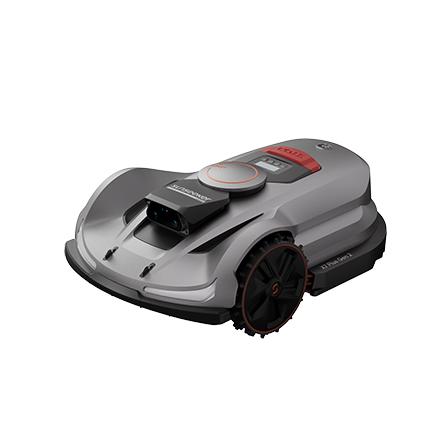
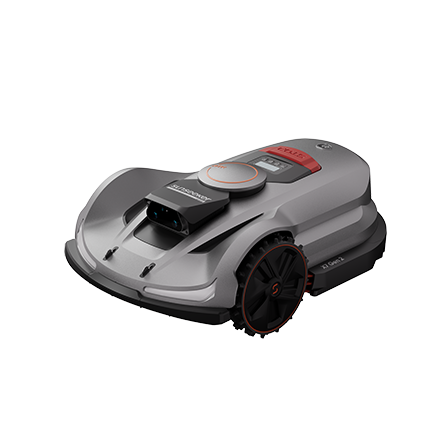
For those seeking better performance, the Sunseeker Elite X7 Gen 2 is an excellent choice. These advanced robotic mowers feature durable blades designed to last longer, which reduces the need for frequent blade changes. The quick-swap blade system makes replacement simple, and the package includes spare blades and tools for added convenience. Combined with intelligent AI navigation, advanced wheel control, and an optimized cutting system, it delivers efficient, precise mowing with minimal effort.