




FAQs
1/23/2026
Contents
Products
Residential Lawns






Commercial Landscapes
Explore
Where to Buy


We have all faced this situation—the lawn desperately needs cutting, but a recent rain has left everything damp. Is it really a problem to mow wet grass? While it might seem like a time-saver, we don’t recommend you to do that. Cause mowing in wet conditions can lead to a host of issues for your lawn’s health, your mower’s condition, and even your personal safety. This guide explains the risks involved, advises on the best waiting period after rain, and offers practical steps for those times when you simply cannot wait.

The temptation to mow wet grass is understandable, especially when your schedule is tight. However, the potential downsides are significant and affect multiple aspects of your lawn care.
Wet grass blades tend to clump together and bend over rather than standing upright. This makes it difficult for the mower blade to achieve a clean, even cut. Instead of being cleanly sliced, the grass is often torn, resulting in a ragged, frayed appearance at the tips. This not only looks untidy but also creates entry points for disease.
A damp lawn is an ideal breeding ground for fungal spores and bacteria. Mowing wet grass creates numerous small, open wounds on each blade. Combined with the moist environment and the layer of wet clippings left behind, this significantly increases the risk of diseases like brown patch, dollar spot, and red thread taking hold in your lawn.
Wet soil is soft and much more susceptible to compaction. The weight of a mower, especially a heavy riding model, can press down on the soil structure, reducing air pockets and making it harder for water and nutrients to reach grass roots. Furthermore, tires can slip and tear the delicate turf, creating unsightly ruts and damaging the grass crowns.
Mowing on wet grass, particularly on any slope, dramatically increases the risk of slipping and falling. A loss of footing while operating powerful machinery is a serious safety concern. Additionally, wet grass clippings can clog the mower's discharge chute rapidly, potentially causing the machine to overheat or stall unexpectedly.
Wet grass clippings are sticky and heavy. They adhere to the underside of the mower deck, around the blade, and inside the grass bag. This leads to frequent clogging, which requires stopping to clear the deck repeatedly. The accumulated, damp mass also promotes rust and corrosion on metal parts and places extra strain on the mower's engine or electric motor.
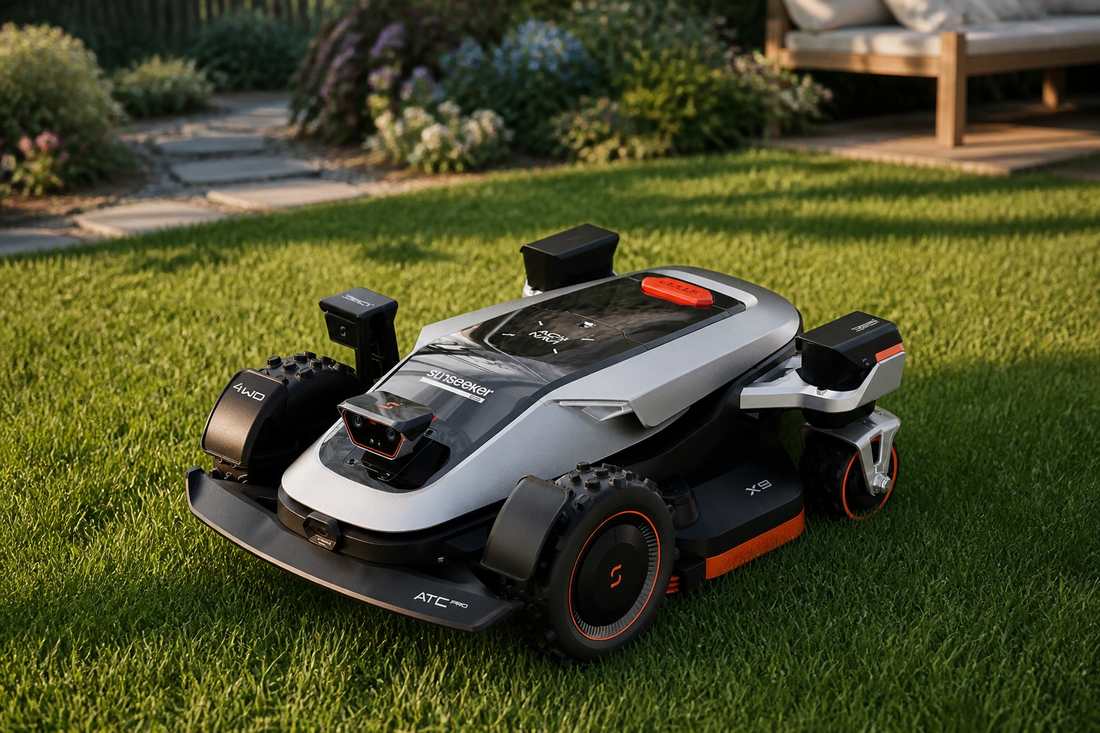
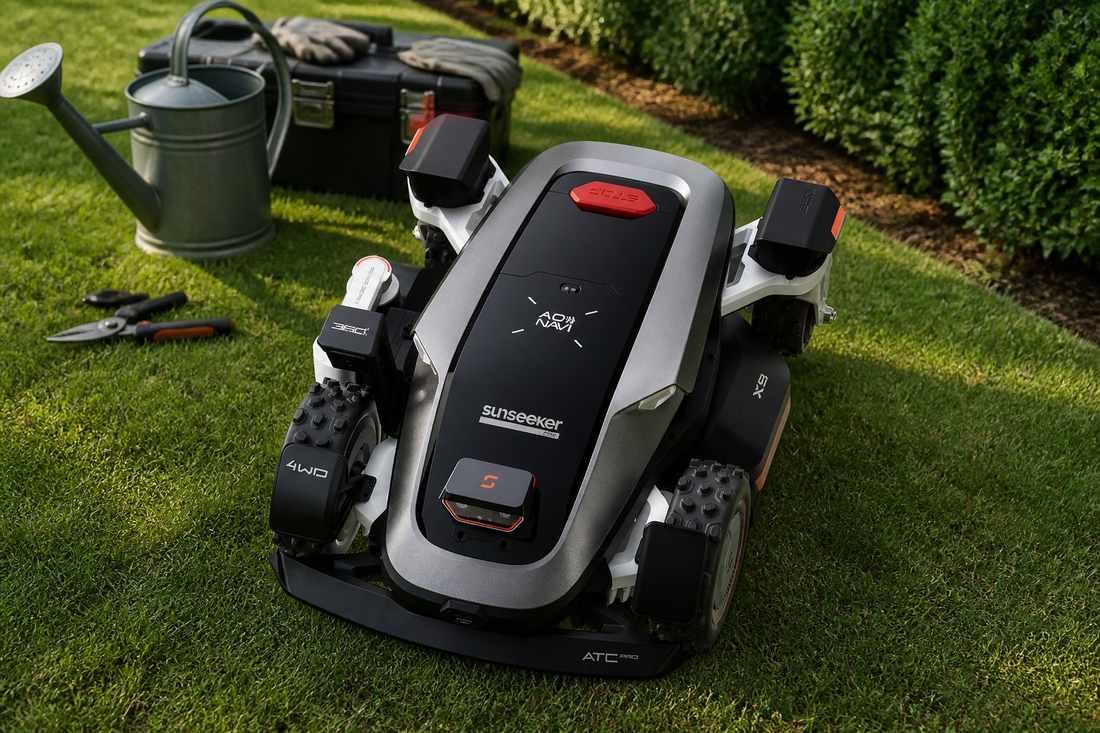
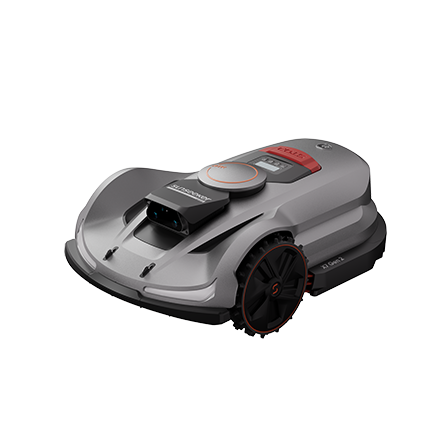
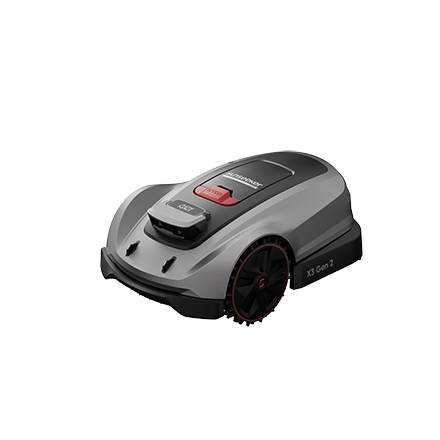
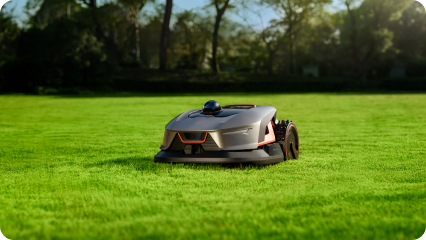
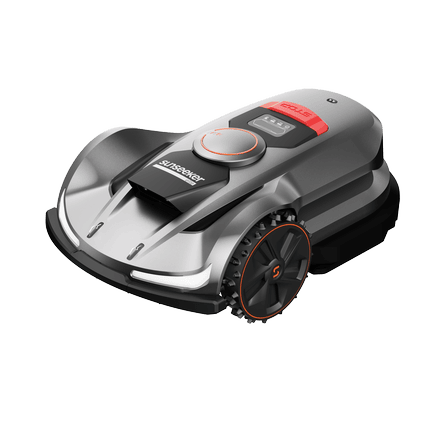
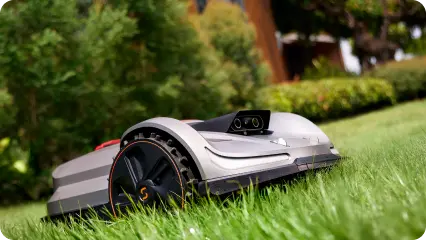
For corded electric mowers, cutting wet grass carries a serious risk of electric shock or short-circuiting. Also, battery-powered models can suffer if moisture reaches electrical connections or the battery compartment, leading to corrosion or failure. Advanced robotic options like the Sunseeker Elite X Gen 2 Series are designed with sealed electronics and rain-detection features, but for safety and long-term reliability, mowing should still be avoided when the lawn is excessively wet.
Patience is key. A good general rule is to wait at least 24 to 48 hours after rainfall ends before mowing. This allows sufficient time for both the grass blades and the top layer of soil to dry out. The actual drying time can vary. A sunny, breezy day will speed up the process considerably, while overcast, humid conditions may require a longer wait.
The most reliable test is a simple one: walk across your lawn. If the grass springs back up after your footstep and your shoes remain mostly dry, it is likely safe to mow. If your footsteps leave visible impressions or your shoes become wet, the lawn is still too damp. Giving it more time is the best course of action for the health of your lawn and mower.
Sometimes, circumstances leave little choice. If you must mow damp grass, taking specific precautions can help minimize the damage.
Prioritize Safety: Always wear shoes with excellent grip to prevent slipping. Ensure your work area is clear and well-lit if visibility is poor.
Use a Sharp Blade: A dull blade will tear grass rather than cut it, exacerbating damage. A sharp blade provides the cleanest cut possible under poor conditions. For guidance on recognizing the signs of a dull blade and knowing the right time for maintenance, you can check our another blog When to Replace Lawn Mower Blades: Signs and Timing that offers a detailed breakdown.
Adjust Mower Settings: Set your mower to its highest cutting height. This removes only the very tips of the grass, reducing stress on the plants and the likelihood of clogging.
Mow Slowly and Carefully: Reduce your mowing speed. Avoid sharp turns that can tear up the soft turf. Take your time to allow the mower to process the wet grass.
Clean Frequently: Be prepared to stop and clear the clumps of wet grass from the mower deck and discharge chute regularly to prevent clogging and strain on the machine.
When faced with a wet lawn, mowing is not recommended. Instead, you can focus on other maintenance tasks to keep the lawn tidy and healthy.
Make a habit of checking the weather forecast. If rain is predicted for the day you typically mow, try to cut the grass a day earlier. This simple planning is the most effective way to avoid the wet grass dilemma entirely. Smart mowers like the Sunseeker Elite X Gen 2 Series take this a step further, using an intuitive app that lets you adjust mowing schedules anytime, so lawn care stays flexible and perfectly timed.

Using Sunseeker mobile app to set schedules
A rainy period or a damp lawn can be an opportunity. Use the time you would have spent mowing on other productive garden work. The moist soil makes it easier to pull weeds, and it’s also a great time to tidy up lawn edges using an edger or handheld trimmer. You can also trim shrubs or plan new landscaping projects while waiting for the grass to dry.
If your lawn consistently stays wet long after it rains, you may have a drainage issue. Long-term solutions like core aeration (which reduces compaction), adding organic matter to the soil, or adjusting the lawn's grading can help water drain more effectively, leading to a drier, healthier turf that is ready to mow sooner.
Mowing wet grass is not recommended. While it may seem like a quick fix for a tight schedule, the long-term consequences for your lawn’s health, your equipment’s longevity, and your personal safety far outweigh any short-term convenience. Waiting for the grass to dry results in a cleaner cut, reduces the risk of disease, helps protect your mower from unnecessary wear, and creates a safer mowing experience overall.
By planning ahead, such as checking the weather forecast, keeping blades sharp, and improving overall lawn health, you can almost always avoid mowing in damp conditions. A beautiful, resilient lawn is built through consistent, careful practices, and patience is one of the most valuable tools in lawn care.
It’s best to avoid mowing wet grass with a robotic lawn mower. Wet conditions reduce cut quality, increase clogging, strain components, and can encourage lawn disease, even on advanced, weather-resistant models.
Yes. Wet grass contains more moisture and can be slightly more abrasive, contributing to faster blade wear. Additionally, wet clippings stick to the blade and deck, accelerating corrosion that can degrade the metal's edge.
Promptly rake and disperse the clumps. Leaving them on the lawn can smother the grass underneath, creating yellow patches and encouraging fungal growth. You can add these clumps to a compost pile if they are not treated with herbicides.