





FAQs
1/30/2026
Contents
Products
Residential Lawns












Commercial Landscapes
Explore
Where to Buy


Weeds are the uninvited guests of every garden, stealing water, nutrients, and sunlight from your desired plants. The good news is that stopping weeds before they start is far easier than battling a full-scale invasion later. This guide walks you through identifying common weeds, implementing natural prevention strategies, using organic removal techniques, and understanding when chemical controls might be a necessary last resort.
Before you can fight weeds, you need to know what you're up against. A “weed” is simply any plant growing where it isn’t wanted. These plants often grow quickly, adapt easily, and spread aggressively, allowing them to outcompete your lawn or garden for water, nutrients, and sunlight. Left unchecked, weeds weaken turf density, create uneven surfaces, and can attract pests or harbor lawn diseases, making long-term maintenance more difficult.
Lawn weeds generally fall into three categories, each requiring a slightly different approach:
Broadleaf Weeds: Examples include dandelions and clover. These are easily distinguished from grass by their wide leaves and often showy flowers.
Grassy Weeds: Such as crabgrass and annual bluegrass. These look similar to turfgrass but have more aggressive growth habits, making them trickier to identify and remove selectively.
Grass-like Weeds: Sedges are a common example. They resemble grass but often have triangular stems and thrive in wet, poorly drained areas.
Weed problems usually signal underlying issues rather than appearing randomly. Common causes include:
Poor soil health: Compacted or nutrient-deficient soil weakens grass, reducing its competitiveness.
Improper lawn care: Mowing too low or inconsistent watering stresses turf, creating openings for weeds.
External introduction: Seeds can arrive via wind, animals, or contaminated soil.
Environmental stress: Drought, disease, or other pressures create bare patches where weeds can quickly establish and spread.
The best defense is a good offense: maintaining a healthy, vigorous lawn from the start is the most effective way to prevent weeds. Removing established weeds is far more difficult than keeping them from taking hold in the first place.
A dense, vigorous turfgrass serves as the ultimate deterrent against weeds, making it difficult for them to take root or access sunlight. Maintaining such a lawn requires consistent care, including regular and balanced fertilization to encourage lush, thick growth. Deep but infrequent watering strengthens roots, helping grass outcompete weeds for nutrients and moisture. Over time, a healthy, tightly packed lawn naturally crowds out weed seedlings.
Healthy soil grows healthy grass. Annual core aeration relieves soil compaction, allowing air, water, and nutrients to penetrate deeply to the roots. Top-dressing with compost further enhances soil structure, fertility, and microbial activity, creating a stronger foundation for lush growth. For cool-season grasses, aerate in early spring and/or early fall, while warm-season grasses benefit most from aeration in late spring to early summer.
If you would like a season-by-season guide showing exactly what tasks to perform for different grass types to keep your lawn healthy and strong throughout the year, refer to our Year-Round Lawn Care Schedule Tips.
How you mow has a huge impact. Always follow the "one-third rule": never remove more than one-third of the grass blade height at a single mowing. Keeping your grass toward the taller end of its recommended range, generally 2.5 to 4 inches (6.4 to 10 cm), helps shade the soil surface and suppress weed seed germination.
Using auto robot lawn mower like the Sunseeker Elite X7 Gen 2 makes this easier, as it allows cutting heights to be accurately adjusted from 2 cm to 10 cm. You can change settings and schedule it directly through the smart app, enabling effortless seasonal or grass-type adjustments.
Furthermore, always mow with a sharp blade to ensure clean cuts that heal quickly, and keep the mower deck clean to avoid spreading weed parts.
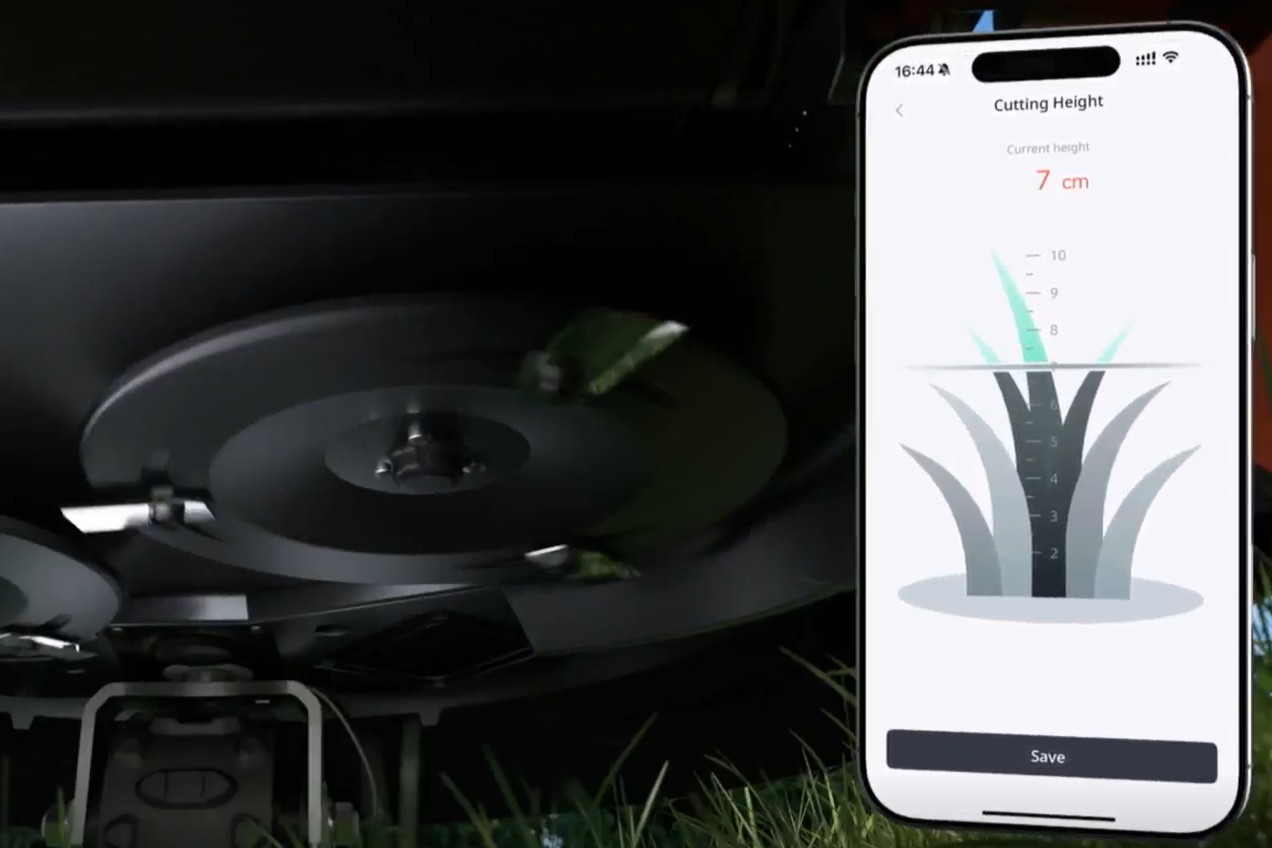
The Sunseeker Elite X7 Gen 2 with adjustable cutting height from 2 cm to 10 cm
In garden beds and around plants, apply a 2 to 4-inch (5-10 cm) layer of organic mulch, such as wood chips or shredded bark. This layer acts as a physical barrier, blocking sunlight from reaching weed seeds and preventing them from contacting the soil. As an added benefit, mulch conserves soil moisture and breaks down to enrich the soil.
For persistent annual weeds like crabgrass, a pre-emergent herbicide can be an effective preventative measure. It forms a chemical barrier in the soil that stops weed seeds from germinating, but timing is critical.
Apply before the seeds begin to sprout, which usually coincides with soil temperatures reaching about 55°F (13°C) for cool-season grasses in early spring, or when warm-season grasses start active growth in late spring. In some cases, a second application in early fall helps control late-season weeds. Monitoring local soil and weather conditions ensures optimal timing for effectiveness.
Lawn equipment plays a significant role in energy use, emissions, and noise levels. Selecting low-impact tools supports both environmental goals and user comfort.
For isolated weeds, hand-pulling or using a digging tool like a dandelion weeder is highly effective. Focus on removing the entire root system, as leftover roots can regrow.
The task is easiest when the soil is moist, such as after rainfall or irrigation, which softens the ground and reduces breakage. Wearing gloves and working systematically row by row helps prevent overlooking smaller seedlings that can quickly spread if left behind.
Boiling water is a quick, chemical-free way to kill weeds growing in hard-to-reach spots like pavement cracks, between patio stones, or gravel paths. Pour it slowly and directly onto the weeds to ensure the heat reaches the roots. Take care to avoid nearby desirable plants, as the water will damage any vegetation it touches. For stubborn weeds, repeated applications may be necessary for complete eradication.
Household vinegar with a high acetic acid concentration (around 20%) works as a natural contact herbicide. Spray directly on leaf surfaces, and the plant will quickly dry out and die. Because it is non-selective, precision is crucial—use a spray bottle with a narrow nozzle to target weeds without affecting nearby grass or flowers. Applying on sunny, dry days improves effectiveness, as heat helps accelerate desiccation.
Corn gluten meal is an organic option that prevents weeds by inhibiting root formation in germinating seeds. Apply it evenly before weed seeds sprout, typically in early spring or fall depending on your grass type.
In addition to its pre-emergent effect, it slowly releases nitrogen, providing a mild fertilizing benefit to your lawn. Lightly watering it in after application helps it settle into the soil for maximum effectiveness.
When natural methods are insufficient for a severe infestation, chemical controls may be considered. They should be used judiciously and as a last resort.
It's vital to choose the right type. Selective herbicides, like those containing 2,4-D, target specific weed types (e.g., broadleaf weeds) without harming grass. Non-selective herbicides, such as glyphosate, will kill or damage any plant they contact, making them suitable for clearing entire areas like driveways or preparing new beds.
Systemic herbicides are absorbed by the plant and move throughout its tissues, making them highly effective for eliminating deep-rooted perennial weeds that are difficult to remove manually. In contrast, contact herbicides only affect the parts of the plant they touch directly, making them most suitable for young, fast-growing annual weeds and small infestations where complete coverage is possible.
These products are intended for weeds that are already actively growing, as applying them too early or to dormant plants reduces effectiveness. Successful results depend on correctly identifying the weed species and carefully following label instructions for mixing, application rate, and timing.
Applying the herbicide precisely to target plants ensures maximum impact while minimizing damage to surrounding grass. In many cases, spot-treating individual weeds is safer and more efficient than broadcasting chemicals across the entire lawn.
When using any chemical herbicide, always prioritize safety. Wear protective clothing, gloves, and eye protection to avoid skin or eye contact, and consider a mask if spraying fine mist. Apply only on calm, dry days to prevent drift onto nearby desirable plants or gardens.
Keep pets and children away from treated areas until the product has fully dried, and be cautious around wildlife habitats and water sources to prevent contamination. Store all herbicides securely out of reach of children, in their original containers, and dispose of empty containers according to the manufacturer’s instructions and local regulations.
Successfully preventing weeds relies on a consistent, multi-step strategy rather than a one-time solution. It begins with building a dense, healthy lawn that naturally resists invasion through proper mowing, watering, and soil care. Using equipment like the Sunseeker Elite robotic mowers helps maintain optimal cutting height and mowing frequency automatically, supporting stronger turf growth with less effort.
When weeds do appear, start with natural solutions such as hand-pulling or targeted treatments with boiling water or vinegar. Knowing the weed type and its growth cycle allows timely intervention, from organic pre-emergents like corn gluten meal to carefully chosen chemical options as a last resort. With persistence and regular observation, proactive care leads to a healthier lawn and far less time spent fighting weeds.
Pre-emergent herbicides prevent weed seeds from germinating and must be applied before they sprout. Post-emergent herbicides kill existing, actively growing weeds and are applied directly to their foliage.
For summer annual weeds like crabgrass, apply in early spring when soil temperatures reach 50-55°F (10-13°C). For winter annual weeds, apply in early fall. Timing varies by region, so check local extension guidelines.
Yes, leaving grass clippings on the lawn (grasscycling) acts as a thin, nutrient-rich mulch that helps suppress weed germination. Ensure clippings are fine and distributed evenly to avoid smothering the grass.