










FAQs
1/13/2026
Contents
Products
Residential Lawns










Explore
Where to Buy


Creating an enviable lawn turns your garden into a space that feels welcoming, and refined. Reaching that level depends on steady, well-timed care throughout the year. As temperatures rise and fall, grass growth slows, accelerates, or pauses, and lawn conditions shift with each stage. Understanding these natural cycles makes it possible to build a DIY lawn care schedule that works with the grass, not against it. This guide outlines practical, grass-specific strategies to help you maintain a healthy, attractive lawn.

As daylight increases and temperatures slowly rise, your lawn shakes off its winter slumber. This is a season of revival and vigorous growth, setting the tone for the months ahead.
For cool-season grasses like Perennial Ryegrass, Tall Fescue, and Kentucky Bluegrass, spring is their prime growing season. Focus on applying a balanced, slow-release fertilizer to fuel lush growth. Conduct the first mow of the year, but set the blades high to avoid stressing the young grass.
Early spring is also the perfect window for tackling weeds before they establish, making it an effective time for selective herbicide application or manual removal.
Grasses such as Bermudagrass or Zoysia awaken later in spring. Begin by gently raking to remove any winter debris or thatch that can block sunlight and air. Hold off on heavy fertilization until you see consistent green growth. The first mow should be a light trim once the grass is actively growing, gradually lowering the cutting height to its summer level over several weeks.
If your soil is compacted from winter, spring aeration is highly beneficial. This process creates small holes in the turf, allowing water, air, and nutrients to reach the roots more effectively. For cool-season lawns with thin or bare patches, overseeding in early spring can help fill them in. For warm-season lawns, wait until late spring when soil temperatures are reliably warmer for any seeding or sodding projects.
A pre-emergent herbicide applied in early spring can create a barrier against common weeds like crabgrass. Keep an eye out for early signs of pests, such as chafer grubs. If damage appears, targeted, eco-friendly treatments can be applied before populations grow.
Summer brings long days, warmth, and specific challenges that test your lawn's resilience, from heat stress to potential drought.
Cool-season grasses naturally slow their growth and can go dormant during prolonged heat and drought. Raise your mower blades to their highest setting; longer grass blades shade the soil, conserve moisture, and keep roots cooler. Reduce or pause fertilization to avoid forcing tender growth during stressful conditions. Water deeply and infrequently, ideally in the early morning, to encourage deep root systems.
This is the active growing period for warm-season varieties. They will require more frequent mowing—always adhering to the "one-third rule," never removing more than a third of the blade height at once. A summer application of fertilizer will support this vigorous growth. Consistent watering is crucial, especially during dry spells, to maintain their deep green color.
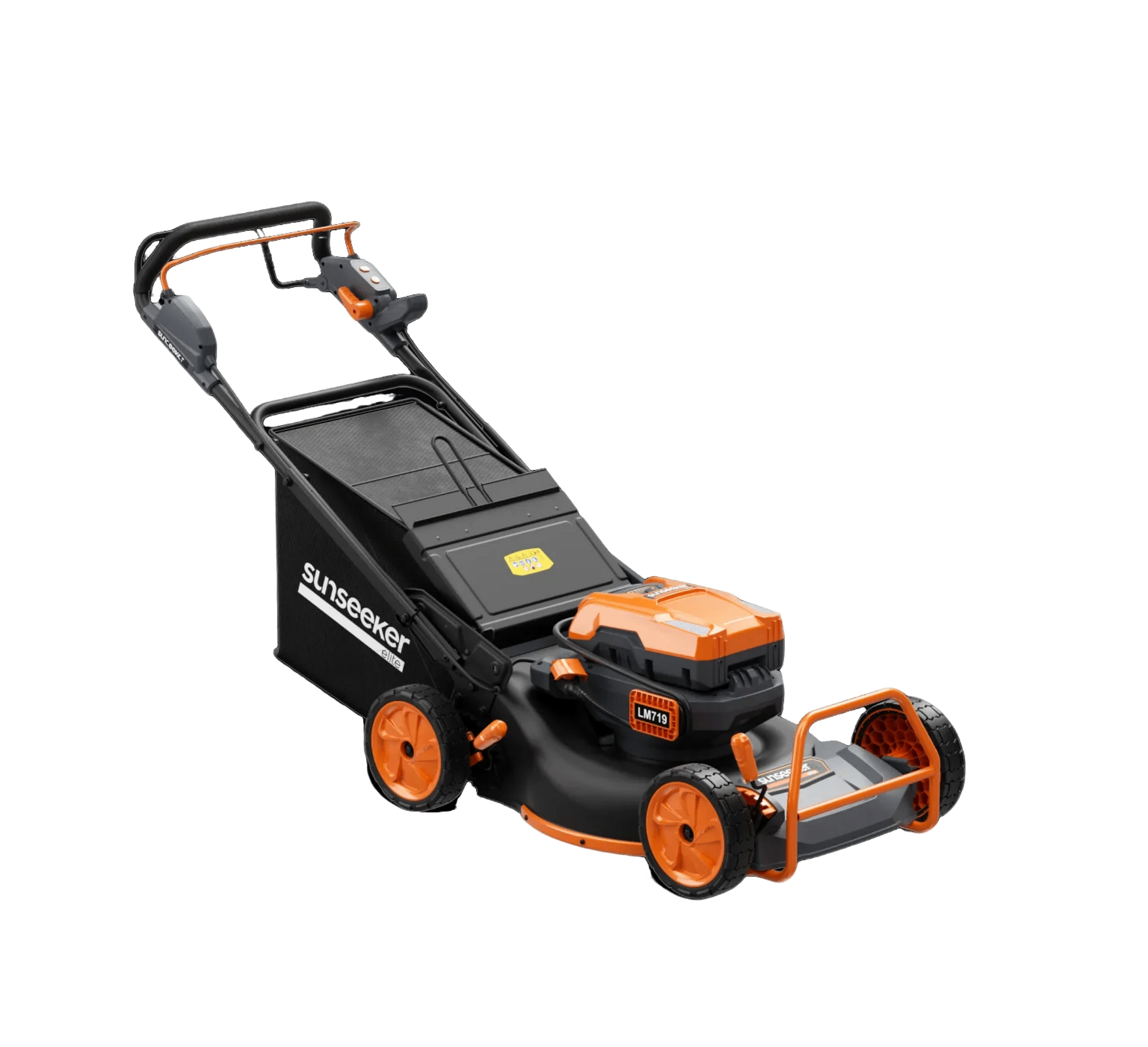
To handle the increased mowing frequency more easily, the Sunseeker Elite X7 offers precise cutting height adjustments from 20 mm to 100 mm, making it simple to adapt lawn length to changing seasonal conditions or different grass types. Its dual-blade system delivers a wide 35 cm cutting path, covering more ground with each pass for faster, more efficient summer mowing.

Sunseeker Elite X7 with dual-blade system
Efficient watering is key across all grass types. Aim for about one inch of water per week, including rainfall. It is better to water deeply once or twice a week than to sprinkle lightly daily. This practice trains roots to grow downward in search of moisture, creating a more drought-tolerant lawn. Water in the early morning to minimize evaporation and fungal disease.
High humidity and heat can invite lawn diseases like brown patch or red thread. Avoid mowing when the grass is wet, and ensure your mower blades are sharp to prevent tearing, which can be an entry point for disease. If you notice irregular brown or discolored patches, consult a local garden centre to identify and treat the specific issue promptly.
Autumn is arguably the most important season for lawn care. It's a time for recovery, strengthening, and preparation for the colder months.
Cool-season grasses experience a second growth spurt in autumn. Apply a fall-specific fertilizer that is higher in potassium to promote root development and winter hardiness. This is the best time for overseeding and core aeration, as the warm soil and cool air create ideal conditions for seed germination and root recovery. Continue mowing as needed, gradually lowering the height to its winter level.
As growth slows, reduce mowing frequency. Apply a final, light fertilizer in early autumn to help the grass store nutrients before dormancy. Avoid high-nitrogen feeds that stimulate tender new growth vulnerable to frost. Rake or mulch fallen leaves promptly to prevent them from smothering the grass.
Regardless of grass type, never let a thick layer of leaves sit on your lawn. They block sunlight and trap moisture, leading to dead patches and disease. Mulch them with your mower for a nutrient boost or rake and compost them. Autumn is also an excellent time to test your soil pH and apply lime if the soil is too acidic.
Give your lawn its final cut of the season slightly shorter than usual to prevent matting under snow or leaves. Most importantly, take this time to service your mower. Clean it thoroughly, sharpen or replace the blades, and follow winterizing procedures for its engine. This makes spring start-up much easier.
For a more detailed look at preparing your lawn for the long winter ahead, including late-autumn preparation steps and frost-safe storage tips for different types of mowers, see Winter Lawn Care Tips: Keep Your Grass Healthy Through Cold Months.
Winter is a time for the lawn and the gardener to rest. The focus shifts from active care to protection and planning.
Growth has ceased. Minimise traffic on frozen or wet turf to prevent soil compaction and crown damage. If there is a mild spell and the grass grows, a light mow is acceptable, but avoid it if the ground is soft.
In cooler regions of the United States, particularly the Midwest and northern states, warm-season grasses will turn fully brown and dormant. This is normal. Keep the lawn clear of debris and avoid heavy objects or excessive foot traffic that can damage the dormant crowns beneath the surface.
After storms, clear any large branches or debris. In areas with lasting snow cover, avoid piling shoveled snow loaded with road salt onto the lawn. If you notice grey or pinkish crusty patches after snow melts (snow mold), gently rake the area to improve air circulation.
Use the quiet winter months to plan. Review what worked last year, order seeds or supplies early to avoid spring shortages, and consider any landscape changes you'd like to make when the ground thaws.
The table below offers a simple overview to help you better understand how these two grass types differ in growth and care needs.
|
Aspect |
Cool-Season Grasses |
Warm-Season Grasses |
|
Optimal Growth Temperature |
10–24°C (50–75°F) |
24–32°C (75–90°F) |
|
Peak Growth Period |
Spring and fall |
Summer |
|
Summer Performance |
May struggle in heat and drought |
Thrive in heat and full sun |
|
Winter Appearance |
Stay green in mild winters |
Go dormant and brown |
|
Common Grass Types |
Kentucky bluegrass, tall fescue, perennial ryegrass |
Bermuda, Zoysia, St. Augustine, Centipede |
|
Typical U.S. Regions |
Northern states, Upper Midwest, Northeast, Pacific Northwest |
Southern states, Southeast, Southwest |
|
Water Requirements |
Moderate to high during hot periods |
Lower water needs once established |
|
Mowing Frequency |
Spring and fall peak mowing |
Frequent mowing in summer |
|
Ideal Lawn Use |
Cool climates, high-traffic lawns |
Warm climates, low-water landscapes |
A one-size-fits-all approach doesn't work across across the diverse climates of the United States. Tailoring your schedule is the final step to success.
Across the Upper Midwest and Northern states, like Minnesota, Wisconsin, and Michigan, cool-season grasses are the standard. Springs start later, and autumn frosts arrive earlier. Concentrate on robust spring and autumn care programs. Winter protection against prolonged wetness and frost heave is a key consideration.
The Southern states, including Florida, Texas, and the Deep South, favor warm-season grasses. The primary challenge is summer drought, making efficient irrigation systems vital. In inland transition zones such as Tennessee, Kentucky, and parts of North Carolina, both warm- and cool-season grasses may perform well, requiring a blended care approach that manages intense summer heat and cooler winter conditions.
Coastal lawns may face salt spray and wind, requiring more salt-tolerant grass varieties such as seashore paspalum, tall fescue, or fine fescue, along with consistent moisture management. Inland lawns, particularly in continental climates, experience greater temperature extremes, necessitating a strong focus on summer heat stress and winter frost protection.
Finally, observe your own garden. A sunny, south-facing slope will dry out faster than a shaded north-facing border. Sandy soil requires more frequent watering and feeding than moisture-retentive clay. Let these micro-climates and soil conditions guide the fine-tuning of your watering, mowing, and feeding routines.
A beautiful lawn is a patient project, nurtured season by season. By understanding the natural rhythm of your grass, whether it thrives in cooler conditions or warmer periods, and aligning care with local climate patterns, resilience is built into every blade. The reward is a green, inviting space that evolves gracefully through the year, from lively summer gatherings to the quiet, frost-kissed calm of winter.
To make this seasonal care easier and more consistent, smart solutions like Sunseeker Elite robotic mowers help maintain optimal cutting heights and schedules automatically, supporting healthy growth with minimal effort. Start with the next season on the calendar and enjoy the simple, satisfying process of a lawn that looks its best all year long.
During a heatwave, raise your mowing height significantly and water deeply in the early morning. Avoid fertilizing or using herbicides, as these can stress the grass further when it's focusing on survival.
For cool-season grasses, apply fall fertilizer at least 6 weeks before your area's first expected hard frost. For warm-season grasses, complete fertilization 4-6 weeks before dormancy typically begins in your region.
No, avoid watering when frost is expected. Wet grass blades are more susceptible to freezing damage, which can harm the plant cells and lead to discoloration or disease as temperatures fluctuate.