









FAQs
7/25/2026
Contents
Products
Residential Lawns










Explore
Where to Buy


Brown grass can come from drought, too much water, disease, pests, pet damage, or seasonal dormancy. The right fix starts with identifying the cause. Check the soil, roots, and grass condition before watering more, adding fertilizer, or applying treatments.
A lawn can lose its color faster than expected. After a stretch of heat, heavy rain, extra foot traffic, or a few missed waterings, green grass may suddenly show brown patches, dry edges, or dull areas that spread from one week to the next. It is a common problem, but the cause is not always obvious.
If you are asking why is my lawn turning brown, this blog will help you sort through the most likely reasons, read the warning signs, and choose the right repair steps before the damage spreads further.
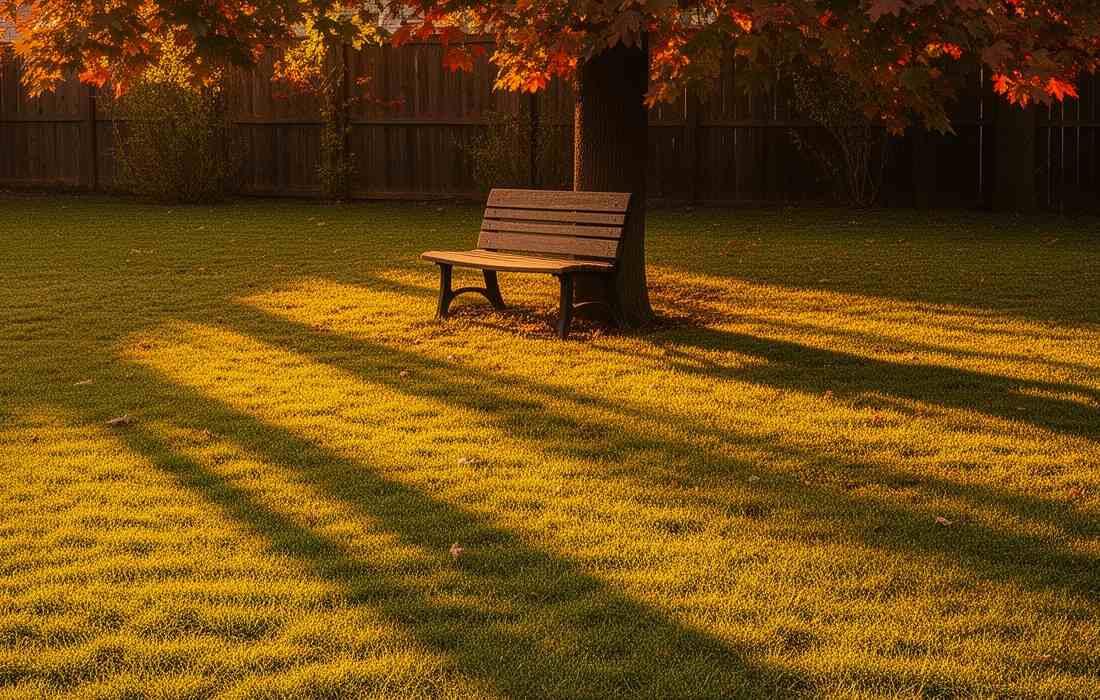
Brown grass usually means the plant is under stress. The stress may come from a lack of water, too much moisture, damaged roots, insects, disease, or chemicals. Looking at the pattern, location, and timing of the brown area helps reveal the cause.
Hot weather and dry soil are among the most common reasons lawns turn brown. Grass needs water to move nutrients through its roots and maintain green leaf growth. During drought, many grasses slow down and may enter dormancy to protect themselves.
Dormant grass is not dead. Warm-season grasses often turn brown during dry periods and recover when rain or irrigation returns. However, long periods without enough moisture can kill roots and create permanent dead spots.
Too much water can damage grass just as much as too little. Waterlogged soil has fewer air spaces, which means roots receive less oxygen. Over time, weak roots cannot support healthy grass growth.
Poor drainage often creates brown or yellow areas that stay wet longer than the rest of the lawn. Low spots, compacted soil, heavy clay, and blocked drainage paths can all trap water. Before adding more water, check if the soil is actually dry.
Fungal diseases can create brown circles, irregular patches, or thinning grass. Disease is more likely when grass stays wet for long periods, airflow is poor, or the lawn is stressed. Some diseases appear during cool, damp weather, while others become worse during heat.
Look closely at the blades. Spots, fuzzy growth, unusual colors, or damaged leaf edges can help identify a disease problem. Avoid adding extra fertilizer without knowing the cause because excess growth can sometimes make disease pressure worse.
Insects can damage grass by attacking roots below the surface. Grubs are a common example. When roots are eaten, turf may become loose and lift easily. Animals digging for insects can create additional damage.
Check a small square of turf if you suspect pests. Healthy roots should hold the soil firmly. If the grass pulls up easily and you see insects in the root zone, pest control may be needed before reseeding.
Small circular brown spots can come from concentrated dog urine. Nitrogen and salts in urine can burn grass in one area while nearby grass stays green. Chemical spills, fertilizer spills, or incorrect herbicide use can create similar patterns.
These problems are usually localized. The repair is not only removing the brown grass but also preventing the same damage from happening again.
Before repairing brown areas, identify the reason they appeared. A simple inspection can prevent wasted seed, fertilizer, or treatments. Compare the damaged area with healthy grass nearby and look at moisture, roots, and the shape of the patch.
Symptom | Possible Cause | What to Check |
Brown grass after hot weather | Drought or heat stress | Soil moisture and recovery after watering |
Soft yellow-brown areas | Overwatering or poor drainage | Wet soil, puddles, compacted ground |
Circular patches | Disease or dog urine | Pattern, blade condition, nearby activity |
Grass lifts easily | Grubs or root damage | Roots and insects below turf |
Scattered dead areas | Chemical or fertilizer burn | Recent lawn treatments |
This diagnosis step is important because the wrong repair can hide the symptom without fixing the problem. For example, watering a lawn damaged by overwatering can make the roots weaker, while fertilizing drought-stressed grass can increase stress.
Once the cause is clear, repair the lawn based on the damage. Some brown grass will recover naturally, while dead areas need new growth.
For larger damaged areas, patience matters. New grass may take several weeks to establish depending on grass type, temperature, and moisture. Avoid heavy traffic until roots become stronger.
Prevention focuses on keeping grass healthy before stress appears. A strong lawn has deeper roots, better recovery ability, and fewer weak areas where problems start.
Regular mowing also helps you notice early changes before small brown patches become larger problems. For homeowners managing larger lawns, the Sunseeker Elite X9 can support consistent lawn care with planned mowing, intelligent navigation, obstacle detection, and all-terrain capability. A steady mowing routine helps maintain a healthier lawn surface while you focus on watering, soil, and seasonal care.
If you are comparing automated maintenance options for larger properties, a robotic lawn mower for large lawns can help match mowing technology with lawn size, layout, and maintenance goals.
Seasonal observation is also important. A lawn that changes color for a short period may need patience rather than aggressive treatment. Watch how the grass responds after watering, temperature changes, and normal maintenance. Keeping notes about problem areas, weather, mowing, and previous treatments can make future lawn repairs much easier because repeated patterns often reveal the real cause.

When asking why is my lawn turning brown, the most important step is finding the cause before choosing a solution. Check water, soil, roots, pests, disease, and lawn habits before applying treatments. Once the problem is corrected, reseeding, proper mowing, and consistent care can help grass recover. A healthy lawn is built through regular maintenance, not one single product or quick fix.
Brown grass can turn green again if it is dormant and the roots are still healthy. Drought-stressed warm-season grass often recovers after proper watering. If the crowns or roots are dead, the area will need repair through reseeding or sod replacement.
Dormant grass usually has flexible blades and healthy roots, while dead grass is dry, brittle, and pulls away easily. Check a small area by gently pulling the blades. If roots remain attached and the soil is healthy, the grass may recover.
Brown grass in October may be caused by seasonal changes, cooler temperatures, drought, disease, or poor preparation before winter. Cool-season grass can often recover with proper fall care, while warm-season grass may naturally begin dormancy as temperatures drop.
Several fungal diseases can create brown patches, including brown patch, dollar spot, and other turf diseases. Symptoms vary by grass type and weather conditions. Look for blade spots, circular patterns, and unusual growth before choosing a treatment.