









FAQs
6/30/2026
Contents
Products
Residential Lawns










Explore
Where to Buy


Mushrooms usually appear because the soil is damp, shaded, and rich in decaying organic matter. They often point to active soil life, not a ruined lawn. Remove visible caps, improve drainage, reduce shade, clear buried debris, and adjust watering habits so the lawn becomes less inviting to fungi.
You walk outside after a wet morning and see small mushrooms scattered through the grass. It can look worrying, especially if children or pets use the yard. Many homeowners ask the same question: why do I have mushrooms in my lawn when the grass looked fine last week? In most cases, mushrooms are a symptom of moisture, shade, and decomposing material under the surface. You can usually manage them without tearing up the lawn. This guide will explain the common causes, when mushrooms are harmless, when you should remove them, and what simple steps can help keep them from coming back.
Mushrooms are the visible fruiting bodies of fungi living in the soil. The hidden fungal network can stay underground for a long time, then send up mushrooms when conditions suit it. That is why they often appear suddenly after rain, irrigation, or humid weather.
The most common reason is too much moisture near the soil surface. A lawn that stays wet for several days gives fungi the conditions they need. This can happen after heavy rain, overwatering, compacted soil, poor drainage, or thick thatch.
Shade also plays a big role. Grass under trees, along fences, beside walls, or near dense shrubs dries more slowly. If you have wondered why have i got mushrooms in my lawn only in one corner, that shaded and damp corner is often the answer.
Mushrooms also need food. They feed on decaying organic matter in the soil. This may include old tree roots, buried wood, dead leaves, thick thatch, grass clippings, or an old stump below ground. When people ask what causes mushrooms to grow in your lawn, the answer is usually a mix of moisture and hidden organic matter.
Common triggers include:
Mushrooms are not always a bad sign. In fact, they often mean your soil contains active microorganisms breaking down organic material. That natural process can release nutrients back into the soil and support a healthier root zone over time.
Still, mushrooms can create practical problems. Some species may be poisonous, and it is hard to identify lawn mushrooms with certainty just by looking at them. For that reason, treat all wild mushrooms as unsafe for children and pets. Remove the visible caps before anyone plays in the area, and do not add unknown mushrooms to compost used around edible plants.
They can also be a warning sign when they appear with weak, thinning, or yellowing turf. Wet soil can reduce oxygen around roots. Compaction can stop water moving deeper. Heavy shade can make grass thin. So mushrooms are not always the enemy, but they can point you to a care issue that needs attention.
A few mushrooms after rain are usually not urgent. A repeated flush of mushrooms in the same area deserves a closer look, especially if the ground feels spongy, smells musty, or the grass is failing.
Mushrooms tell you something about the soil environment. They do not give one single diagnosis, but their location and pattern can help you understand what is happening below the grass.
If mushrooms appear in a circle or arc, you may be seeing a fairy ring. Some fairy rings only show mushrooms. Others create a dark green ring of grass as fungi release nutrients. A few can cause dry, water-repellent soil inside the ring, which leads to brown patches.
If mushrooms show up near an old tree site, fence line, or landscaped bed, decaying wood may be feeding them. This is common after tree removal when roots remain underground. The mushrooms may continue for months or even years until that food source breaks down.
If the whole lawn has scattered mushrooms after repeated rain, the issue is usually general moisture. Check the soil with a screwdriver or soil probe. If the top 4 to 6 inches stay wet long after rain, drainage or watering habits need work.
So, why do mushrooms grow in my lawn? Often they mean the soil is biologically active, but too damp. The goal is a lawn that drains well, gets enough air, and supports strong grass growth.
Getting rid of mushrooms is mostly about removing the visible growth and correcting the conditions that brought it up. Sprays alone rarely solve the full problem because the main fungal network usually sits below the surface.
Put on gloves and pick or rake up the mushroom caps as soon as you see them. Place them in a sealed bag and throw them away. Do not mow over a large patch first, because that can spread spores across nearby grass.
Water deeply and less often. Most established lawns need about 1 to 1.5 inches of water per week, including rainfall. Water early in the morning so the blades can dry during the day. Avoid watering at night, since wet grass through the evening creates perfect fungal conditions.
Trim low tree branches, thin dense shrubs, and keep borders open where possible. You do not need full sun everywhere, but more airflow helps the lawn surface dry faster. In very shady areas, use shade-tolerant grass seed or consider ground cover instead of fighting the site year after year.
Compacted soil traps moisture near the surface and weakens roots. Core aeration pulls small plugs from the lawn and opens channels for water, oxygen, and nutrients. For cool-season lawns, early fall is usually the best time. For warm-season lawns, late spring to early summer often works better.
A thatch layer over 0.5 inch can hold moisture and feed fungi. Dethatch when the grass is actively growing. If mushrooms keep returning in one fixed spot, dig gently to check for buried wood, old roots, or construction debris.

Prevention is easier than repeated removal. Once you know why are mushrooms growing in my lawn, the next step is to keep the grass strong and the surface less damp. Small changes in routine can reduce future flushes.
Most mushroom problems can be managed with basic lawn care. A professional is helpful when mushrooms appear with deeper turf decline, drainage trouble, or repeated fairy rings that keep spreading.
Call a lawn care or landscape drainage specialist if you see standing water after normal rain, mushrooms returning in the same low spot, or grass roots that look shallow and weak. You may need grading, drain installation, soil amendment, or a change in irrigation layout.
You should also get help if pets or children may have eaten wild mushrooms. Do not guess the species. Collect a sample if safe, take clear photos, and contact a veterinarian, doctor, or poison control service right away.
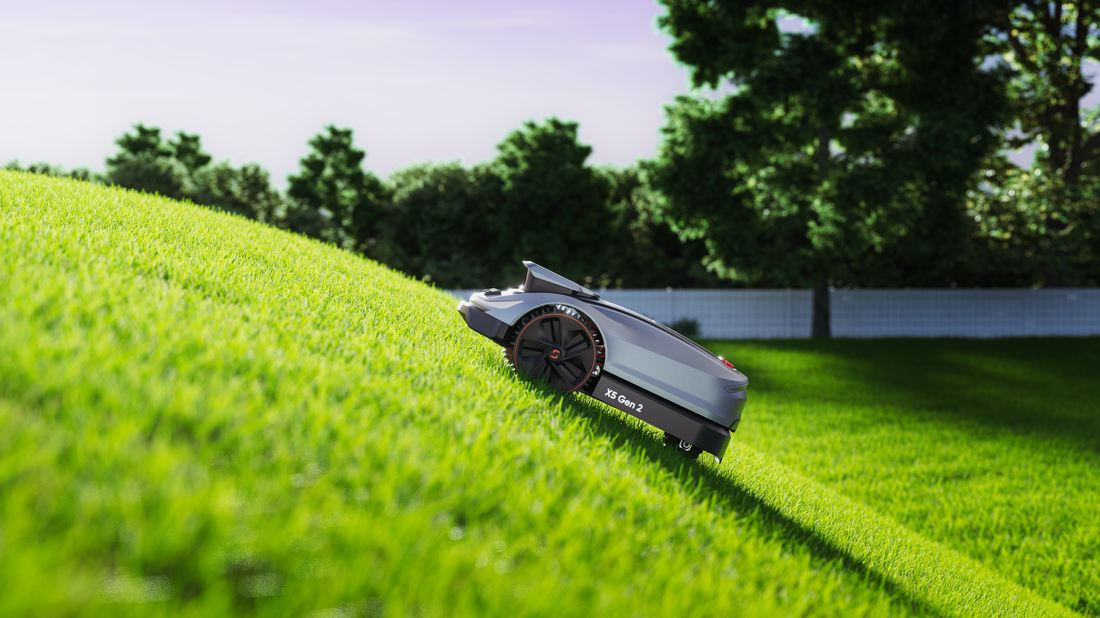
Mushrooms usually show up because your lawn is damp, shaded, and feeding fungi with decaying organic matter. They are often a sign of active soil, but they can also point to poor drainage, compacted ground, or hidden debris. Remove the caps, water in the morning, improve airflow, aerate when needed, and keep the grass on a steady care routine. For easier long-term upkeep, Sunseeker robot lawn mower solutions can help keep regular lawn maintenance more consistent.
Often, yes. Mushrooms are more likely when soil stays damp for several days. Rain, overwatering, poor drainage, shade, and compacted soil can all keep moisture near the surface. A few mushrooms after rain are normal, but repeated growth usually means the lawn needs better drying conditions.
Sudden mushrooms usually follow wet, mild weather. The fungus was likely already in the soil, feeding on roots, thatch, or buried wood. When moisture and temperature become right, it sends up mushrooms quickly. They may disappear as the surface dries, then return after another wet period.
Visible mushrooms may disappear on their own once the lawn dries, but the underground fungus can stay active. It may return after rain or watering if the same damp, shaded conditions remain. Long-term control depends on drainage, watering habits, airflow, thatch control, and removing hidden decaying material.