




FAQs
6/30/2026
Contents
Products
Residential Lawns





Explore
Where to Buy


For most homeowners, the choice comes down to convenience versus expertise. Big-box stores offer competitive pricing and wide availability. Specialty dealers provide hands-on advice and service networks. Brand websites are best for direct access to full product lines and manufacturer support. Knowing which channel suits your needs saves time and avoids post-purchase frustration.
Knowing where to buy lawn equipment is as important as knowing what to buy. The right retailer affects not just the price, but the availability of parts, warranty support, and the advice you get before spending several hundred dollars or more. This guide covers the main purchasing channels, how to evaluate them, and when to buy for the best price.

Each channel has its own strengths and trade-offs. Here's a quick overview to help you decide where to start.
Channel | Strengths | Trade-offs |
Brand websites | Full product lineup, direct warranty support, accurate specs | May lack local pickup or in-person demos |
Big-box stores | Competitive pricing, wide availability, easy returns | Limited staff expertise, popular models sell out fast |
Specialty dealers | Deep product knowledge, in-house service, commercial-grade stock | Higher prices, fewer locations |
Online marketplaces (Amazon, Walmart.com) | Wide selection, fast shipping, easy comparison | Warranty may not apply if seller isn't authorized |
Used equipment platforms (Facebook Marketplace, eBay) | Lowest prices, local pickup or shipping available | No warranty, condition varies, inspect before buying |
Farm supply stores | Heavy-duty and commercial options, brands not found elsewhere | Fewer mainstream residential choices |
Wholesale clubs | Occasional deep discounts | Very limited selection, unpredictable availability |
The right channel depends on what you're buying and what matters most to you. A few key factors point toward the best fit.
Budget. Big-box stores and online marketplaces offer the most competitive headline prices on mainstream residential equipment. If price is the primary driver, these channels are the natural starting point.
Warranty and after-sales service. For gas-powered mowers or higher-end electric equipment, buying through an authorized dealer or brand website simplifies warranty claims and service scheduling. Independent dealers also provide in-house servicing, which matters for equipment that requires regular maintenance.
Expertise and advice. Specialty dealers are worth the premium when you need informed guidance on the right product for your specific yard and use case. Staff at big-box stores may have limited product knowledge for more specialized equipment.
Product type. The type of equipment you're buying often points to the best channel:
Parts and accessories availability. Choosing a brand with strong parts availability through dealers, the brand website, or online marketplaces reduces the cost of ownership over time.
Timing a lawn equipment purchase well can save a meaningful amount, particularly on larger items; the seasonal windows below help narrow down the best time to buy a lawn mower and other higher-cost equipment.
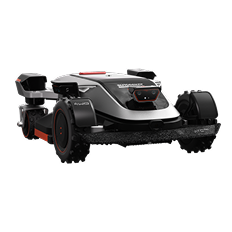
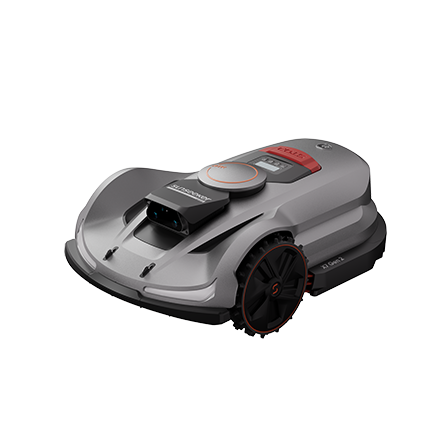
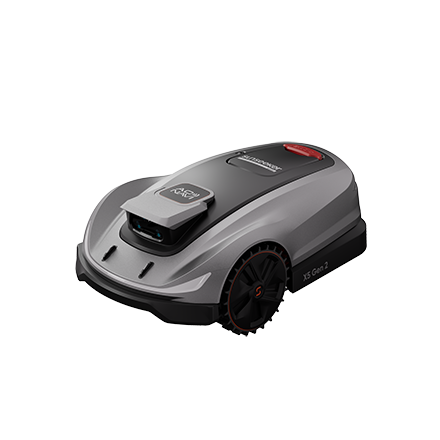
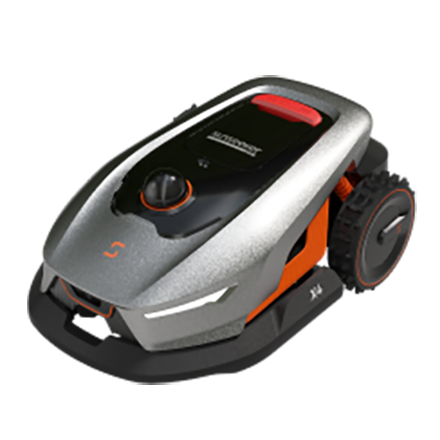
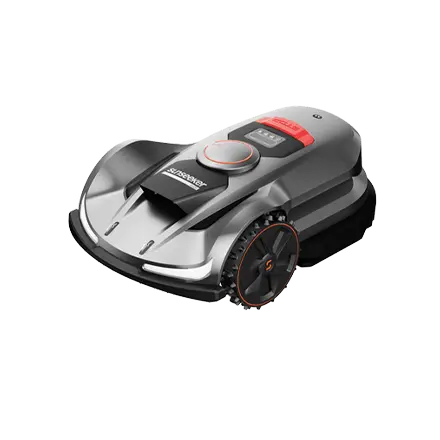
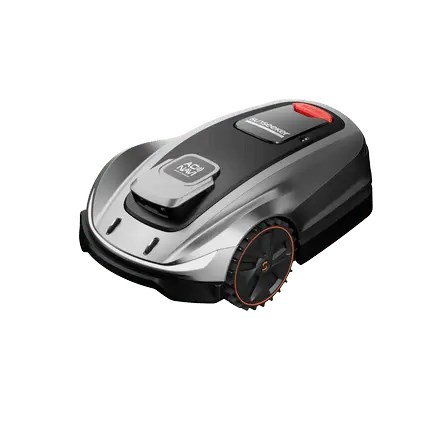
For larger properties, sale timing matters even more because the equipment cost is higher. If you are comparing premium robotic options, the Sunseeker Elite X9 is worth watching during late-season or holiday promotions. As part of the X9 Series, it is designed for large lawns and demanding terrain, with all-wheel drive, strong slope handling, and edge-to-edge mowing for estate lawns, parks, and other wide open areas.

Where to buy lawn equipment depends on what you're buying and what you need after the sale. Brand websites offer the most complete product access and direct support. Big-box stores win on convenience and price for mainstream equipment. Specialty dealers are worth the premium for gas-powered or commercial-grade equipment that requires ongoing service. For the best price on most equipment, late summer through fall is consistently the most reliable buying window regardless of channel.
Online marketplaces and classified platforms such as Facebook Marketplace and eBay are the most common sources for used lawn equipment. Local listings typically offer lower prices and allow inspection before purchase. Specialty dealers occasionally sell certified pre-owned equipment with limited warranties, which reduces the risk compared to private sales. When buying used gas-powered equipment, check the hours of use, service history, and condition of the blade, air filter, and spark plug before committing. If you're looking to where to sell lawn equipment or where to sell used lawn equipment, the same platforms apply. Local listings and online marketplaces reach the most buyers and allow flexible pricing.
Big-box home improvement stores and online retailers offer the most competitive pricing on mainstream residential mowers, particularly during end-of-season sales in late summer and fall. Brand websites sometimes offer direct promotions and bundle deals not available through third-party retailers. For used equipment, private sellers through online marketplaces typically offer the lowest prices, though without warranty protection.
August through October is the best window for most buyers. Retailers clear current-year inventory during this period, and discounts of 20–40% on seasonal equipment are common. Winter months offer continued discounts on remaining stock with narrower selection. Spring offers the widest selection but at full retail pricing due to peak seasonal demand.