





FAQs
6/30/2026
Contents
Products
Residential Lawns









Explore
Where to Buy


Cool-season grasses dethatch best in late summer to early fall. Warm-season grasses respond better to late spring dethatching. Doing it outside these windows, especially during heat, drought, or dormancy, puts unnecessary stress on grass that can't recover fast enough.
Thatch removal is most effective when timed to the grass's active growth period. Knowing when to thatch a lawn correctly prevents the common mistake of dethatching at the wrong time and leaving the lawn more vulnerable than before. This guide covers what thatch is, when to remove it, what conditions to check, and how to follow through afterward.

Thatch is the layer of living and dead organic matter (grass stems, roots, and debris) that accumulates between the soil surface and the green grass blades above. A thin thatch layer of up to 0.5 in is beneficial: it insulates soil from temperature swings, reduces moisture loss, and provides a cushioning layer.
Problems begin when thatch exceeds 0.5–0.75 in. At that thickness, it starts blocking water, nutrients, and oxygen from reaching roots. It also creates ideal conditions for pests and fungal disease to take hold. According to Dr. Kelly Kopp, extension turfgrass specialist at Utah State University, "Dethatching should only be undertaken if the thatch level is excessive, greater than half to one inch."
Grasses with vigorous horizontal growth like Bermuda, zoysia, and Kentucky bluegrass accumulate thatch faster than others. Heavy nitrogen fertilization also accelerates buildup, as it pushes rapid top growth that outpaces natural decomposition.
The most important rule: dethatch only when the grass is actively growing. Dethatching during dormancy, drought, or peak summer heat stresses grass that can't recover, leading to bare patches, disease pressure, and slow regrowth.
Grass Type | Common Examples | Best Window | Secondary Window | Avoid |
Cool-season | Kentucky bluegrass, tall fescue, perennial ryegrass | Late August–September | Mid-April (if actively growing) | Summer, winter |
Warm-season | Bermuda, zoysia, St. Augustine | May–June | None | Fall, winter |
Mixed lawns (e.g. Bermuda + perennial ryegrass): Dethatch in late spring to early summer. At this point Bermuda is actively growing while ryegrass begins to die back from the heat, so one dethatching session addresses both — clearing the dead ryegrass while the Bermuda recovers quickly.
Timing to the right season is the starting point. On-the-day conditions matter just as much.
Soil moisture. Soil should be slightly moist but not waterlogged. Dry, hard soil makes dethatching less effective and more physically demanding. Overly wet soil compacts easily and can damage roots during the process. If it has rained recently, wait two to three days for the soil to dry to a workable moisture level.
Air temperature. For cool-season grasses, dethatch when daytime temperatures are consistently between 60–75°F. For warm-season grasses, the ideal range is 80–95°F, which aligns with their peak growth period. Dethatching outside these ranges means the grass can't recover quickly enough to bounce back before the next stressor hits.
Recovery window. Allow at least three to four weeks between dethatching and the next expected stressful weather: first frost for cool-season grasses, or peak summer heat for warm-season grasses. This gives the lawn enough recovery time before facing environmental stress again.
New lawns. Wait a full growing season after installation before dethatching a new lawn. Roots need to establish fully before being subjected to the mechanical stress of a power dethatcher.
Once the timing and conditions are right, the steps below show how to dethatch a lawn with either a manual rake or a power dethatcher, from lowering the mowing height through debris removal and hazard checks.
1. Mow short before dethatching. Cut the lawn to about half its normal mowing height before starting. Lower grass makes it easier for the dethatcher to reach and remove the thatch layer without catching on long blades.
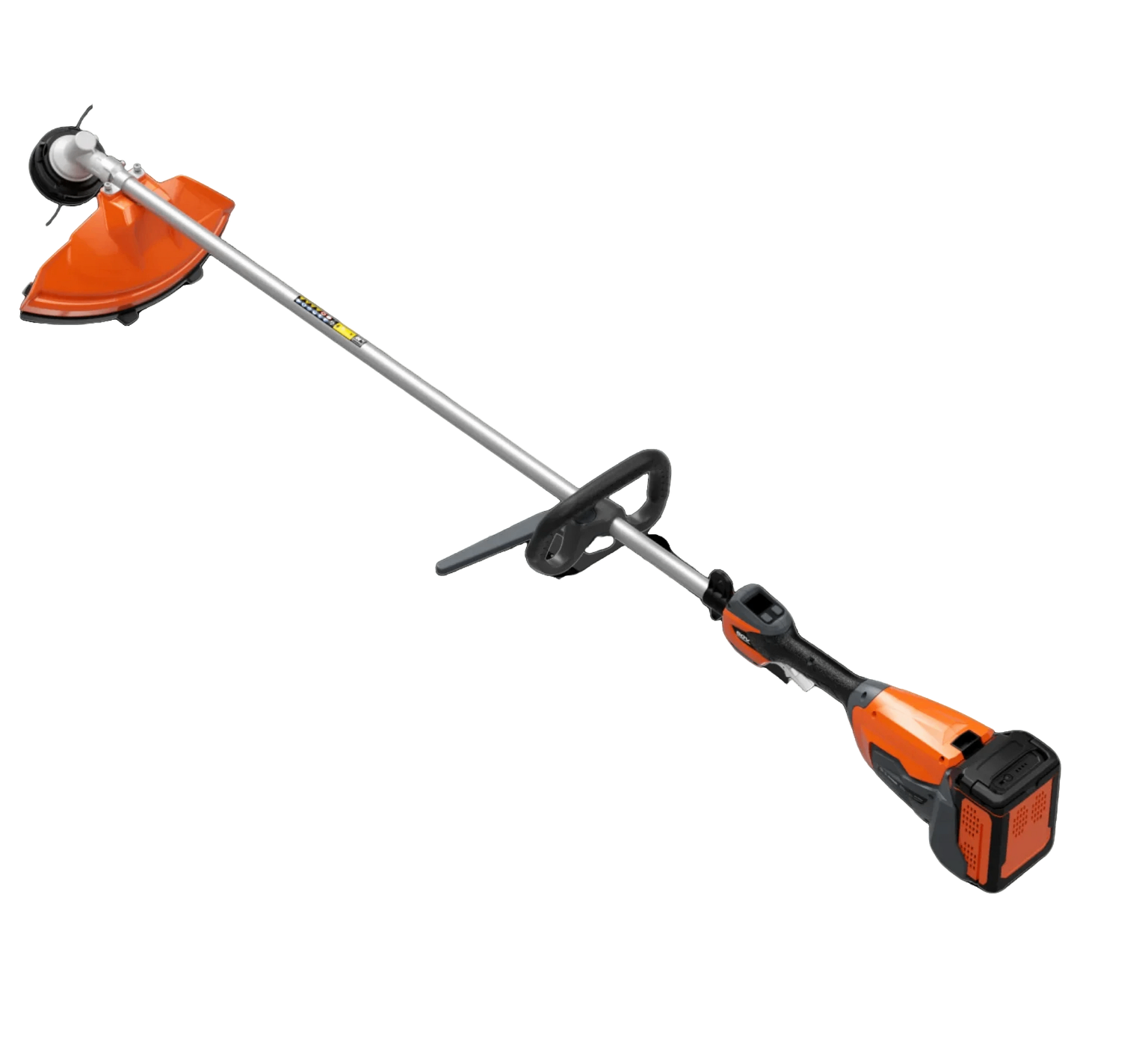
2. Choose the right tool.
3. Work in two directions. Make the first pass in one direction, then run a second pass perpendicular to the first. This cross-pattern removes more thatch more evenly than a single direction.
4. Rake and remove debris. Dethatching pulls up a significant volume of organic material. Rake it up and remove it from the lawn rather than leaving it to sit, as decomposing piles can suffocate the grass underneath.
5. Avoid marking hazards. Before using a power dethatcher, mark any shallow irrigation lines, sprinkler heads, or buried utility lines to avoid damaging them.
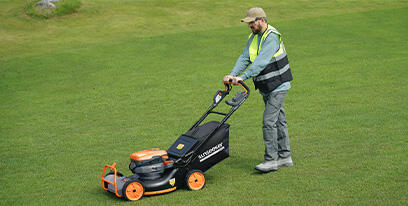
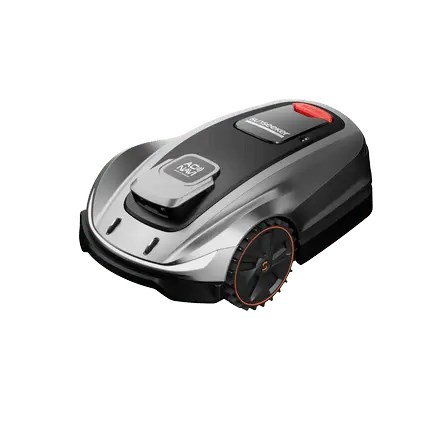
Keeping the lawn consistently mowed at the right height is one of the most reliable ways to slow thatch accumulation between dethatching sessions. Frequent light cuts produce finer clippings that decompose faster and contribute less to buildup. A robot lawn mower maintains this schedule automatically without requiring manual effort to stay consistent throughout the growing season. Find the right robot mower for your yard and let it handle the consistency your lawn needs.
Because dethatching a lawn physically disturbs the turf surface, the lawn will look rough immediately afterward; this is normal, and the follow-up steps below are aimed at helping it recover.
Water thoroughly within 24 hours. Deep watering after dethatching helps the disturbed root zone settle and begins the recovery process. Aim for enough water to penetrate 4–6 in into the soil.
Fertilize to support regrowth. A balanced fertilizer applied within a few days of dethatching gives the lawn nutrients to push new growth through the disrupted surface. For cool-season grasses dethatched in fall, a slow-release nitrogen formula works well. For warm-season grasses, a standard summer fertilizer is appropriate. If you dethatched in spring, consider applying a pre-emergent herbicide afterward — the disturbed, clean soil is an open invitation for weeds to germinate.
Overseed bare patches. Dethatching creates ideal conditions for overseeding. The disturbed soil surface gives seed direct contact with soil, which improves germination rates significantly. Overseed within a few days of dethatching while conditions are favorable.
Aerate if compaction is also an issue. Dethatching addresses the organic layer above the soil; aeration addresses compaction below it. Combining both in the same season produces better overall results than either alone.
Ease back into mowing. In the first two to three weeks after dethatching, reduce mowing frequency and keep the blade height at the upper end of the recommended range for your grass type. This gives the disturbed turf time to stabilize without additional stress. Once visible recovery is underway, gradually return to your normal mowing schedule and height.
After dethatching, consistent mowing helps the lawn recover evenly and prevents thatch from building up again too quickly. For larger properties where regular mowing can easily fall behind, the Sunseeker Elite X9 offers a more hands-off way to keep grass at a steady height. As part of the X9 Series, it is built for wide lawns and demanding terrain, with reliable navigation, strong traction, and edge-to-edge mowing that help maintain a cleaner, more even finish after the lawn has recovered.

When to thatch lawn correctly means timing to the grass's active growth window and favorable weather conditions. Cool-season grasses respond best to late summer and early fall dethatching; warm-season grasses to late spring. Still unsure when should you thatch a lawn? The simplest rule: check your thatch thickness first, confirm your grass is actively growing, then match the timing to the table above. Follow up with watering, fertilizing, and overseeding, and the lawn recovers quickly and comes back thicker.
The most reliable check is to cut a small cross-section plug from the lawn and measure the layer of brownish, spongy material between the soil and the green grass blades. If it exceeds 0.5–0.75 in, dethatching is likely needed. Other signs include a spongy feel underfoot, water pooling on the surface after irrigation, thin or patchy grass despite adequate watering and fertilizing, and visible browning at the base of grass blades.
When should you thatch your lawn in terms of frequency? Most lawns need dethatching every two to three years, though grasses with vigorous horizontal growth (Bermuda, zoysia, Kentucky bluegrass) may need annual attention. When should I thatch my lawn more frequently? If thatch reaches 0.75 in or more within a single season, increase frequency. Regular aeration, appropriate nitrogen fertilization, and consistent mowing reduce buildup and can extend the interval between dethatching sessions.
Yes, if done at the wrong time or incorrectly. Dethatching during dormancy, heat stress, or drought can leave the lawn unable to recover, resulting in bare patches and increased susceptibility to pests and disease. When do you thatch a lawn to minimize risk? During active growth, with adequate soil moisture, and with enough recovery time before the next stressful weather event. Using the right tool depth, no more than 0.5 in into the soil, also prevents unnecessary root damage.