






FAQs
7/17/2026
Contents
Products
Residential Lawns






Explore
Where to Buy


Soil temperature and visible stress signals are the most reliable guides for starting lawn irrigation in spring. For most cool-season grasses, 50–60°F soil temperature is the trigger. Warm-season grasses need soil at 65°F or above. Understanding these cues prevents both overwatering and drought stress.
Getting the timing right for watering lawn saves water, builds stronger roots, and prevents the stress cycles that make lawns patchy and thin. This guide covers how to read your lawn's signals, when to start watering lawn in spring, the best time of day to water, how much to apply, and how to adjust through the season.
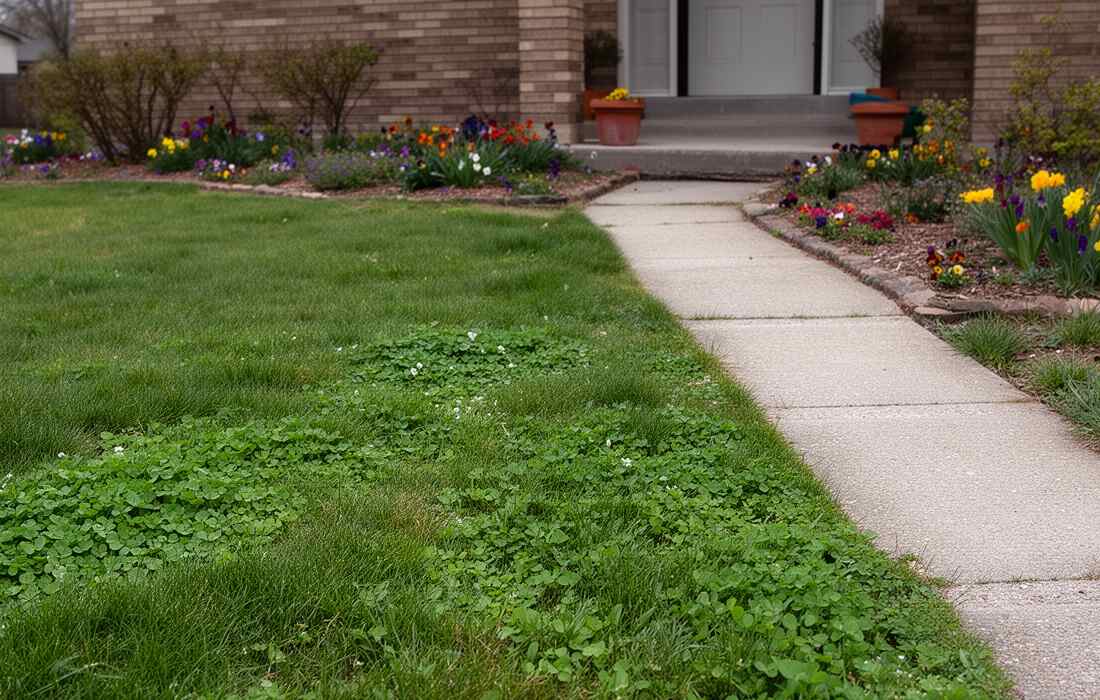
The grass itself gives the clearest signals before visible drought damage sets in.
Color change. Healthy grass is bright green. Moisture stress turns it dull and blue-grey, well before it goes brown.
Footprints that don't spring back. On a well-hydrated lawn, compressed grass bounces back within seconds. Footprints that linger for several minutes indicate dry soil.
Wilting or folded blades. Grass blades that curl inward are conserving moisture. If they're still folded in the early morning, the lawn needs water.
The screwdriver test. Push a flat-head screwdriver 6 in into the soil. Easy entry and a moist tip means adequate moisture. Resistance or a dry tip means it's time to water.
Spring watering timing depends on soil temperature and grass type, not the calendar date.
Cool-season grasses (Kentucky bluegrass, tall fescue, perennial ryegrass) begin active growth when soil temperatures reach 50–60 °F. Start irrigation when natural rainfall is no longer keeping up with the lawn's needs. In early spring, soil often retains winter moisture. Check conditions before turning on the system.
Warm-season grasses (Bermuda, zoysia, St. Augustine, centipede) need soil consistently at 65 °F before starting regular irrigation. Watering before full dormancy break limits root development.
Signs it's too early: The ground is cold, grass isn't actively growing, and rainfall is frequent enough to meet needs. For established lawns, natural rainfall often handles the task until late spring. Use the screwdriver test to confirm before irrigating.
In practical terms, when should I start watering my lawn? Wait until active growth is visible and at least one stress signal appears. New seedings and newly laid sod need consistent moisture from day one regardless of rainfall.
Early morning (4–8 AM) is consistently the best window. Water pressure is highest, wind is minimal, and evaporation loss is negligible. Grass blades dry out during the day, reducing fungal risk.
Midday is inefficient: heat and sun cause significant evaporation before water reaches the root zone. Evening is risky: moisture sitting on blades overnight creates conditions for fungal disease.
Water deeply, not frequently. Deep, infrequent watering encourages roots to grow downward. Light, frequent watering keeps roots shallow and turf dependent on constant irrigation.
Target 1 in per week. Place a container in the irrigation zone during a session. When it reaches 1 in, you've hit the weekly target. In heat above 85 °F, increase to 1.5 in.
Water to 6 in depth. Use the screwdriver test after watering. If it doesn't reach 6 in moist soil, extend the session.
Let soil dry between sessions. The surface should feel dry before the next cycle. On clay soils, split sessions into two shorter cycles with a soak break to prevent runoff.
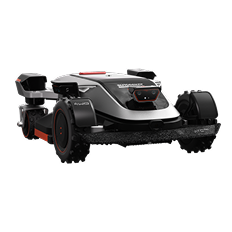
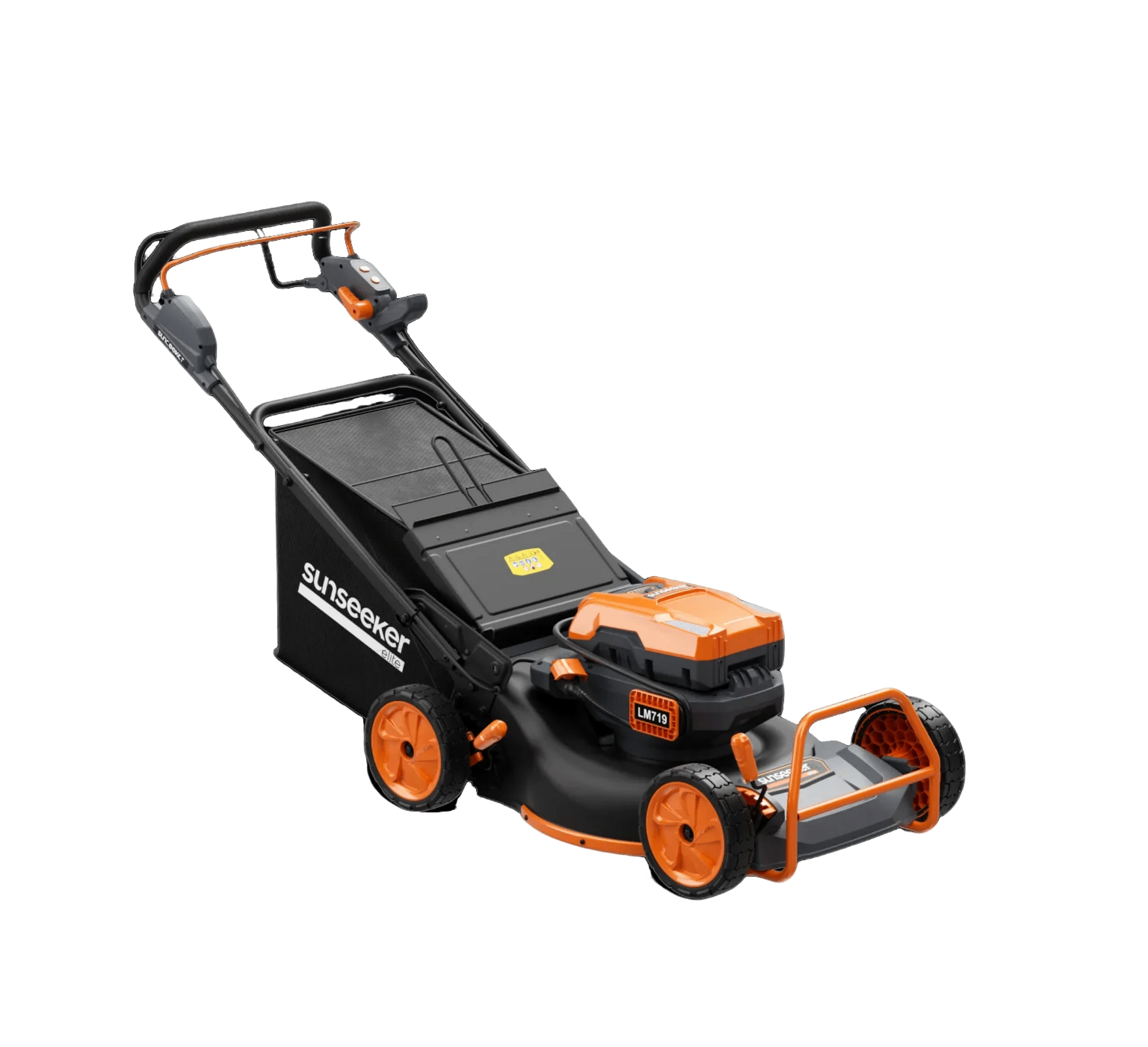
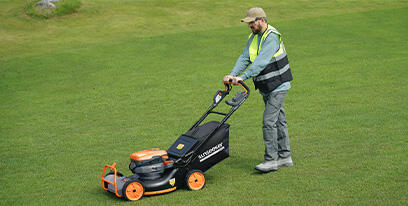
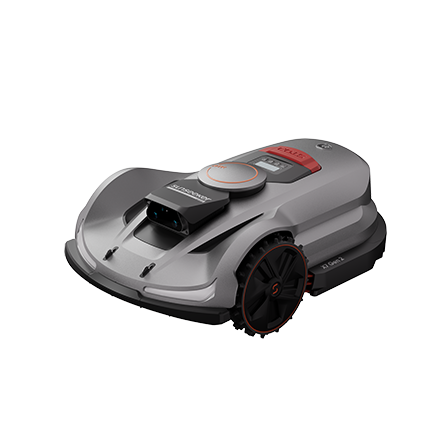
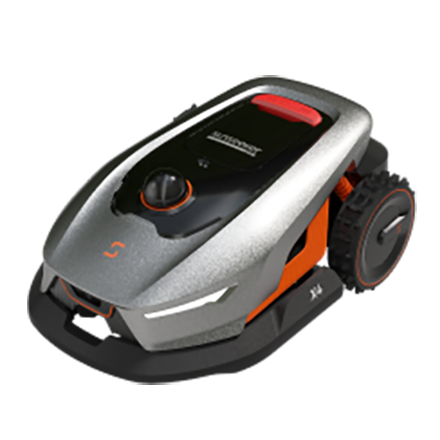
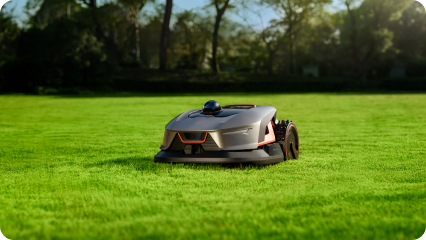
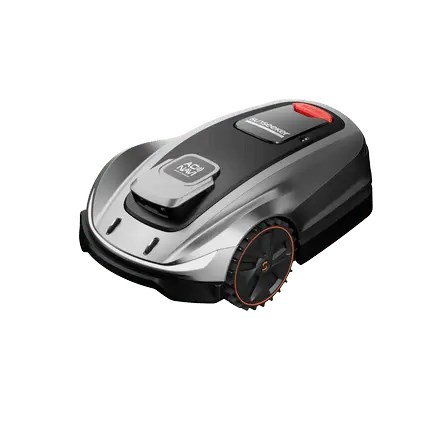
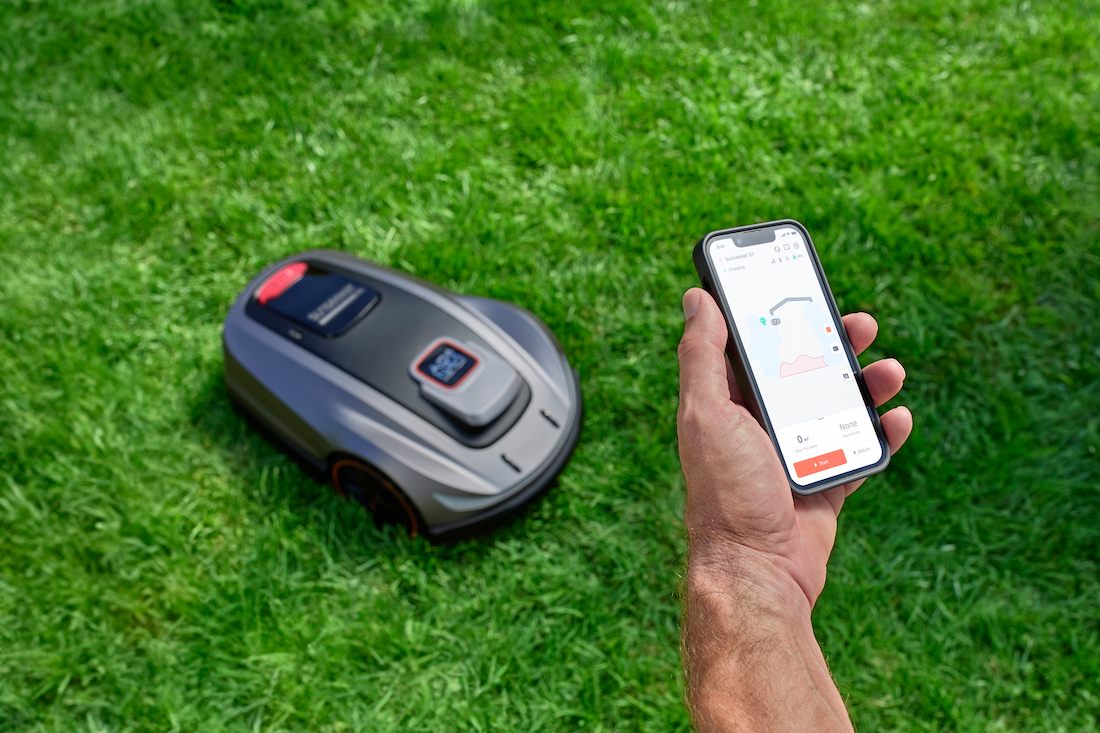
A good watering routine works best when mowing is timed around it. Cutting saturated turf can leave ruts and clumps, while different zones may dry at different rates. The Sunseeker Elite X5 lets you schedule separate cuts for individual lawn zones, so mowing can follow each area’s irrigation cycle. Its rain detection also pauses operation in wet conditions, helping protect the soil and avoid disturbing freshly watered grass.
The watering target is the same across all lawn types: wet the soil to 6 in depth each session. What varies is how often you need to do it, depending on soil type, grass type, and weather conditions.
By soil type. Soil texture affects how quickly water drains and how long moisture stays near the roots. Adjusting the watering schedule to your soil type helps prevent both drought stress and surface runoff.
By weather. Skip irrigation when rainfall keeps soil moist to depth. Increase frequency in heat above 85 °F. Reduce in cool or cloudy periods.
Spring. Start with low frequency and check soil moisture before each session. Spring rainfall is often sufficient for established lawns until late May or June. New seedings need consistent moisture regardless of rainfall.
Summer. Peak demand. Cool-season grasses may need 1.5 in per week. If dormancy occurs, maintain minimal irrigation to keep crowns alive or allow full dormancy. Avoid cycling in and out.
Fall. Reduce frequency as temperatures cool. Continue light irrigation until the ground freezes.
Winter. No irrigation needed in most climates once the ground freezes. In mild climates, light irrigation during dry spells prevents crown desiccation.
The right time to start watering is when the lawn signals it needs water. When should you start watering your lawn depends on soil temperature, grass type, and ground moisture. For cool-season grasses, 50–60°F is the trigger. For warm-season, 65°F. Water deeply and infrequently in the early morning, adjust for rainfall and soil type, and let the stress signals guide you.
Consistent mowing also helps the lawn develop denser, more even growth, allowing it to retain moisture and cope better with dry periods. A robot lawn mower can maintain that regular cutting routine with less daily effort. In the end, the healthiest watering schedule is not the most frequent one, but the one that responds to the lawn’s actual condition.
Watering before soil temperatures reach 50 °F is too early. Roots aren't actively growing and can't absorb water. Early irrigation encourages shallow roots and weed germination without benefiting the turf.
There's no fixed month. It depends on grass type and local climate. Use soil temperature (50–60°F for cool-season, 65°F for warm-season) and the screwdriver test rather than a calendar date.
It depends on your sprinkler's output rate. Place a container in the irrigation zone and measure how much collects in 30 minutes. If it's around 0.5 in, two sessions per week hits the weekly target. Confirm depth with the screwdriver test.