




FAQs
6/30/2026
Contents
Products
Residential Lawns




Explore
Where to Buy


Season, time of day, and weather conditions all determine whether weed killer works or gets wasted. Nail the timing and the product does its job. Miss it and you're spraying for nothing.
Good weed control starts before you pick up the sprayer. The right timing depends on the type of weed killer, the season, the weather, and the condition of your lawn. Spray too early, too late, or on the wrong day, and the product may work poorly or even stress healthy grass.
So, when is the best time to spray weed killer? This guide explains how to time pre-emergent and post-emergent treatments, what weather conditions to check before spraying, and which common mistakes to avoid for safer, more effective lawn weed control.

The two main categories of herbicide work differently, and that difference drives their timing requirements.
Pre-emergents prevent weed seeds from germinating. They don't kill existing weeds. They create a chemical barrier in the soil that stops new seedlings before they emerge. Timing is critical: apply too late and the seeds have already germinated, making the product useless. The target window is when soil temperatures reach 50–55°F but before they exceed 60°F, the range where crabgrass and most annual weeds begin germinating.
In most US regions, this means early spring application, typically March through early April in northern states and late February through March in warmer southern regions. A soil thermometer at 2–3 in depth is more reliable than calendar dates.
Post-emergents target weeds that are already visible and actively growing. Most work systemically. The product is absorbed through leaf tissue and carried down to the roots, which is what kills the plant rather than just its top growth. For this to happen, weeds must be actively growing and photosynthesizing.
Selective post-emergents target broadleaf weeds without harming grass. These are the most common type for lawn use. Non-selective post-emergents (like glyphosate) kill any plant they contact and should only be used in areas where you want all vegetation removed.
Post-emergent timing depends on weed activity, temperature, and moisture conditions, all covered below.
Each season presents different opportunities and risks. Here's how to match your herbicide type to the right time of year.
Spring / Pre-emergent: Apply when soil temperatures reach 50–55°F, before annual weeds like crabgrass germinate. When to spray weed killer on lawn for post-emergent spring treatment: target broadleaf weeds as they emerge, but avoid spraying warm-season grasses like Bermuda, St. Augustine, centipede, and zoysia during spring green-up in March and April, as herbicide applied during this vulnerable transition period can cause significant turf damage.
Summer / Spot treatment only: High heat above 85°F stresses both weeds and grass, reducing absorption and increasing turf damage risk. If summer treatment is necessary, limit to spot applications in early morning when temperatures are lower.
Fall / Post-emergent: The strongest window for perennial weeds like dandelions, clover, and bindweed. As temperatures cool, these plants move carbohydrates from their leaves down into their roots, carrying systemic herbicides with them, making fall applications significantly more effective at killing roots.
Winter / Avoid: Herbicides applied to dormant or frost-damaged plants provide no effective weed control and are more likely to run off into waterways.
Season | Best Herbicide Type | Key Condition |
Spring | Pre-emergent | Soil temp 50–55°F before weed germination |
Spring | Post-emergent | Weeds actively growing; avoid warm-season grass green-up |
Summer | Spot treatment only | Apply early morning; avoid above 85°F |
Fall | Post-emergent | Perennial weeds still actively growing before first frost |
Winter | None | Skip entirely; dormant weeds don't absorb herbicide |
Time of day affects temperature, wind, dew, and plant activity, all of which influence how well the product absorbs.
Early morning (7–10 AM) is consistently the most effective window. Morning dew has dried, temperatures are moderate, wind is typically calm, and weeds are actively photosynthesizing, all of which maximize herbicide absorption.
Avoid midday in summer. Heat above 85°F causes rapid evaporation, increases volatility risk, and stresses plants in ways that reduce absorption. For systemic herbicides like glyphosate, applying after plants have recovered from overnight stress, rather than at peak heat, improves translocation to the roots.
Avoid late evening. Overnight dew may form and dilute the product before it's fully absorbed.
Avoid windy conditions. Wind above 10 mph increases spray drift risk, carrying herbicide onto desirable plants, neighboring gardens, or waterways. Apply on calm days or in the early morning before wind typically picks up.
Even with the right product and season, on-the-day conditions determine whether the application works. When to use weed killer on lawn effectively means checking these four factors before you start.
Temperature. According to SDSU Extension, when air temperatures fall below 60°F, weed metabolic activity slows and herbicide uptake drops significantly. Above 85°F, grass stress increases and some herbicides can cause turf damage even at labeled rates. The ideal range is 60–85°F.
Rain forecast. Most herbicides require a rainfast period to absorb properly. Check the product label for the specific requirement, but as a general rule, avoid applying if rain is forecast within 24 hours. Rainfall within the rainfast window washes product off weed foliage before it's absorbed.
Drought stress. Weeds under drought stress close their stomata to conserve water, which also blocks herbicide absorption. Irrigate the lawn one to two days before applying to ensure weeds are actively growing. Avoid spraying during dry spells when the lawn is visibly wilted.
Wind speed. Keep applications to below 10 mph. This is especially important for volatile herbicides like dicamba and 2,4-D, which can drift and damage non-target plants even at moderate wind speeds.
Even correctly chosen products fail when applied the wrong way. These are the most common errors that undermine results.
Spraying in the wrong season. Pre-emergents applied after weeds have already germinated provide no control. Post-emergents applied to dormant weeds in winter or stressed weeds in peak summer heat are largely ineffective.
Ignoring the rainfast window. Rain before the product has absorbed is one of the most common reasons weed killer fails. Even light rain can wash product off foliage before it's had time to penetrate.
Over-applying for faster results. More product doesn't mean faster or better weed control. Exceeding labeled rates increases the risk of lawn damage and soil buildup without improving effectiveness.
Spraying during stress conditions. Applying herbicide when the lawn is already heat-stressed, drought-stressed, or recovering from disease creates compounding stress that slows recovery and can cause lasting damage.
Relying on weed killer alone. Herbicide treats existing weeds but doesn't prevent new ones. A thick, healthy lawn is the most effective long-term barrier. Dense turf doesn't give weed seeds the light and space they need to establish.
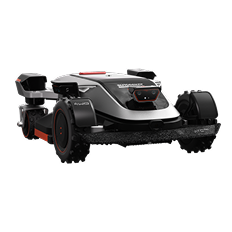
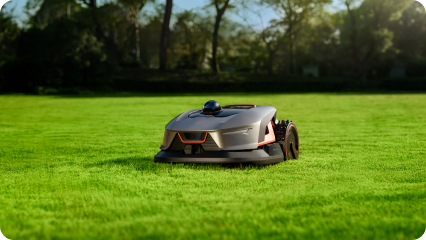
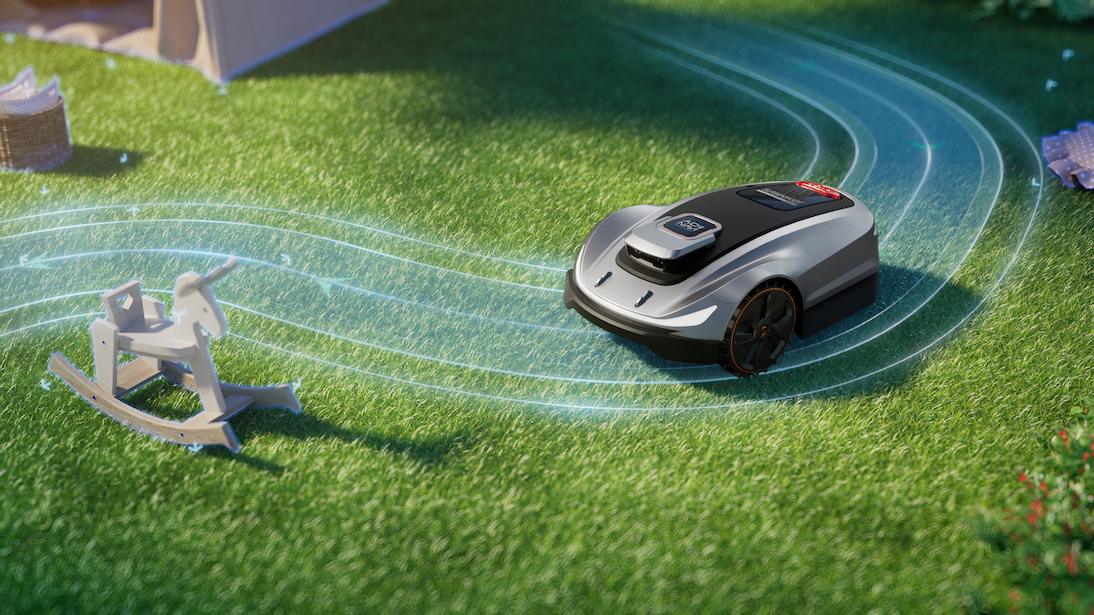
A dense, healthy lawn naturally crowds out weeds before they establish, reducing how often spraying is needed. A robot lawn mower maintains the consistent mowing frequency that builds that density automatically.
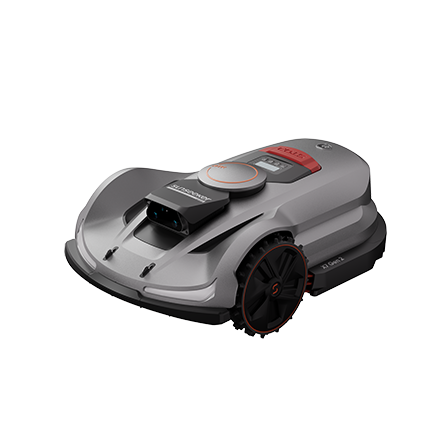
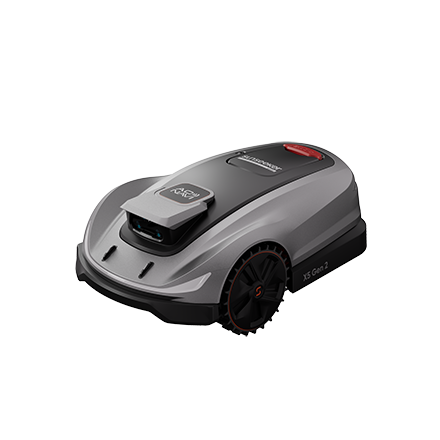
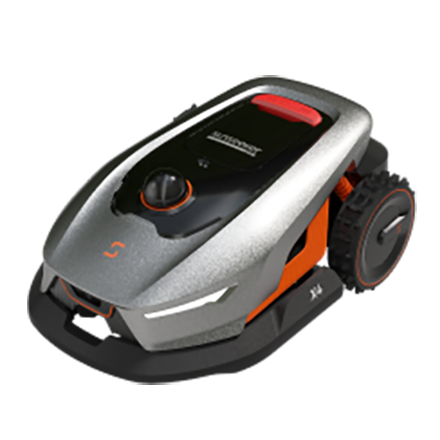
The Sunseeker Elite X5 builds that density through regular, automatic mowing. Covering up to 0.5 acres wire-free with AONavi™ navigation and Vision AI obstacle detection, it maintains optimal grass height on a set schedule without any manual effort. The X5 doesn't need you to babysit it. Check it out.
Effective weed control starts with the best weed killer for lawns for the target weed and turf type, then depends on applying it at the right time. When to apply weed killer to lawn pre-emergents is early spring before soil temperatures exceed 55°F. When to put weed killer on lawn for post-emergents means targeting actively growing weeds in the 60–85°F range, in calm conditions, with no rain forecast. Fall is the strongest window for perennial weeds. Never spray during dormancy, drought stress, or extreme heat.
Yes, but timing matters. Mow one to two days before spraying, not immediately before. This allows weed leaves to regrow slightly, exposing more actively growing leaf surface for the herbicide to contact. After spraying, wait two to three days before mowing again so the herbicide has time to fully absorb and translocate to the roots.
Neither extreme is ideal. Waterlogged soil increases runoff risk and can carry herbicide into waterways. Dry, drought-stressed soil causes weeds to close their stomata, blocking absorption. The best condition is slightly moist soil, achieved by irrigating one to two days before application. When to apply weed killer on lawn is never during or immediately after heavy rain.
Most herbicides work best between 60°F and 85°F. When to spray weed killer on lawn in terms of temperature: avoid below 50°F where uptake drops sharply, and above 85°F where weed absorption slows and turf damage risk increases. Early morning during a mild spell in spring or fall is consistently the most reliable window.