






FAQs
6/30/2026
Contents
Products
Residential Lawns









Explore
Where to Buy


Getting the timing right with pre-emergent is the difference between a weed-free summer and spending months trying to catch up. The window is narrower than most homeowners expect, and soil temperature is the only reliable guide.
Soil temperature tells you when when to apply pre emergent more accurately than any calendar date. The product creates a chemical barrier that stops weed seeds from germinating, but that barrier only lasts 8–12 weeks before breaking down. Get the timing wrong in either direction and the window closes without any protection. This guide covers how pre-emergent works, when to apply it in spring and fall, what weeds it targets, and when it won't help.

Pre-emergent herbicide is a weed preventer, not a weed killer. It works by forming a chemical barrier in the top layer of soil that disrupts cell division in germinating weed seedlings, preventing them from developing roots and shoots. The key distinction is that it has no effect on seeds that haven't yet germinated, and no effect on weeds that have already emerged. Its only window of effectiveness is between when a seed starts to germinate and when the seedling breaks through the soil surface.
Most pre-emergents are available in two forms:
Granular: Spread with a broadcast or drop spreader, then watered in to activate the barrier. The most common form for residential use. Convenient but requires even application to avoid gaps in coverage.
Liquid: Mixed and sprayed as a solution. More uniform coverage across the soil surface. Requires a sprayer and basic calibration, but provides better distribution than granular in complex or irregular lawn areas.
Both work through the same mechanism, the difference is application method and how evenly the barrier forms.
Timing pre-emergent correctly means applying it before the target weeds germinate, but not so early that the barrier degrades before peak germination season arrives.
Spring is the primary window for cool-season and warm-season lawns alike. The goal is to get the barrier in place before summer annual weeds like crabgrass, foxtail, and goosegrass germinate. According to University of Missouri Extension, the product is most effective when mean soil temperature at 1-inch depth reaches 50–55°F for five consecutive days. Apply before soil hits 60°F. Once past that point, the spring window has closed for the earliest germinating species. If you don't have a soil thermometer, forsythia bush bloom is a useful visual indicator that often aligns with the optimal application window in many regions.
Fall targets winter annual weeds including annual bluegrass (Poa annua), chickweed, and henbit, which germinate in fall and proliferate in early spring. Apply when soil temperatures drop to around 70°F, typically August through October depending on region.
Season | Target Weeds | Soil Temp | Typical Window |
Spring | Crabgrass, foxtail, goosegrass | 50–55°F | Jan–May depending on region |
Fall | Annual bluegrass, chickweed, henbit | Dropping to 70°F | August–October |
A second application 6–8 weeks after the first extends the protection window into late summer and catches late-germinating species like goosegrass, which has an unpredictable germination period that often outlasts a single application. Many homeowners who skip the second application are frustrated by the surge of weeds that appear in late summer once the first barrier degrades.
Pre-emergent herbicides are most effective on annual weeds that reproduce exclusively by seed. They are generally less effective on perennial weeds that spread by roots, stolons, or rhizomes.
Grassy weeds pre-emergents control well:
Broadleaf weeds pre-emergents help with:
Weeds pre-emergents don't control:
For perennial weeds already present in the lawn, post-emergent herbicide or manual removal is needed alongside pre-emergent treatment.
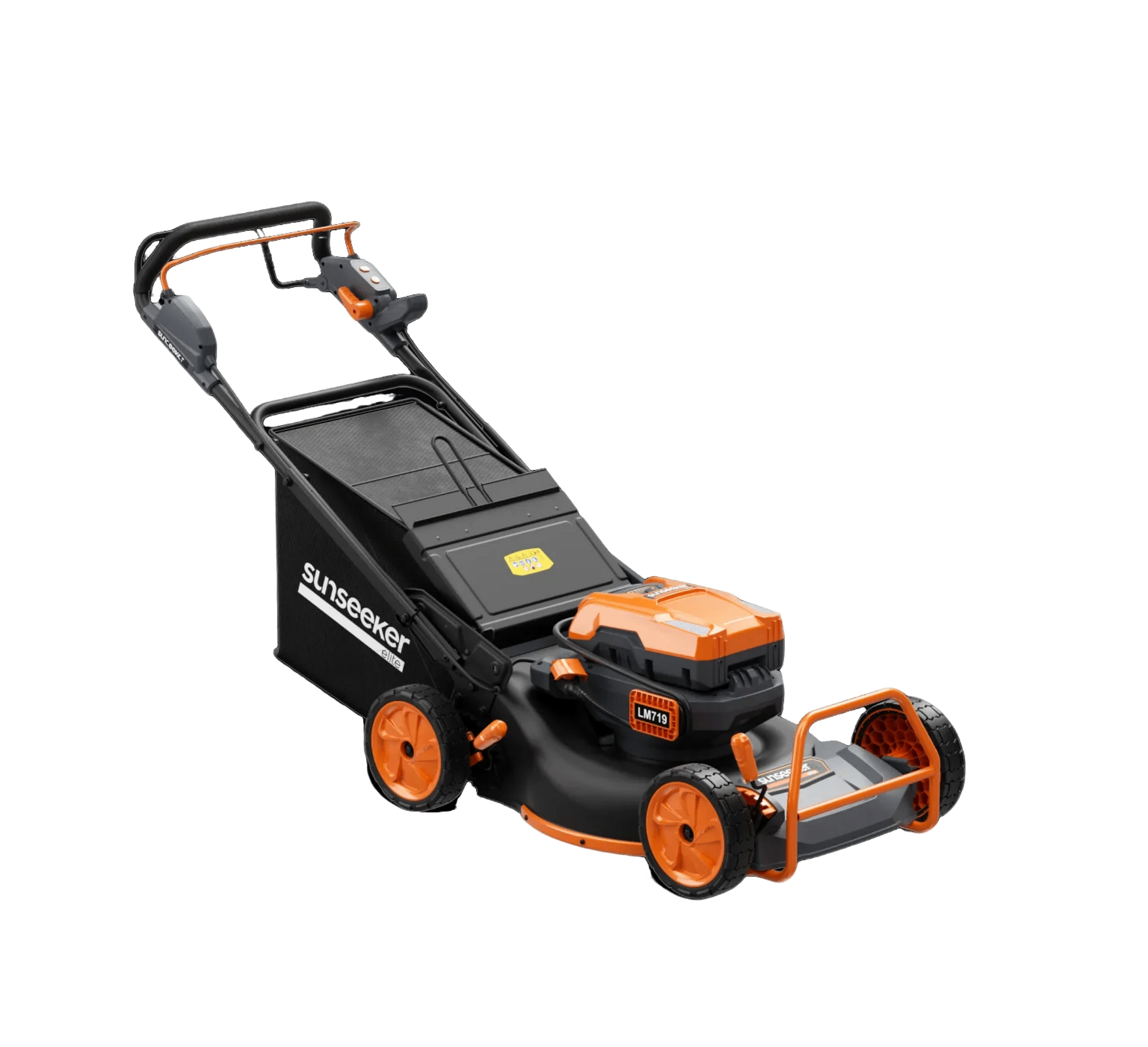
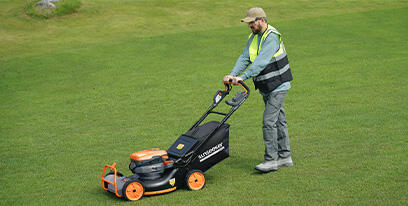
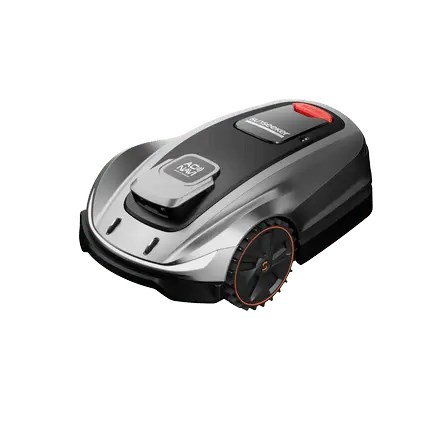
A dense lawn is one of the most effective long-term tools for reducing weed pressure. Thick turf crowds out germinating weed seeds by blocking the light and space they need to establish. A robot lawn mower maintains the consistent mowing frequency that builds and preserves that density through the growing season. Your lawn on autopilot. Find the right model and make it happen.
Understanding the limitations of pre-emergent helps set realistic expectations and prevents wasted effort.
After weeds have already germinated. Once a weed seedling has broken through the soil surface, pre-emergent has no effect. If crabgrass is already visible, switch to a post-emergent herbicide labeled for that species.
When applied to a lawn being overseeded. Pre-emergent doesn't distinguish between weed seeds and grass seeds, it will also prevent new grass from germinating. If you plan to overseed, skip pre-emergent that season or use a product specifically labeled safe for new seedings (such as siduron/Tupersan).
After aerating the soil. Core aeration punches holes through the chemical barrier, creating gaps where weed seeds can germinate unimpeded. If aeration and pre-emergent are both on the plan, aerate first, then apply pre-emergent afterward to seal the surface.
During drought without irrigation. Pre-emergent needs to be watered in after application, either by irrigation or rainfall within 24–48 hours, to move the active ingredient into the soil where it forms the barrier. Without adequate moisture, the product sits on the surface and breaks down before activating.
On perennial or already-established weeds. As noted above, pre-emergent only works on germinating seeds. Nutsedge, dandelions, bindweed, and other established perennials require different treatment.
The most effective weed prevention strategy combines pre-emergent with dense, healthy turf maintained through regular mowing. Research at the University of Nebraska–Lincoln Turfgrass Research Facility showed that raising mowing height from 1.5 to 2.5 inches reduced crabgrass infestation from 80% to under 15%. Consistent mowing at the right height, maintained automatically, is one of the most cost-effective complements to any pre-emergent program.
The Sunseeker Elite X9 covers up to 6 acres with EdgeZero™ edge-to-edge cutting and ATC Pro handling slopes up to 90% (42°), maintaining the dense turf that makes pre-emergent work harder.

Pre-emergent works best when soil temperatures are consistently around 50–55°F in spring, before they rise toward 60°F. That is the key point for when to put pre emergent on lawn: apply it before crabgrass and other summer annual weeds begin germinating. For winter annual weeds, apply in fall as soil temperatures drop to about 70°F. In both seasons, soil temperature matters more than a fixed calendar date, and a second application 6–8 weeks later can help extend protection through the season.
There's no fixed month, soil temperature is the guide. In the deep south, spring applications can begin as early as late January or February. In northern states like Minnesota or Wisconsin, the window typically opens in mid-April to early May. When to use pre emergent on lawn is when soil temperatures at 1–2 in depth consistently reach 50–55°F for several consecutive days, regardless of what month that falls in.
It's not recommended. Pre-emergent herbicides have a residual life of 8–12 weeks. Applying when soil temperatures are still at 40°F in January or February means the barrier may fully degrade before summer weeds germinate in April or May, leaving the lawn unprotected during peak season. Wait until soil temperatures are trending toward 50–55°F before applying.
Apply before light rain if possible, rain within 24–48 hours after application helps water the product into the soil, which activates the barrier. Avoid applying immediately before heavy rain, which can wash product off the surface before it penetrates. When should I put pre emergent on my lawn relative to rain? Aim for a window with no heavy rain for at least 24 hours after application, with light rain or planned irrigation within 48 hours to water it in.