






FAQs
7/17/2026
Contents
Products
Residential Lawns









Explore
Where to Buy


Preventive grub treatments go down in June or July, before eggs hatch. Curative treatments are for late summer when young grubs are actively feeding. Both require watering in immediately after application. Knowing which type you have and when to use it saves money and prevents a season of lawn damage.
The most common reason grub treatments fail isn't the product: it's timing. Knowing when to put grub killer on lawn correctly means understanding the beetle life cycle and matching the product type to the right window. This guide covers everything from identifying grub damage to choosing between preventive and curative treatments.

Lawn grubs are the larval stage of beetles, most commonly Japanese beetles, European chafers, and masked chafers. They live in the top few inches of soil and feed on grass roots, severing the connection between the turf and its water and nutrient supply.
The damage follows a predictable cycle. Adult beetles emerge and lay eggs in the turf from late June through July. Eggs hatch into tiny larvae in late July or early August. These young grubs feed aggressively on roots through late summer and fall, causing the most damage from August through October. As temperatures drop, grubs move deeper into the soil for winter, then return near the surface in spring before pupating in late May or June to become adults again.
According to Michigan State University Extension, healthy well-rooted turf can tolerate around five grubs per square foot without visible damage. Above 8–10 grubs per square foot, significant damage becomes likely even on healthy lawns.
Grub damage is easy to misdiagnose because it looks like drought stress, dry, brown, and patchy. The difference is that drought-stressed grass doesn't lift off the ground.
Signs of grub activity:
Confirm before treating. Cut a 1 sq ft section of turf and fold it back. Count the grubs in the top 2–3 in of soil. If you find fewer than five grubs per square foot, treatment may not be necessary on a healthy lawn. Over 8–10 per square foot, treatment is warranted.
Timing depends on whether you're using a preventive or curative product, and those two types work at completely different points in the season.
Preventive treatments (active ingredients: imidacloprid, chlorantraniliprole, thiamethoxam, clothianidin) are applied before grubs hatch and sit in the soil waiting for young larvae to feed on them. According to Michigan State University Extension, products containing imidacloprid, thiamethoxam, or clothianidin should be applied in June or July for optimal effectiveness. Chlorantraniliprole-based products (such as GrubEx) are less water-soluble and need more time to move through soil, apply these between late April and mid-June so they're established by the time eggs hatch in July.
Curative treatments (active ingredients: trichlorfon, carbaryl) kill grubs already present in the soil. These work best in late August through September when grubs are small and still near the surface. Do not apply after early October. Grubs move too deep. Do not apply in spring after mid-May. Grubs stop feeding as they prepare to pupate.
The critical rule: water in immediately. Both preventive and curative products require 0.5 in of irrigation applied immediately after treatment. This moves the active ingredient down to where grubs feed. Skipping this step is the most common reason treatments fail.
If you missed the ideal window, when should I put grub killer on my lawn still has an answer: a curative product in August or September is still viable for active infestations. Outside those windows, wait for the preventive window the following June.
Even the right product at the right time can fail if applied incorrectly. These steps apply to both preventive and curative treatments.
1. Confirm the infestation first. The most precise method is to cut a 1 sq ft section of turf, fold it back, and count the grubs in the top 2–3 in of soil. Treatment is warranted at 8–10 grubs per square foot. If you'd rather skip the digging, visible carpet-like lifting of turf is confirmation enough to start curative treatment. The roots have already been severed.
2. Mow before applying. Mow immediately before application to reduce the chance of bees and pollinators contacting the product on flower heads.
3. Apply evenly with a spreader. Use a broadcast or drop spreader calibrated to the product's recommended rate. Uneven coverage leaves gaps where grubs survive and reinfest.
4. Water in immediately. Apply 0.5 in of irrigation right after spreading. This is non-negotiable for both preventive and curative products.
5. Keep the lawn watered during treatment. Curative products in particular require moist soil conditions to penetrate to grub depth. During dry spells, maintain irrigation during and after treatment.
Choosing the right product type matters as much as timing. Here's how they compare.
|
Preventive |
Curative |
|
|---|---|---|
|
Active ingredients |
Imidacloprid, chlorantraniliprole, thiamethoxam, clothianidin |
Trichlorfon, carbaryl |
|
Apply when |
June–July (imidacloprid); Late April–mid-June (chlorantraniliprole) |
Late August–September |
|
How it works |
Sits in soil; kills young grubs as they hatch and feed |
Kills grubs on contact when present in soil |
|
Effectiveness |
75–100% reduction on young grubs when timed correctly |
Fast-acting but shorter residual; less effective on large grubs |
|
Works on spring grubs |
No |
Only before mid-May |
|
Water in required |
Yes, 0.5 in immediately |
Yes, 0.5 in immediately |
|
Best for |
Known grub history; proactive prevention |
Active infestation with visible damage |
Use preventive products if you had grub damage the previous season or if your lawn is in an area with known beetle populations. Use curative products if damage is visible and grubs are actively present in late summer.

Chemical treatment addresses an infestation. It doesn't change the conditions that make a lawn vulnerable to grubs in the first place.
Effective grub control depends on using the right product at the right time. Apply preventive treatments in June or July, or from late April to mid-June for chlorantraniliprole. Curative products work best from late August through September. Always confirm that grub numbers justify treatment, mow first to protect pollinators, and water in 0.5 in afterward.
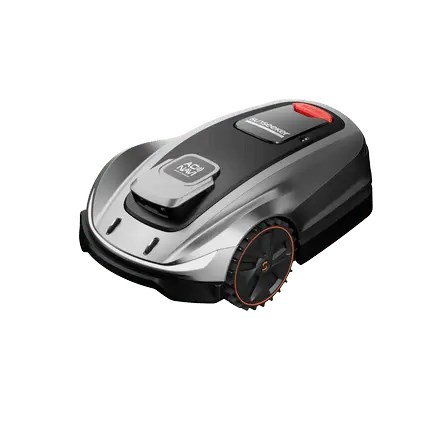
A dense lawn can tolerate minor grub activity better, and consistent mowing with a robot lawn mower helps maintain that strength. Timely treatment and steady lawn care offer the best long-term protection.
For preventive treatment, June and July are the optimal months for most products. Chlorantraniliprole-based products should go down earlier, late April through mid-June, because they take longer to move through soil. For curative treatment targeting active grubs, late August through September is the window. Applying outside these windows significantly reduces effectiveness.
Yes, immediately and without exception. Both preventive and curative grub killer products require 0.5 in of irrigation right after application to move the active ingredient down to where grubs feed. Without this step, the product sits on the soil surface and degrades before reaching the root zone. This is the single most common reason grub treatments fail.
Yes. Exceeding the labeled rate doesn't improve effectiveness and increases the risk of damaging the lawn, harming non-target insects including beneficial soil organisms, and contributing to chemical runoff. Follow the label rate exactly. If the first application doesn't resolve the problem, assess grub counts before reapplying rather than increasing the dose.