




FAQs
6/30/2026
Contents
Products
Residential Lawns





Explore
Where to Buy


After aeration, your lawn is vulnerable but highly responsive. The solution is simple: keep soil moist, apply seed and fertilizer, and avoid stress like mowing or heavy foot traffic. These actions maximize soil openings created by aeration, helping nutrients reach roots and turning weak grass into a dense lawn.
Lawn aeration is a useful strategy for combating soil compaction and promoting stronger root growth. However, the real work begins right after the aerator leaves your yard. Today, many homeowners still don’t know what to do after aerating the lawn. This phase is crucial for ensuring that aeration delivers long-term results rather than temporary improvement. This comprehensive guide provides a step-by-step post-aeration care checklist, including immediate actions, common mistakes to avoid, and long-term maintenance tips. Just read on to learn how to turn a simple yard treatment into a lasting transformation!
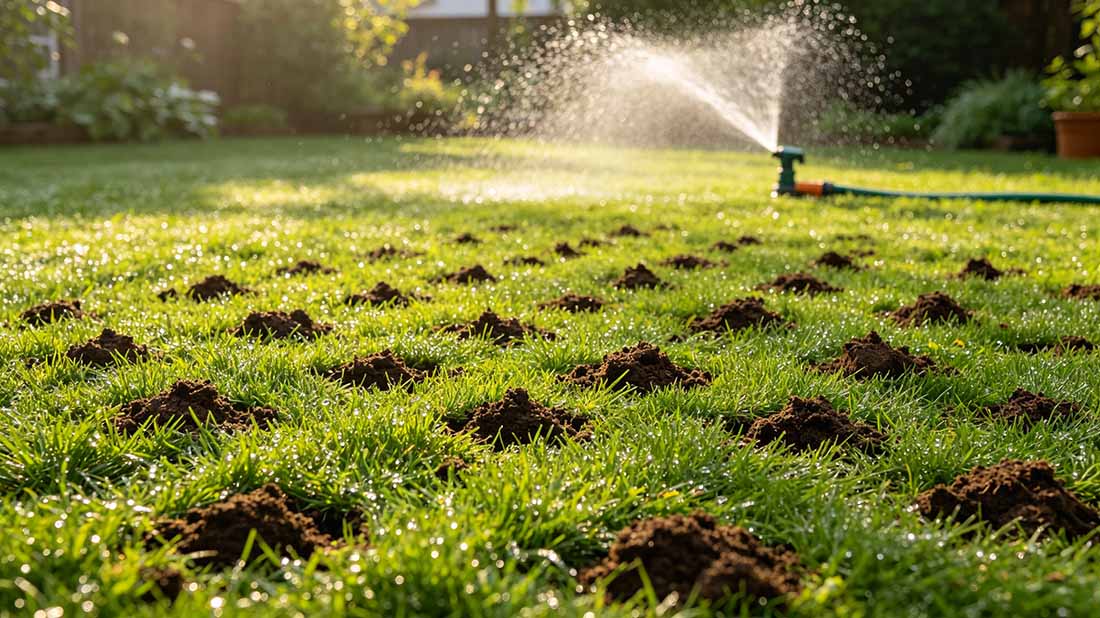
The first 24-48 hours after aeration are critical for setting up successful recovery. Your lawn is in a highly receptive state, which means nutrients, water, and seeds can penetrate the soil more effectively than usual. Here’s what to do after lawn aeration.
Leave the soil cores in place and do not remove them. These plugs naturally break down within 1-2 weeks, returning organic matter to the soil. This helps improve structure, fertility, and long-term soil health without extra effort.
Water thoroughly right after aeration to help settle the soil and support root recovery. Light, frequent watering(2-3 times daily for short periods in the first 1-2 weeks) helps seeds germinate while preventing runoff and ensuring consistent moisture in the top layer.
Apply grass seed immediately after aeration to take advantage of improved seed-to-soil contact. Choose a seed type suited to your climate and lawn conditions. This step helps fill bare spots and promotes a thicker, healthier turf over time.
Use a starter fertilizer rich in phosphorus to encourage strong root development. Aeration holes help nutrients reach deeper soil layers more effectively. Water lightly after application to activate nutrients and prevent potential fertilizer burn on tender grass and seedlings.
Spread a thin layer of compost or soil mix to improve soil quality and support seed establishment. Topdressing helps retain moisture, smooth uneven surfaces, and enhances microbial activity, giving your lawn a stronger foundation for long-term growth.
After you know what to do after aerating the lawn, it’s equally important to understand what to avoid. Some mistakes might undo the benefits of aeration, slow recovery, or even damage new growth. Here are key things you should not do.
Avoid using weed killers or chemical herbicides right after aeration. Newly exposed soil and seedlings are highly sensitive, and chemicals can damage/kill young grass. It’s recommended to wait at least 3-4 weeks or until new grass has been mowed twice.
Keep pets, people, and equipment off the lawn for at least 2-4 weeks. Excess pressure can recompact soil and disturb newly planted seeds, which reduces germination success and slows down the overall recovery process significantly after aeration.
Avoid mowing until the grass has clearly established and reached a safe height. Cutting too soon can uproot delicate seedlings and stress recovering turf. The ideal waiting period is around 2-4 weeks after aeration, depending on growth rate and weather conditions.
Inconsistent watering can seriously affect recovery. Overwatering may lead to fungus, disease, or soil saturation. Underwatering prevents seed germination and weakens root development. Maintain steady, balanced moisture in the topsoil(consistently damp but never soggy) throughout the early post-aeration period.
When mowing resumes, do not remove all clippings from the lawn. Light clippings naturally decompose and return nutrients to the soil, supporting recovery. However, ensure they are not too thick, because heavy buildup can smother young grass and block essential sunlight.
Once your lawn begins recovering, long-term maintenance becomes the key to sustaining results. Use active growth and real signs of compaction to decide when to aerate a lawn again, then follow the ongoing watering, mowing, feeding, and monitoring practices below.
Transition from frequent light watering to deep, infrequent irrigation once the lawn is established. Consider about 1 inch of water per week, ideally in the early morning. This encourages deeper root growth and improves drought tolerance over time.
Mow regularly at the correct height for your grass type, around 3-4 inches for cool-season lawns and 1.5-3 inches for warm-season varieties, depending on species. Never remove more than one-third of the blade at a time. Meanwhile, keep the blades sharp to ensure clean cuts and reduce stress on recovering grass.
Apply fertilizer based on seasonal needs and soil test results. Aeration improves nutrient absorption, so feeding becomes more effective afterward. Use balanced fertilizers to support steady growth without overloading the lawn with excess nutrients that may cause weak development.
Inspect your lawn for signs of pests, weeds, or disease. Early detection lets you find quicker treatment and prevents small issues from spreading. A healthy lawn after aeration is usually more resilient, but regular monitoring can ensure long-term stability and consistent visual quality.
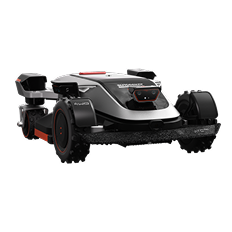
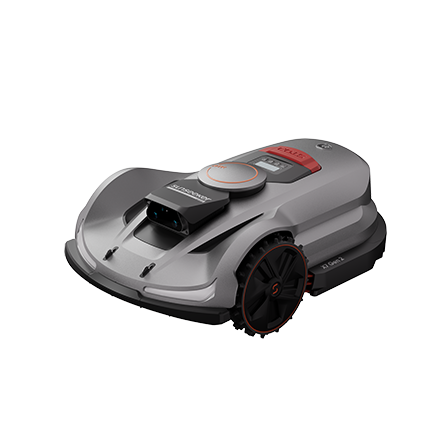
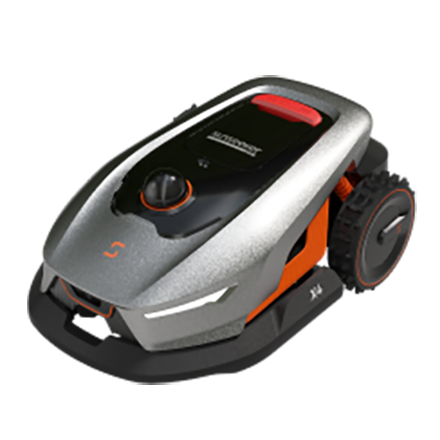
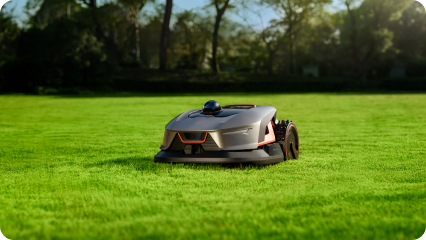
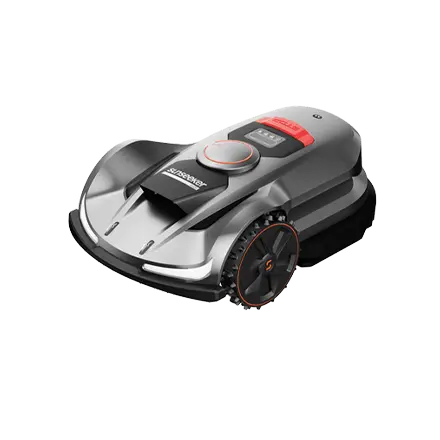
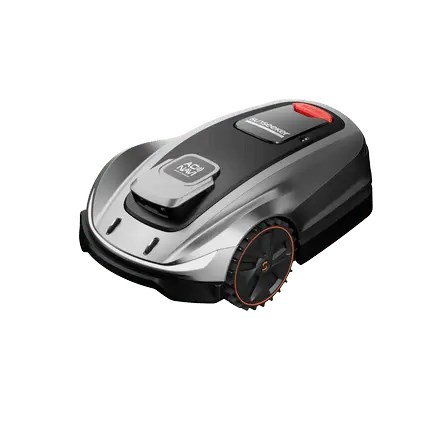
Consider upgrading to a robot lawn mower for effortless lawn care after aeration. Unlike traditional riding or push mowers, robotic models deliver frequent, light mowing that encourages denser turf growth while maintaining a consistent height without disturbing newly recovering areas.
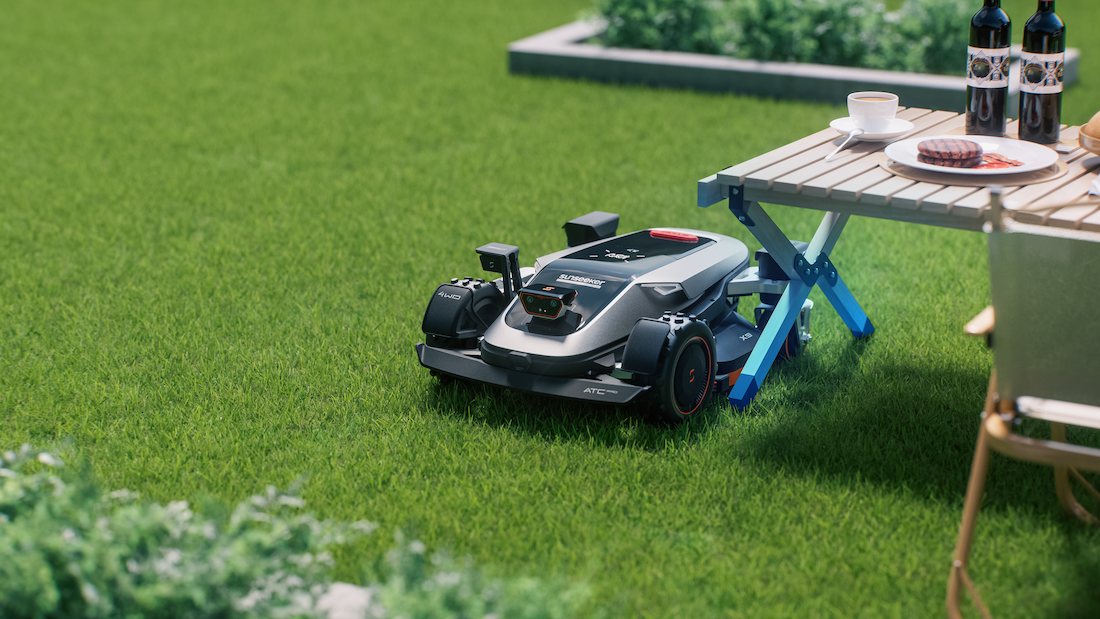
If you need more power and precision, the Sunseeker Elite X9 is a standout option. It offers adjustable cutting heights from 0.8-4 inches for tailored lawn care, along with a wide 17-inch dual cutting system for efficient coverage. Equipped with 360° OmniSight™ technology and intelligent sensors, it ensures smooth navigation and careful operation. If you are looking for effortless lawn care after aeration, this model offers a well-balanced performance and convenience for maintaining a healthy lawn.
So, what to do after aerating the lawn? Focus on proper watering, adding seed/fertilizer, and giving your lawn time to recover. Meanwhile, avoid mowing too early and follow consistent long-term care habits to help your grass grow stronger and healthier. To make maintenance easier and more effective, consider upgrading your tools. Smart solutions from Sunseeker can help you maintain optimal grass height with less effort, ensuring gentle care during the recovery phase and beyond. Just explore Sunseeker to keep your lawn looking great year-round now!
Lawn recovery after aeration usually takes about 2-4 weeks, depending on grass type, weather, and care practices. During this time, the soil begins to loosen, and roots expand into newly available space. Proper watering, light fertilization, and minimal stress help speed up recovery. Yet it may take several weeks longer to see full visible improvements.
Yes, watering immediately after aeration is highly recommended. Moisture helps soften the soil, allowing nutrients, seeds, and fertilizers to penetrate more deeply. Keep the topsoil consistently damp for the first couple of weeks, especially if you overseeded. Avoid overwatering, as soggy conditions can lead to fungal issues and hinder healthy root development.
It’s best to mow your lawn shortly before aeration to ensure the process is more effective, as shorter grass allows aerator tines to penetrate the soil more easily. After aeration, wait until the lawn has recovered and reached a safe height before mowing again to avoid disturbing new growth, which is especially important if you’ve overseeded.