





FAQs
6/30/2026
Contents
Products
Residential Lawns






Explore
Where to Buy


Top dressing a lawn is a way to upgrade your yard by adding a thin layer of nutrient-rich material over the grass. It levels uneven ground, improves drainage, reduces thatch, feeds the soil, and helps grass grow thicker and healthier over time with less maintenance.
Every homeowner wants a lawn that looks fresh and green. However, oil compaction, uneven surfaces, and nutrient depletion can leave even the best lawns looking tired and patchy. This is the time many people consider top dressing, which is a highly effective technique that supports stronger root growth and long-term lawn health. So, what is top dressing for a lawn exactly? This guide explores how it works, key benefits, and provides a clear, step-by-step process for top dressing a lawn. Just keep reading!
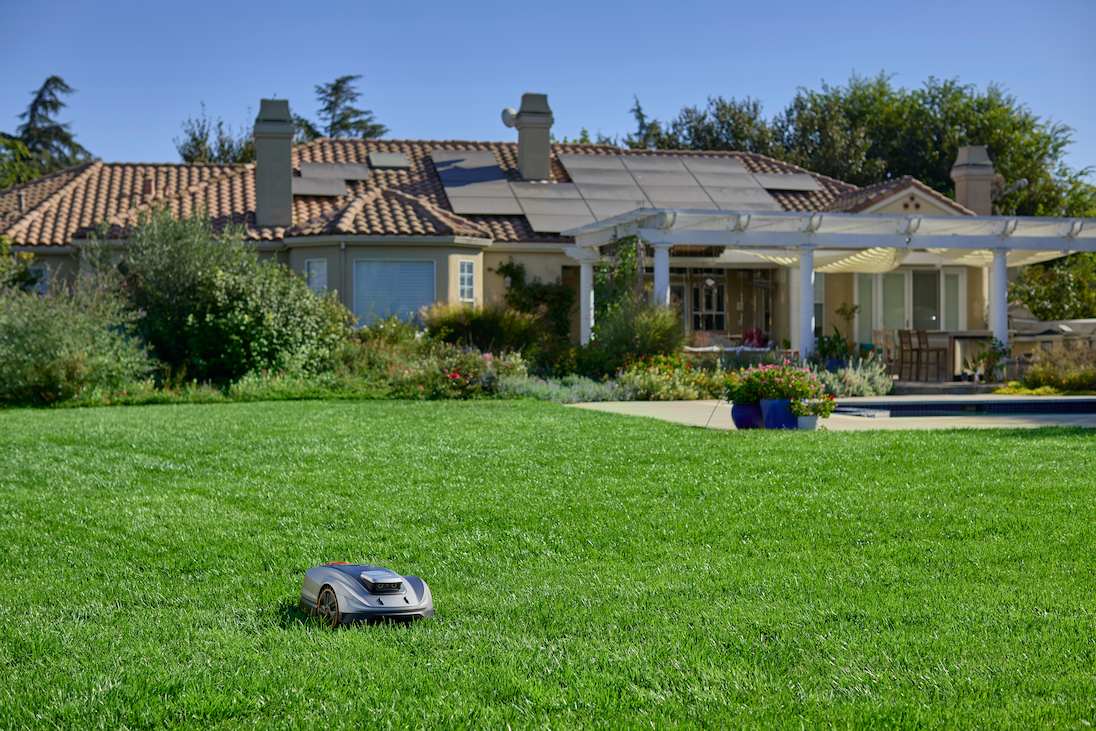
Top dressing a lawn is the practice of spreading a thin, even layer of material over the surface of existing grass without removing the turf. Unlike full soil replacement or heavy landscaping, it gradually blends into the lawn over time as the grass grows up through it.
So how does it work? After application, the material slowly works its way down into the soil profile, especially when paired with core aeration, which creates channels that allow for deeper penetration.
Over time, it mimics natural soil-building processes, gradually improving soil health and creating a more balanced, resilient turf. This method is widely used on golf courses and professional sports fields, and it can be just as effective on residential lawns when done correctly.
If your lawn appears uneven or slow to recover, top dressing can significantly improve its condition. Here are the key benefits of top dressing a lawn:
Bumps, dips, and low spots are gradually filled as the material settles into the turf. This creates a smoother lawn that looks cleaner and feels more even underfoot. It also makes mowing easier with fewer scalping issues over time.
It loosens compacted soil and enhances airflow, allowing air, water, and nutrients to move more freely. Roots can grow deeper and stronger. This improves overall soil balance and supports healthier, more resilient grass growth.
Top dressing a lawn encourages microbes to break down organic debris more efficiently. As decomposition improves, the thatch layer stays thinner, allowing water, air, and nutrients to reach roots without obstruction.
Soil structure becomes more balanced, allowing it to hold moisture more effectively. Water stays in the root zone for longer periods, which reduces irrigation needs and helps grass remain healthier and more resilient during dry or warmer weather conditions
Stressed or thin areas fill in more effectively after damage. Grass can grow back more evenly and quickly from foot traffic, pests, and weather. Over time, the lawn becomes thicker and more resilient overall.
Top dressing for a lawn creates a more uniform surface and healthier turf density, which leaves little space for weeds to establish. As grass density increases, it blocks sunlight from reaching weed seeds. This naturally reduces germination and makes long-term weed control easier with less effort.
If you want to make the best top dressing for lawns, it’s crucial to choose the right material. Here are the common ones used for top dressing a lawn:
Top dressing is a straightforward process, but proper preparation is essential for the best results. It is typically done in spring or fall when grass is actively growing, and weather conditions are mild. Here’s how to top dress your lawn step-by-step.
Conduct a quick soil test, if possible to understand pH and nutrient levels. Mow the grass to about 1-1.5 inches, slightly lower than normal. Dethatch if the buildup exceeds 0.5 inch. Aerate using a core aerator with 2-3 inch plug spacing, and lightly water dry soil.
Choose a suitable material such as compost or a compost blend. Estimate approximately ½-1 cubic yard per 1,000 sq ft for a light top dressing. For heavier leveling, up to 1.5 cubic yards may be needed, depending on surface unevenness and soil condition.
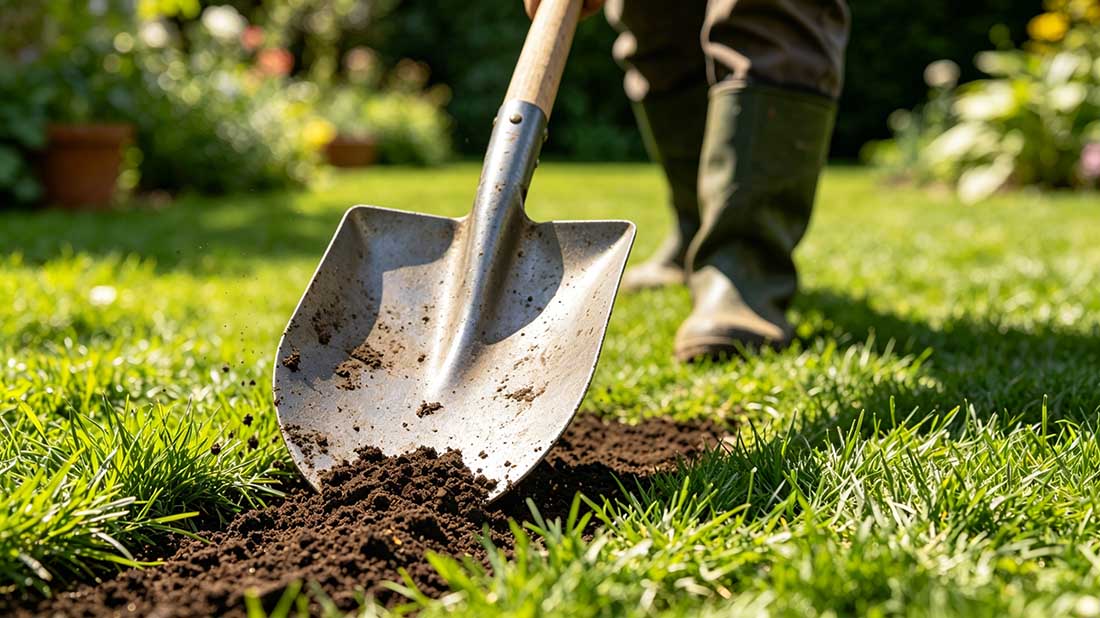
Spread the material evenly using a broadcast spreader for large areas or a shovel for smaller spaces. Cover a layer depth of ¼-½ inch across the lawn. Apply in sections to maintain consistency and avoid overloading any single area.
Use a leveling rake to distribute the material evenly across the surface. Work it into the grass canopy so it reaches the soil level. For overseeding, apply seed at a rate of 3-5 lbs per 1,000 sq ft at the same time.
Irrigate gently with about 0.25-0.5 inches of water immediately after application to help settle the material. Continue watering lightly 2-3 times per week for the first 7-14 days to maintain consistent moisture and support seed germination and soil integration.
Avoid heavy foot traffic for at least 3-5 days after application. Resume mowing once the grass reaches about 3 inches in height and avoid cutting more than one-third of the blade length. Apply light fertilizer if needed after 2-3 weeks for added recovery support.
For maintenance, apply top dressing once per year on healthy lawns. For heavily compacted or uneven lawns, applications every 6-8 months may be more beneficial.
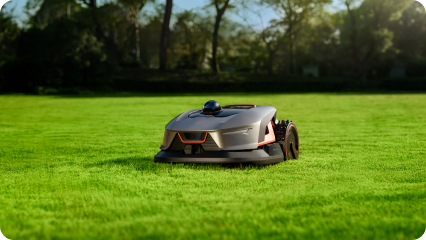
To maximize long-term results, combine top dressing with consistent, low-impact mowing practices. Robot lawn mowers are particularly effective because they maintain frequent, precise cuts at an optimal height without the weight and repeated passes of traditional mowers. This helps reduce soil compaction, encourages even grass growth through the dressing layer, and returns fine clippings to the lawn as natural mulch, which further supports soil improvement and nutrient cycling.
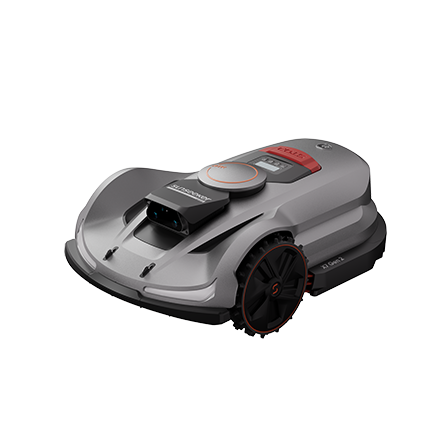
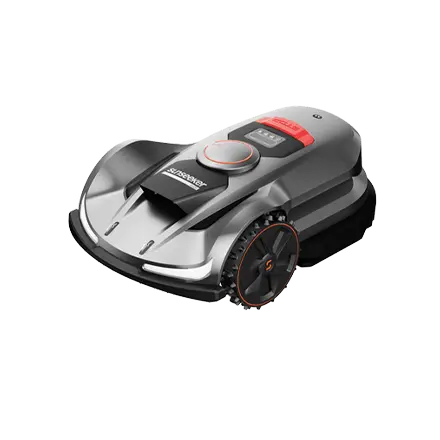
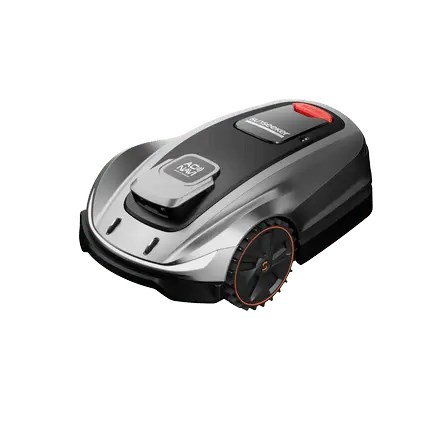
For lawns that have been top dressed, the Sunseeker Elite X5 is designed to maintain these improved conditions. Its all-wheel drive with independent front suspension helps it move gently over slightly uneven or newly leveled surfaces without disturbing the soil. The floating cutting disc automatically adapts to subtle contour changes, ensuring an even cut that preserves the smooth finish created by top dressing. With Vision AI obstacle avoidance, multi-zone mapping, and app-based scheduling, it helps maintain consistent mowing frequency, supporting a healthier lawn with less manual effort.
What is top dressing a lawn? It’s a proven, low-disruption method for building healthier soil and more vibrant turf that lasts over time. It’s all about improving your lawn from the ground up through better soil structure, and it works best when you choose the right materials and follow the correct steps. Ready for a greener yard with less hassle? Start planning your top dressing project today and pair it with Sunseeker’s smart robotic lawn mowers. You can achieve easier, more consistent maintenance and enjoy a lawn that stays better looking all year round!
The best timing depends on your grass type. Cool-season grasses respond best to applications in early fall or spring when growth is active; warm-season grasses do better in late spring or early summer. Avoid extreme heat, drought, or dormancy periods. Most healthy lawns benefit from annual applications; heavily compacted/damaged areas may need treatments every 6-8 months for optimal results.
A screened compost or a balanced mix of compost, sand, and topsoil is usually ideal. This combination delivers the best results for most residential lawns. Compost boosts soil biology and nutrients, while sand and soil help with leveling and improving drainage. Always match the material to your soil test results and ensure it is clean and well-processed to prevent introducing problems.
Yes, lawn top dressing is worth it for most homeowners. It significantly improves soil quality, enhances lawn appearance, levels uneven surfaces, and strengthens long-term resilience with relatively low cost and effort. Over time, benefits like better drainage, reduced thatch buildup, thicker grass, and lower maintenance needs far outweigh the initial work required.