



FAQs
6/30/2026
Contents
Products
Residential Lawns



Explore
Where to Buy


The best weed killer for lawns isn’t a single product; it’s the right type. Use selective herbicides for safe, everyday weed control, and choose pre-emergent or post-emergent formulas based on timing. It’s best to match the product to your lawn’s needs to ensure stronger results and fewer weeds over time.
Many homeowners struggle with stubborn weeds that keep returning, no matter how often they are pulled. These invasive plants quickly take over and ruin the appearance of a well-kept yard. So, what is the best weed killer for lawns? With so many products on the market, it can be difficult to know what truly works. This guide will introduce the types of lawn weeds to target, the top weed killers available today, practical buying tips, and step-by-step instructions on how to apply them safely and effectively. Just make sure to continue reading!
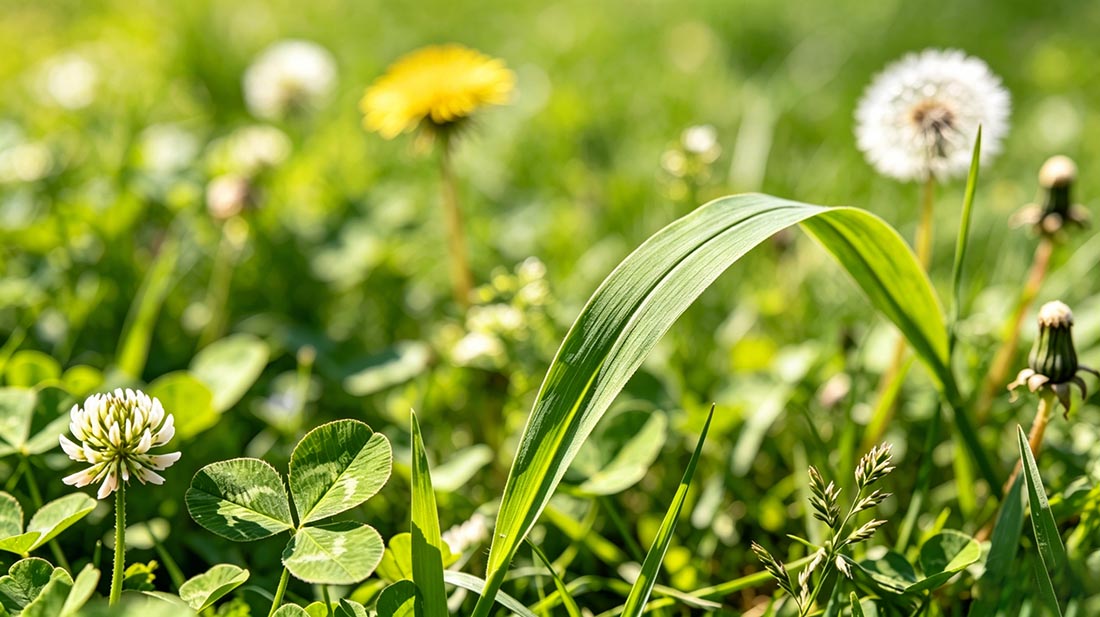
Before introducing the best lawn weed killer, it’s crucial to know what you are actually dealing with. Not all weeds behave the same way, and that’s why one product won’t fix everything.
Here are the main types you can see in most lawns:
To find the best weed killer for your lawn, it helps to first understand how these products actually work. In general, weed killers fall into these working methods:
Selective herbicides (those containing 2,4-D or dicamba) are designed to target specific weeds, especially broadleaf weeds, while leaving your grass unharmed. These are the most common “lawn-safe” options.
Non-selective herbicides, like glyphosate-based products or strong vinegar formulations, kill any plant they touch. They are better suited for clearing driveways, sidewalks, or garden edges where you don’t want anything to grow.
Pre-emergent herbicides work before weeds even appear. They form a protective layer in the soil that stops weed seeds from germinating in the first place.
Post-emergent herbicides are used after weeds are already visible. They can attack active growth, interfering with processes like photosynthesis or cell function, and gradually killing the plant.
Contact herbicides act fast and only affect the parts of the weed they directly touch, usually causing visible burning or browning within hours or days.
Systemic herbicides take longer but are more thorough. They can be absorbed by the plant and transported through the stems and leaves down into the roots, which helps ensure the entire weed is killed and reduces regrowth.
When it comes to the best weed killer for lawns, the answer usually depends on what problem you are dealing with. Here are the top-performing options based on effectiveness and reviews:
This concentrated selective herbicide is especially effective against broadleaf weeds like dandelions, clover, and chickweed. It’s safe for most common lawn grasses, including Bermuda, fescue, and bluegrass. Since it’s a concentrate, it can cover large areas at a low cost per application. Most users see visible results within a few days, making it the best lawn weed killer for reliable broadleaf control.
A fast-acting option available in both ready-to-use and concentrate forms, designed to target over 250 weed types, including dandelions, clover, and some crabgrass varieties, depending on the formula. The hose-end sprayer makes application simple and convenient, and results are often visible within 24-48 hours. It’s widely considered the best lawn weed killer for quick spot treatments or full-lawn applications.
A powerful dual-action formula that handles both broadleaf weeds and crabgrass in a single application. It works through both contact and systemic action for deeper, longer-lasting control. For homeowners who want convenience and broad coverage with fewer applications, this is the best weed killer suitable for mixed weed problems.
A budget-friendly yet effective solution that targets a wide range of broadleaf weeds and some grassy weeds. It comes in ready-to-spray and granular versions, making it easy to apply depending on your preference. It works quickly, often showing visible wilting in a short time and delivering reliable performance across different lawn types.
A professional-grade herbicide that works as both a pre-emergent and post-emergent treatment. It targets crabgrass, broadleaf weeds, and even nutsedge. It can also uniquely cause weeds like crabgrass to turn white for easy identification. Tenacity is safe for many turf types, including newly seeded lawns, making it one of the best lawn weed killers for prevention programs and stubborn weed issues.
A natural, eco-friendly option that uses concentrated vinegar to kill weeds on contact. It’s best for spot-treating young broadleaf weeds or managing light infestations, especially in areas where you want to avoid synthetic chemicals. While it does not provide long-term root control like stronger herbicides, it’s a good choice for pet-friendly and environmentally conscious lawn care.
To choose a good weed killer for lawns, it’s important to focus on a few key factors that match your lawn’s condition and weed problem:
Good results don’t come from the product alone; it also depends on how you use it. Proper timing, preparation, and technique all work together to improve effectiveness. You may follow these steps for the best outcome.
Carefully read the full product label before use. It includes mixing ratios, grass compatibility, safety warnings, and reapplication instructions.
Mow your lawn 1-2 days before application to expose weeds, but keep clippings if recommended by the product label (They act as a light mulch layer, which can improve spray contact by preventing the surface from drying out/crusting). Lightly water dry soil and remove debris to ensure even coverage and better contact with target weeds.
Apply on calm, dry days with temperatures between 60-85°F. Avoid windy conditions to prevent drift, and skip application if rain is expected soon. This helps ensure better absorption and more consistent weed control results.
Use a sprayer or spreader suited to the product type. Calibrate for even application and treat during calm morning or evening hours. Focus on spot treatment to protect healthy grass whenever possible.
Wear gloves, long sleeves, pants, and eye protection during application. Keep children and pets off treated areas until fully dry, and avoid spraying flowers, vegetables, or water sources to ensure safe use.
Water lightly only if required by the label to activate the product. Monitor results over 1-2 weeks and reapply if needed. Maintain proper mowing, watering, and fertilizing to prevent future weed growth.
Consistent lawn maintenance after treatment is essential for long-term weed control. One of the most effective ways to support a thick, healthy lawn that naturally resists weeds is maintaining a consistent mowing routine at the proper height.
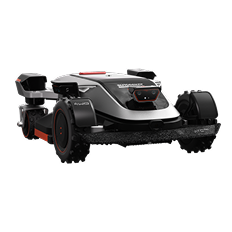
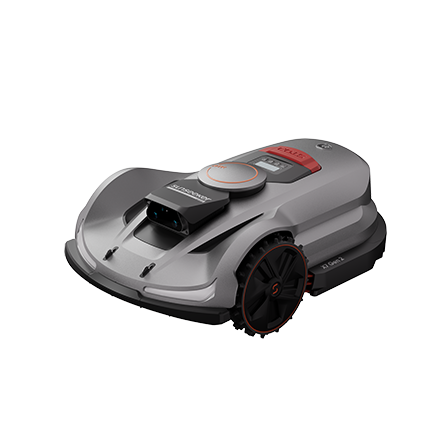
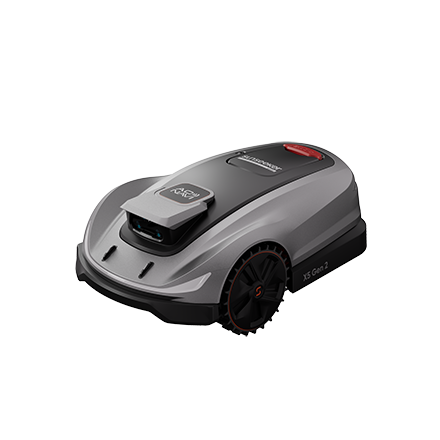
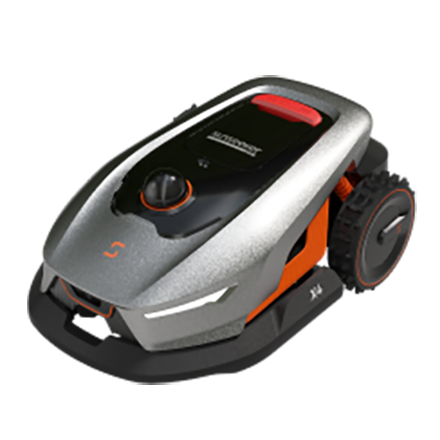
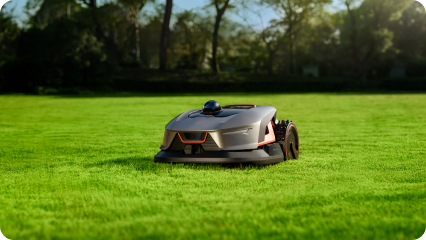
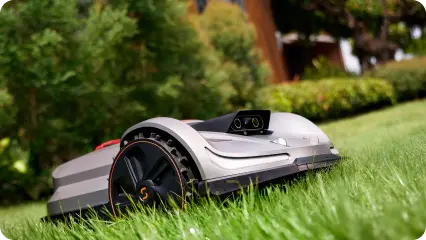
This is where a high-quality robot lawn mower truly stands out. These intelligent devices mow frequently and consistently, encouraging denser grass growth that helps crowd out weeds while reducing the time and effort required. Over time, they create optimal lawn conditions that improve weed control results and limit future weed growth.
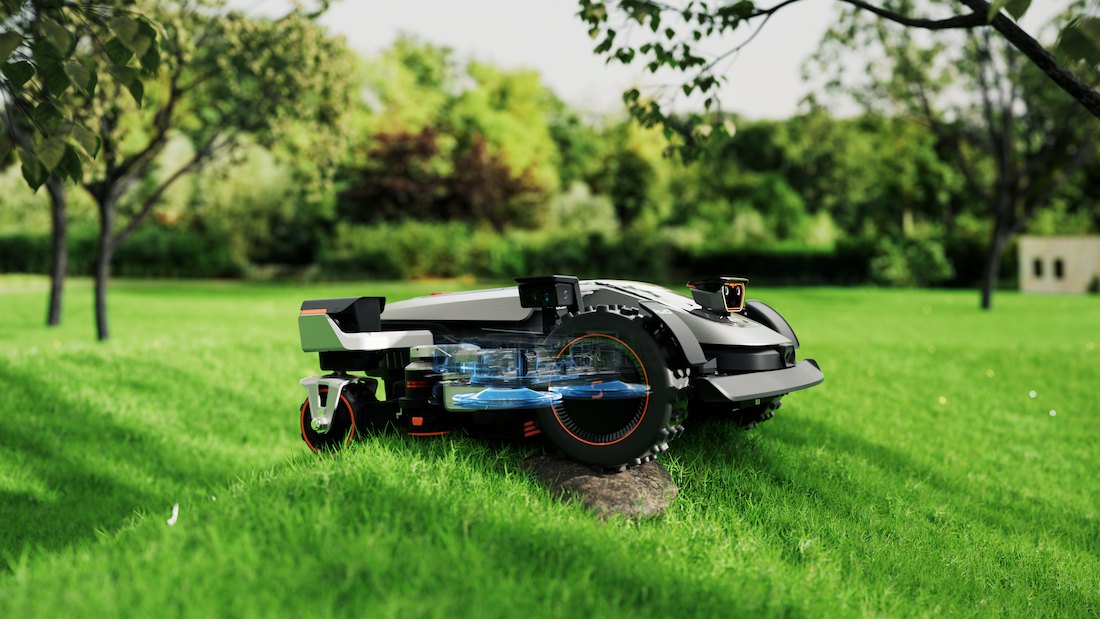
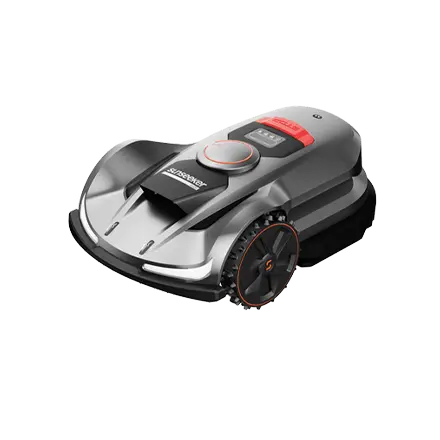
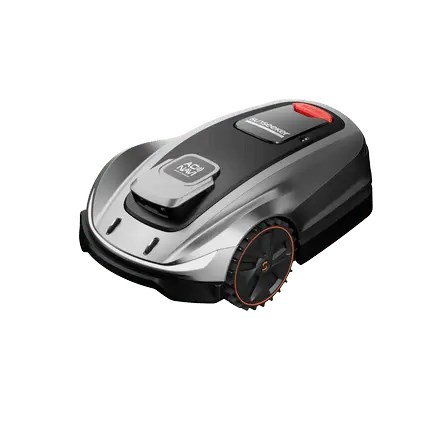
For superior performance, the Sunseeker Elite X9 is a strong choice. This advanced robot mower features continuous cutting height adjustment from 0.8 to 4 inches, allowing precise control to maintain ideal grass height for dense growth and natural weed resistance. It also includes industry-leading AONavi™ navigation with a 360° OmniSight™ vision system for accurate boundary tracking and reliable obstacle avoidance. It’s an excellent investment for homeowners looking to maintain a lush, weed-resistant lawn with minimal manual effort.
What is the best weed killer for lawns? The answer depends on your specific needs. While selective herbicides are ideal for eliminating weeds without harming grass, non-selective options are great for complete vegetation removal in targeted areas. However, weed control doesn’t end with treatment. Consistent mowing at the proper height also encourages dense grass growth that naturally suppresses weed development. To make this easier and more efficient, consider upgrading to Sunseeker’s smart mowing solution. With precise height control, intelligent navigation, and automated scheduling, it helps maintain optimal lawn conditions that support stronger, weed-resistant turf. Explore Sunseeker to keep your lawn healthy and clean with ease now!
The best option is a selective herbicide designed to target weeds while leaving grass unharmed. These products focus on broadleaf weeds like dandelions and clover without damaging turfgrass. Make sure to choose a formula compatible with your grass type and follow label instructions carefully to avoid unintended stress or discoloration.
When to put weed killer on lawn depends on the product type. Pre-emergent herbicides should be applied in early spring before weeds germinate, while post-emergent products work best when weeds are actively growing. Mild temperatures between 60-85°F and calm, dry weather conditions help improve absorption and overall effectiveness.
Natural weed killers can be effective for small or isolated weed problems, but they are generally less potent than chemical herbicides. Solutions like vinegar or boiling water may kill visible weeds, but often do not reach the roots. They act as contact treatments and may require repeat applications, especially for established or grassy weeds.