



FAQs
7/17/2026
Contents
Products
Residential Lawns




Explore
Where to Buy


Most homeowners don't notice thatch until the lawn starts showing problems: dry patches despite regular watering, a spongy feel underfoot, or grass that doesn't respond to fertilizer. Understanding what thatch is and when to act on it prevents those problems from compounding.
Your lawn may look fine from a distance after mowing, but problems can still be building just above the soil. Dead grass, stems, and roots can collect into a thick thatch layer, and many homeowners only notice it when the turf starts feeling spongy, drying out quickly, or growing unevenly. Understanding what is thatching a lawn helps you spot that buildup before it weakens the grass. From there, it becomes easier to know when thatch is normal, when it needs attention, and how to remove it safely.

In practical terms, the lawn thatching refers to the layer of living and dead organic matter, including grass stems, roots, crowns, and lower shoots, that accumulates between the soil surface and the green grass blades above. It forms naturally as grass grows and older plant material breaks down, or fails to break down fast enough.
According to Penn State Extension, thatch is present in all lawns to some degree. The problem begins when it exceeds half an inch in depth. Up to that point, a thin thatch layer actually provides benefits: it moderates soil temperature, reduces moisture loss, cushions the surface, and improves wear tolerance on high-traffic lawns.
What causes thatch to build up?
A thatch layer over 0.5 in starts to work against the lawn in several ways.
Blocks water and nutrients. Thick thatch acts as a barrier, preventing rain and irrigation from penetrating to the root zone. According to University of Maryland Extension, excessive thatch prevents water and air from reaching the soil, reducing the turf's tolerance to drought and temperature extremes.
Roots grow in thatch instead of soil. When thatch is thick, grass roots establish in the thatch layer rather than in the soil below. Since thatch heats up and dries out much faster than soil, these shallow root systems are highly vulnerable during hot or dry conditions.
Creates conditions for disease and pests. Thick thatch retains moisture and provides shelter for fungal pathogens, chinch bugs, billbugs, and sod webworm larvae. All of these thrive in the warm, damp environment that excessive thatch creates.
Reduces effectiveness of lawn treatments. Insecticides and herbicides applied to a heavily thatched lawn may never reach the soil level where they're needed, making them ineffective.
Causes mower scalping. Thick thatch raises the grass crown higher than the soil surface. When mower wheels ride on this spongy layer, the blade ends up cutting lower than intended, scalping the crowns and leaving the lawn vulnerable to stress and disease.
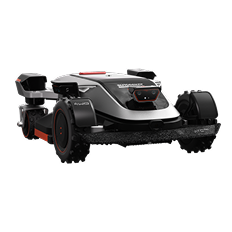
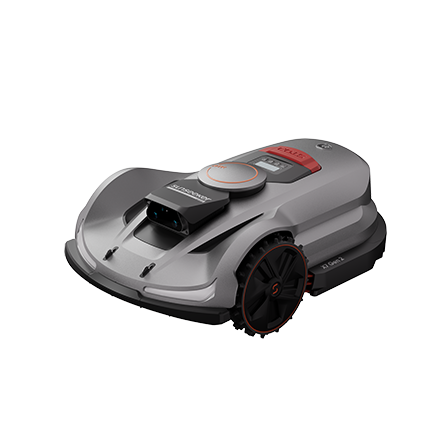
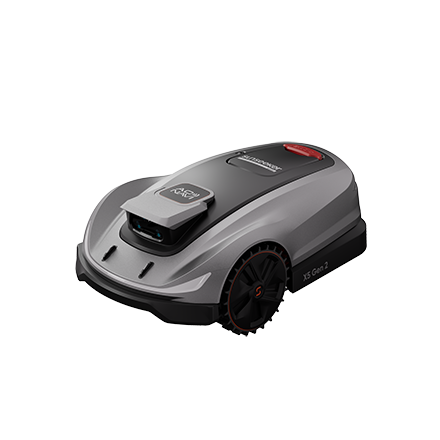
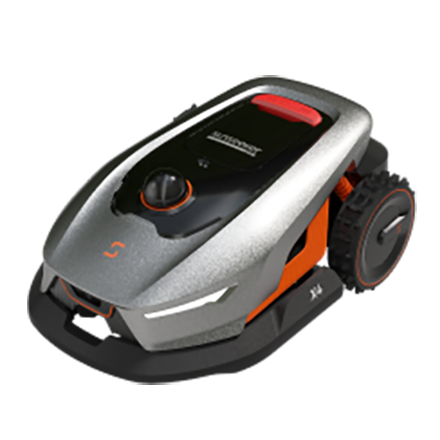
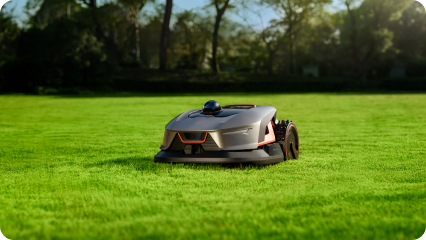
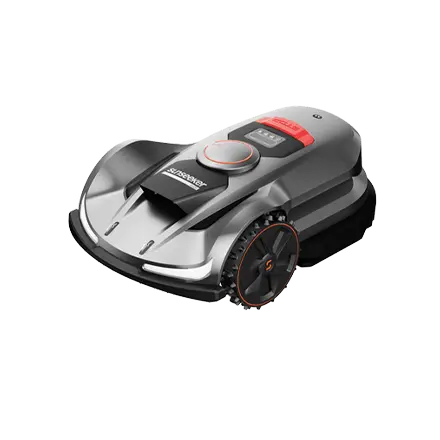
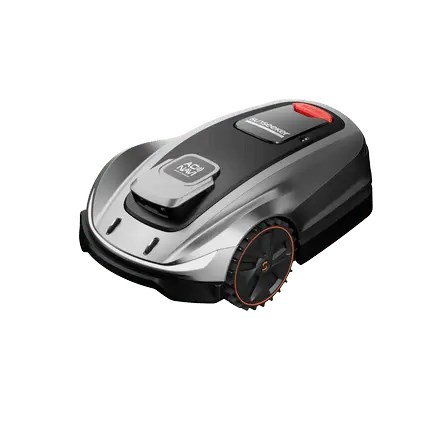
Keeping mowing frequency consistent is one of the most effective long-term strategies for slowing thatch accumulation. Regular, properly timed mowing produces fine clippings that decompose quickly rather than adding to the thatch layer. For large lawns where maintaining this schedule is challenging, explore the robotic lawn mower for large lawns range. Find the right model for your lawn size and terrain.
The most reliable check is a physical measurement. Use a trowel or knife to cut a small wedge-shaped plug 2–3 in deep from the lawn. The brownish, spongy layer between the soil surface and the green grass blades is the thatch. Measure it: if it's over 0.5 in, dethatching should be considered. If it's over 1 in, it's already causing problems.
Signs that thatch may be excessive without digging:
For ongoing risk assessment, whether thatching lawn is a concern depends on your grass type and fertilization habits. The higher the thatch-producing tendency and the heavier the nitrogen program, the more frequently thatch depth needs checking.
Once thatch exceeds the half-inch threshold, mechanical removal is the most effective solution.
Dethatching rake (manual). Best for small areas or light thatch under 0.5 in. A dethatching rake has tines angled to pull thatch upward as you drag it across the lawn. More effort than powered options, but gives you precise control in tight or delicate areas.
Power rake (vertical mower). The most common tool for residential dethatching. Rotating steel tines cut vertically through the thatch layer and bring material to the surface. According to University of Minnesota Extension, vertical mowers should be set so tines bring a small amount of soil to the surface along with thatch debris, this helps introduce soil microorganisms that speed up decomposition. Pass over the lawn in at least two directions for the most thorough removal.
Core aerator. Core aeration removes small plugs of soil from the lawn, reducing compaction and improving air and water movement into the root zone. While it doesn't remove thatch directly as aggressively as a vertical mower, it significantly improves conditions for microbial thatch breakdown and is less stressful to the existing grass. Missouri Extension notes that coring causes less lawn stress than power raking or vertical mowing. Combining aeration with dethatching in the same session maximizes results.
Timing matters. Dethatch cool-season grasses in late summer to early fall when they're actively growing and can recover quickly. Dethatch warm-season grasses in late spring to early summer at their growth peak.
After dethatching:
After dethatching, rake up the loosened debris, water thoroughly within 24 hours, overseed thin areas, and apply a light fertilizer to support recovery. Once new growth is established, regular mowing helps maintain the denser turf created by this work.
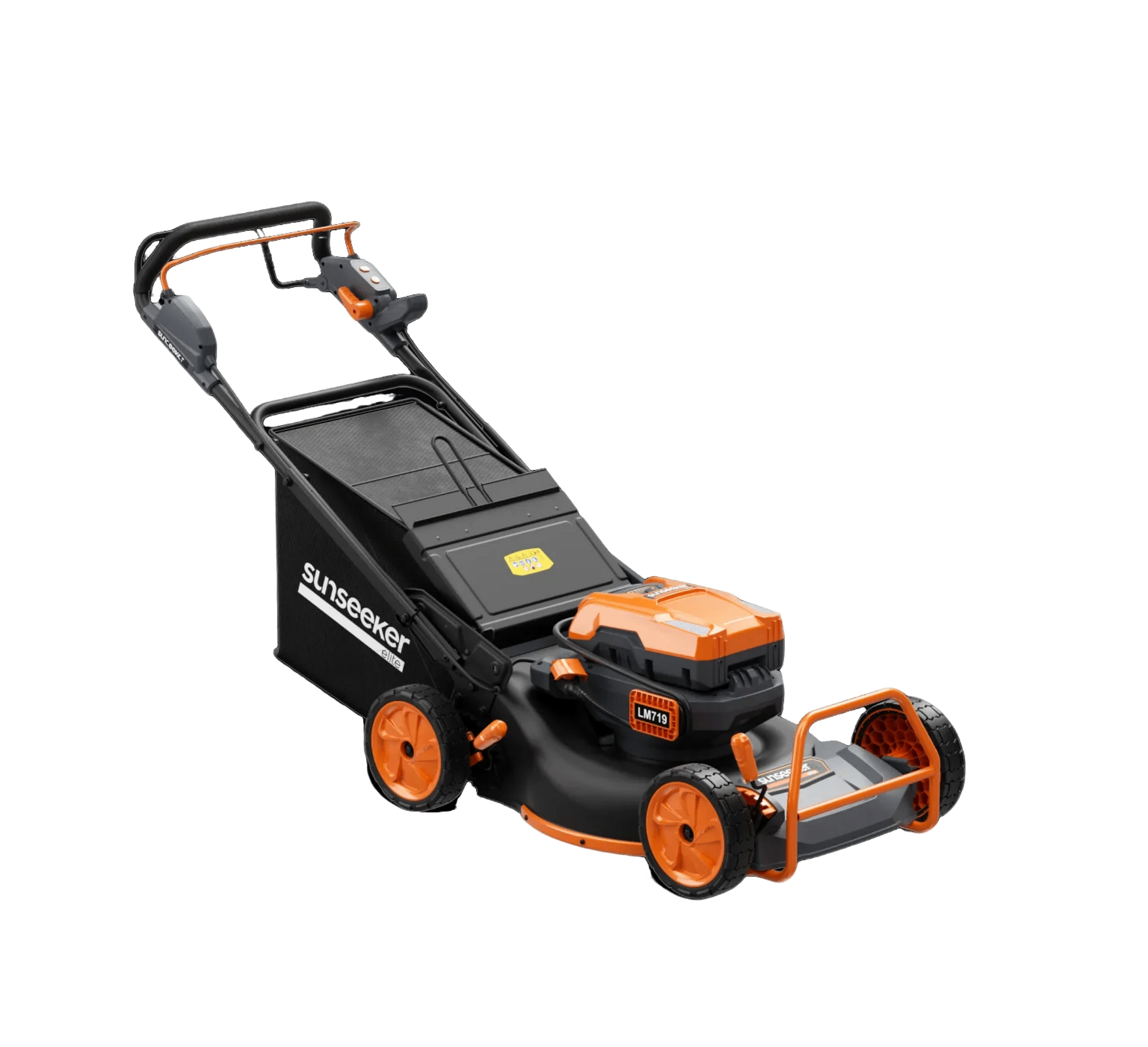
For larger properties, the Sunseeker Elite X9 covers up to 3 acres within 48 hours, while its 17-inch dual floating cutting discs maintain an even cut across gently undulating ground without placing unnecessary stress on the recovering lawn.

Thatch is a natural byproduct of grass growth, and a thin layer is fine. The problem starts at half an inch and compounds from there, blocking water, trapping pests, and weakening the root system. As a maintenance task, what is lawn thatching ultimately about? It's the process of mechanically removing that excess layer before it causes lasting damage. Checking thatch depth annually, dethatching when it exceeds 0.5 in, and maintaining consistent mowing and moderate fertilization habits keep most lawns from developing serious thatch problems in the first place.
Professional dethatching typically costs between $150 and $350 for an average residential lawn, depending on lawn size, thatch severity, and regional labor rates. Renting a power rake or vertical mower from a hardware store or equipment rental runs $50–$100 per day, making DIY dethatching cost-effective for most homeowners with a moderately sized lawn. For very large properties, professional service often becomes more practical than renting and operating equipment over multiple sessions.
Yes, when thatch exceeds 0.5 in. Leaving excessive thatch in place allows it to compound, blocking water and nutrients, sheltering pests and disease, and forcing roots to grow in the thatch layer rather than soil. A lawn with significant thatch will underperform regardless of how much fertilizer or water it receives, because the thatch is intercepting both. Dethatching restores the conditions roots need to function properly and usually produces visible improvement within a few weeks.
They address different problems. Dethatching removes the organic layer above the soil surface. Aeration addresses compaction in the soil itself by pulling small plugs to improve air, water, and nutrient movement into the root zone. For lawns with both issues, doing both in the same session is more effective than either alone. If you can only do one, assess which problem is more severe: if thatch exceeds 0.5 in, start with dethatching. If the soil is compacted but thatch is manageable, prioritize aeration.