



FAQs
7/13/2026
Contents
Products
Residential Lawns


Explore
Where to Buy


Lawn bowl is an easy-to-learn outdoor game where players gently roll curved balls toward a target ball known as the jack. It’s less about strength and more about accuracy and strategy. With simple rules and minimal equipment, lawn bowl is a relaxing yet competitive sport suitable for beginners and casual players alike.
Lawn bowling is a surprisingly engaging sport that blends skill and social interaction. Perhaps you have heard about it from a friend, or you are looking for an easygoing outdoor activity that’s fun without being too physically demanding. Whatever brought you here, you are in the right place. So, what is lawn bowls? In this guide, we will introduce what it is, how the game works, what equipment you need, and a few key terms to help you get started. Let’s dive in!

Lawn bowl, also known as lawn bowling, is a precision sport where players roll slightly off-center balls toward a smaller target ball known as the jack(or sometimes as a "kitty"). The goal is simple: get your bowls as close to the jack as possible while also trying to block or knock away your opponent’s shots.
It might look gentle and slow-paced, but don’t be fooled; there’s a lot of strategy involved. One of the most unique things about lawn bowls is the “bias” of the ball. Unlike a perfectly round ball, a bowl is designed to curve as it rolls, which adds a layer of skill and planning to every shot.
So, what are lawn bowls made of? Today, most lawn bowls are made from durable composite materials like melamine or similar resins. These materials handle changing weather better, keep a more consistent bias, and are generally more reliable overall.
Lawn bowls is usually played on a flat, well-maintained grass surface called a “green,” which is divided into sections known as rinks(around 9-21 feet wide and up to 120 feet long). Players take turns to deliver bowls from a mat, then carefully judge direction and speed to guide the ball along its curved path toward the jack.
The game has been around for centuries, with roots going back to ancient times and strong popularity in England during the 13th century. Today, it’s played all over the world, and people of all ages and fitness levels can enjoy it, whether casually or competitively.
Lawn bowls, as a game, is played in rounds called “ends.” One player rolls the jack down the green to set the target, and then players take turns to deliver their bowls. Once everyone has played their bowls, the player/team with the closest bowl to the jack scores points.
Games can be played in different forms: singles, pairs, triples, or teams of four. It usually continues for a set number of ends or until a score is reached (like first to 21 points).
Here’s a simple guide to get started:
Strategy is not just about getting your bowl close to the jack; it’s also about protecting your position or knocking your opponent’s bowls out of the way. In team formats, good communication really helps keep everyone on the same page. As you practice, you can get the hang of softer draw shots that curve gently toward the jack, as well as stronger shots used to move or clear other bowls.
One of the best things about lawn bowls is the minimal equipment it requires. Many clubs even provide gear for beginners, so you can try it out before buying anything.
Here’s a list of the essential equipment:
Like any sport, lawn bowls has its own set of terms. To help you follow the game and make your experience much more enjoyable, we’ve concluded the key terms:
Lawn bowls stands out from ten-pin bowling, bocce, and pétanque due to its unique equipment and playing surface. Unlike ten-pin bowling, which is about knocking down pins with force, lawn bowls emphasize precision and strategy on grass.
Here’s a clear comparison with other bowling games:
Aspect | Lawn Bowls | Ten-Pin Bowling | Bocce | Pétanque |
Balls | Biased (asymmetrical, curved) | Symmetric, heavy (16 lb) | Symmetrical, larger | Smaller, symmetric, metal |
Target | Small jack (target ball) | 10 pins | Pallino (small ball) | Cochonnet (small wooden ball) |
Playing Surface | Flat natural grass rink | Oiled wooden/synthetic lane | Gravel, sand, or dirt court | Gravel or sandy terrain |
Delivery Method | Rolled underhand from a mat | Thrown/rolled down the lane | Thrown or rolled underhand | Thrown underhand (often with backspin) |
Key Feature | Built-in bias (curve) | Straight ball with hook potential | No bias, direct aiming | No bias, pointing/shooting |
Rink/Court Size | 19-21 ft wide × up to 120 ft long | 60 ft long lane | 13 × 91 ft(approx.) | Variable, often 39-59 ft long |
Objective | Get the bowls closest to Jack | Knock down all pins | Get the balls closest to the pallino | Get the boules closest to cochonnet |
Scoring | Points for bowls closest to the jack | 10 or fewer pins per frame | Points for closest balls | Points for closest boules |
Physical Demand | Low-moderate (strategy-focused) | Moderate (requires power) | Low-moderate | Low-moderate |
Best For | All ages, precision & tactics | Power, strikes & spares | Casual backyard fun | Precision on uneven ground |
Lawn bowls truly offer a unique experience. The gentle, social nature of the game also makes it especially appealing for players seeking a mentally engaging yet physically accessible sport.
Understanding what a lawn is in this setting—a living playing surface whose height, density, firmness, and moisture influence ball movement—helps explain why a uniform green is essential for consistent roll and fair play. However, it might be challenging to achieve this level of precision with traditional mowing methods. That’s why serious lawn bowl enthusiasts and clubs are turning to robotic lawn mowers for better results.
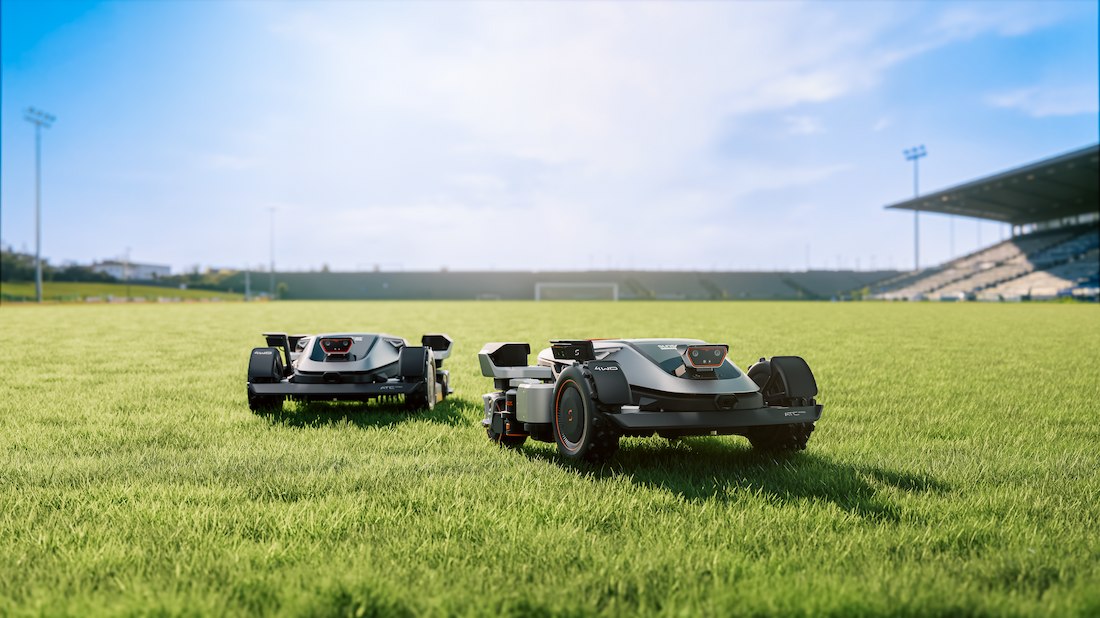
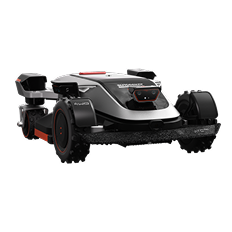
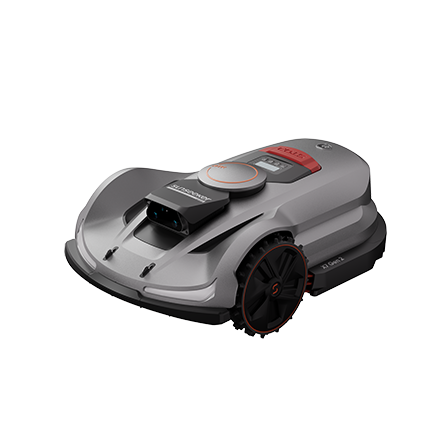
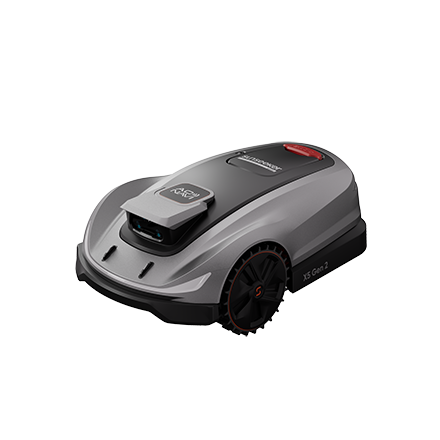
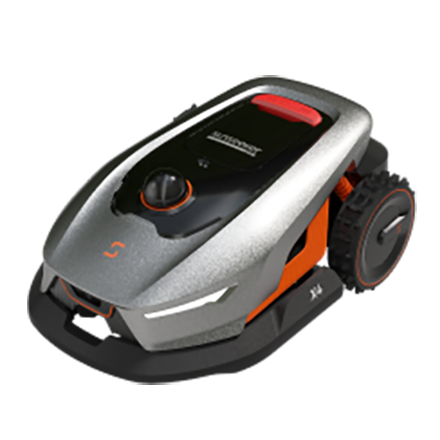
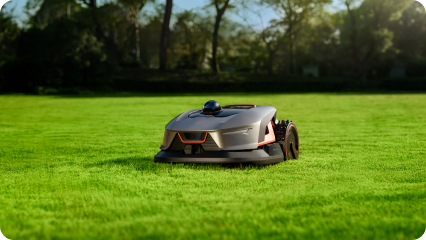
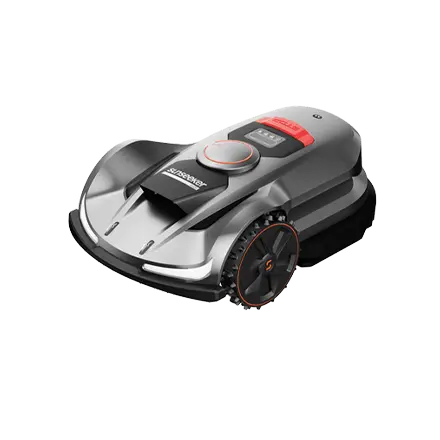
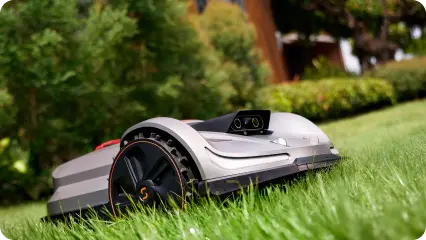
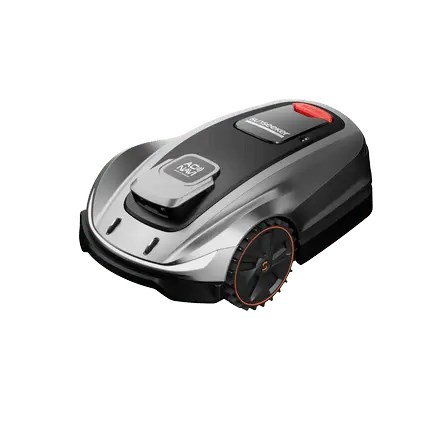
The Sunseeker Elite X9 is a strong choice in this space. Built for larger spaces, it can handle areas up to 3 acres making it well-suited for full-sized greens. What matters most for bowls is consistency, and that comes from frequent, even cutting. The Elite X9 trims little and often, helping the grass stay smooth and level without the stress or buildup left by traditional mowing. The precise AI navigation and edge-to-edge cutting keep the surface uniform right across the rink. For clubs, home greens, or anyone serious about maintaining a high-quality playing surface, it offers a practical and reliable solution.
What are lawn bowls? It is a strategic outdoor game played on a carefully maintained grass surface, where players roll biased balls to finish closest to a small target known as the jack. To make the game fair and enjoyable, a smooth and consistent green is essential. If you are looking to elevate your lawn to that standard, Sunseeker provides a simple, effective way to maintain a high-quality playing surface. Explore Sunseeker’s robot lawn mower range to keep your green in top condition with minimal effort now!
Lawn bowling and bocce are similar boules-style games that aim to get closest to a target, but they differ significantly. Lawn bowls use biased, curving bowls rolled on a flat grass rink, requiring precise control of line and weight. Bocce uses round, balanced balls thrown on a shorter, enclosed court of sand or gravel without curved movement.
Generally, a game of lawn bowling lasts 1.5 to 3 hours, depending on format and number of ends played. Singles or pairs may finish in about 90 minutes, while fours usually take longer. Matches are often played to a set number of ends (e.g., 10-21) or a target score(like first to 21). Casual games can be shortened for flexibility.
Traditional lawn bowls is played on natural grass greens for optimal roll and consistent bias performance. However, some clubs and indoor venues use artificial or carpet surfaces to enable year-round play and reduce maintenance. While synthetic greens closely replicate natural turf, they may slightly affect bowl speed and movement. Most competitive play still favors natural grass surfaces.