



FAQs
7/17/2026
Contents
Products
Residential Lawns


Explore
Where to Buy


Scarifiers and dethatchers are often confused because they tackle the same problem, but at different levels of intensity. A dethatcher handles light to moderate thatch with spring tines. A scarifier uses metal blades that cut deeper, into the soil itself, making it the right choice when thatch is too thick or compacted for a standard dethatcher to clear effectively.
A lawn can look tired even when your mowing routine seems right. Moss, dead grass, and thick surface buildup can sit between the green blades and the soil, making it harder for water, air, and nutrients to reach the roots. When that layer keeps building up, mowing shorter will not fix the problem. The lawn needs a tool that can loosen the buildup and open the surface again.
So, what is a lawn scarifier, and when is it the right tool to use? The sections below look at how scarifying works, how it differs from dethatching and aerating, and how to use it without putting unnecessary stress on the grass.

A lawn scarifier is a power tool that uses a rotating drum fitted with rigid metal blades to cut vertically through the thatch layer and into the uppermost layer of soil. The cutting action creates slits or "scars" across the lawn surface, breaking up compacted organic matter, slicing through moss, and pulling debris to the surface where it can be raked away.
In physical terms, what is lawn scarifier treatment compared to other thatch tools? The key distinction is what the tool does to the soil surface. A dethatcher uses flexible spring tines that operate above the soil, pulling loose thatch upward without cutting. A scarifier's rigid blades cut into the soil itself, making it the right choice when thatch has compacted to the point where surface tools can't penetrate it.
Scarifiers are available in manual (push-type), electric, and petrol-powered versions. Electric models are the most practical for most residential lawns. Petrol models suit larger or more heavily thatched areas.
In practical terms, what does a lawn scarifier do is cut through and remove organic material that has built up too densely for surface tools to handle. The blades cut vertical lines across the lawn, slicing through thatch roots, dead moss stems, and compacted organic debris at the base of the turf.
The process does three things simultaneously:
Removes heavy thatch. The blade action breaks apart dense thatch layers and brings the debris to the surface. This restores the lawn's ability to absorb water, air, and nutrients that thick thatch was blocking.
Kills and removes moss. Scarifiers are particularly effective against moss, which spreads across the soil surface and between grass plants. The blade action cuts through moss stems and lifts the mat to the surface.
Creates channels in the soil surface. The slitting action opens micro-channels that improve surface drainage and, to a limited degree, soil aeration. This is a secondary benefit rather than the primary purpose, for genuine compaction relief, core aeration is still needed.
After scarifying, the volume of debris pulled to the surface can be substantial. Most scarifiers have a collection box, but raking is typically needed afterward to clear remaining material.
These three tools address related but distinct problems, and choosing the wrong one reduces effectiveness or risks damaging the lawn.
The key difference comes down to depth and aggressiveness. A scarifier cuts into the soil surface. A dethatcher works above it. An aerator works well below it.
Tool | Mechanism | Depth | Primary Target | Best For |
Scarifier | Rigid metal blades | 0.5–1 in+ into soil | Heavy thatch, moss, dense organic buildup | Lawns with severe thatch or moss |
Dethatcher | Flexible spring tines | Surface thatch layer only | Light to moderate thatch | Routine thatch maintenance |
Aerator | Core: hollow tines remove plugs / Spike: solid tines push holes | Core: 2–4 in into soil / Spike: surface only | Core: soil compaction / Spike: minor surface compaction (limited effect) | Core: compacted, waterlogged soil / Spike: not recommended as primary tool |
Scarifier vs dethatcher: Dethatching is the lighter-duty option, spring tines pull loose thatch from the surface without cutting into the soil. Scarifying goes deeper and uses metal blades, making it more effective on thick or matted thatch and moss but more stressful to the turf. Use a dethatcher for routine maintenance. Use a scarifier when thatch exceeds 0.75 in or moss is visibly spreading.
Scarifier vs aerator: Scarifying and aeration target completely different problems. Scarifying removes organic material from the surface. Aeration relieves soil compaction below the surface. A lawn can need both, and scarifying before aeration helps the aerator tines penetrate more effectively, since thatch buildup can reduce aeration depth.
Not every lawn needs a scarifier. A dethatcher is sufficient for routine maintenance. These signs indicate the problem is beyond what spring tines can handle.
Thatch over 0.75 in. Cut a small plug and measure the brownish layer between the soil and grass blades. If it exceeds 0.75 in and feels hard or matted, spring tines won't penetrate it effectively.
Visible moss spreading across the lawn. A dethatcher removes surface debris but doesn't cut deep enough to disrupt moss growth. Scarifying is the most effective mechanical moss treatment.
Lawn feels firm and dense underfoot. If pushing a finger through the grass to soil level is difficult, the organic layer has compacted beyond dethatcher territory.
Water pools despite regular care. Heavily compacted thatch can become hydrophobic, repelling water rather than absorbing it.
Scarifying is more disruptive than dethatching and requires adequate growing time for recovery. Timing to active grass growth is essential.
Cool-season grasses (Kentucky bluegrass, tall fescue, perennial ryegrass): scarify in early fall, late August through September. Soil is still warm, recovery is fast, and the timing aligns well with overseeding. Spring is an acceptable secondary window but increases weed pressure on the disturbed soil.
Warm-season grasses (Bermuda, zoysia, St. Augustine): scarify in late spring to early summer, once the grass has fully greened up and is actively growing. Avoid scarifying warm-season grasses heading into fall.
Conditions to check before scarifying:
Scarifying is hard on the lawn. Done correctly, the lawn recovers within 3–4 weeks and emerges healthier. Done incorrectly, it causes damage that takes a full season to repair.
Step 1: Mow short first. Cut the lawn to about half its normal height before scarifying. Lower grass reduces resistance and allows the blades to reach the thatch layer more effectively.
Step 2: Set blade depth carefully. Start at the shallowest setting and assess the results before going deeper. The blades should cut through the thatch and just touch the soil surface, not cut deep into the root zone. Too aggressive a setting causes root damage that significantly slows recovery.
Step 3: Make passes in one direction first. Complete a full pass across the lawn before deciding whether a second perpendicular pass is needed. For light scarifying, one pass is often sufficient. For heavily thatched or mossy lawns, a second pass perpendicular to the first produces more thorough coverage.
Step 4: Rake and remove all debris. Clear all the material pulled to the surface. Leaving it on the lawn allows it to re-mat into the thatch layer. The volume removed can be significant, several wheelbarrow loads from an average lawn.
Step 5: Overseed bare or thin areas. Scarifying creates ideal seed-to-soil contact. Apply seed to any bare patches and thin areas immediately after clearing debris.
Step 6: Fertilize and water thoroughly. A light fertilizer application after scarifying supports recovery. Water deeply within 24 hours and keep the lawn consistently moist for 2–3 weeks during recovery and germination.
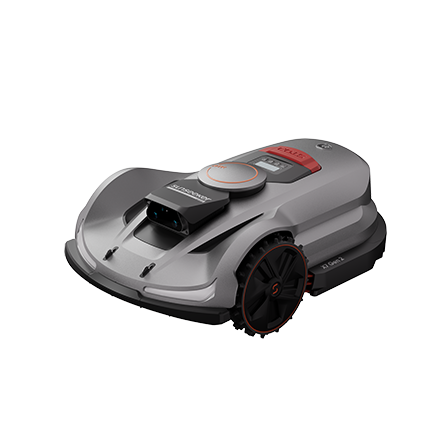
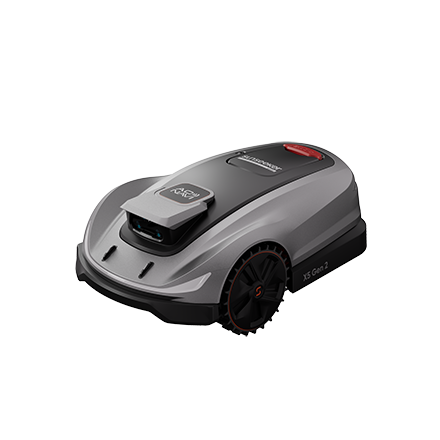
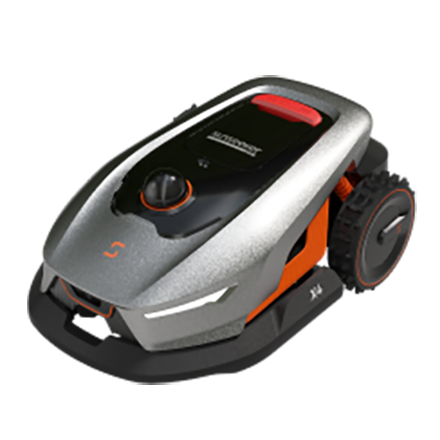
Consistent mowing after scarifying builds the turf density that reduces future thatch buildup. The Sunseeker Elite X4 lets you set custom mowing tasks for individual zones, making it easier to keep scarified areas on the regular, even cutting routine needed for dense regrowth.
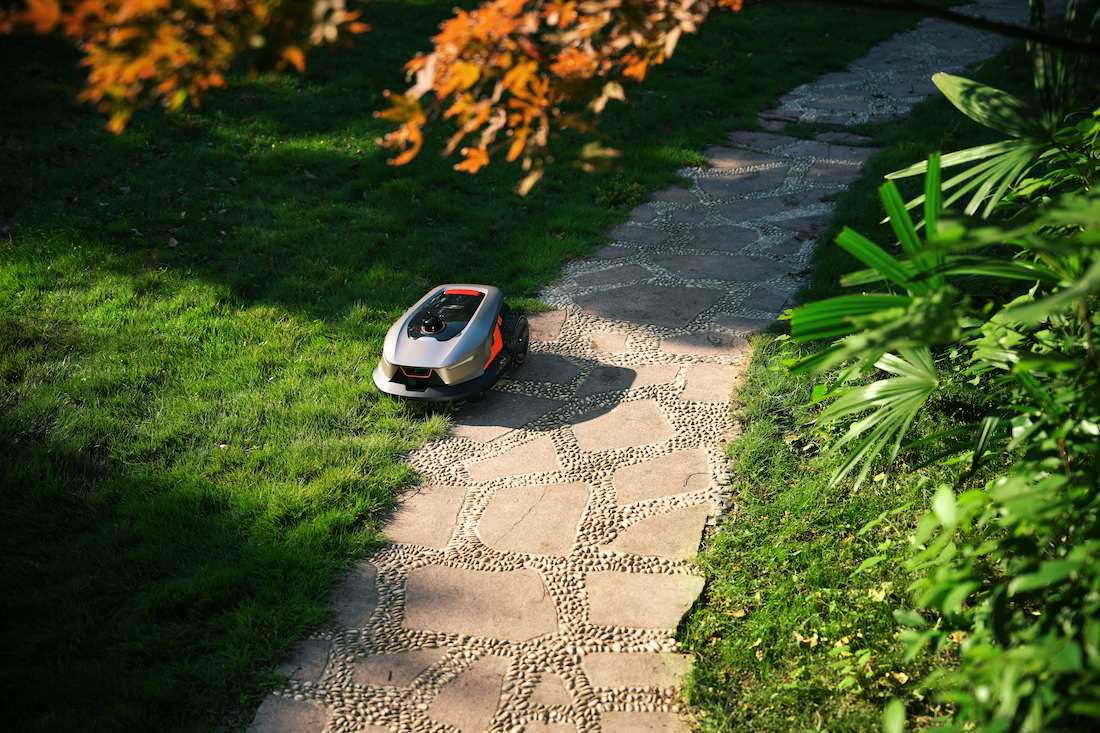
A lawn scarifier uses rigid metal blades to cut through dense thatch and moss at a depth that spring-tine dethatchers can't reach. For what is a lawn scarifier used for in practical terms: corrective treatment when thatch exceeds 0.75 in, when moss has established, or when the organic layer has compacted to the point where water and nutrients can't penetrate. For routine maintenance on moderate thatch, a dethatcher is the right tool. For serious buildup, scarifying is what actually works. Once the lawn is recovered and growing well, consistent mowing is what keeps thatch from building back up. A robot lawn mower maintains that mowing rhythm automatically, producing fine clippings that decompose quickly and slow future thatch accumulation. Find the right model for your lawn size and let it handle the upkeep.
Yes, when the lawn genuinely needs it. Scarifying is the most effective tool for removing heavy thatch and moss that dethatchers can't clear. The improvement in water absorption and growth response is usually visible within a few weeks. For lawns that only need routine thatch maintenance, a dethatcher is sufficient and less stressful. A scarifier earns its place when the problem has gone beyond what lighter tools can address.
Setting blades too deep on the first pass is the most common error. It damages root zones and extends recovery. Other mistakes include scarifying during dormancy or heat stress, failing to remove all debris from the surface, and skipping overseeding and fertilizing after treatment.
The impact of what does a scarifier do for your lawn becomes clear when it's neglected: thatch accumulates past the point where it blocks water, air, and nutrients. Moss spreads unchecked. The lawn becomes thinner, more drought-sensitive, and less responsive to fertilizing. Annual scarifying on lawns that need it keeps each session manageable and prevents compounding damage.