



FAQs
7/17/2026
Contents
Products
Residential Lawns



Explore
Where to Buy


Core aeration is the most effective type for most lawns, it removes plugs of soil rather than just poking holes, which avoids the compaction that spike aerators can cause. Timing to active grass growth and following up with overseeding or fertilizing gets the most out of each session.
You water, mow, and fertilize, but the lawn still looks thin, compacted, or slow to recover after foot traffic. In many yards, the problem is not always what happens above the grass. It can be the soil underneath. When soil becomes too tight, water, air, and nutrients have a harder time reaching the roots.
Then you may need a lawn aeration to help. This guide explains what does a lawn aerator do, why aeration matters, how to choose the right tool, when to aerate, and what simple care steps can help the lawn recover afterward.

Lawn aeration is the process of creating small openings in the soil to allow air, water, and nutrients to reach the root zone. Over time, soil compacts from foot traffic, mowing, and rainfall, squeezing out the air pockets that grass roots depend on.
Regular aeration delivers several benefits:
According to University of Maryland Extension, mechanical aeration alleviates compaction, encourages root growth by increasing oxygen to roots, and allows seed, lime, and fertilizer to enter the soil more effectively.
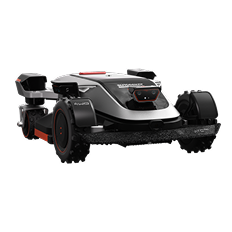
Pairing aeration with consistent mowing builds the dense, healthy turf that maintains itself better season to season. A robot lawn mower keeps that mowing schedule automatic and consistent. Find the right model for your lawn size and let it handle the upkeep.
In practical terms, what does an aerator do for lawn health is create channels through compacted soil that allow the root zone to breathe and absorb again. But how it does that depends entirely on the tool type.
There are two fundamentally different mechanisms:
Core aeration (plug aeration) removes actual cylinders of soil from the ground, typically 0.5–0.75 in diameter and 2–4 in deep, spaced 2–6 in apart. Removing material creates true open channels that soil cannot simply compress back into.
Spike aeration pushes solid tines into the soil without removing any material. The surrounding soil is compressed sideways to make room for the tine, which actually increases compaction around each hole. University of Maryland Extension explicitly warns that spike-type equipment should not be mistaken for aerating equipment. Spike aeration has limited value except as a very short-term surface treatment on mild compaction.
For any meaningful aeration benefit, core aeration is the correct approach.
Choosing the right aerator depends on lawn size, compaction severity, and whether you're renting or buying. Here's how the main options compare.
|
Aerator Type |
Mechanism |
Best For |
|---|---|---|
|
Manual core aerator |
Hand-pushed hollow tines |
Very small areas, spot treatment |
|
Walk-behind electric/gas core aerator |
Motorized hollow tines |
Small to medium lawns, most residential use |
|
Tow-behind core aerator |
Attaches to riding mower |
Large lawns with riding mower available |
|
Spike shoes |
Solid spikes attached to shoes |
Not recommended, increases compaction |
|
Rolling spike aerator |
Rolling drum with solid tines |
Not recommended for compacted soil |
Manual core aerators are practical for small patches or spot treatment but too slow for full-lawn aeration on anything larger than a few hundred square feet.
Walk-behind core aerators are the standard choice for most residential lawns. Gas-powered models are most commonly rented from equipment hire shops, typically by the half or full day. Make at least two passes in perpendicular directions for thorough coverage.
Tow-behind core aerators attach to a riding mower or ATV and cover ground quickly. Practical for lawns over half an acre where a walk-behind model would take too long. Look for models with a weight tray to ensure tines penetrate fully.
Spike aerators (shoes or rolling) are not recommended by most extension services for general lawn aeration. Their compaction effect around each hole outweighs the benefit of the surface opening.
Aerate during active grass growth so the lawn can recover quickly and take full advantage of the improved soil access. Aerating during dormancy produces no benefit.
Cool-season grasses (Kentucky bluegrass, tall fescue, perennial ryegrass) do best with late summer to early fall aeration, typically late August through September. Soil is still warm from summer, accelerating recovery, while cooling air reduces stress. A spring window in April is acceptable as a secondary option, though fall combined with overseeding produces stronger results.
Warm-season grasses (Bermuda, zoysia, St. Augustine, centipede) should be aerated in late spring after full green-up, when growth is most vigorous. Avoid aerating heading into fall as growth slows and recovery is limited.
The process is straightforward, but a few preparation steps determine how clean the plugs come out and how evenly the lawn is covered.
Step 1: Water the day before. Aerate when soil is moist, not dry or saturated. Tines penetrate more easily and pull cleaner plugs. If rain is forecast within 24 hours, wait until after and let the surface firm up slightly.
Step 2: Mark irrigation heads and cables. Flag underground obstacles before running the aerator. Hollow tines can damage irrigation lines and invisible fence cables at typical plug depth.
Step 3: Make multiple passes. A single pass covers only a fraction of the soil surface. Make at least two passes in perpendicular directions, aiming for 20–40 holes per square foot.
Step 4: Leave the plugs on the surface. Allow soil cores to dry, then break them up with a mower pass or rake. The material returns organic matter and microorganisms to the surface.
Step 5: Follow up immediately. Aeration creates ideal conditions for overseeding, fertilizing, and topdressing. Apply these within 48 hours while the channels are open.
The open channels created by aeration improve uptake of anything applied immediately after. Knowing what is aerator lawn follow-up care is as important as the aeration itself.
Overseed. Seed dropped into freshly aerated holes has direct soil contact and significantly higher germination rates. Overseeding after fall aeration is one of the most effective ways to thicken a thin cool-season lawn.
Fertilize. Nutrients applied within 48 hours of aeration reach the root zone more directly than on intact turf. Use a balanced formula or one suited to the season.
Topdress. A thin layer of compost brushed into the holes improves soil structure over time. This is different from fertilizing. Compost works on soil texture and microbial activity rather than immediate nutrient supply, and is especially useful on sandy or clay-heavy soils.
Water consistently. Keep the lawn watered for 2–3 weeks after aeration to support recovery and germination.
Avoid heavy foot traffic. Stay off the lawn for at least a week, longer if overseeding.
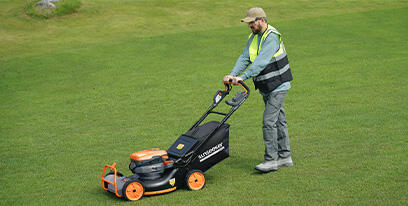
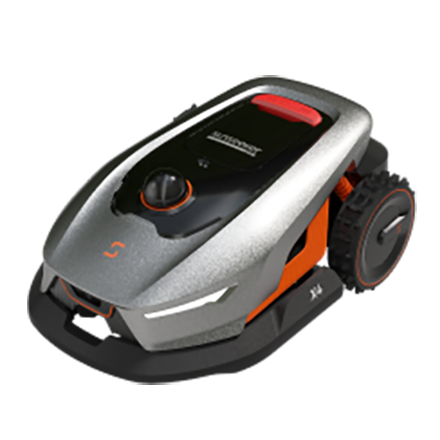
After the soil has settled and the grass is actively growing again, regular mowing at a conservative height helps preserve the denser turf encouraged by aeration. The Sunseeker Elite X4 supports this follow-up with a 1.6-3.2 in cutting range and a floating-cut system that follows uneven ground, reducing the risk of scalping recovering areas.
Aeration works by removing plugs of soil to open channels for air, water, and nutrients to reach the root zone. What is a lawn aerator used for in practical terms is breaking the compaction cycle that gradually makes watering and fertilizing less effective. Core aeration is the correct tool, spike aeration increases rather than relieves compaction. Timing to active grass growth, following up with overseeding and fertilizing while channels are open, and maintaining consistent mowing afterward gets the most out of each session.
Yes, when done correctly with a core aerator during active grass growth. Compacted soil is one of the most common reasons lawns look thin despite regular care. Aeration relieves that compaction, and improvement in root depth, water absorption, and fertilizer uptake is usually visible within a few weeks. Spike aeration provides minimal benefit and can worsen compaction.
These terms describe the same tool. Plug aerators and core aerators are interchangeable names for hollow-tine machines that remove soil plugs. The correct comparison is core aeration vs. spike aeration: core aeration is significantly more effective because it removes soil rather than compressing it.
The most effective combination is overseeding, fertilizer, and a thin topdressing of compost on poor soils. Apply within 48 hours while channels are open and water consistently for 2–3 weeks. For cool-season lawns aerated in fall, what is an aerator for lawn follow-up is overseeding with a matching grass variety plus a starter fertilizer.