






FAQs
7/24/2026
Contents
Products
Residential Lawns










Explore
Where to Buy


Summer lawn care works best when you reduce stress instead of forcing fast growth. Water deeply in the morning, mow higher, feed lightly according to grass type, watch for weeds and pests, and delay major repairs during extreme heat. The goal is steady color, stronger roots, and fewer brown patches through hot weather.
A lawn can look healthy in late spring, then start fading after one hot week. The color dulls, footprints stay visible longer, and thin spots appear near driveways, slopes, or busy paths. This is common because summer heat puts grass under pressure at the same time people use the yard more.
Good summer lawn care is not about adding more of everything. Too much water, fertilizer, or mowing can stress grass further. The sections below break summer care into practical steps so you can keep the lawn stable, green, and easier to recover when cooler weather returns.
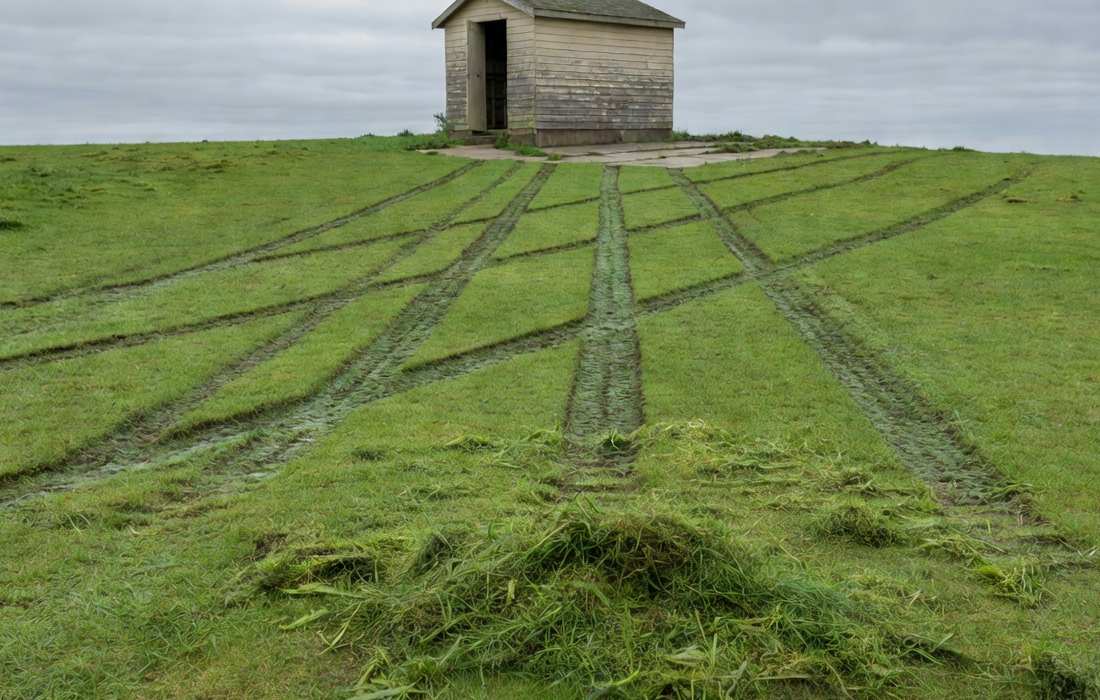
Summer changes the way grass grows, drinks, and reacts to maintenance. A routine that worked in spring may become too aggressive once soil temperatures rise and rainfall becomes less reliable.
Heat increases evaporation, and shallow roots dry out quickly. Cool-season grasses such as Kentucky bluegrass, perennial ryegrass, and tall fescue often slow down when daytime temperatures stay above about 85°F. Some may go partly dormant during long dry spells. Warm-season grasses such as Bermuda, zoysia, St. Augustine, and centipede usually grow well in summer, but they still need the right water balance and mowing height.
Summer also brings heavier stress around the lawn. Foot traffic, pets, outdoor furniture, kids playing, dull mower blades, and quick fertilizer applications can leave visible marks faster than they would in mild weather. Weeds and insects are active too, so problems can spread before the lawn has enough energy to fill in. The best approach is to protect root health first, then support steady growth only when the grass is ready for it. Local weather matters as well. A humid coastal lawn may need disease checks more often, while a dry inland lawn may need stricter watering and traffic control.
The most useful summer habits are simple, but timing matters. These tips focus on helping grass survive hot weather with less stress, fewer weeds, and better recovery after dry periods.
Most lawns need about 1 to 1.5 inches of water per week, including rainfall. In hot, dry weather, split that into two deep watering sessions instead of light daily sprinkling. Water between 5 a.m. and 9 a.m. so moisture reaches the roots before the sun gets intense. Place a few empty tuna cans or shallow containers on the lawn during irrigation. When they collect about 0.5 inch, you know how long one watering cycle takes.
A taller summer cut shades the soil, protects crowns, and slows moisture loss. Many cool-season lawns do well at 3 to 4 inches in summer. Many warm-season lawns stay healthy around 2 to 3 inches, depending on the grass type. Remove no more than one-third of the blade height in one mowing session. Cutting too short exposes the soil, weakens roots, and makes heat stress show faster.
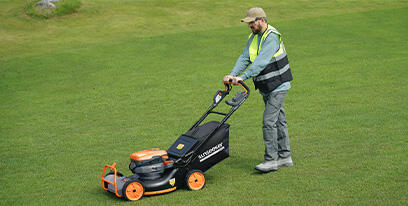
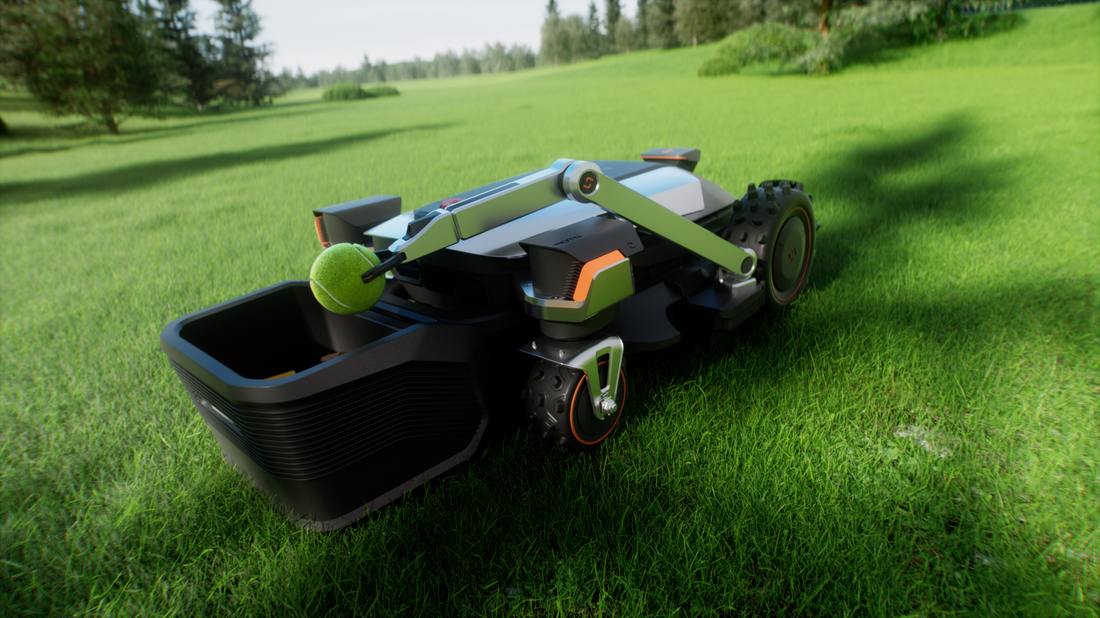
For larger lawns, steady mowing height can be hard to maintain during rapid summer growth. Sunseeker Elite X9 can support routine upkeep with scheduled mowing, electric cutting-height adjustment, and wire-free navigation, so established grass can stay at a consistent height without repeated heavy cuts.
Fertilizer can help summer growth, but the wrong timing can burn or overstimulate the lawn. Warm-season grass often benefits from slow-release nitrogen during active growth, usually after full green-up and when soil moisture is steady. Cool-season grass usually needs less nitrogen during peak summer heat. If the lawn is drought-stressed or partly dormant, wait. A soil test is the safest guide for nitrogen, phosphorus, potassium, and pH needs.
Summer weeds compete with grass for water, sunlight, and nutrients. Pull small weeds after rainfall or watering, when roots loosen more easily. For larger weed problems, choose a lawn-safe product labeled for your grass type and the target weed. Avoid spraying broadleaf herbicides during very hot afternoons, especially above 85°F, because turf injury becomes more likely. Spot treatment is usually safer than treating the entire yard without a clear need.
Brown patches are not always drought damage. Grubs, chinch bugs, armyworms, fungal disease, and pet urine can all look similar at first. Check the edge of a brown spot, not only the center. Active insects often appear where green grass meets damaged grass. Fungal problems may show rings, spots on leaf blades, or greasy-looking patches in humid weather. Identify the cause before applying insecticide or fungicide, because the wrong treatment wastes time and can stress the lawn.
Grass under heat stress bruises more easily. If footprints remain visible for several minutes, the lawn is short on moisture or already slowing growth. Move chairs, toys, splash pads, and grills around instead of leaving them in one spot for weeks. Add stepping stones along repeated walking routes. Keep pets away from newly seeded or weak patches. Small changes protect crowns and give thin areas a better chance to recover.
Heavy dethatching, aggressive raking, and core aeration can be useful, but summer is often the wrong moment for cool-season lawns. These jobs open the canopy and disturb roots, which can increase drying during heat waves. For warm-season lawns, light aeration may be suitable during active growth if the lawn is watered well. Skip major disruption during drought, extreme heat, or disease outbreaks. Save deeper renovation for the grass type’s strongest growing season.
Seeding during high summer often fails because the surface dries too fast. Cool-season grass usually establishes best in early fall, when soil is warm and nights are cooler. Warm-season grass repairs better in late spring or early summer while it is actively growing. For small summer bare spots, loosen the soil, add a thin layer of compost, water gently, and protect the area. Bigger repairs may need to wait until temperatures are more forgiving.
Summer lawn care is about reducing stress, not pushing grass beyond what it can handle. Deep morning watering, higher mowing, careful feeding, early weed control, and quick problem checks help the lawn keep stronger roots through hot weather. When regular mowing becomes difficult to keep up with, a robot lawn mower can be part of a steady maintenance routine for an already established lawn. Keep the plan consistent, and your grass will have a better chance of staying healthy until cooler growing conditions return.
Put down water first, not fertilizer, if the lawn looks drought-stressed. For active warm-season grass, use a slow-release lawn fertilizer based on soil test results. Add compost only as a light topdressing, about 1/4 inch, not a heavy layer. Use weed or pest products only after identifying the problem clearly.
Cool-season grass is usually healthier at 3 to 4 inches during summer. Many warm-season lawns do well around 2 to 3 inches, although exact height depends on the species. Never scalp the lawn in hot weather. A higher cut shades the soil, protects roots, and helps the lawn hold moisture longer.
Keep the lawn green and thick with deep watering, sharp mower blades, proper mowing height, and light feeding only when grass is actively growing. Do not force dormant grass with heavy nitrogen during heat or drought. Fill small thin areas when conditions are mild enough for seed or spreading grass to establish successfully.