




FAQs
6/10/2026
Contents
Products
Residential Lawns
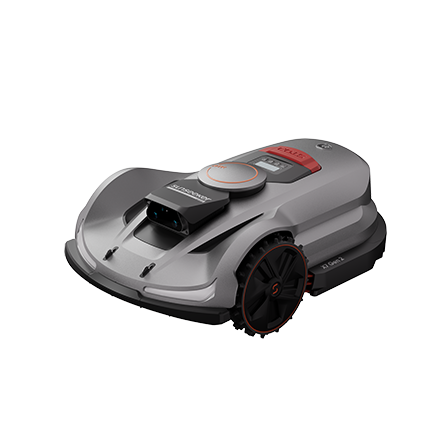
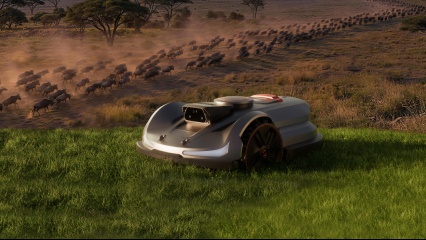
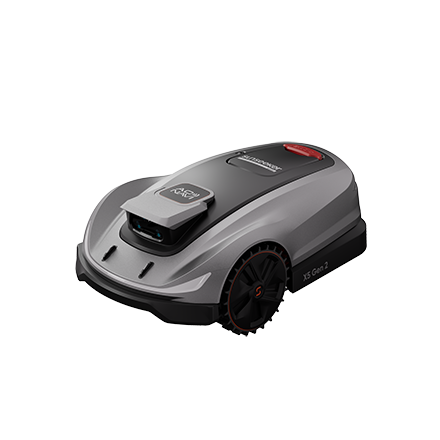

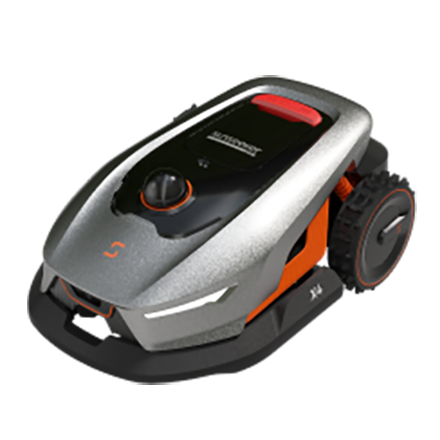
Explore
Where to Buy


Riding mowers suit homeowners seeking stability, versatility, and ease of use on uneven terrain. Zero-turn mowers meet the needs of those requiring fast, precise, and efficient mowing for larger, flatter areas. Their distinct features and efficiency levels make each option suitable for different lawn types and homeowner priorities.
Riding mower vs zero turn mower, what are the differences? Generally, both machines cut grass efficiently when you ride, but they differ significantly in design and performance. While a traditional riding mower feels like a small tractor, a zero-turn mower offers sports-car-like agility. So, zero turn or riding mower, which one is better? This comprehensive guide breaks down everything. Let’s explore how they work, the pros and cons of each, key differences, and practical advice for choosing the right one for your lawn.
A riding mower, often referred to as a lawn tractor, is a traditional lawn care machine with a steering wheel, foot pedals, and a front-mounted engine. It resembles a small tractor with versatile features, making it a popular choice among homeowners with varied lawn care needs.
A zero-turn mower is designed for speed and precision. It uses dual hydrostatic transmissions controlled by lap bars to make each rear wheel move independently. This enables the mower to turn in place with a true zero-degree turning radius.
When comparing a lawn tractor or zero turn mower, which one should you choose? To make the right decision, it’s essential to understand their differences clearly. The core distinction in the riding lawn mower vs zero turn comparison lies in their steering and drive systems, and that directly affects maneuverability, efficiency, and ease of use.
To make things clearer, here’s a quick comparison of key performance differences:
Feature | Zero Turn Mower | Riding Mower (Lawn Tractor) |
Turning Radius | 0 degrees (pivots in place) | 6-10+ feet |
Mowing Speed | 5-8+ mph | 3-5 mph |
Deck Size | 42-72 inches | 30-54 inches |
Price Range | $2,500-$10,000+ | $1,500-$4,000 |
Best Terrain | Flat to gentle slopes | Flat, uneven, or hilly terrain |
Towing Capacity | Limited | High (carts, plows, and more) |
Learning Curve | Moderate (lap-bar controls) | Very low (steering wheel) |
Mowing Time Savings | Up to 50% faster on large lawns | Standard |
Maneuverability | Excellent for obstacles and tight spaces | Good for open areas |
Your choice between a lawn tractor and a zero turn mower depends on your yard size and terrain. Here’s a simple way to decide:
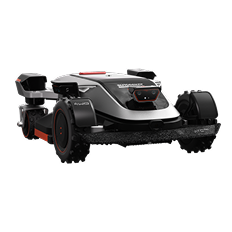
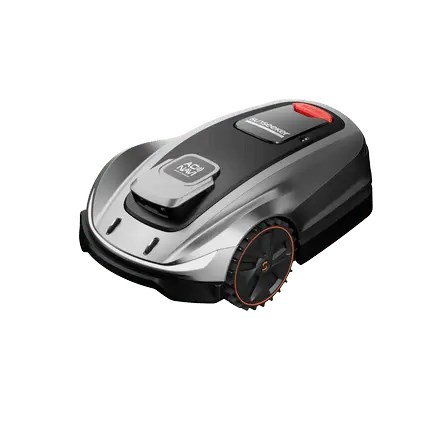
While both traditional options have their strengths, robot lawn mowers offer a more advanced solution that addresses many common drawbacks of riding mowers and zero-turn mowers. They operate fully automatically, handling mowing with minimal supervision, which greatly reduces time and effort.
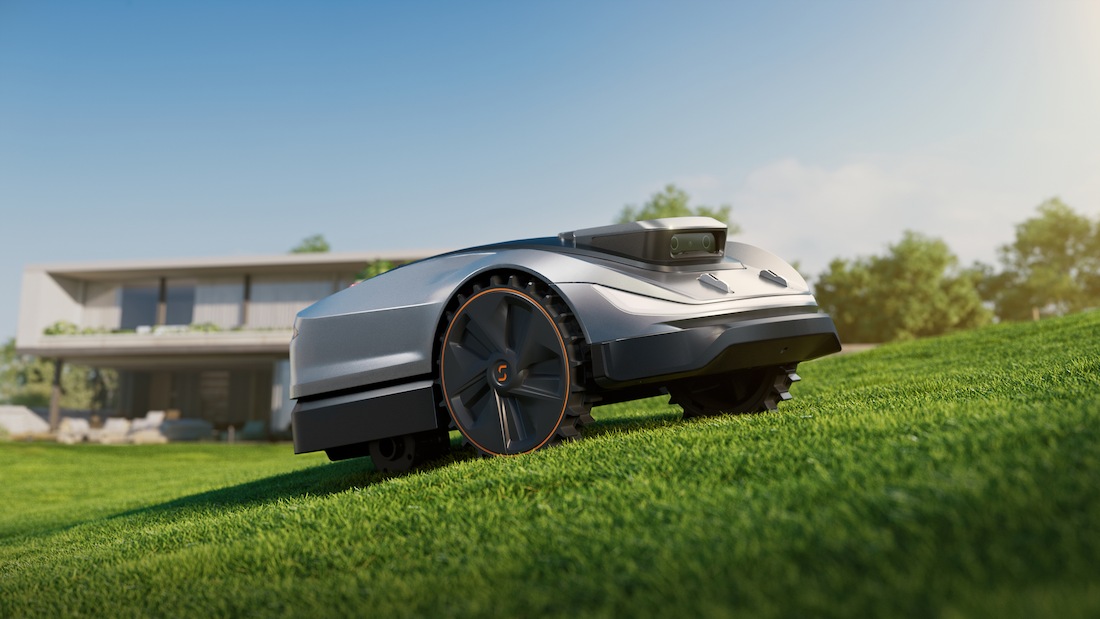
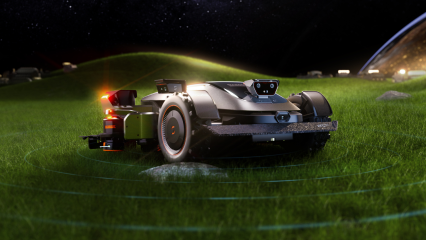
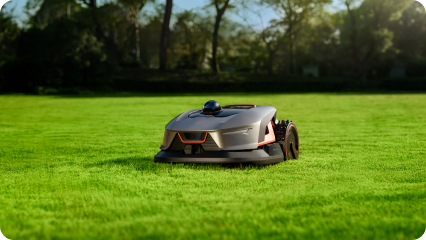
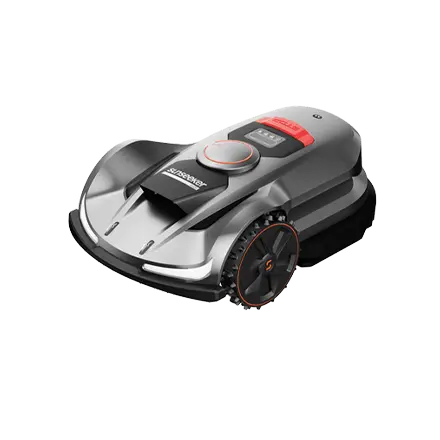
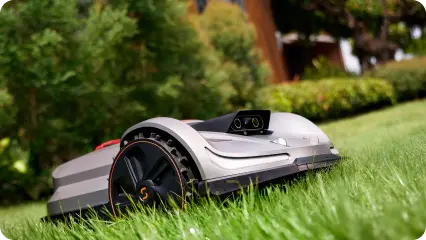
For homeowners seeking high-performance robotic models, the Sunseeker Elite X5 stands out. Driven by AONavi™ technology, it combines RTK-GNSS and VSLAM for centimeter-accurate mapping, which minimizes human input and ensures precise coverage. Its intelligent path planning optimizes mowing efficiency, and the mower can detect over 200 obstacles to avoid collisions.
The independent front suspension provides smooth handling across uneven terrain, and the dedicated steering motor enables zero-turn radius maneuvering. Its permanent magnet motors deliver efficient, quiet performance. Compared to riding mowers and zero-turn models, the Sunseeker Elite X5 is an advanced robotic model that offers a far more precise and hassle-free mowing experience!
Riding mower vs zero turn mower, what’s the difference? The core distinction lies in steering, speed, and overall mowing efficiency. You can choose a riding mower for yards with slopes or uneven ground. A zero turn mower, on the other hand, can be better for faster mowing, easy turning, and a neat, professional-looking cut on mostly flat lawns. However, for an even more effortless mowing experience, robotic lawn mowers offer a smarter and more advanced solution. Explore Sunseeker’s high-performance models to upgrade your lawn care with more convenience and precision now!
Common riding mower problems include worn belts, transmission issues, steering difficulty, and engine starting failures, often caused by stale fuel or weak batteries. In addition, blades can dull over time, which reduces cutting quality. Therefore, regular maintenance like oil changes, belt inspections, air filter cleaning, and blade sharpening is always required. These practices can help prevent most issues and keep the mower running smoothly.
Zero-turn mowers can be more prone to tipping than lawn tractors, especially on steep slopes, wet grass, or during sharp, high-speed turns. Their design places more weight toward the rear, which affects stability. They are generally safe on flat terrain or gentle slopes, but operators should avoid sudden movements and always follow manufacturer-recommended slope limits for safe operation.
Riding mowers (lawn tractors) are typically better for hilly terrain because they have a lower center of gravity, more balanced weight distribution, and improved traction. This provides greater stability and control on slopes. Zero-turn mowers can handle mild inclines but may lose traction or stability on steeper hills, making riding mowers the safer and more practical choice overall.