











FAQs
6/17/2026
Contents
Products
Residential Lawns









Explore
Where to Buy


When a mower starts making odd sounds, cuts poorly, or keeps acting up, the job can get frustrating fast. The good news is that many mower issues have simple warning signs. If you know where to check first, you can find the likely problem, fix it sooner, and avoid repeated stops while you work.
It happens to us all. You fire up your riding lawn mower after winter, and it won’t start, or it loses power halfway through mowing. It’s frustrating, especially when you need your mower to do the job. This comprehensive guide covers all the common problems you might encounter. You can discover simple DIY riding lawn mower repair solutions to keep your mower running smoothly, plus smart maintenance tips to prevent future breakdowns. Just make sure to continue reading!

Riding lawn mowers are robust machines designed for efficiency, but like any mechanical equipment, they face wear and tear from regular use. Here are some of the most common problems:
Now comes the core part—riding mower repairs. Before you begin, make sure you have the right tools ready:
Step 1. To repair a riding lawn mower that won’t start due to stale fuel after winter storage, drain the old gas completely using pliers and an adjustable wrench. Refill with fresh gasoline treated with a fuel stabilizer.
Step 2. If you suspect dirty or fouled spark plugs, use a spark plug wrench to remove the plug. Check for carbon buildup, oil fouling, or worn electrodes, and replace if necessary.
Step 3. For a clogged carburetor, spray carburetor cleaner directly into the intake. Wait 2-3 minutes to dissolve residue, then reinstall a clean air filter.
Step 1. If the drive belt is worn, inspect its routing and condition, then follow the model-specific procedure for how to put a belt on a riding lawn mower before refitting the guard and testing drive engagement.
Step 2. If you notice the mower moves unevenly or loses power on slopes, check the pulleys for misalignment/wear. Use an adjustable wrench to tighten or realign pulley components.
Step 3. For transmission slipping issues, inspect the transmission fluid level if applicable. Refill or change the fluid according to the manufacturer’s recommendations.
Step 1. To repair a riding lawn mower that cuts unevenly or leaves patches, remove the blades using a socket wrench set. Sharpen them evenly with a blade sharpener with the original cutting angle.
Step 2. If the grass is clumping or the discharge is weak, clean the mower deck thoroughly. Use a screwdriver to scrape away any built-up grass and debris that blocks airflow.
Step 3. For uneven cutting height, adjust and level the mower deck. Use an adjustable wrench to fine-tune deck height on both sides.
Step 1. Inspect the mower deck and engine area for loose hardware, then tighten all bolts using a socket wrench set.
Step 2. If you suspect a damaged belt, remove the belt guard with a screwdriver and inspect the belt for cracks or fraying. Replace it using a socket wrench set if necessary.
Step 3. For persistent vibration during operation, check the deck spindles for wear/damage. Use an adjustable wrench to secure faulty spindle components to restore smooth rotation.
Step 1. Remove the air filter cover with a screwdriver. Clean or replace a clogged air filter to improve airflow.
Step 2. If you suspect improper oil levels, use a dipstick to check the engine oil. Drain excess oil or refill to the recommended level with an oil filter wrench.
Step 3. For continued overheating or smoke, inspect the engine exterior for debris buildup. Clear grass and dirt from cooling areas with a brush to restore proper cooling efficiency.
Step 1. When your riding mower won’t start due to battery issues, test the battery voltage with a multimeter. Recharge the battery if the reading is below 12.6 volts.
Step 2. If you notice corrosion on battery terminals, disconnect the cables and clean the terminals with a screwdriver to restore proper electrical contact.
Step 3. For faulty wiring problems, inspect all visible wires for damage or loose connections. Use pliers to reconnect/secure any loose wires.
Step 1. To repair a riding lawn mower with a flat tire, remove the wheel with a socket wrench set. Inspect it for punctures or visible damage.
Step 2. If the tire has minor leaks, apply a patch kit to seal the puncture. Replace the tire completely if the damage is severe.
Step 3. For improper tire pressure, use a tire pressure gauge to inflate the tire to the manufacturer’s recommended PSI.
Note: Always disconnect the spark plug wire before starting any repair, and work on a flat surface with safety glasses and gloves. Refer to your owner’s manual for model-specific instructions during riding lawn mower repairs. If a repair feels too complex or beyond your comfort level, consider a professional mobile riding lawn mower repair service for assistance.
Preventive care handles many routine lawn mower fixes before they become costly riding-mower repairs
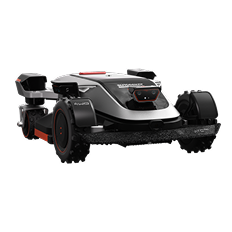
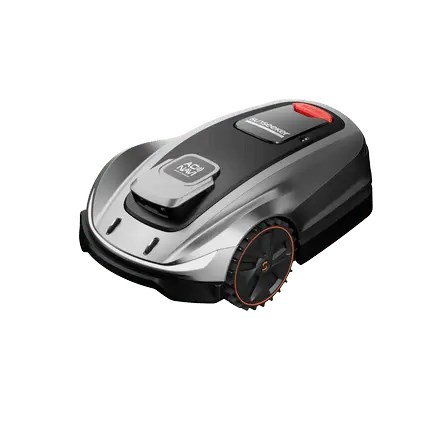
That said, even with proper maintenance, traditional gas-powered riding mowers still require ongoing time and effort. More homeowners are now switching to robot lawn mowers, which handle mowing automatically on a set schedule and require far less upkeep. These smart machines can navigate slopes, avoid obstacles, and cover large areas efficiently. You can greatly cut down on both maintenance and repair needs.

For a premium choice, the Sunseeker Elite X4 robot lawn mower stands out. It features a wire-free “Drop & Go” setup, advanced 360° 3D LiDAR combined with Vision AI for accurate navigation and obstacle detection, and intelligent path planning that delivers clean, consistent results. It also offers IPX6 waterproofing and convenient app control, making it a truly low-maintenance solution for modern lawn care.
Riding lawn mowers can run into a variety of issues over time, but most problems are manageable with the right riding lawn mower repair techniques and regular maintenance. If you are looking to reduce maintenance altogether, consider upgrading to a Sunseeker robot lawn mower. With automated operation and minimal upkeep, it offers a more convenient, modern approach to lawn care. You can enjoy a perfectly maintained yard with far less effort!
Yes, riding lawn mower repair is often worthwhile if the cost stays under 50% of a new unit and the machine is under 5-7 years old. Minor fixes like belts, blades, or spark plugs are inexpensive and can extend usability significantly. However, if major engine or transmission repairs exceed $500-$1,000, it’s best to compare repair costs with replacement value and long-term reliability.
Riding lawn mower repairs typically cost between $75 and $300 for common issues such as tune-ups, belt replacements, or blade sharpening. Labor usually ranges from $55 to $135 per hour, with parts priced separately. Major repairs like engine or transmission work can reach $500 to $2,500. You are recommended to get multiple quotes for fair pricing and better decision-making.
The average lifespan of a riding lawn mower is 8-10 years or 500-1,000 operating hours with proper maintenance. Heavy use can shorten this to 5-7 years, while premium models with diligent care can exceed 1,500 hours. Factors like storage, maintenance habits, and build quality all play a key role in longevity. Robot lawn mowers, as an innovative solution, can often last longer with reduced mechanical wear.